Why the Best Local Dog Parks Across the United States Matter for Pet Owners
The best local dog parks across the United States give dogs a safe, designated space to run, socialize, and burn energy off-leash. For pet owners, these parks offer a community gathering point and a chance to connect with fellow dog lovers. Whether you live in a dense city or a sprawling suburb, a quality dog park can make a measurable difference in your dog’s daily well-being.
Table of Contents
- Why the Best Local Dog Parks Across the United States Matter for Pet Owners
- What Makes a Dog Park Truly Great
- Top Regional Highlights: Best Local Dog Parks Across the United States
- Etiquette Rules Every Dog Park Visitor Should Know
- How to Find the Best Dog Parks Near You
- Dog Parks and Travel: Visiting Parks in New Cities
- Safety Tips for First-Time Dog Park Visitors
- Conclusion
- Frequently Asked Questions
From fully fenced off-leash areas to scenic nature trails with pet-friendly policies, dog parks vary widely in what they offer. Knowing what to look for—and where to find the best ones—saves you time and helps your dog thrive.
- Key Takeaways
- The best dog parks offer fenced areas, water stations, and separate zones for small and large dogs.
- Top parks exist in every region of the country, from urban neighborhoods to rural communities.
- Safety features, cleanliness, and dog temperament rules are the hallmarks of a well-managed park.
- Many city parks now include amenities like agility equipment, shaded seating, and paved paths.
- Visiting a park before bringing your dog helps you assess whether it’s the right fit.

What Makes a Dog Park Truly Great
Not all dog parks are created equal. The best ones share a set of core features that keep both dogs and humans safe and comfortable. Before choosing a park for regular visits, it’s worth evaluating what the facility actually offers.
Essential Features to Look For
- Double-gated entry: Prevents accidental escapes when other dogs rush the gate.
- Separate sections: Small dog areas protect timid or petite breeds from overwhelming interactions.
- Water access: Drinking stations or nearby water sources are essential, especially in warm climates.
- Shade and seating: Benches and tree cover make longer visits comfortable for owners.
- Waste disposal stations: Well-stocked bag dispensers and trash cans signal a maintained park.
- Clear rules posted at the entrance: Vaccination requirements, leash rules outside the gate, and behavior guidelines help all visitors stay safe.
Terrain and Size Matter
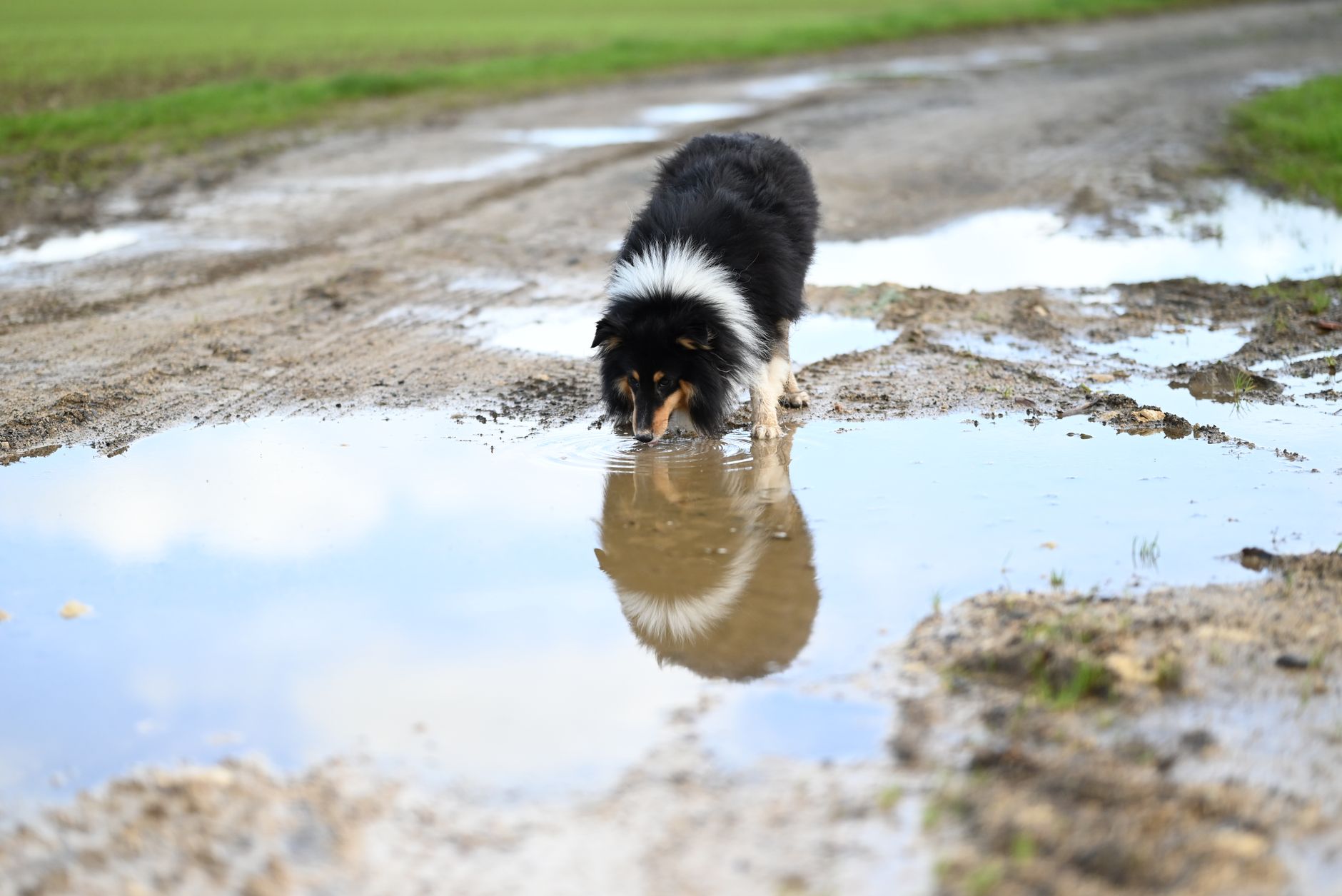
A cramped, muddy half-acre serves a very different purpose than a sprawling greenspace with hills, trails, and open meadows. Larger dogs with high energy need room to sprint; smaller or older dogs may prefer a compact, flat area. The terrain should drain well after rain so the park doesn’t become a muddy hazard zone.
Top Regional Highlights: Best Local Dog Parks Across the United States
The best local dog parks across the United States are found in every corner of the country. Rather than ranking a single winner, it’s more useful to recognize standout examples by region, since geography, climate, and local culture all shape what a great dog park looks like in a given area.
Northeast
The Northeast’s urban density means many dog parks are compact but thoughtfully designed. Cities like Boston, New York, and Philadelphia have invested heavily in off-leash areas. Prospect Park in Brooklyn is a widely cited example of a large urban park with dedicated dog hours, while Philadelphia’s Fairmount Park system includes multiple pet-friendly green spaces. If you’re planning a visit to the Philadelphia area with your dog, reviewing the Philadelphia, PA Safety Guide: Where to Be Cautious can help you navigate the city confidently.
Southeast
The Southeast offers some of the country’s most expansive dog parks, thanks to warmer weather and available land. Georgia, Tennessee, and the Carolinas all have highly regarded off-leash areas, many featuring natural surfaces, trees, and creek access. Look for parks that open early and close at dusk to give dogs the coolest hours of the day during summer months.
Midwest
Midwestern cities like Chicago, Minneapolis, and Columbus have developed strong dog park cultures. Chicago’s Montrose Dog Beach is a beloved lakefront spot where dogs can swim freely. Many Midwestern parks are well-maintained year-round with gravel or wood chip surfaces that handle snow and mud better than grass alone.
Southwest
Heat is the biggest concern in the Southwest, so the best parks here feature shade structures, misters, and water fountains designed with dogs in mind. Phoenix and Tucson both maintain a network of municipal off-leash parks with paved paths for hot pavement seasons. Early morning and evening visits are recommended year-round.
West Coast
California, Oregon, and Washington offer some of the most dog-friendly communities in the nation. San Francisco’s Crissy Field and Fort Funston are famous for offering dogs both off-leash freedom and spectacular scenery. The Pacific Northwest’s mild climate allows for year-round park use, and many parks here incorporate wooded trails alongside traditional open runs.
Etiquette Rules Every Dog Park Visitor Should Know
Even the best-designed dog park experience can go wrong without proper etiquette from visitors. Following a few key guidelines protects your dog, other dogs, and everyone’s enjoyment of the space.
- Stay attentive: Keep your eyes on your dog at all times. Distracted owners miss early signs of conflict.
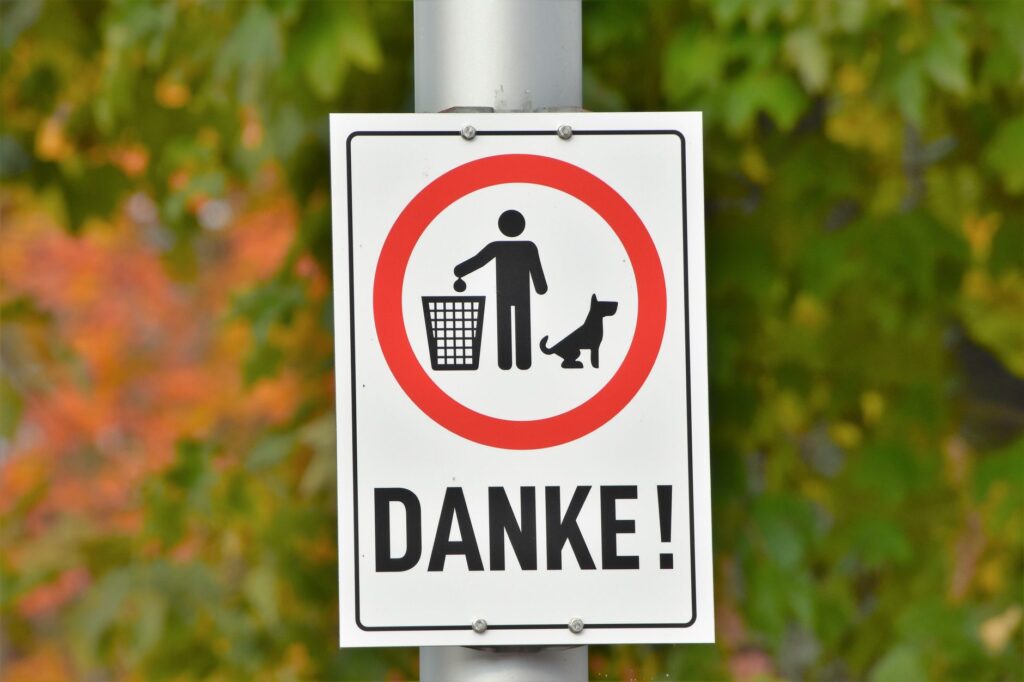
- Pick up immediately: Never leave waste behind, even if you plan to get it on the way out. Carry extra bags.
- Know your dog’s limits: If your dog becomes overwhelmed, overstimulated, or reactive, leave calmly without shame.
- Follow vaccination requirements: Most well-run parks expect dogs to be current on core vaccinations. Bring records if required.
- Avoid feeding other dogs: Food can trigger resource guarding and conflict, even among otherwise friendly dogs.
- Don’t bring puppies under four months: Young pups may not have completed their vaccine series, making them vulnerable to illness.
How to Find the Best Dog Parks Near You
Finding a great local dog park doesn’t require an exhaustive search. Several reliable methods help you locate well-reviewed, safe spots quickly.
Use Community Apps and Local Groups
Apps like BringFido and AllTrails list dog-friendly parks with user reviews and photos. Local Facebook groups and neighborhood forums are often even more current, since pet owners frequently post real-time updates about closures, conditions, and new amenities. Word of mouth from other dog owners at the park is another underrated resource.
Check Your City or County Parks Website
Most municipalities maintain an official list of designated off-leash areas with maps, rules, and hours. This is the most reliable source for confirming whether a park requires permits, memberships, or specific registration for your dog.
Visit Before You Bring Your Dog
Walking through a park without your dog first gives you a chance to assess the vibe, the fencing integrity, and the behavior of regular visitors. A park where owners are engaged and dogs are playing calmly is a good sign. One where dogs are charging the gate and owners are on their phones warrants a second look.
Dog Parks and Travel: Visiting Parks in New Cities
If you travel with your dog, seeking out local dog parks at your destination is one of the best ways to give your pet a positive experience on the road. Dogs benefit enormously from off-leash time after hours in a car or crate. Before visiting a park in an unfamiliar city, check local rules, hours, and any permit requirements online.
When exploring new areas with your dog—especially in regions like Vermont, where outdoor spaces range from mountain summits to valley greenways—local parks can complement broader adventures. The Revealing the Highest Point in Vermont and Its Worth the Visit Guide is worth browsing if you’re planning a New England road trip with your pet.
Safety Tips for First-Time Dog Park Visitors
First visits to a dog park can be exciting but also unpredictable. Preparation makes all the difference between a great experience and a stressful one.
- Start during off-peak hours when fewer dogs are present.
- Remove retractable leashes and harnesses that could catch on equipment or other dogs.
- Bring water from home until you know the quality of park water sources.
- Keep your dog’s collar and ID tags secure and current.
- Watch for body language signals: stiff posture, hard stares, and raised hackles often precede conflict.
- Have a recall word or command your dog reliably responds to before visiting.
Frequently Asked Questions
What should I look for in a good local dog park?
A good dog park should have double-gated entries, separate areas for small and large dogs, water access, shade, and clearly posted rules. Cleanliness and engaged, attentive owners are also strong indicators of a well-run facility. Visiting without your dog first lets you assess conditions before committing.
Are dog parks safe for puppies?
Most dog park guidelines recommend waiting until puppies have completed their core vaccination series, typically around four months of age, before visiting off-leash areas. Young pups are more vulnerable to illness from unvaccinated dogs. Puppy socialization classes are a safer alternative for very young dogs.
Do I need to register my dog to use a public dog park?
Requirements vary by city and park. Some municipalities require annual registration, proof of current vaccinations, or even a small permit fee to use designated off-leash areas. Check your local parks and recreation department website for the specific rules in your area.
How do I find the best dog parks when traveling to a new city?
Apps like BringFido and AllTrails list dog-friendly parks with user reviews across the country. Local Facebook groups and neighborhood forums often have the most up-to-date information on park conditions and hours. Always verify hours and rules on an official city or county parks website before your visit.
What is proper etiquette at a dog park?
Always supervise your dog closely, clean up waste immediately, and avoid bringing food into the park area. Know your dog's behavior and be ready to leave calmly if your dog becomes reactive or overwhelmed. Following posted rules and being courteous to other visitors keeps the experience positive for everyone.
Conclusion
The best local dog parks across the United States range from bustling urban off-leash zones to sprawling scenic retreats, and the best one for you depends on your dog’s size, temperament, and energy level. Prioritizing parks with solid safety features, engaged visitors, and consistent maintenance will make every outing a positive one. Whether you’re a daily regular or an occasional visitor, taking the time to find and appreciate quality dog parks is one of the most rewarding investments you can make in your pet’s happiness and social development.