What Is the Highest Point in Maine?
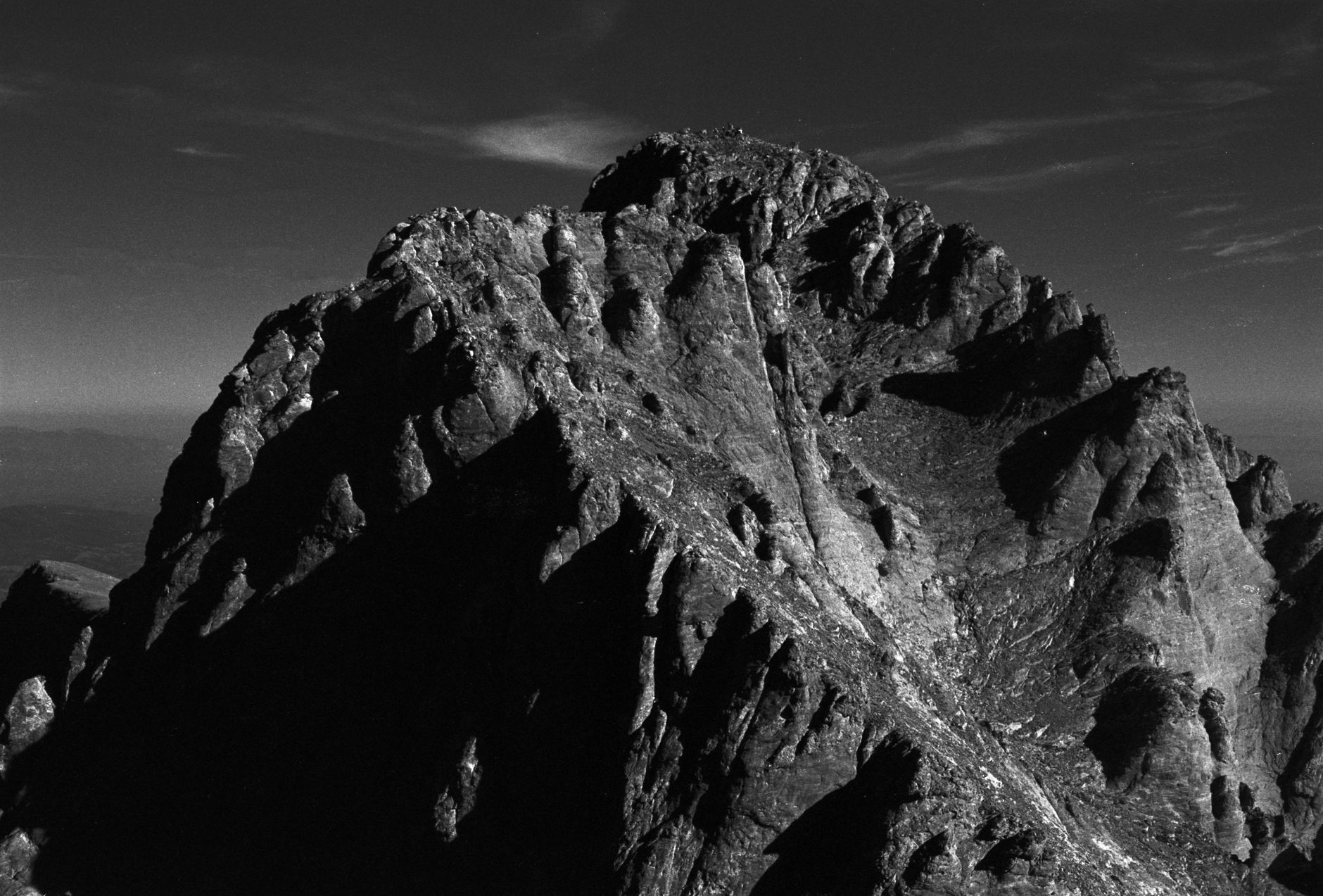
Revealing the highest point in Maine and its worth the visit starts with one iconic name: Mount Katahdin. Standing at 5,269 feet (1,606 meters) above sea level, Katahdin towers over the surrounding wilderness of Baxter State Park in north-central Maine. It is not only the tallest peak in the state but also one of the most rewarding summit hikes in the entire northeastern United States.
Table of Contents
- What Is the Highest Point in Maine?
- A Brief History of Mount Katahdin
- Revealing the Highest Point in Maine: The Trails You Can Take
- What to Expect at the Summit
- Why It Is Absolutely Worth the Visit
- Planning Your Trip: Practical Tips
- Best Time of Year to Hike Mount Katahdin
- Nearby Attractions Worth Combining with Your Visit
- Conclusion
- Frequently Asked Questions
Mount Katahdin is the northern terminus of the famous Appalachian Trail, drawing thousands of hikers every year who either complete a thru-hike or simply come for a day climb. Whatever brings you there, the mountain delivers an experience that is hard to match.
- Key Takeaways
- Mount Katahdin at 5,269 feet is the highest point in Maine, located within Baxter State Park.
- The mountain marks the northern terminus of the Appalachian Trail, making it a bucket-list destination.
- Multiple trails of varying difficulty lead to the summit, including the famous Knife Edge ridge.
- Baxter State Park requires advance reservations, especially during peak hiking season (late June–September).
- The views, wildlife, and sheer scale of the landscape make the hike absolutely worth the effort.
A Brief History of Mount Katahdin
The name “Katahdin” comes from the Penobscot language, roughly meaning “the greatest mountain.” For the Penobscot people, the mountain carried deep spiritual significance and was considered the home of a powerful wind spirit. That reverence has echoed through generations and still shapes how many people approach the climb today.
In the early 20th century, former Maine Governor Percival Baxter worked tirelessly to protect the land around Katahdin. He purchased over 200,000 acres privately and donated it to the state, forming what is now Baxter State Park. His legacy is why the summit is sometimes called Baxter Peak.
Revealing the Highest Point in Maine: The Trails You Can Take
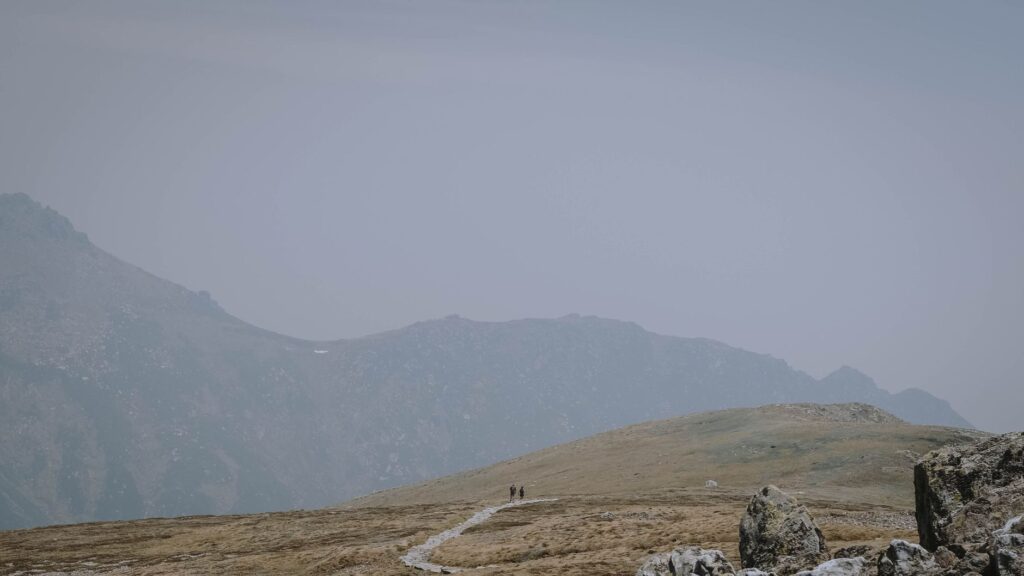
There are several routes to the summit of Mount Katahdin, each offering a different level of challenge and scenery. Choosing the right trail depends on your fitness level, experience, and how much exposure to steep terrain you are comfortable with.
Hunt Trail
The Hunt Trail is the most popular route and follows the final stretch of the Appalachian Trail to Baxter Peak. It covers approximately 5.2 miles one way from Katahdin Stream Campground. The trail is strenuous but well-marked, making it the go-to option for first-timers and thru-hikers finishing their AT journey.
Knife Edge Trail
For those craving a serious adrenaline rush, the Knife Edge is a narrow arête connecting Pamola Peak to Baxter Peak. The ridge is less than three feet wide in places, with dramatic drop-offs on both sides. It is one of the most thrilling legal hikes in the eastern U.S. — not recommended for those with a fear of heights, but utterly spectacular for those who take it on.
Abol Trail
The Abol Trail is the most direct route to the summit and the steepest option. It gains elevation quickly through a slide zone, offering expansive views early in the hike. It is shorter in distance but demanding in effort, best suited for experienced hikers looking for a faster ascent.
What to Expect at the Summit
Reaching Baxter Peak is a moment most hikers never forget. On clear days, the 360-degree panorama stretches across Maine’s vast boreal forest, remote lakes, and distant mountain ranges. The famous summit sign marking the northern terminus of the Appalachian Trail is a beloved photo spot, often surrounded by emotional thru-hikers who have just completed over 2,000 miles of walking.
Weather at the summit can change rapidly. Even on warm summer days, temperatures near the top can be significantly colder and winds can be fierce. Layers, rain gear, and extra food and water are essential regardless of the forecast at the trailhead.
Why It Is Absolutely Worth the Visit
Revealing the highest point in Maine and its worth the visit is not just about the summit elevation. The entire journey — from the quiet drive through Baxter State Park to the feel of granite under your boots — is an immersive wilderness experience. Maine’s northeast region is one of the least densely populated parts of the eastern U.S., which means solitude, wildlife sightings, and night skies free from light pollution.
Moose are frequently spotted near the park’s ponds and bogs. Bald eagles, black bears, and a rich variety of birds call the area home. The surrounding landscape of boreal forest, peat bogs, and pristine lakes adds layers of natural beauty far beyond the mountain itself.
If you enjoy exploring New England’s unique regional stories — whether natural, cultural, or economic — you might also find it interesting to read about how cannabis tourism is boosting Vermont’s economy, another northeastern state where outdoor adventure and local culture intersect in compelling ways.
Planning Your Trip: Practical Tips
A successful Katahdin hike requires preparation. Here are the most important logistics to plan ahead:
- Reserve your park day-use permit early. Baxter State Park limits the number of vehicles and hikers per day. Online reservations open months in advance and fill up fast, particularly on summer weekends.
- Start early. Most rangers recommend beginning your hike by 7 a.m. to allow enough time to summit and descend safely before dark. Summit attempts after noon may be turned back by park staff during busy periods.
- Check the weather. The summit is exposed and can experience dangerous conditions including fog, lightning, and ice even in summer. Never proceed if a storm is approaching.
- Wear proper footwear. Trail runners or hiking boots with ankle support and good grip are essential. The upper portions of most trails involve scrambling over loose rock and boulders.
- Pack the ten essentials. Navigation tools, sun protection, insulation, illumination, first aid, fire-starting tools, a repair kit, nutrition, hydration, and emergency shelter should all be in your pack.
For broader travel planning guidance, especially if your route involves navigating unfamiliar roads to reach the park, you might find some smart traffic navigation tips helpful before hitting the road.
Best Time of Year to Hike Mount Katahdin
The mountain is typically accessible for hiking from late May through mid-October, weather permitting. Peak season runs from late June through Labor Day, when trails are fully thawed and conditions are most predictable. September is considered by many experienced hikers to be the finest month — fewer crowds, stunning fall foliage, and crisp clear air that extends visibility for miles.
The park closes to summit hiking once significant snowfall arrives, usually by mid-October. Winter mountaineering on Katahdin is possible but requires advanced skills, specialized gear, and is only permitted for those with proper experience.
Nearby Attractions Worth Combining with Your Visit
Baxter State Park and the surrounding region offer plenty to explore beyond the summit hike. The Appalachian Trail corridor in the area features numerous day hikes of varying difficulty, many with excellent views. The Penobscot River and several large wilderness ponds near the park provide paddling and fishing opportunities.
The town of Millinocket, just outside the park’s southern entrance, serves as the main gateway community. It has lodging options, outfitters, restaurants, and a genuine trail-town atmosphere. Many hikers base themselves here for one or two nights before and after their summit attempt.
Maine’s coast is a full day’s drive away but worth combining into a longer New England itinerary. Acadia National Park, Portland’s food scene, and the rugged downeast coastline all add rich contrast to an inland mountain adventure.
Frequently Asked Questions
What is the highest point in Maine?
The highest point in Maine is Mount Katahdin, with its summit known as Baxter Peak reaching 5,269 feet above sea level. It is located within Baxter State Park in north-central Maine and also marks the northern terminus of the Appalachian Trail.
How hard is it to hike Mount Katahdin?
Hiking Mount Katahdin is considered strenuous and is best suited for people with reasonable fitness and some trail experience. The Hunt Trail, the most popular route, is approximately 10 miles round trip with significant elevation gain and rocky terrain near the summit.
Do you need a permit to hike Mount Katahdin?
Yes, Baxter State Park requires advance reservations for day-use access, especially for trailheads leading to Katahdin. Permits sell out quickly during peak season, so booking several months in advance is strongly recommended.
What is the best time to hike Mount Katahdin?
The best time to hike Mount Katahdin is from late June through September, with many experienced hikers preferring September for its fall foliage, cooler temperatures, and thinner crowds. The park typically closes summit trails by mid-October due to snow and ice.
Is the Knife Edge on Mount Katahdin safe?
The Knife Edge is a legal and well-traveled route but is genuinely exposed and not suitable for those with a fear of heights or vertigo. Hikers should have solid footwork, good balance, and avoid the ridge in wet, windy, or foggy conditions.
Conclusion
Revealing the highest point in Maine and its worth the visit ultimately comes down to a simple truth: Mount Katahdin delivers on every level. From the physical challenge of its trails to the raw natural beauty of Baxter State Park, and the emotional reward of standing at 5,269 feet above Maine’s wilderness, this is a destination that earns its reputation. Whether you are a seasoned hiker completing the Appalachian Trail or a weekend warrior planning your first big summit, Katahdin is a mountain that changes people. Plan well, go early in the season, respect the park’s rules, and prepare to be genuinely moved by what Maine’s greatest mountain has to offer.