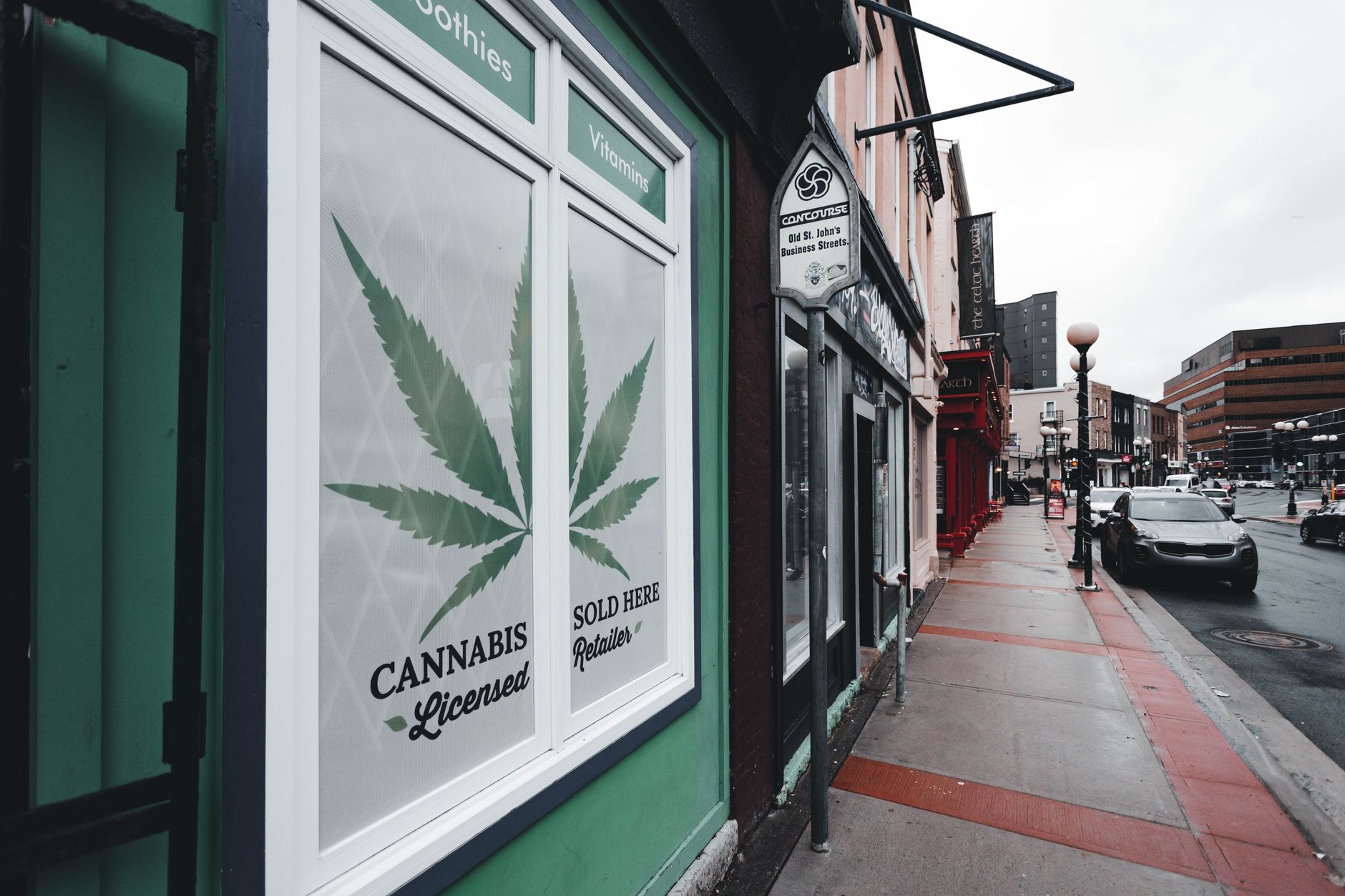
The Vermont cannabis laws every dispensary operator must know cover everything from licensing requirements and product testing to advertising rules and local zoning restrictions. Vermont legalized adult-use cannabis retail in 2022, and the regulatory framework has grown increasingly detailed since then. Understanding these rules from the start can mean the difference between a thriving operation and a costly compliance failure.
Table of Contents
- Key Takeaways
- Vermont Cannabis Laws Every Dispensary Operator Must Know: The Regulatory Framework
- Licensing: Who Can Apply and What It Costs
- Local Zoning and Municipal Opt-Out Rules
- Product Testing, Packaging, and Labeling Requirements
- Inventory Tracking and Seed-to-Sale Compliance
- Advertising, Marketing, and Social Media Rules
- Social Equity Provisions and Workforce Requirements
- Security, Age Verification, and Record-Keeping
- Conclusion
- Frequently Asked Questions
Key Takeaways
- Vermont requires all cannabis retailers to obtain a state license through the Cannabis Control Board before opening.
- Dispensaries must follow strict inventory tracking, packaging, and labeling standards.
- Local municipalities retain the right to ban or restrict cannabis retail in their jurisdiction.
- Advertising and marketing activities are heavily regulated under Vermont law.
- Social equity provisions are built into Vermont’s licensing process and must be considered by operators.
Vermont Cannabis Laws Every Dispensary Operator Must Know: The Regulatory Framework
Vermont’s adult-use cannabis market is governed primarily by Act 164, which established the Cannabis Control Board (CCB) as the primary regulatory authority. The CCB oversees licensing, enforcement, and rulemaking for all cannabis businesses in the state. Operators should treat the CCB’s published rules as a living document, since regulations are updated regularly as the market matures.
Vermont also allows medical cannabis dispensaries, which operate under a separate but related framework. If you run a medical dispensary and want to add adult-use sales, you must apply for a co-location license and meet the requirements for both categories simultaneously.
Licensing: Who Can Apply and What It Costs
Before a single product can be sold, a dispensary operator must secure a Retailer License from the CCB. The application process involves background checks for all controlling owners, proof of a compliant premises, financial disclosures, and a detailed operating plan. Licenses are not automatically granted, and the CCB evaluates each application on its merits.
License Types Relevant to Retailers
- Retailer License: Required for any storefront or delivery operation selling cannabis to end consumers.
- Integrated License: Allows a single entity to cultivate, manufacture, and retail cannabis under one license.
- Delivery Endorsement: An add-on for retailers who want to offer home delivery services.
License fees vary by tier and are set by the CCB. Operators should review the current fee schedule directly on the CCB website, as amounts can change between legislative sessions. Renewal is annual, and failing to renew on time can result in a lapse that forces you to close temporarily.
Local Zoning and Municipal Opt-Out Rules
One of the most important Vermont cannabis laws every dispensary operator must know is the municipal opt-out provision. Under Vermont law, individual towns and cities can vote to prohibit retail cannabis sales within their borders. Before signing a lease or committing capital to a location, confirm that the municipality allows cannabis retail and check local zoning ordinances for permitted use areas.
Even in municipalities that allow cannabis sales, local zoning boards may restrict dispensaries to specific commercial zones and enforce buffer distances from schools, childcare centers, and places of worship. These distances are set at the local level and vary significantly across Vermont’s communities.
Product Testing, Packaging, and Labeling Requirements
All cannabis products sold at a Vermont dispensary must pass testing at a CCB-approved laboratory before reaching shelves. Testing covers potency (THC and CBD content), pesticides, heavy metals, and microbial contaminants. Retailers are responsible for ensuring they only stock products that have passed all required tests and carry valid certificates of analysis.
Packaging Standards
- All packaging must be child-resistant and tamper-evident.
- Products cannot use packaging that is attractive to minors, including cartoon characters or bright imagery targeting children.
- Exit packaging must also be child-resistant if the original container is not resealable.
Labeling Standards
- Labels must display the total THC and CBD content, serving size, and number of servings per package.
- A universal cannabis symbol must appear on all consumer-facing labels.
- Labels must include a health warning statement approved by the CCB.
- Batch numbers and testing laboratory information must be traceable on the label or associated documentation.

Inventory Tracking and Seed-to-Sale Compliance
Vermont mandates that all licensed cannabis businesses use an approved seed-to-sale tracking system. This system records every step a cannabis product takes from cultivation through to the final retail sale. Dispensary operators must ensure their point-of-sale software integrates properly with the state’s tracking system to avoid compliance gaps.
Accurate inventory reconciliation is critical. Discrepancies between your physical inventory and your tracking records can trigger CCB audits and, in serious cases, license suspension. Establish internal audit protocols at least weekly to catch and correct errors before they escalate.
If your dispensary also handles cannabis delivery, every delivery transaction must be recorded in real time. Drivers must carry the required documentation for each order, and the dispensary must maintain those records for the period specified in CCB rules.
Advertising, Marketing, and Social Media Rules
Vermont’s advertising rules for cannabis retailers are among the strictest areas of compliance. The state prohibits any advertising that could reasonably be seen as targeting individuals under the age of 21. This includes social media campaigns, influencer partnerships, and any content that uses imagery or language appealing to minors.
- Outdoor advertising near schools, playgrounds, and public transit stops is restricted or prohibited.
- Digital advertising platforms must use age-gating mechanisms to limit exposure to adults only.
- Promotions and discounts must be structured to avoid encouraging excessive consumption.
- Unsubstantiated health or therapeutic claims are not permitted in any marketing material.
Social equity is also woven into Vermont’s cannabis marketing rules. Operators should review guidelines around brand partnerships and endorsements to ensure they do not inadvertently violate rules designed to prevent predatory marketing in communities historically harmed by cannabis enforcement.
Social Equity Provisions and Workforce Requirements
Vermont has integrated social equity considerations into its licensing and operational framework. Priority licensing pathways exist for applicants from communities that experienced disproportionate impacts from cannabis prohibition. As an operator, understanding these provisions matters whether you are applying as a social equity applicant or partnering with one.
Vermont also encourages cannabis businesses to develop workforce training programs and to hire from local communities. While not always a strict legal requirement, demonstrating community investment can support license renewals and community relations, both of which matter for long-term business stability.
For context on how other states have built regulations around specific industries, it is worth noting how different jurisdictions approach regulatory frameworks—much like how Utah County’s unique cannabis geography has shaped its own unusual policy landscape.
Security, Age Verification, and Record-Keeping
All Vermont cannabis dispensaries must maintain physical security measures that meet CCB standards. This includes surveillance cameras covering all points of sale, entry and exit points, and storage areas. Footage must be retained for a minimum period defined in CCB rules and made available to regulators upon request.
Age verification is non-negotiable. Every customer must present a valid government-issued ID confirming they are 21 or older before any transaction. Staff must be trained to recognize valid and altered identification. Selling to a minor—even inadvertently—can result in immediate license suspension or revocation.
Record-keeping requirements extend well beyond inventory. Dispensaries must retain employee records, training logs, transaction records, and vendor agreements for the periods specified by the CCB. A systematic approach to document management will save significant time during any regulatory inspection or audit.
Regulatory compliance in cannabis shares some DNA with broader business compliance considerations. Just as drivers in other states must understand specific local rules—like whether it is illegal to drive barefoot in Tennessee—cannabis operators must know the specific rules of the state they operate in rather than assuming one state’s rules mirror another’s.
Frequently Asked Questions
Does Vermont allow home delivery of cannabis by dispensaries?
Yes, Vermont retailers can offer home delivery if they obtain a delivery endorsement in addition to their standard retailer license. All deliveries must comply with CCB tracking, documentation, and age verification requirements. Municipalities that have opted out of retail cannabis sales may also restrict delivery within their borders.
Can a municipality in Vermont ban cannabis dispensaries?
Yes, Vermont law gives individual towns and cities the right to vote to prohibit retail cannabis sales within their jurisdiction through a local opt-out mechanism. Operators must verify municipal rules before committing to a location. Even in permissive municipalities, local zoning rules may restrict where a dispensary can operate.
What tracking system do Vermont dispensaries have to use?
Vermont requires all licensed cannabis businesses to use a CCB-approved seed-to-sale tracking system that records cannabis movement from cultivation through final retail sale. Dispensaries must ensure their point-of-sale systems integrate with this platform. Regular internal audits are recommended to keep records accurate and avoid compliance issues.
Are there limits on how much cannabis a customer can buy at a Vermont dispensary?
Vermont law sets possession limits for adult consumers, which in turn guide how much a retailer can sell in a single transaction. Retailers must stay current with CCB rules that define per-transaction and daily purchase limits. Selling above these limits in a single transaction can result in enforcement action against the dispensary license.
What happens if a Vermont dispensary fails a CCB inspection?
A failed inspection can result in a range of consequences depending on the severity and nature of the violation, from written warnings and mandatory corrective action plans to fines or license suspension. Repeat or serious violations, such as selling to minors or falsifying records, can lead to permanent license revocation. Operators should address any cited deficiencies promptly and document all corrective steps taken.
Conclusion
The Vermont cannabis laws every dispensary operator must know span licensing, zoning, product compliance, inventory tracking, advertising, social equity, and security. No single area is optional—regulators expect full compliance across all of them simultaneously. The best approach is to build compliance into your operations from day one rather than retrofitting systems after an inspection or enforcement action. Stay current with CCB rule updates, invest in proper staff training, and consult with a licensed cannabis attorney or compliance consultant when rules are unclear. A well-run, compliant dispensary is not just a legal requirement in Vermont—it is your strongest competitive advantage in a maturing market.