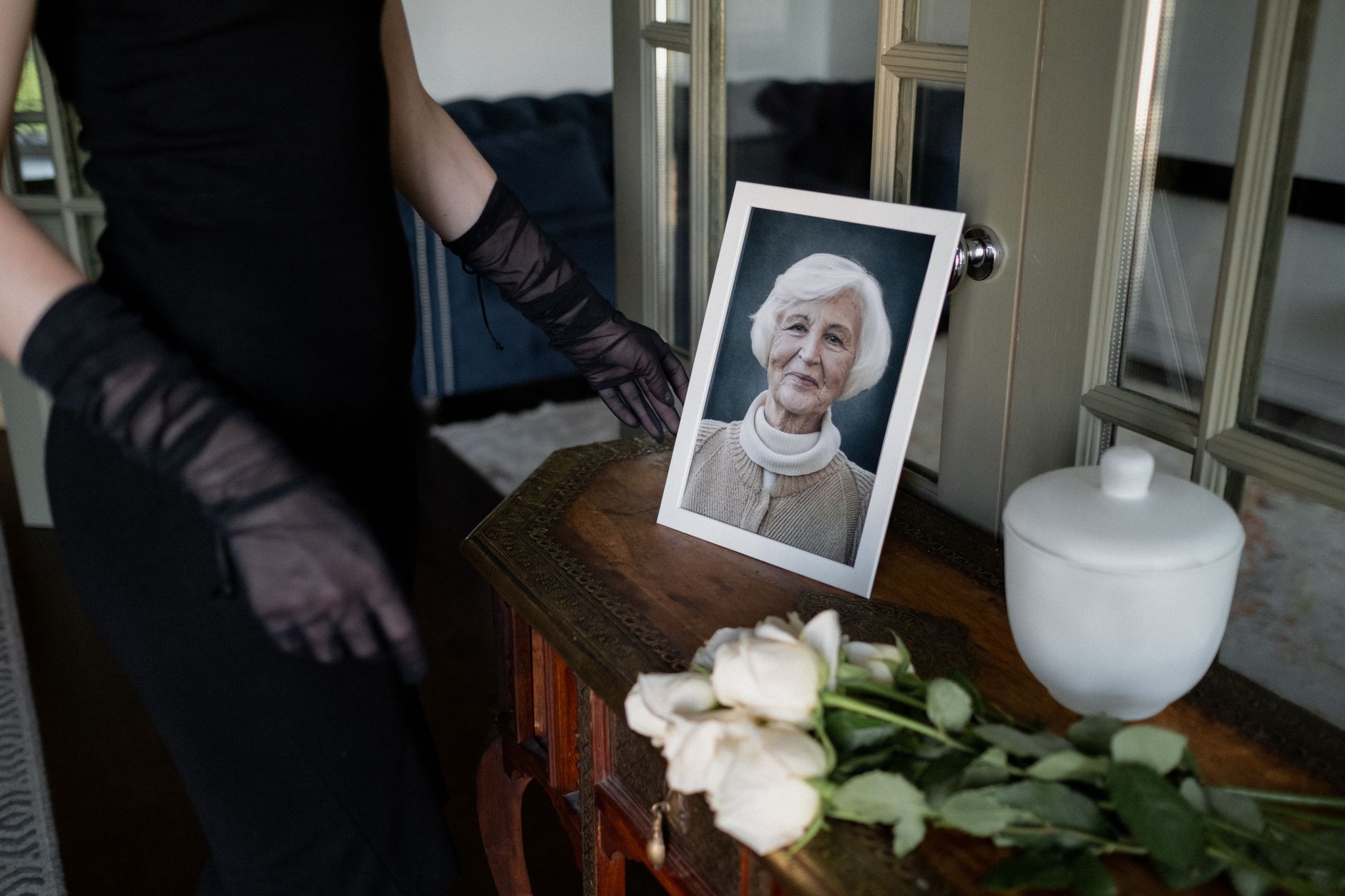
Former First Lady Rosalynn Carter Dies at the Age of 96: A Nation Mourns
The former first lady Rosalynn Carter dies at the age of 96, marking the end of a life defined by compassion, resilience, and tireless dedication to causes larger than herself. She passed away peacefully at her home in Plains, Georgia, surrounded by family. Her death brings to a close one of the most consequential partnerships in American political history.
Table of Contents
- Former First Lady Rosalynn Carter Dies at the Age of 96: A Nation Mourns
- Who Was Rosalynn Carter?
- Her Role as First Lady: More Than a Ceremonial Position
- A Lifelong Advocate for Mental Health
- The Carter Center and Global Humanitarian Work
- A Marriage and Partnership That Stood the Test of Time
- Remembering Rosalynn: Tributes and National Reaction
- What Rosalynn Carter's Life Means for Future Generations
- Conclusion
- Frequently Asked Questions
- Rosalynn Carter was born on August 18, 1927, in Plains, Georgia, and lived a full 96 years.
- She served as First Lady of the United States from 1977 to 1981 alongside President Jimmy Carter.
- She was a pioneering advocate for mental health awareness and caregiver support throughout her life.
- Rosalynn and Jimmy Carter shared one of the longest marriages in presidential history, spanning over 77 years.
- Her post-White House humanitarian work through The Carter Center touched millions of lives worldwide.
Who Was Rosalynn Carter?
Eleanor Rosalynn Smith was born into a modest family in the small town of Plains, Georgia. She married Jimmy Carter in 1946, and the two built a life together rooted in faith, community, and public service. Long before her time in the White House, Rosalynn proved herself a capable partner in managing the family’s peanut farming business.
When Jimmy Carter entered politics, Rosalynn became an indispensable part of his campaigns and governance. She was widely regarded as one of the most active and influential first ladies in U.S. history, frequently attending Cabinet meetings and representing the administration on diplomatic missions abroad.

Her Role as First Lady: More Than a Ceremonial Position
During her time in the White House, Rosalynn Carter redefined what it meant to be a first lady. Rather than taking on a purely ceremonial role, she immersed herself in policy discussions and legislative efforts. She testified before a Senate subcommittee on mental health — a rare and bold move for a first lady at the time.
Her efforts were central to the passage of the Mental Health Systems Act of 1980, landmark legislation aimed at improving mental health services across the country. Though the act was largely dismantled under the following administration, her work brought unprecedented national attention to mental health as a public health priority.
Diplomatic Missions and Political Partnership
Rosalynn Carter traveled to Latin America as a special emissary for the Carter administration, meeting with heads of state and discussing foreign policy issues directly. This level of diplomatic engagement was groundbreaking for a first lady. She and Jimmy Carter were genuine governing partners, and many historians have noted that her influence on his presidency was substantial and substantive.
A Lifelong Advocate for Mental Health
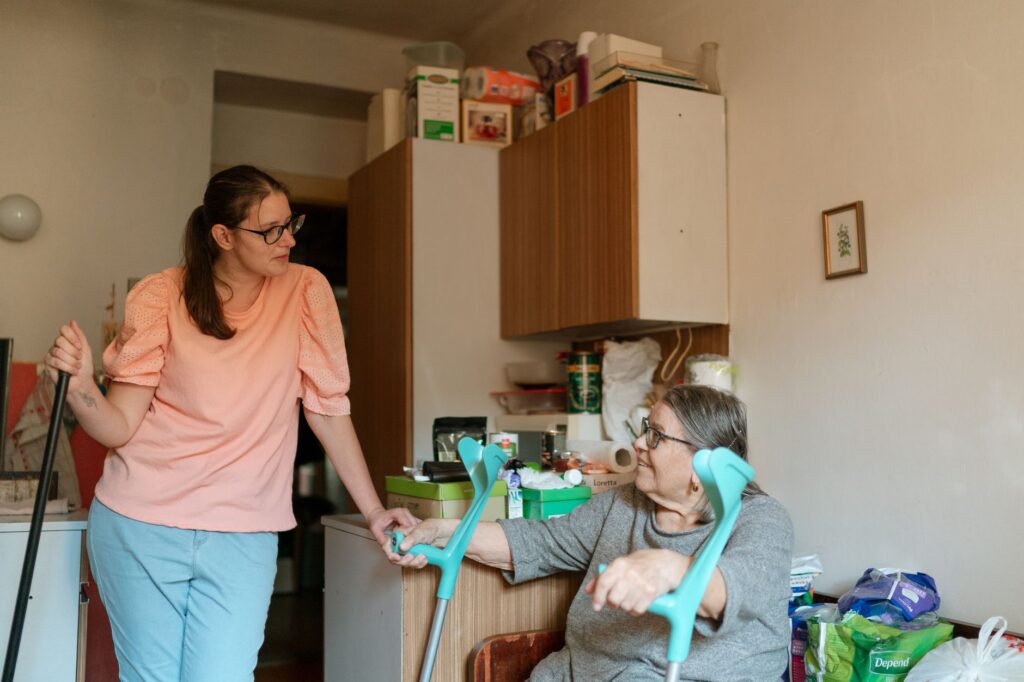
Long after leaving the White House, Rosalynn Carter continued her mental health advocacy with remarkable dedication. She founded the Rosalynn Carter Institute for Caregivers, an organization focused on supporting the millions of Americans who provide unpaid care to loved ones with illness, disability, or aging-related challenges.
She worked tirelessly to reduce the stigma surrounding mental illness, believing that open conversation and policy reform were essential to improving lives. Her advocacy spanned decades and influenced countless mental health professionals, policymakers, and families across the country.
Fighting the Stigma of Mental Illness
One of Rosalynn’s most enduring contributions was her insistence that mental illness be treated with the same seriousness as physical illness. She often spoke about the isolation and misunderstanding that people with mental health conditions face, and she worked to shift public perception through education, legislation, and storytelling.
Her quote, often paraphrased but deeply felt, captured her philosophy: that everyone is either a caregiver, was a caregiver, will be a caregiver, or will need a caregiver. This framing helped elevate caregiving as a social and political issue worthy of serious attention.
The Carter Center and Global Humanitarian Work
Following the conclusion of Jimmy Carter’s presidency, the couple founded The Carter Center in Atlanta in 1982. The nonprofit has worked in more than 80 countries, tackling issues ranging from disease eradication to election monitoring and conflict resolution. Rosalynn was an integral part of the Center’s mission from the very beginning.
Through The Carter Center’s mental health program, she helped expand access to mental health care in underserved communities around the world. Her global perspective on mental wellness was years ahead of mainstream public health conversations.
A Marriage and Partnership That Stood the Test of Time
Rosalynn and Jimmy Carter’s marriage was widely celebrated as one of the most enduring and equal partnerships ever seen in American public life. Married in 1946, they were together for over 77 years, making theirs the longest presidential marriage in U.S. history. They were frequently seen holding hands, sharing responsibilities, and supporting each other through immense public and personal challenges.
In her final years, Rosalynn was diagnosed with dementia and received hospice care at home. The family’s decision to share this news publicly was consistent with her lifelong belief in openness about health challenges. Jimmy Carter had entered hospice care earlier in the year, and the couple spent their remaining time together at home in Plains.
Their story resonated with Americans not just because of their political accomplishments, but because of the genuine love and respect they showed each other across eight decades of shared life. For more on significant moments and figures that shape American history and public safety, see this coverage of breaking news events affecting communities across the country.
Remembering Rosalynn: Tributes and National Reaction
News of Rosalynn Carter’s passing prompted an outpouring of tributes from across the political spectrum. Leaders from both parties acknowledged her grace, her intelligence, and her unrelenting commitment to improving the lives of vulnerable people. She was remembered not just as a president’s wife, but as a force of nature in her own right.
Mental health organizations, caregiver advocacy groups, and global humanitarian institutions paid tribute to her decades of work. For many in those communities, Rosalynn Carter was not a peripheral political figure — she was a champion who gave their causes a national and international voice.
Her Legacy in Mental Health Policy
Experts in mental health policy consistently credit Rosalynn Carter as a foundational figure in the modern movement to treat mental illness with dignity and urgency. Her advocacy helped shift public and legislative attitudes during a time when mental health was rarely discussed in mainstream political discourse.
The institutions she built and supported continue to operate, train caregivers, and influence policy long after her passing. In that sense, her legacy is not simply historical — it is actively ongoing.
What Rosalynn Carter’s Life Means for Future Generations
Rosalynn Carter’s life offers a template for purposeful public service at every stage of life. She demonstrated that influence and impact are not confined to a single office or title, and that dedication to a cause — pursued consistently over decades — can genuinely change systems and save lives.
For younger generations, her story is a reminder that advocacy, caregiving, and community engagement are forms of leadership just as powerful as any elected position. She used every platform available to her, from the White House to grassroots organizations, to push for a more compassionate and just society.
America’s understanding of mental health, caregiving, and international humanitarian work is measurably better because Rosalynn Carter lived and worked as she did. Just as communities across the nation grapple with safety and wellbeing — as seen in reporting on public safety challenges in cities across Colorado and efforts to address domestic violence concerns in Arizona communities — her work reminds us that systemic care and advocacy can make a real difference in people’s lives.
Frequently Asked Questions
When did former First Lady Rosalynn Carter pass away?
Rosalynn Carter passed away at the age of 96 at her home in Plains, Georgia. She had been receiving hospice care in her final days, surrounded by family members. Her death was announced publicly by The Carter Center.
What was Rosalynn Carter best known for?
Rosalynn Carter was best known for her advocacy on behalf of mental health awareness and caregiver support, as well as her active role as First Lady during Jimmy Carter's presidency from 1977 to 1981. She founded the Rosalynn Carter Institute for Caregivers and was a co-founder of The Carter Center.
How long were Rosalynn and Jimmy Carter married?
Rosalynn and Jimmy Carter were married for more than 77 years, making theirs the longest marriage in U.S. presidential history. They wed in July 1946 and remained devoted partners through both their public service years and their later humanitarian work.
What impact did Rosalynn Carter have on mental health policy?
Rosalynn Carter played a pivotal role in elevating mental health as a national policy priority, including testifying before Congress and helping champion the Mental Health Systems Act of 1980. Her decades of advocacy helped reduce stigma and improve public understanding of mental illness and caregiving.
What is the Rosalynn Carter Institute for Caregivers?
The Rosalynn Carter Institute for Caregivers is a nonprofit organization she founded to support the millions of unpaid caregivers across the United States who care for aging, ill, or disabled loved ones. The institute provides resources, training, and advocacy to improve the lives of caregivers and those they care for.
Conclusion
The news that the former first lady Rosalynn Carter dies at the age of 96 is a moment for national reflection and gratitude. She lived a life of extraordinary purpose, serving not just as a partner to a president but as a powerful advocate in her own right. From her trailblazing work in the White House to her decades of global humanitarian engagement, Rosalynn Carter left an indelible mark on American life and beyond.
Her legacy — in mental health awareness, caregiver support, and global peace efforts — will continue to shape policy, inspire advocates, and comfort families for generations to come. She was, in every meaningful sense, a first lady for all Americans. For those interested in other significant historical stories and places, explore the haunting history of New York’s most storied upstate asylum, a reminder of how far mental health care in America has come since darker days.