
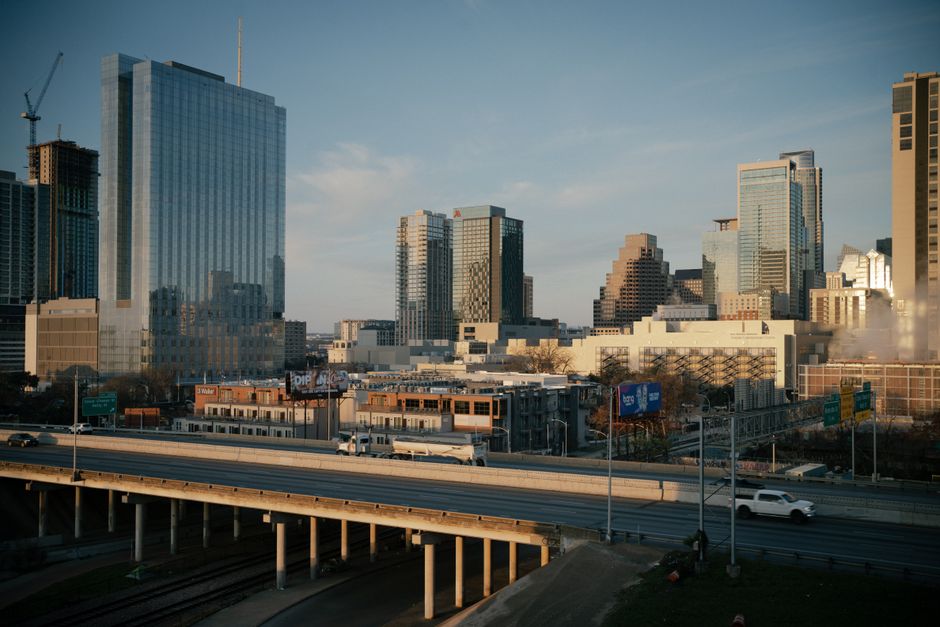
I've been coming to Austin for years now, and I'll be straight with you: it's not a dangerous city. I've walked around alone at midnight, taken rideshare alone, eaten tacos at food trucks with my laptop, and never felt legitimately threatened. That said, it's a real city with real neighborhoods, and some parts require more street smarts than others—especially if you're here solo and unfamiliar with where you're going.
The Austin I've learned to navigate is one where the vast majority of tourists and solo travelers move around freely without incident. But "most people are fine" isn't a useful travel guide. So I'm going to walk you through the places where you should be more intentional about timing, routes, and basic awareness—and explain why those cautions actually matter, rather than just listing neighborhoods to "avoid."
The Reality of Austin's Safety Profile
Austin's crime statistics are somewhat higher than the national average in some categories, but that number gets skewed by property crime (car break-ins, bike theft) far more than violent crime affecting visitors. The Austin Police Department regularly publishes crime data, and what jumps out is that most incidents concentrate in specific zones—not spread evenly across the city. That matters for your planning.
As a solo traveler, you're statistically low-risk. You're alert, you're moving with purpose, you're likely staying in known tourist or residential areas with foot traffic. The people who encounter real trouble in Austin tend to be locals involved in specific social or economic situations—not people like you who are here to eat brisket and watch live music.
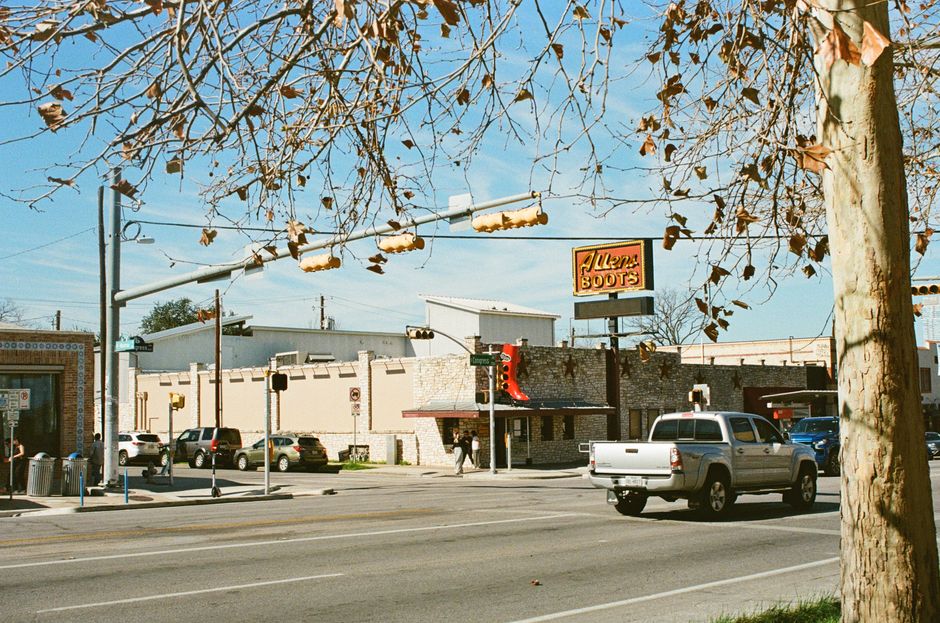
Downtown and Entertainment Districts: Timing Matters More Than Location
Downtown Austin and the entertainment zones around 6th Street, Rainey Street, and the Warehouse District are among the busiest, most-policed areas in the city. You'll feel crowds, you'll see police on foot, and honestly, you'll feel safe during the day and early evening. I've walked these areas alone hundreds of times without issue.
Where caution kicks in is late night—past midnight, especially toward 2 or 3 a.m. when bar closings compress crowds onto the streets. That's when intoxication levels spike, when tensions flare, and when property crime (theft from cars, bike theft) becomes more common. It's not that you'll be attacked; it's that the quality of the people around you deteriorates. Fewer families, more drunk people yelling, more loose decision-making.
If you're going out for music or drinks, plan your exit before midnight or use a rideshare to leave. Walk in groups when possible. Stick to well-lit, populated streets. And be aware of your surroundings in ways you might be more casual about during daylight. This isn't fear-mongering—it's the same logic you'd apply in any downtown area of any city.
East Austin and the I-35 Corridor: Where You Should Stay Intentional
East Austin is the part of town where some longtime residents and newer arrivals are nervous about solo travel after dark. Here's what I've actually observed: during the day, it's a thriving, increasingly gentrified neighborhood with excellent food, street art, and young energy. At night, the foot traffic decreases, the streets feel less supervised, and there are pockets—particularly closer to I-35—where you genuinely shouldn't wander alone after 9 or 10 p.m.
I'm not saying East Austin is unsafe; I'm saying it has lower visibility at night. Fewer people on the street means fewer eyes, which means you're more exposed if something does go wrong. The neighborhoods immediately adjacent to I-35, particularly near where the highway acts as a border, have higher rates of property crime and occasional violent incidents. Police presence is real but not constant.
For solo travelers: visit East Austin during the day. Go for lunch at one of the taco spots, walk around Bouldin Creek for street art, grab coffee. But don't plan a solo evening walk there, and don't linger after dark waiting for a rideshare on a side street. Use well-lit main thoroughfares like East 6th Street if you must be out after sunset, and call your ride from inside a restaurant or business.
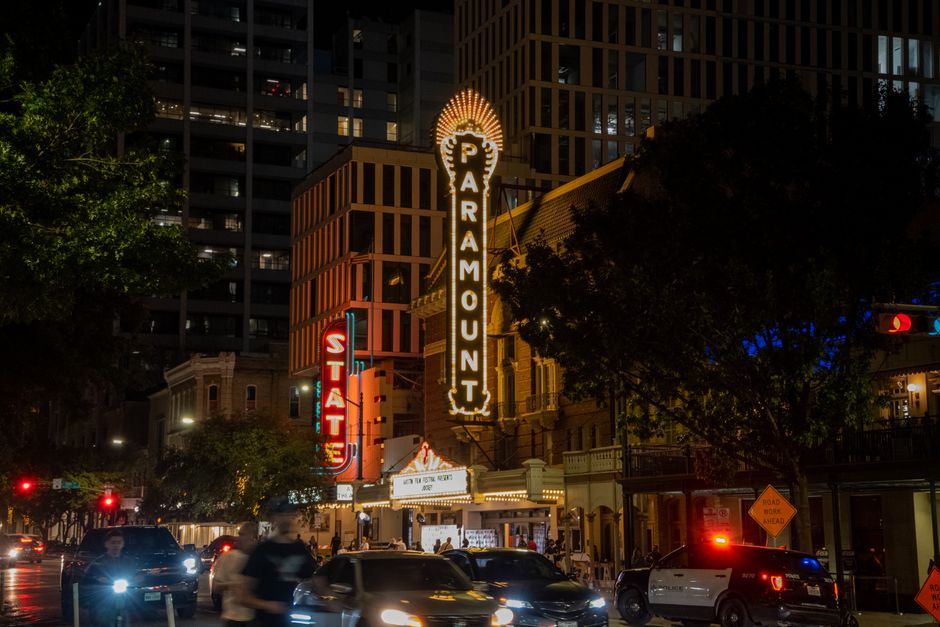
South Austin and Area Considerations
South Austin, particularly neighborhoods like St. Edwards and the area south of Congress Avenue (especially closer to Ben White Boulevard), has experienced increase in property crime—car break-ins, package theft, bike theft. I've had friends with cars burglarized there, and Austin's bike theft problem is real and widespread in those zones.
Personal safety for a solo walker? Generally fine. People walk around here, eat at restaurants, use parks. But if you're leaving a rental car parked overnight, you're accepting risk. And if you're walking alone down quieter residential streets at night, you're betting on luck. The reason this area flags for me isn't random violence; it's organized property crime. Thieves target cars they think have valuables. That doesn't directly endanger a person, but it creates an environment where crime is normalized and police attention is scattered.
Stay in South Austin if you want; it's got character and good food. But park in well-lit, monitored areas or use parking garages. Don't leave bags visible in rental cars. Walk the main commercial strips during daylight and early evening.
Transit, Rideshare, and Getting Around Safely
Austin's public transit (CapMetro) covers a lot of the city, and most buses and the downtown MetroRapid are fine during the day and early evening. After dark, buses feel less supervised, and some routes serve areas with lower density. As a solo traveler, I've taken buses safely at all hours, but I'm also a woman who travels alone regularly and has developed a sense for when a situation feels off. If you're less experienced or less comfortable, stick to rideshare after dark.
Rideshare is genuinely your safety net here. Uber and Lyft are ubiquitous, relatively affordable, and eliminate the solo-walking-in-the-dark variable entirely. Use them. At night, use them. The extra $8 is worth the removal of uncertainty, especially if you're not familiar with the city. I make that trade-off regularly and don't regret it.
One more thing: Austin's traffic is genuinely brutal, and distracted driving is rampant. When you're walking anywhere—downtown, residential areas, anywhere—assume drivers aren't paying full attention. Cross at signals, avoid standing in the street, don't assume a green light means you're safe. This applies everywhere in the city.
The Practical Precautions That Actually Work
If you're going to solo travel in Austin and want to minimize actual risk, these are the habits that matter: Tell someone where you're going and when you'll check in. Sounds old-fashioned and it is. It's also effective. Use your phone's location sharing with a friend. Trust your instincts about people and situations; if something feels off, leave. Move with confidence and awareness—headphones in, head down makes you look like an easier target.
Don't keep your valuable possessions visible. Laptop in a backpack, not on the table. Phone in your pocket, not out while walking. Car doors locked, windows up. Bike locked properly (Austin theft is real). These aren't paranoia; they're urban living basics that reduce your exposure to opportunity crime.
Visit neighborhoods during their prime hours. East Austin at lunch, downtown before midnight, South Congress in the afternoon. Don't schedule solo evening explorations of areas you don't know. Use headlamps or walk with others if you're out in low-light conditions. Vary your routes and routines if you're staying a while.
The Neighborhoods That Are Actually Fine
Most of Austin is genuinely safe and pleasant. Northwest Hills, North Austin, South Congress, West Austin, Zilker area—these are active, well-traveled neighborhoods where people walk alone all the time, day and night. The University of Texas campus area is heavily patrolled and crawling with foot traffic. Barton Hills is quiet and safe. East Zilker is lovely. Clarksville is beautiful and well-policed.
The tourist core—Downtown, Rainey Street, Lady Bird Lake trail—is fine. Popular areas tend to be safer areas because there's activity and presence. That's not a guarantee, but it's a real statistical pattern.
Final Word
Austin isn't dangerous. I say that having spent weeks here alone, walking at all hours, using transit, talking to locals. It's a lively, weird, energetic city where solo travel is absolutely normal and most of the time entirely unremarkable. The cautions I've outlined aren't because Austin is particularly risky; they're because you're here alone and unfamiliar, and that changes the risk calculation slightly.
Make smart choices about timing and routes. Use rideshare when appropriate. Don't leave your stuff visible in cars. Avoid wandering alone in low-traffic areas late at night. And you'll be fine. Probably better than fine. You'll get to actually experience the city instead of worrying about it.



