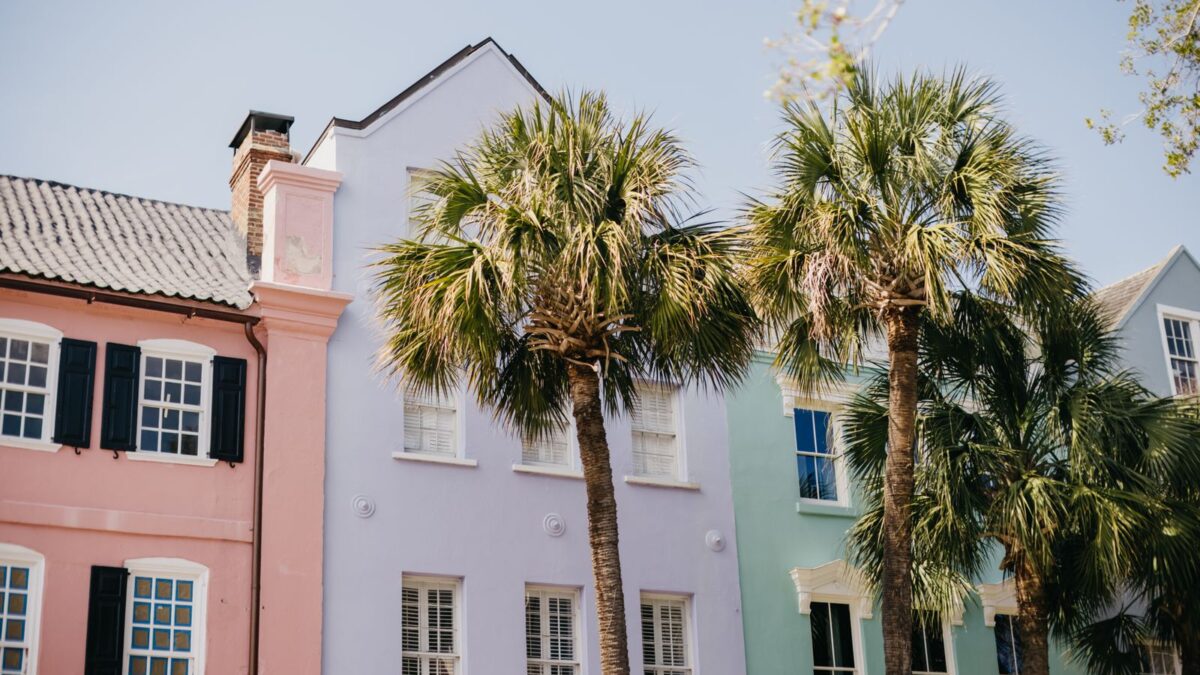
Retiring in Charleston sells itself at sunset: pastel rowhouses on Rainbow Row, shrimp boats in Shem Creek, January afternoons warm enough for golf. The real question in 2026 isn’t whether Charleston is beautiful — it’s whether a retiree’s budget can handle the beauty. With the city’s median home listing at $616,250 and South Carolina offering some of the friendliest retirement tax breaks in the Southeast, the math is more complicated than the postcard suggests. This guide lays out the real numbers — housing, taxes, healthcare, climate, and safety — so you can decide.
Retiring in Charleston: Why It Keeps Topping Retiree Lists
Charleston didn’t become a retirement magnet by accident. The city of roughly 150,000 anchors a metro of more than 800,000 across three counties — small-city charm with big-metro infrastructure: an international airport, the Medical University of South Carolina (MUSC), and an outsized food scene. The historic peninsula was built before cars, and many retirees in downtown and the Old Village go days without driving.
Culture matters in retirement, and Charleston delivers: Spoleto Festival USA each spring, live music year-round, and kayaking, fishing, and sailing minutes from downtown. For active retirees, the Lowcountry lifestyle is the core selling point — and the question is what that lifestyle costs.
Charleston Housing Costs in 2026: Beautiful, But Not Cheap
Let’s be blunt: housing is Charleston’s dealbreaker or dealmaker. Realtor.com’s September 2026 data puts the city median listing at $616,250 (median sold: $615,000), about $358 per square foot — roughly double the national median. Zillow agrees: median home value $591,821, average rent $2,312 a month.
Some relief: the broader metro median fell to $480,000 in August 2026 (down 5% year over year), active listings rose 8.1%, and nearly 28% of sellers cut prices — real negotiating room for the first time in years.
Budget-conscious retirees should look at North Charleston (median listing $365,000) or Summerville and Goose Creek, where your dollar stretches 30–40% further than on the peninsula. One cost retirees consistently underestimate: homeowners insurance, which local relocation specialists put at roughly $5,700 a year for $400,000 of coverage — about 2.3 times the national average — with flood insurance as a separate bill in low-lying zones.
South Carolina Taxes: A Genuine Win for Retirees
South Carolina’s tax code is notably kind to older residents:
- Social Security is fully exempt from state income tax (S.C. Code § 12-6-1120(4)).
- Retirement income deduction: taxpayers 65 and older can deduct up to $15,000 of other retirement income — pensions, IRA and 401(k) withdrawals — while those under 65 can deduct up to $3,000 (SC Department of Revenue).
- Low income-tax rates: the graduated state rate runs just 1.99% to 5.21%.
- Homestead exemption: at 65, the first $50,000 of your home’s fair market value is exempt from property taxes, and owner-occupied homes are assessed at a favorable 4% ratio.
- Military retirement pay is fully exempt.
The offset: a 6% state sales tax (about 7.68% combined on average) and high property-insurance premiums. But for a retiree living mostly on Social Security plus modest IRA withdrawals, the state income-tax bill can approach zero.
Healthcare: The Best Hospitals in South Carolina Are Here
Healthcare access is a top-three retirement criterion, and it’s one of Charleston’s strongest cards. In 2026, MUSC Health-University Medical Center was named the No. 1 hospital in South Carolina by U.S. News & World Report for the 12th consecutive year, with cancer, neurology, and urology programs among the nation’s top 100. Founded in 1824, MUSC is the state’s only comprehensive academic health system, and Roper Hospital ranks third statewide. The metro also has a deep bench of specialists and 55+ communities in Summerville, Mount Pleasant, and Daniel Island with on-site wellness programming.
Climate and Weather: Mild Winters, Serious Summers
Charleston’s humid subtropical climate has honest trade-offs. NOAA data shows an annual average around 65°F: summer highs near 90°F with heavy humidity June through September, winter lows near 40°F. The city gets roughly 50 inches of rain a year, concentrated in summer thunderstorms.
The real weather risk is hurricane season (June 1 through November 30). Charleston faces a meaningful hurricane threat roughly once every 6–15 years, and “sunny day” tidal flooding is getting more frequent. Retirees should budget for flood insurance, know their evacuation zone, and favor elevated construction.
How Safe Is Charleston for Retirees?
On safety, Charleston is reassuringly ordinary. FBI Uniform Crime Reporting data for 2024 shows a violent crime rate of 357.6 per 100,000 — about 0.4% below the national average. Property crime runs higher at 2,021.7 per 100,000 (about 15% above the national rate), driven largely by larceny in tourist-heavy areas. Standard precautions go a long way.
Best Charleston-Area Spots for Retirees
- Mount Pleasant: great medical access and a walkable town center — but the priciest option.
- Summerville: 30 minutes inland, more house for the money, lower flood risk, charming downtown.
- James Island: beach proximity without Isle of Palms prices.
- North Charleston / Park Circle: the value play, with a fast-improving restaurant scene.
- Daniel Island: master-planned, golf-cart friendly, purpose-built for active adults.
Verdict: Is Retiring in Charleston Worth It in 2026?
Worth it if: you have $500K+ in home equity or comfortable retirement income, want walkable history and culture, and need excellent healthcare nearby. The tax treatment genuinely softens the cost blow.
Think twice if: you’re on a fixed income under ~$60K or can’t stand hot summers. In that case, our guides to retiring in Asheville, NC and retiring in Knoxville may fit better.
Charleston isn’t the cheapest place to retire. It’s one of the most rewarding — if you can afford the ticket.
Frequently Asked Questions About Retiring in Charleston
Is Charleston, SC a good place to retire in 2026?
Yes, for retirees who can afford it: no state tax on Social Security, a $15,000 retirement-income deduction at 65+, the No. 1 hospital in South Carolina, and mild winters. Drawbacks: high housing costs, expensive insurance, and hurricane risk.
How much does it cost to retire in Charleston, SC?
A single retiree should budget roughly $3,500–$5,000 per month. The median home listing is $616,250 in the city (about $480,000 metro-wide), median rent is around $2,229, and homeowners insurance runs roughly 2.3 times the national average.
Does South Carolina tax Social Security benefits?
No. Social Security is fully exempt (S.C. Code § 12-6-1120(4)), and retirees 65+ can deduct up to $15,000 of other retirement income.
What is the best area of Charleston for retirees?
Mount Pleasant and Daniel Island are the most popular for active adults thanks to healthcare access, walkability, and amenities. Summerville offers the best value with lower flood risk and prices 30–40% below the peninsula. James Island is the pick for beach lovers on a budget.
Is Charleston prone to hurricanes?
Yes. Hurricane season runs June 1 to November 30, with a meaningful threat roughly once every 6–15 years (NOAA). Retirees should carry flood insurance and know their evacuation zone.
How is healthcare for seniors in Charleston?
Excellent. MUSC Health-University Medical Center has been ranked No. 1 in South Carolina for 12 straight years by U.S. News & World Report, and Roper Hospital ranks third statewide.
Is Charleston safe for retirees?
Reasonably. The city’s 2024 violent crime rate (357.6 per 100,000) sits just below the national average, though property crime runs about 15% above it, concentrated in tourist areas. Suburbs like Mount Pleasant, Daniel Island, and Summerville are notably quieter.
What is the property tax situation for retirees in Charleston?
Owner-occupied homes are assessed at 4% of value, and the homestead exemption removes the first $50,000 of fair market value from property taxes for homeowners 65 and older.