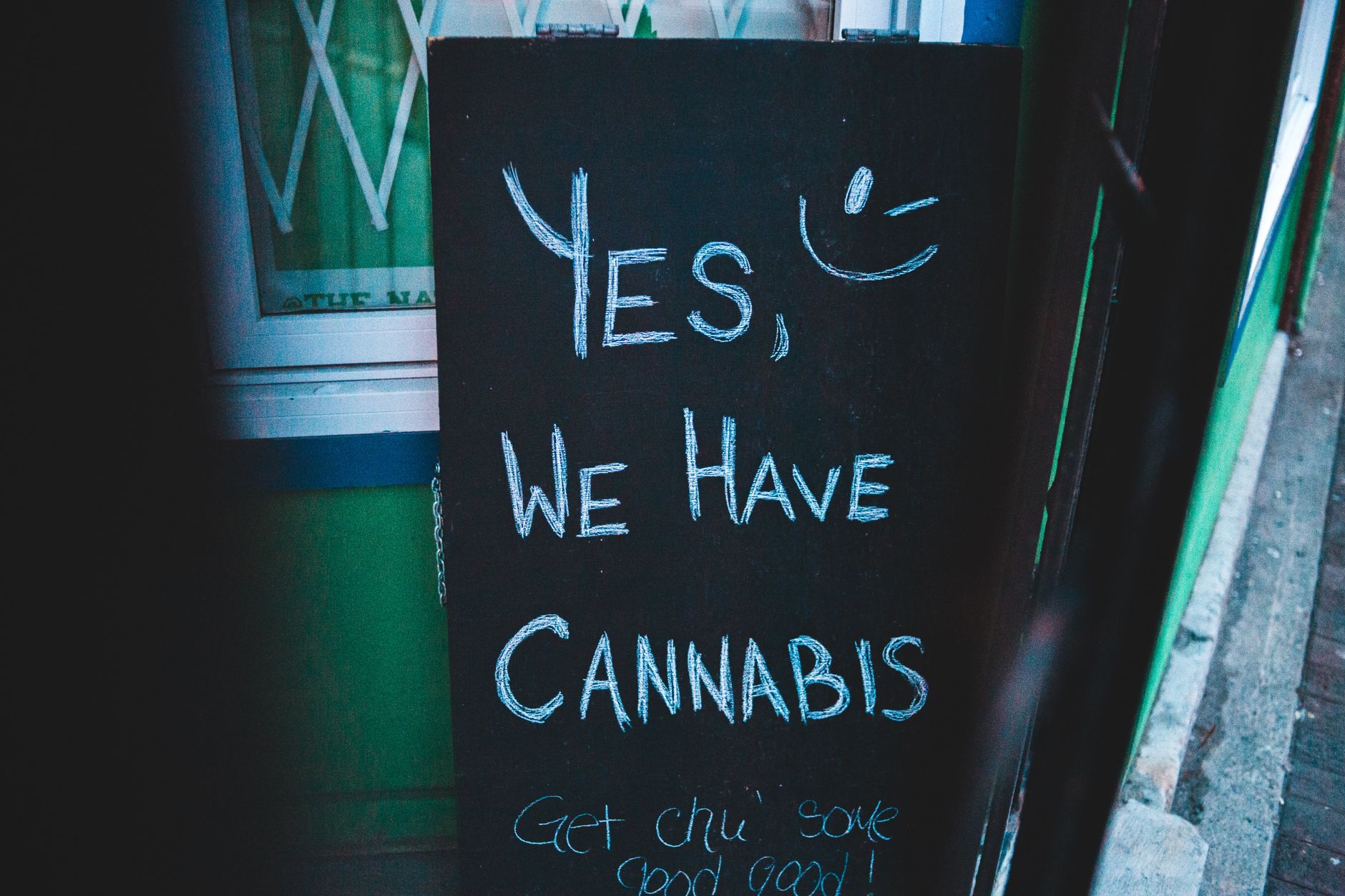
How Smoking Weed Is Boosting the Economy of This Oregon State City
Smoking weed is boosting the economy of this Oregon state city in ways that once seemed far-fetched to skeptics of cannabis legalization. Since Oregon voters approved recreational marijuana in 2014, select cities across the state have watched their local economies transform thanks to cannabis tax revenue, dispensary growth, and marijuana tourism. The economic ripple effects are real, measurable, and worth understanding for anyone curious about how cannabis policy shapes community finances.
Table of Contents
- How Smoking Weed Is Boosting the Economy of This Oregon State City
- Oregon's Cannabis Legalization: A Brief Background
- Which Oregon City Is Seeing the Biggest Cannabis Economic Boost?
- The Numbers Behind Cannabis Tax Revenue in Oregon
- Jobs and Business Growth Driven by the Cannabis Industry
- Cannabis Tourism and Its Impact on Hospitality Revenue
- Challenges and Criticisms of the Cannabis Economy
- What This Means for Oregon's Broader Economic Future
- Conclusion
- Frequently Asked Questions
- Key Takeaways
- Oregon’s legal cannabis market generates millions in annual tax revenue that flows back to cities and counties.
- Dispensaries and cannabis-adjacent businesses create local jobs across retail, logistics, agriculture, and marketing sectors.
- Cannabis tourism draws visitors from prohibition states, boosting hospitality, dining, and retail spending.
- Tax funds from marijuana sales help pay for public safety, housing programs, and mental health services.
- The economic benefits are uneven — not every Oregon city has opted into recreational cannabis sales.
Oregon’s Cannabis Legalization: A Brief Background
Oregon was among the first states in the nation to legalize recreational cannabis use for adults 21 and older. Measure 91 passed in November 2014 and retail sales to the public began in 2015. The state established a regulatory framework through the Oregon Liquor and Cannabis Commission, which oversees licensing, testing, and taxation of marijuana products.
Critically, Oregon law allows individual cities and counties to decide whether to permit cannabis retail operations within their boundaries. This local-option model means that the economic benefits of legal weed have been concentrated in cities that chose to embrace the industry — and those communities have seen notable financial gains.
Which Oregon City Is Seeing the Biggest Cannabis Economic Boost?
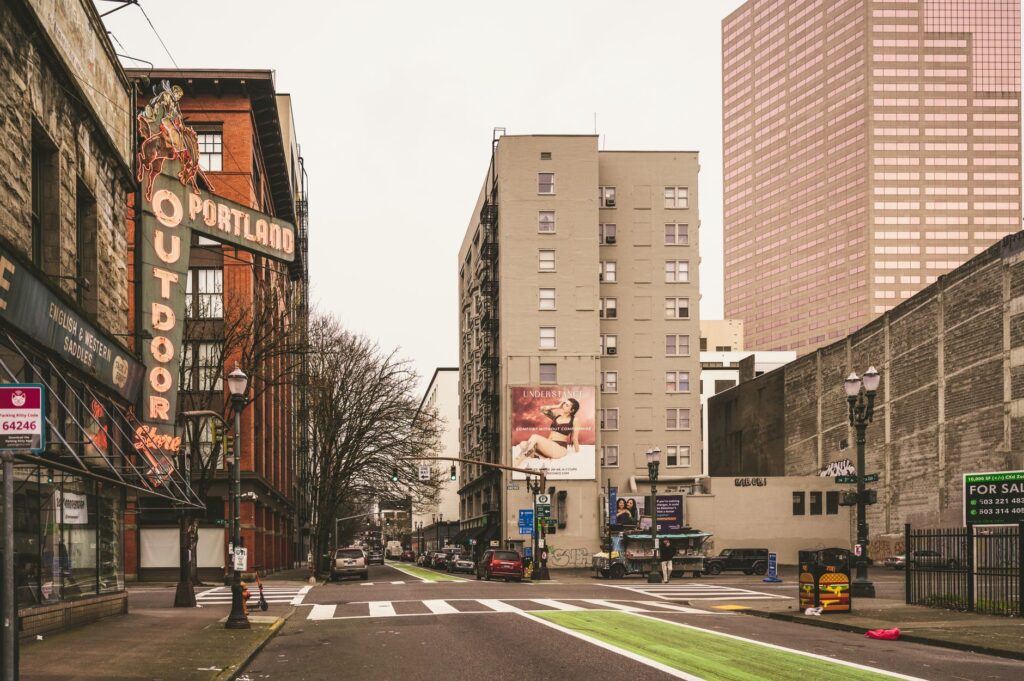
Portland, as Oregon’s largest city, has become the most visible example of how cannabis commerce can integrate into a local economy. The metro area hosts hundreds of licensed dispensaries, cultivators, and processors, making cannabis one of the city’s distinguishing commercial sectors. Smaller cities like Eugene, Bend, and Medford have also captured significant cannabis revenue.
Eugene, home to the University of Oregon, has built a cannabis retail corridor that draws both residents and out-of-state visitors. Bend, a popular outdoor tourism destination in Central Oregon, has leveraged its tourist-friendly atmosphere to attract cannabis consumers who combine recreational activities with dispensary visits. In each case, the local government collects a cannabis tax that supplements general fund revenues.
Medford in Southern Oregon is another standout. Situated near the California border, Medford benefits from cross-border shoppers who travel north specifically to purchase cannabis legally. This border-tourism effect contributes to hotel stays, restaurant meals, and retail spending that extend well beyond the dispensary itself.

The Numbers Behind Cannabis Tax Revenue in Oregon
Oregon imposes a state cannabis tax, and cities that permit retail sales can levy an additional local tax on top of that. This layered tax structure means municipalities that opt into cannabis sales collect meaningful recurring revenue without raising general property or income taxes on residents.
Cannabis tax dollars in Oregon have been directed toward a range of public priorities, including mental health and addiction services, public school funding, state police operations, and local infrastructure. Cities often allocate their share of local cannabis taxes to community-specific needs, giving local governments flexibility to address pressing issues.
It is worth noting that cannabis revenues can fluctuate with market conditions. Oregon has historically seen periods of oversupply that pushed wholesale prices down, compressing margins for producers and processors. Retail sales have nonetheless remained strong, keeping tax receipts relatively stable even during industry downturns.
Jobs and Business Growth Driven by the Cannabis Industry
One of the most direct ways that smoking weed is boosting the economy of this Oregon state city is through employment. Licensed cannabis businesses must hire locally — cultivators need farm workers, trimmers, and irrigation specialists; dispensaries employ budtenders, managers, and security personnel; processors and extraction labs require lab technicians and compliance officers.
Beyond direct cannabis jobs, the industry supports a wide ecosystem of ancillary businesses. Packaging suppliers, commercial real estate landlords, accountants familiar with cannabis tax law, marketing agencies, and testing laboratories all benefit from the industry’s growth. This multiplier effect means that cannabis spending circulates through the broader local economy far beyond the dispensary counter.
- Retail dispensary staff (budtenders, managers, security)
- Cultivation and harvest workers
- Lab technicians for product testing and extraction
- Commercial real estate leasing for cannabis facilities
- Logistics and delivery services
- Marketing, legal, and accounting professionals specializing in cannabis
Just as economic forces can uplift certain communities, they can also leave others behind. If you’re interested in how different economic conditions shape American cities, consider reading about this Connecticut city that has the highest poverty rate in the state, which illustrates how dramatically local economies can diverge.
Cannabis Tourism and Its Impact on Hospitality Revenue
Oregon’s reputation as a cannabis-friendly state has made it a destination for travelers from states where marijuana remains illegal or heavily restricted. Cannabis tourism is a genuine economic phenomenon, with visitors planning trips specifically to experience legal dispensaries, cannabis-friendly accommodations, and curated consumption experiences.
Hotels, short-term rentals, restaurants, and entertainment venues all benefit from this visitor spending. Cities like Bend and Portland have seen boutique hotels market cannabis-adjacent amenities as a draw. Guided cannabis tours, consumption lounges, and pairing events with local craft beverages have emerged as niche hospitality offerings that set Oregon apart from other destinations.
The tourism connection also helps diversify the local economy. Rather than relying on a single industry, cities with robust cannabis tourism spread economic activity across hospitality, food service, retail, and recreation — creating a more resilient economic base. This diversification mirrors patterns seen in other cities where a single economic driver — whether a major employer or a specific industry — reshapes local opportunity, much like how this Illinois city has seen salary levels shift dramatically by profession.

Challenges and Criticisms of the Cannabis Economy
The economic benefits of legal cannabis are real, but they come alongside legitimate challenges that policymakers and residents must navigate. Banking access remains a significant problem for cannabis businesses at the federal level, as most national banks refuse to serve marijuana companies due to federal prohibition. This forces many dispensaries to operate as cash-heavy businesses, creating security risks and accounting complications.
Equity concerns have also emerged. Early cannabis licensing processes in some Oregon cities disadvantaged applicants from communities most harmed by past drug enforcement. Advocates have pushed for social equity licensing programs that lower barriers for minority-owned businesses and individuals with prior cannabis convictions.
Market saturation is another real challenge. Oregon licensed so many cultivators and retailers in its early years that wholesale prices collapsed, squeezing small producers. While consumers benefited from lower retail prices, many small farms struggled to stay solvent. Regulatory adjustments have been ongoing to address this imbalance.
Community concerns about retail density, visibility of cannabis shops near schools, and the social implications of normalized cannabis use have prompted some cities to impose caps on the number of licensed dispensaries permitted per zone. Balancing economic opportunity with community values is an ongoing local governance challenge.
What This Means for Oregon’s Broader Economic Future
The cannabis industry’s economic contribution in Oregon is no longer experimental — it is an established part of the state’s commercial landscape. Cities that opted into legal cannabis sales early have had years to refine their regulatory frameworks and direct tax revenues toward measurable community improvements.
Looking ahead, the industry’s role will likely evolve as federal cannabis policy continues to develop. Potential federal rescheduling or legalization could dramatically change the banking, taxation, and interstate commerce landscape for cannabis businesses, which would reshape local economic dynamics in Oregon and beyond. For context on how local political battles can define a city’s economic trajectory, the story of this Arkansas state city that became a battleground in the Republican vs. Democrat 2024 war illustrates how policy decisions made at the political level ripple into everyday economic life.
Oregon cities that have benefited from cannabis revenue would be wise to treat it as a supplement to — rather than a replacement for — diversified economic development strategies. Revenue from cannabis taxes can fund meaningful public services, but long-term prosperity depends on a broad economic base.
Frequently Asked Questions
Which Oregon city benefits most from cannabis tax revenue?
Portland, as Oregon's largest city, captures the most total cannabis revenue due to its large number of licensed dispensaries and high population. However, smaller cities like Bend, Eugene, and Medford also see significant per-capita economic benefits, particularly through cannabis tourism from neighboring states.
How does Oregon use cannabis tax money at the local level?
Oregon distributes cannabis tax revenue to state programs covering mental health, addiction treatment, public schools, and law enforcement. Cities that levy their own local cannabis tax can direct those funds to community-specific priorities such as housing assistance, infrastructure, or public safety.
Does every city in Oregon allow cannabis dispensaries?
No. Oregon law gives individual cities and counties the ability to opt out of allowing recreational cannabis retail within their boundaries. Many rural and more conservative municipalities have chosen to prohibit dispensaries, which means the economic benefits of legal cannabis are concentrated in cities that opted in.
What kinds of jobs does the cannabis industry create in Oregon?
The Oregon cannabis industry creates jobs across cultivation, retail, processing, lab testing, logistics, and compliance. Ancillary sectors such as commercial real estate, accounting, marketing, and packaging also see employment growth tied to the cannabis industry's expansion.
Is cannabis tourism a significant economic factor for Oregon cities?
Yes, cannabis tourism is a real and growing contributor to Oregon's local economies, especially in destination cities like Bend and Portland. Visitors from states where marijuana remains illegal travel to Oregon specifically to visit dispensaries, which drives additional spending on hotels, restaurants, and other local businesses.
Conclusion
Smoking weed is boosting the economy of this Oregon state city through a combination of tax revenue, job creation, tourism spending, and business ecosystem growth. Oregon’s approach to cannabis regulation has provided a working model for how legal marijuana can become a genuine economic asset when managed thoughtfully at the local level. The benefits are clearest in cities that embraced the industry early and channeled tax dollars into community priorities. While challenges around banking, equity, and market stability remain, the overall economic story of cannabis in Oregon is one of meaningful, if complex, growth. Understanding this dynamic offers valuable insight into how shifting policies can reshape the financial health of American cities in unexpected and lasting ways.