Knowing how to cool down a dog when temperatures rise is one of the most important skills any dog owner can have. Dogs can overheat quickly, and unlike humans, they can’t sweat efficiently — they rely mainly on panting and limited sweating through their paw pads. Acting fast with the right techniques can prevent serious heat-related illness and even save your dog’s life.
Table of Contents
- Why Dogs Struggle to Regulate Heat
- Warning Signs of Overheating in Dogs
- How to Cool Down a Dog When Temperatures Rise: Step-by-Step
- Practical Tools That Help Cool Down a Dog
- How to Cool Down a Dog When Temperatures Rise During Outdoor Activities
- Dogs in Cars: A Dangerous Combination With Heat
- Preventing Overheating Before It Starts
- When to Call a Vet
- Conclusion
- Frequently Asked Questions
- Key Takeaways
- Dogs can develop heatstroke within minutes on a hot day, especially in direct sunlight or a parked car.
- Cooling should be gradual — using ice-cold water or ice directly on a dog can cause shock.
- Fresh water, shade, and airflow are your first lines of defense in hot weather.
- Certain breeds, ages, and health conditions make some dogs far more vulnerable to heat.
- Always seek veterinary attention if you suspect your dog has heatstroke, even after cooling them down.
Why Dogs Struggle to Regulate Heat
Dogs are far less efficient at cooling themselves than humans. While people sweat across most of their body surface, dogs primarily cool themselves through panting, which evaporates moisture from their tongues and respiratory tracts. This process is much slower and less effective, especially in humid conditions where evaporation is limited.
Some dogs are at much higher risk than others. Flat-faced (brachycephalic) breeds like Bulldogs, Pugs, and French Bulldogs have narrowed airways that make panting even less effective. Senior dogs, puppies, obese dogs, and those with heart or breathing conditions are also especially vulnerable. Knowing your dog’s risk level helps you take precautions before the heat becomes dangerous.
Warning Signs of Overheating in Dogs
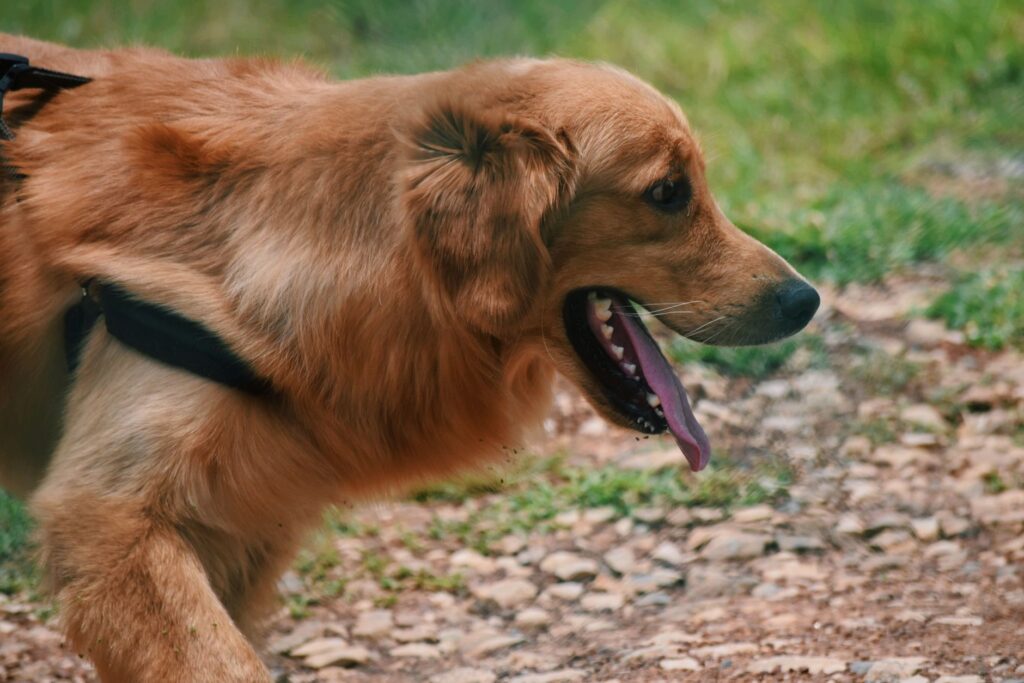
Recognizing the early signs of overheating is just as important as knowing how to respond. The sooner you spot a problem, the better the outcome for your dog.
- Excessive panting that seems heavier or faster than usual
- Drooling more than normal, sometimes with thick or sticky saliva
- Bright red or pale gums — both can indicate heat distress
- Lethargy or weakness, stumbling, or seeming disoriented
- Vomiting or diarrhea, which can signal serious heat illness
- Collapse or loss of consciousness — this is a medical emergency
If you notice any combination of these signs, start cooling your dog immediately and contact a veterinarian without delay.
How to Cool Down a Dog When Temperatures Rise: Step-by-Step
When your dog shows signs of overheating, moving quickly but carefully is essential. Follow these steps in order to safely bring your dog’s temperature down.
- Move to a cool area immediately. Get your dog out of direct sunlight and into shade or an air-conditioned space as fast as possible. Even a few degrees difference in environment can help rapidly.
- Offer cool (not ice-cold) water. Let your dog drink small amounts of cool water. Don’t force water into their mouth, and avoid ice water, which can cause blood vessels to constrict and actually slow cooling.
- Apply cool water to key areas. Wet your dog’s paw pads, groin, armpits, and neck with cool water using a cloth, sponge, or your hands. These areas have good blood flow close to the skin and respond well to cooling.
- Use a fan or gentle airflow. If indoors or near a vehicle, point a fan toward your dog after applying water. The moving air accelerates evaporation, which draws heat away from the body more effectively.
- Avoid wrapping in wet towels. A wet towel lying on a dog can actually trap heat rather than release it. Instead, keep re-wetting the coat or use a towel briefly to apply water and then remove it.
- Monitor closely and seek vet care. Check your dog’s gums and alertness every few minutes. Even if they seem to recover, a vet visit is strongly recommended after any significant overheating episode.
Practical Tools That Help Cool Down a Dog
Several products are designed specifically to help manage dog body temperature in warm weather. While none of them replace shade and water, they can be useful additions to your routine.
Cooling Mats
Cooling mats use pressure-activated gel or water-filled materials to draw heat away from your dog’s body as they lie down. They can be used indoors or outdoors and don’t require refrigeration. Place one in your dog’s favorite resting spot when temperatures climb.
Cooling Vests and Bandanas
Cooling vests work by being soaked in water, then worn by your dog. As the water evaporates from the vest, it carries heat away from the body. Cooling bandanas work similarly on a smaller scale. These are especially useful during outdoor activity or walks in warm weather.
Kiddie Pools
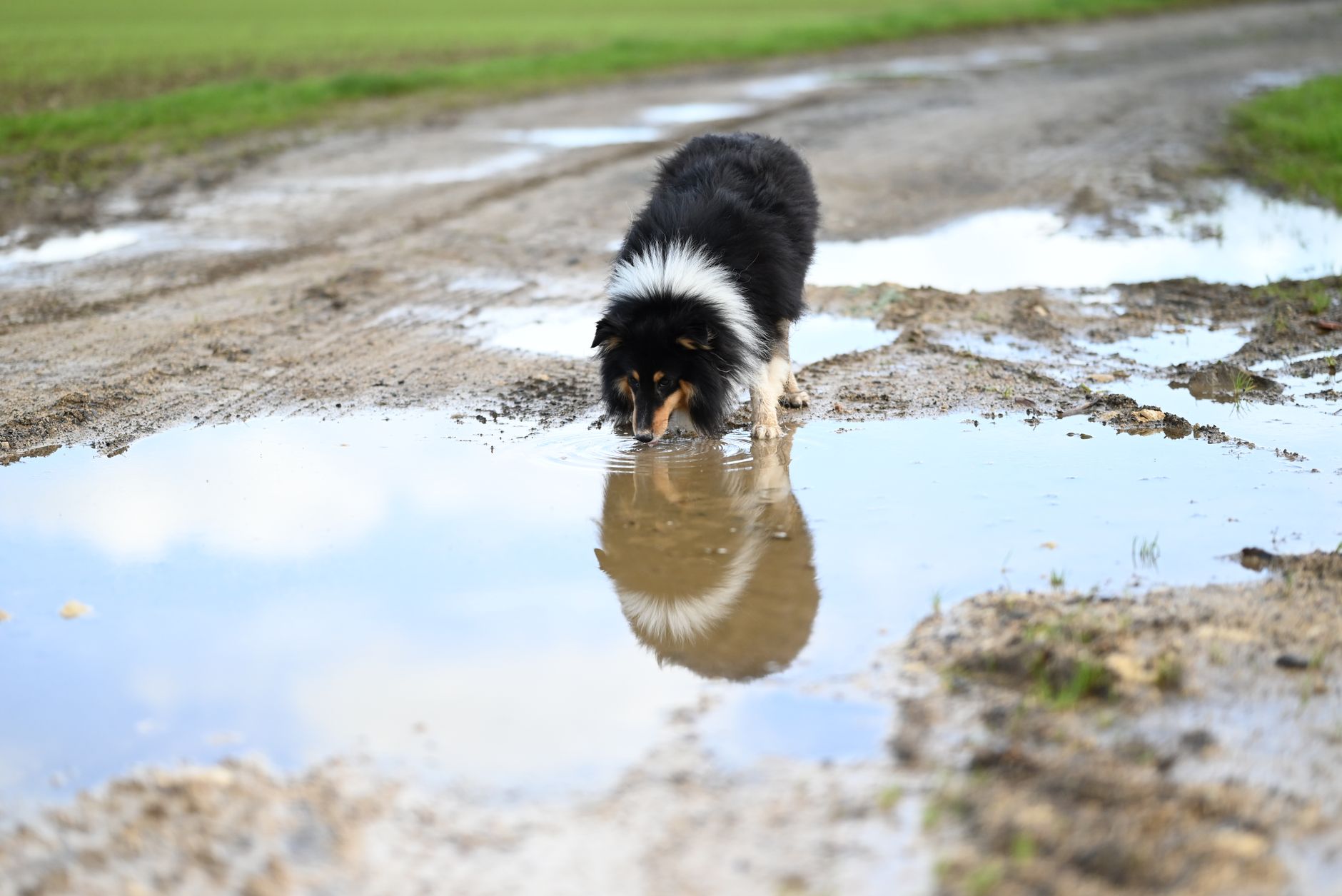
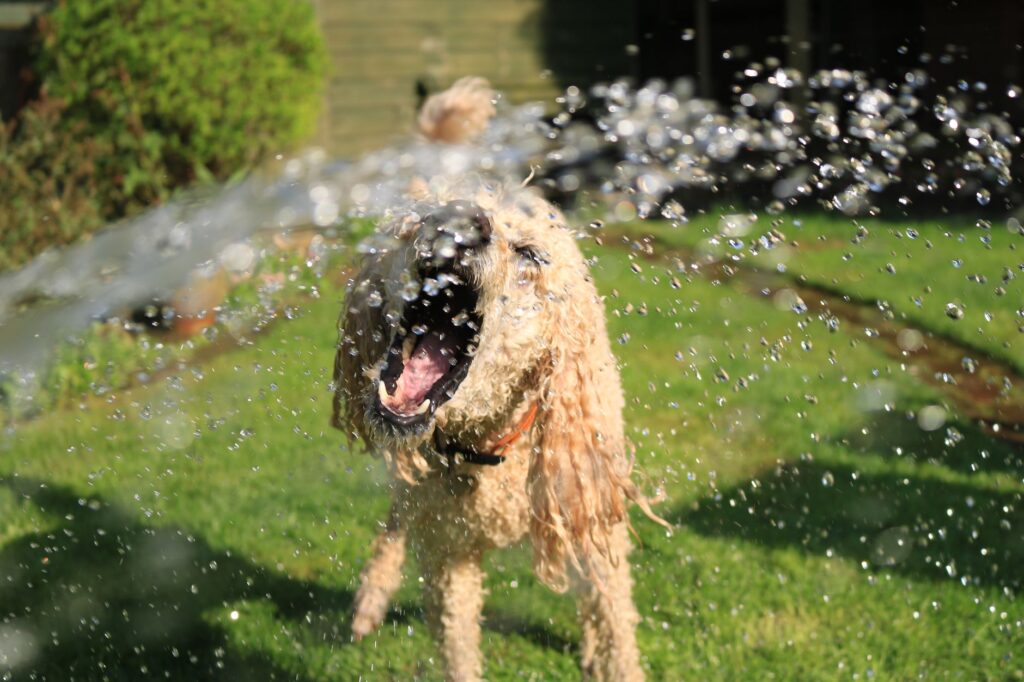
A shallow plastic pool filled with cool water gives your dog a place to wade and soak their paws. Many dogs enjoy splashing around, and even partial submersion in cool water can make a significant difference during hot afternoons. Keep the water fresh and clean it regularly.
How to Cool Down a Dog When Temperatures Rise During Outdoor Activities
Outdoor time doesn’t need to stop in warm weather — it just needs to be managed more carefully. Timing, location, and preparation all matter when exercising your dog in the heat.
Walk your dog during the cooler parts of the day: early morning or evening after sunset. Midday and early afternoon are the most dangerous times, with pavement temperatures sometimes far exceeding air temperatures. Hot asphalt can burn paw pads within seconds, adding injury to heat stress.
If you visit a dog park or beach area, look for locations with natural shade, access to water, and opportunities for your dog to rest. Resources like the best local dog parks across the United States can help you find well-maintained parks with proper amenities for warm-weather visits. For coastal trips, check out options like the guide to Jupiter Beach Off Leash, which covers what facilities and conditions to expect before you go.
Always carry fresh water and a portable bowl on any outing. Don’t rely on finding water when you arrive — plan ahead and bring more than you think you’ll need.
Dogs in Cars: A Dangerous Combination With Heat
Leaving a dog in a parked car — even briefly and even with windows cracked — is extremely dangerous in warm weather. Car interiors heat up far faster than outdoor air temperatures, reaching life-threatening levels within minutes. On a moderately warm day, interior temperatures can rise dramatically in a very short time.
If you cannot bring your dog inside your destination, it is far safer to leave them at home in a cool environment. If you see a dog locked in a hot car showing signs of distress, be aware of local laws regarding intervention, and contact emergency services immediately.
Preventing Overheating Before It Starts
Prevention is always better than treatment when it comes to heat-related illness in dogs. Building good habits during warm months dramatically reduces risk.
- Keep fresh, cool water available at all times — indoors and outdoors.
- Provide shaded areas in your yard using trees, umbrellas, or shade cloth.
- Avoid strenuous exercise during peak heat hours (typically 10 a.m. to 4 p.m.).
- Groom your dog regularly — a matted coat traps heat, while a well-maintained coat can actually provide insulation from external heat.
- Consider indoor enrichment activities on extreme heat days rather than outdoor exercise.
- Check on older dogs and those with health conditions more frequently in warm weather.
When to Call a Vet
Some situations go beyond basic first aid. If your dog collapses, loses consciousness, has seizures, or doesn’t show improvement after 10 minutes of active cooling, call an emergency veterinary clinic immediately. Even dogs that appear to recover fully may have suffered internal effects — particularly to the kidneys, liver, or brain — that are not visible from the outside.
Don’t delay veterinary care because your dog “seems fine now.” Internal organ damage from heatstroke can develop hours after the initial episode, so professional evaluation is always the right call after any serious overheating event.
Frequently Asked Questions
How quickly can a dog overheat on a hot day?
Dogs can begin showing signs of overheating within minutes of being exposed to high temperatures, especially in enclosed spaces like parked cars or in direct sunlight. Flat-faced breeds and older dogs can reach dangerous temperatures even faster. Always monitor your dog closely whenever temperatures are elevated.
Can I use ice or ice water to cool down an overheated dog?
Using ice or ice-cold water is not recommended because it can cause blood vessels near the skin to constrict, which actually slows down the cooling process and can cause shock. Instead, use cool — not cold — water applied to the paws, groin, and neck. Gradual cooling is always safer than rapid temperature drops.
What temperature is too hot for a dog to be outside?
There is no single safe temperature that applies to all dogs, as breed, size, age, and health all affect heat tolerance. As a general guide, extra caution is needed when air temperatures exceed around 80°F (27°C), especially with high humidity. Always watch for signs of discomfort and limit activity during the hottest parts of the day.
How do I know if my dog has heatstroke versus just being hot?
A dog that is simply hot may pant heavily but remain alert and responsive, and will cool down with water and shade fairly quickly. Heatstroke signs include disorientation, vomiting, collapse, very red or pale gums, and failure to improve after initial cooling. If in doubt, treat it as a potential heatstroke and contact a vet.
Are certain dog breeds more at risk of overheating?
Yes — brachycephalic (flat-faced) breeds such as Bulldogs, Pugs, and Shih Tzus are at higher risk because their anatomy makes panting less effective. Large breeds, heavily coated dogs, obese dogs, senior dogs, and puppies are also more vulnerable. These dogs need extra monitoring and more proactive cooling measures in warm weather.
Conclusion
Understanding how to cool down a dog when temperatures rise is a skill that every dog owner should have ready before warm weather arrives. By recognizing warning signs early, acting with cool water and airflow, choosing the right times and places for outdoor activity, and knowing when to call a vet, you give your dog the best possible chance of staying safe and comfortable all summer long. Preparation, shade, and fresh water are your greatest tools — use them consistently, and your dog will thank you for it.