
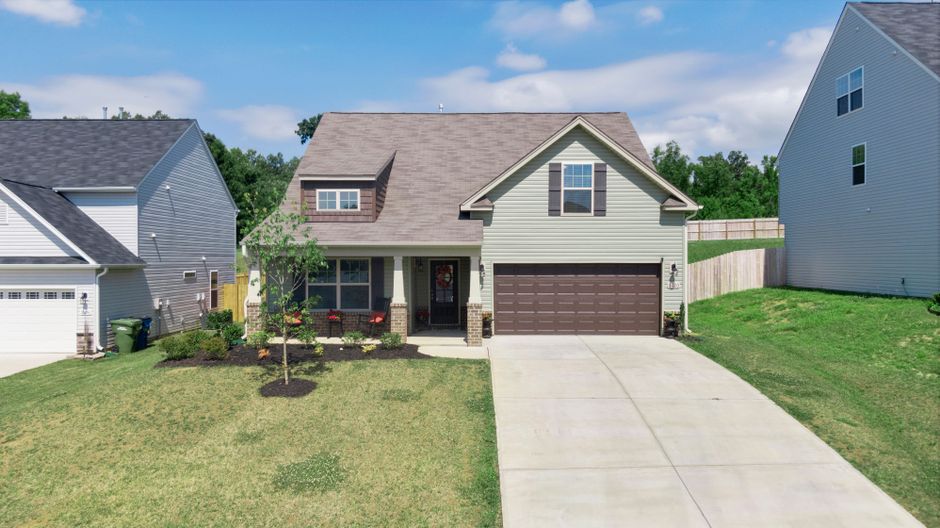
I rolled into Charlotte on a mild afternoon in March, the kind of weather that makes you immediately understand why people consider moving here for their later years. The city's got energy—cranes dotting the skyline, neighborhoods full of people who seem to actually know their neighbors, and a pace that doesn't feel frantic like some retirement hotspots I've visited. But energy and pleasant weather aren't retirement plans. After spending time here and talking to people who've already made the move, I found Charlotte's retirement pitch is more complicated than the casual newcomer might think.
Charlotte has become a genuine draw for retirees, especially those looking to escape the Northeast or Midwest. North Carolina's tax structure, the decent healthcare infrastructure, and the sheer availability of housing stock at various price points all play a role. But there's no one Charlotte—the neighborhoods vary wildly, and whether you'll thrive here depends entirely on what you're actually looking for in retirement.
The Cost of Living Story
Charlotte isn't cheap anymore, though it's still cheaper than most coastal metros. A decent one-bedroom apartment in walkable areas like South End or Plaza Midwood runs $1,400 to $1,800 a month. If you're looking to buy, median home prices have climbed—expect $350,000 to $450,000 for a solid three-bedroom in decent neighborhoods. The farther out you go, the more inventory you find at lower prices, but then you're driving everywhere.
Groceries and dining are reasonable. A basic meal out costs what you'd pay anywhere in the mid-Atlantic. Utilities run about what you'd expect for a warm climate with decent humidity—air conditioning drives the summer bills up. The real expense relief comes if you own your home outright by retirement. Those with mortgages still lingering should factor that in hard.
Compare Charlotte to similar-sized cities trying to lure retirees—Asheville's gotten pricier, Raleigh's not cheaper, and you're looking at significantly more money in Florida's coastal areas. Charlotte occupies a middle ground that works if you've got moderate retirement savings but won't drain your accounts.
Healthcare Access and Quality
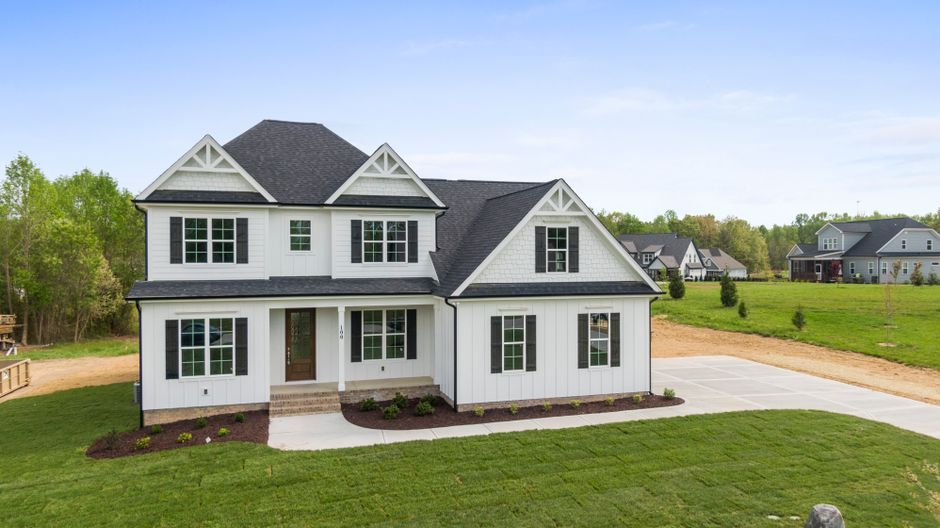
Novant Health and Atrium Health dominate the medical landscape here. Both systems have invested heavily in the city, and you'll find decent specialists, modern facilities, and generally good reviews from people I've talked to. Novant's headquarters is actually in Winston-Salem, but they've got substantial Charlotte operations. Atrium's the larger local presence.
That said, this isn't a major medical research hub like Boston or Rochester. If you need cutting-edge treatment for something rare, you might end up traveling to Duke or UNC in the Triangle, or flying elsewhere. For standard retirement medicine—managing diabetes, heart conditions, joint issues, cancer treatment—the care is solid.
Medicare works normally here. The number of practices accepting new Medicare patients varies by neighborhood, so if you're considering a move, you'll want to check this before committing. The city's got a growing geriatric care community, which is useful. Long-term care facilities exist across various price points, though quality varies considerably.
Weather and Getting Around
Charlotte's subtropical enough that you avoid real winters, but not subtropical enough that you never need a jacket. January averages in the mid-40s. July hits the low 90s and gets humid—not Alabama humid, but sticky enough that you'll run your AC. If you're retiring from the Northeast, this'll feel like a significant upgrade. If you're coming from Arizona, you'll notice the moisture.
Severe weather is rare. A hurricane might graze the area every few years, but direct hits are uncommon. Ice storms happen maybe once a winter. The trade-off is summer thunderstorms, which can be intense but pass quickly.
Transportation is the sticking point. Charlotte's sprawling, and public transit (CATS) covers limited routes. If you're planning to give up driving, you'll be confined to specific neighborhoods or heavily dependent on rideshare and taxis. Places like South End and uptown have walkable portions, but most of the metro area requires a car. This matters for retirement—you need to be honest about whether you're comfortable driving as you age.

Tax Considerations
North Carolina taxes Social Security income at the state level, which isn't ideal for retirees. Federal taxes still apply too. The state income tax rate is a flat 4.99 percent, which is reasonable but worth understanding upfront. Property taxes are moderate—around 0.84 percent of home value statewide, though rates vary by county.
There's no sales tax exemption for groceries, which is worth noting if you're on a fixed income. Sales tax statewide is 4.75 percent, but counties add local options, so your total might be 6 to 7 percent depending on where you're shopping.
I'd caution against weighing Charlotte's retirement appeal too heavily on tax savings. The tax situation is fine, not exceptional. If zero income tax is essential to your plan, Florida and Texas still win. North Carolina is middle-of-the-road, which means it's neither a hook nor a dealbreaker.
South End: Walkable but Pricey
South End has become Charlotte's most consciously developed neighborhood, with restored warehouses converted to lofts, an arts district, restaurants, and breweries. It's the neighborhood where you see affluent retirees who deliberately chose urban living—people who want walkability and engagement, not a condo in a retirement community.
The trade-off is cost. Lofts and townhomes here easily run $400,000 to $600,000. Rents for apartments approach $2,000. But if you don't want to drive to dinner, don't want to be isolated, and enjoy being around younger professionals and artists, South End delivers. The neighborhood has good restaurants, actual street life, and the kind of density that makes getting around without a car realistic.
Healthcare access is decent, with Atrium facilities nearby. It's gentrified aggressively over the past decade, and it's still changing. If you move here, understand you're in a neighborhood that's fundamentally marketing itself to younger, wealthier people. Retirees here are usually intentional about that choice.
Ballantyne: Suburban Stability
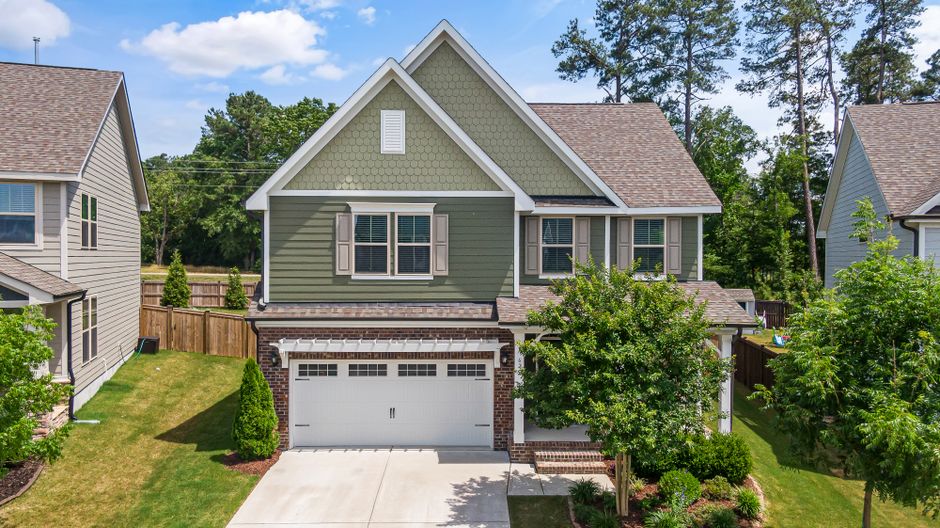
South of the city center, Ballantyne is master-planned suburban retirement—golf courses, nice commercial corridors, planned communities with HOAs, and a lot of people in the 55-to-75 age range. Homes are newer, communities are organized, and shopping is convenient. It feels designed for exactly the demographic considering retirement.
Costs here run $350,000 to $500,000 for homes, with many communities offering golf and social amenities built into HOAs. The trade-off is that it's decidedly car-dependent, and the culture is thoroughly suburban—not walkable, not particularly artsy or bohemian. If you want golf, planned activities, and a neighborhood where retirement is the actual target market, this works. If you're looking for spontaneity or urban energy, you'll be bored.
Novant Health facilities are accessible from Ballantyne, and the neighborhood's proximity to the airport is a plus if you travel. Schools are excellent (relevant if you have grandkids visiting), and crime is low. It's stable, predictable, and for a lot of people, that's exactly what retirement should be.
Davidson and the Suburbs North: Quieter Options
Davidson, about 30 minutes north of uptown, is a college town (Davidson College) with that attendant mix of education, arts, and a slower pace. It's more expensive than you might expect—home prices are solidly in the $400,000-plus range—but the vibe is genuinely different. You've got Main Street walkability, cultural offerings, and an intellectual atmosphere without Charlotte's development frenzy.
Cornell, also north, offers similar appeal at slightly lower prices. These areas attract the breed of retiree who doesn't want sprawl, values education and culture, and likes being around college-town energy. The downside is you're commuting into Charlotte proper for some medical specialists and services.
These towns are good if you're the type who actually uses a college's cultural calendar, enjoys book clubs and lectures, and wants neighbors who've retired from academic or professional careers. They're not for everyone. They're quieter, more conservative politically, and less diverse than Charlotte proper. But if that appeals to you, the trade-off—slightly less urban convenience for genuine walkability and cultural depth—might be worth it.
The Real Questions You Need to Answer
Charlotte's a legitimate retirement option, but not the universal fit some marketing suggests. Before moving, ask yourself: Can I afford the housing? Do I want to stay car-dependent, or do I need walkability? How important is being in a metro area versus a quieter college town? Am I healthy enough that moderate healthcare access is sufficient, or do I need world-class medical facilities nearby?
Visit for more than a weekend. Spend a week in summer so you experience the humidity. Drive the neighborhoods at different times of day. Talk to actual retirees—not relocation consultants. Charlotte works beautifully for people who want a mid-size city with energy, reasonable costs, and decent bones. It doesn't work for people expecting Florida-level tax savings or major-city healthcare infrastructure. Know which category you're in before you sign anything.



