I rolled into San Diego on a Tuesday afternoon with the kind of hunger that only comes after three days of road eating. The city's food scene has changed since I was last here — there's less of that dated fish-taco-and-Coronas energy and more actual ambition happening in smaller neighborhoods. The restaurants below are the ones I'd actually book again, places where the food justifies the hype and the vibe feels genuine rather than polished for Instagram.
I've tried to hit different price points and cuisines because the best meal in San Diego isn't always the most expensive one. Some of these spots are loud and crowded; others are quieter and easier to get into on a Tuesday. All of them have real downsides worth knowing about before you show up.
Juniper & Ivy for Modern American with California Ambition
Juniper & Ivy sits in Little Italy with floor-to-ceiling windows and the kind of kitchen-forward energy that justifies the price tag. Chef Richard Blais designed it to be more casual than fine dining, but the food is technical and deliberate. Order the pasta if they have it — I had a hand-rolled agnolotti that was worth the $28 entrée price alone — but honestly, half the fun is letting the kitchen surprise you with specials.
The wine list is thoughtful without being pretentious, cocktails are good, and the service moves you through smoothly without feeling rushed. Figure on $60–90 per person with drinks. The downside: it's popular enough that getting a walk-in table at dinner is nearly impossible, and the open-kitchen layout means conversation gets swallowed by the noise of pans and the soundtrack.
The Taco Stand for Breakfast and Late-Night Mexican
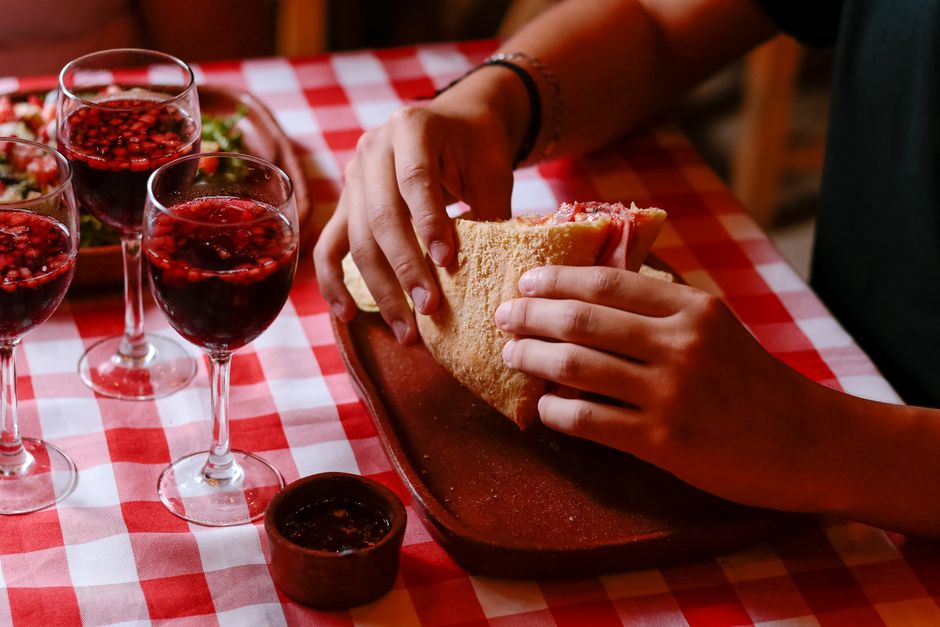
If you want to see how San Diego actually eats, come to The Taco Stand. It's a small counter operation with a handful of stools, the kind of place where regulars order in Spanish and tourists figure it out. The carnitas tacos are textbook — crispy, generous, finished with raw onion and cilantro. The chorizo and egg breakfast burrito will ruin you for chain breakfast burritos forever. Everything is under $6.
The vibe is casual and transient by design. There's no pretense, no branded napkins, no wait staff. You order at the register and eat standing up or on one of the stools if you're lucky. The downside is obvious: it's cramped, there's often a line (especially morning and late night), and if you're looking for a sit-down restaurant experience, keep moving.
George's at the Cove in La Jolla for Three Different Prices in One Building
George's is worth mentioning because it's actually three restaurants stacked vertically: Ocean Terrace on top (fine dining), The Cave in the middle (casual but still very good), and the taqueria downstairs (cheap and quick). I spent an afternoon bouncing between floors and learned that the middle option—The Cave—is the sweet spot. You get serious food, ocean views, and a more relaxed pace than the fine-dining floor, all at $35–55 per person.
Order the fish tacos at any level and you'll be fine, but The Cave's swordfish or whatever grilled fish is seasonal tends to be the best value on the menu. The La Jolla Cove is directly across the street, which means the location is objectively beautiful. The trade-off: parking in La Jolla is a nightmare, the place is slammed with tourists year-round, and if you go to Ocean Terrace expecting the experience to justify $150+ per person, you might walk away feeling like you paid for the view more than the food.
Puesto for Contemporary Mexican and Mezcal
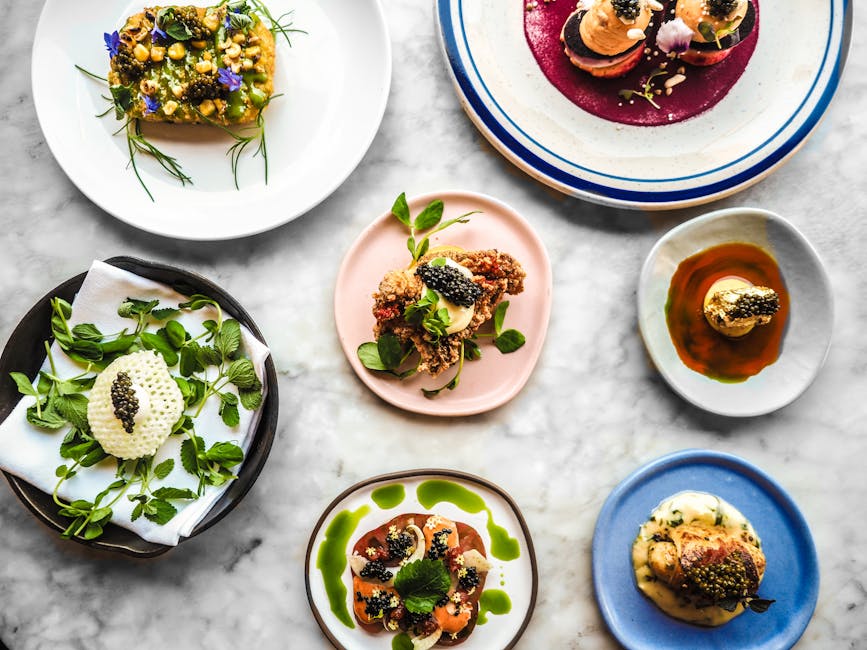
Puesto is in the Seaport District and leans into design—exposed brick, good lighting, a bar that actually knows what it's doing with mezcal. The menu rotates around fresh Mexican ingredients and techniques that feel neither overly precious nor dumbed down. I had a ceviche that was just lemon, fish, and restraint, and it was better than the heavier, fancier versions I'd eaten elsewhere.
The guacamole is made tableside if you want it (it's a bit of theater, but the guac is excellent), and the roasted fish is worth ordering. Cocktails are strong and thoughtful. Budget $50–75 per person with drinks. The downside: the Seaport is a designed district with all the charm that implies—you're paying for atmosphere and location as much as food. It's also loud enough that intimate conversation is difficult, especially on weekends.
Hodad's for No-Frills Burgers and Fries
Hodad's is a burger joint that's been around for decades and tastes like it—no reinvention, no craft-beef narrative, just decent ground chuck, good buns, and fries cooked in beef fat. A burger and fries is around $12–15. The menu has maybe five variations, and you don't need to overthink it. This is what you come for if you're tired of the restaurant scene and want something functional and good.
The original location in Ocean Beach has a beach-bar atmosphere and is genuinely fun for a casual meal. Seating is tight, the place smells like fryer oil (which is either a pro or a con depending on your perspective), and there's always a wait, especially on weekends. But that wait is part of the deal—it's managed chaos, and people are generally in a good mood. The downside is that you are definitely going to wait, the seating is uncomfortable if you're there longer than 30 minutes, and if you're expecting sophisticated burger architecture, you'll be disappointed.
Herb & Wood for Wood-Fired California Cooking
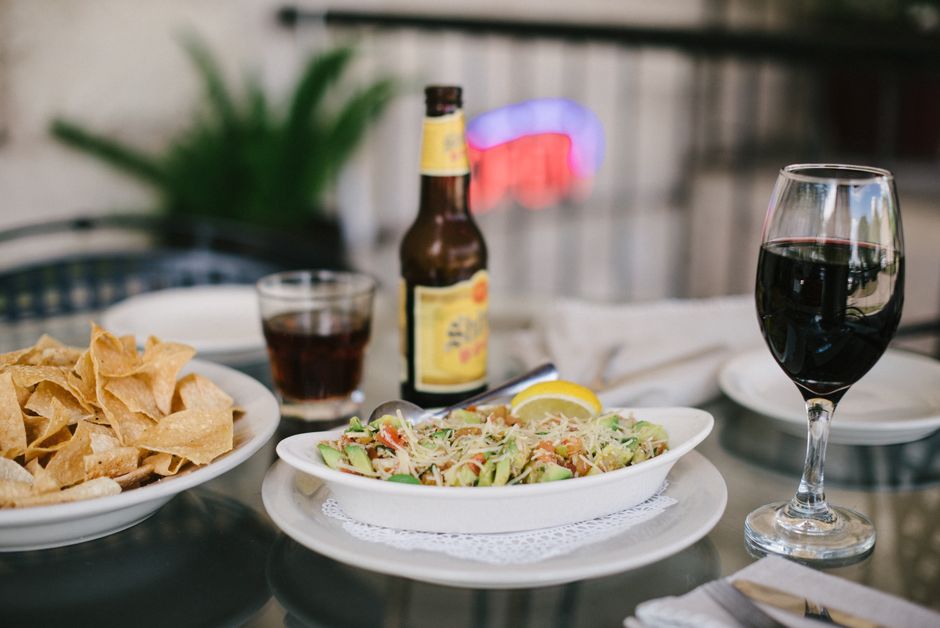
Herb & Wood sits in a converted warehouse in Little Italy with a massive wood-fired oven and the kind of open kitchen that actually seems to be cooking rather than performing. The menu changes seasonally, but expect vegetables and proteins treated seriously—roasted chicken, grilled fish, the occasional pasta. Wood smoke flavors everything, which sounds like a gimmick but isn't.
The wine list skews natural and low-intervention, the bread is excellent, and the overall vibe is more lively than stuffy. Figure $55–75 per person with wine. The kitchen is genuinely talented without being pretentious about it. The downside: the open design means the dining room can get loud and smoky (actual smoke, from the oven), the tables are close together, and parking in Little Italy requires patience.
Juntos Tacos for Breakfast Tacos and Carne Asada
Juntos is a counter-service spot in normal San Diego neighborhoods (not the tourist zones), with a menu written on a whiteboard and a genuine crowd of locals. The breakfast tacos—particularly the carne asada and the al pastor—are the reason people come here at 8 a.m. on weekdays. Everything is under $5. The carne asada fries are absurdly good and dangerous because they disappear fast.
The vibe is pure neighborhood taqueria: quick, loud (in a good way), and zero pretense. You order and eat on one of a few stools or take it somewhere else. This is real food at real prices. The downside: parking is street-only in the surrounding residential area, the space is tiny, and lines move but they do form, especially weekend mornings.
How to Actually Eat Well in San Diego Without Tourist Traps
The lesson I've learned eating my way through San Diego is that the best food happens when you either go very casual (counter service, no reservations) or very intentional (a restaurant that's been thinking about what it does for years). The middle ground—mid-priced chain restaurants with good reviews—is where you waste money and time.
Book ahead for anything with a reservation system. If you're eating at a taqueria or counter spot, go early or be ready to wait. And get out of the Gaslamp Quarter and Seaport District unless you're specifically there for drinks—the neighborhoods like Little Italy, Ocean Beach, and the areas north of Downtown have better food at better prices, even if they're less convenient.
Frequently Asked Questions
What's the best neighborhood for restaurants in San Diego?
Little Italy, Ocean Beach, and the neighborhoods north of Downtown have the strongest food scenes with the best mix of price points and cuisines. The Gaslamp Quarter and Seaport District have well-known restaurants but tend toward tourist pricing and chain concepts.
Do I need reservations at San Diego restaurants?
It depends on the restaurant and the day. Fine-dining and mid-range sit-down places like Juniper & Ivy and Herb & Wood almost always require reservations for dinner. Counter-service taquerias and casual spots don't take reservations and operate on first-come, first-served. Weekends and evenings demand planning; weekday lunches are often easier to walk into.
What should I eat in San Diego that I can't get anywhere else?
Fresh fish and seafood, especially grilled fish tacos and ceviche, are standouts because of the proximity to the Pacific. Beyond that, San Diego's Mexican food is consistently better and cheaper than inland California—the supply chain is fresher and the cultural depth is real.
Is parking difficult at San Diego restaurants?
Parking varies by neighborhood. Little Italy and Ocean Beach require street parking or small lots with waits. Seaport District has validated parking. Neighborhoods north of Downtown generally have easier street parking. Downtown restaurants often have valet or nearby garages. Call ahead or check Google Maps for parking reviews specific to where you want to go.
Which restaurant would you try first?