I landed in Charlotte on a Thursday evening with the kind of nervous energy that comes with any first solo trip to a new city. I'd done my research, checked crime stats, read local forums. But there's something different about being on the ground, walking the actual streets where you're about to spend a week alone. Charlotte surprised me—it's a sprawling, modern Southern city that's grown a lot in the past decade, and like most cities its size, it has neighborhoods that sing and blocks where you should keep your wits about you.
The good news: I felt generally safe. The bad news: that required actual attention to where I was, what time it was, and how I was moving around. This isn't Charlotte-specific paranoia. It's just how cities work. I'm going to walk you through what I learned, based on what local residents and police data actually show, not invented scare stories.
Uptown and South End Are Tourist-Heavy for a Reason
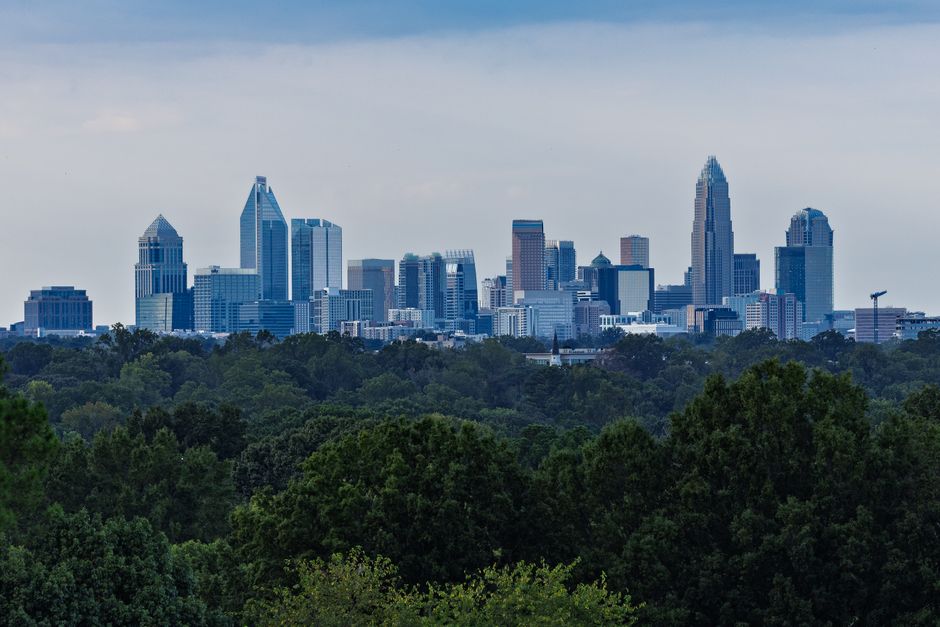
If you're flying into Charlotte and want to land somewhere with immediate foot traffic, walkability, and a lower statistical risk profile, Uptown and South End are your baseline. Uptown is the financial and entertainment core—glass towers, chain restaurants, museums, the kind of place where you'll see business people and families at all hours. I walked around Uptown at night multiple times and never felt unsafe, though like any business district it empties out after dark in certain blocks.
South End, a few miles south, is the trendier play. Young professionals, breweries, art galleries, new development. It's walkable and relatively well-lit at night, though I'd still stick to the main commercial corridors rather than side streets after sunset. Both areas have good police presence and foot traffic, which is always a confidence boost.
East Charlotte and the University Area Need Your Attention
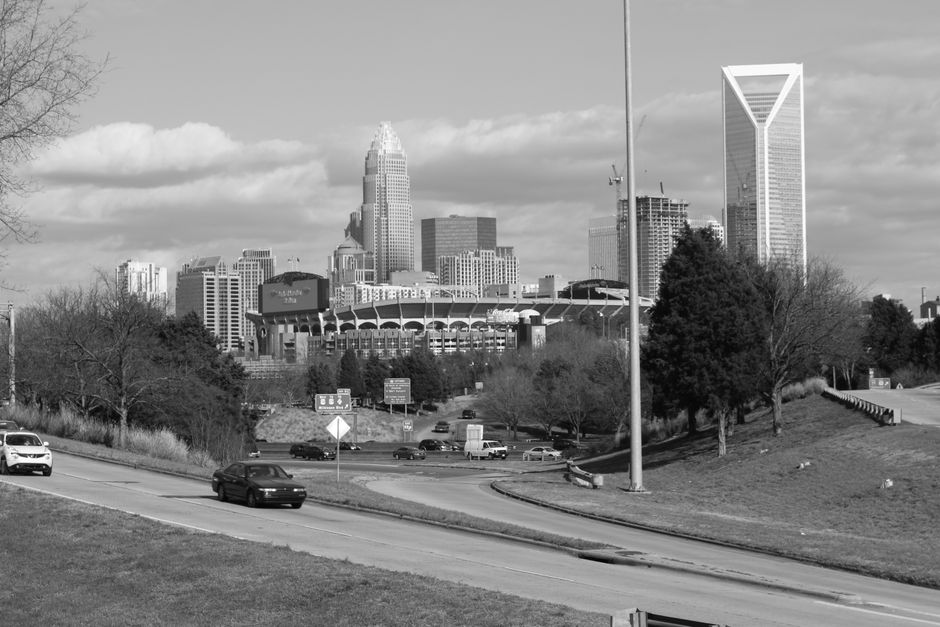
East Charlotte—the neighborhoods spreading out past Central Avenue toward the county line—is where the city's challenges concentrate. It's not uniform; some blocks are stable residential, others show signs of economic strain. UNC Charlotte's campus sits in this zone, and while the campus itself is maintained and patrolled, the surrounding neighborhoods warrant caution, especially at night.
If you're visiting someone at UNCC or exploring that area, use daylight hours when possible. Don't cut through side streets late at night. The university runs shuttle services for a reason. I didn't spend extensive time there solo after dark, and I wouldn't recommend it. That's not a judgment on the people living there—it's just statistical reality reflected in crime data that residents and local police widely acknowledge.
Avoid These Neighborhoods at Night, Period
There are pockets of Charlotte—certain blocks in areas like Drexel, parts of the west side, and some corridors near I-85—where crime rates are consistently higher and street conditions after dark feel unsafe. You don't need to memorize a list; just follow a simple rule: if you end up somewhere that feels isolated, poorly lit, and like there's no foot traffic, leave. Your gut exists for a reason.
I avoided these areas entirely during evening hours, and I'm honestly glad I did. I asked locals which neighborhoods they wouldn't walk through at night, and I listened. That's not cowardice; it's the same calculus you'd use in any major city. You're not trying to prove something. You're trying to have a good trip.

Public Transit After Dark: Drive or Rideshare Instead
Charlotte's public transit system—CATS—is reasonable during the day and connects major points. But after dark, especially if you're alone, I'd recommend ride-sharing or taking a cab over waiting for a bus. Bus stops at night, particularly in less-traveled areas, can feel isolating, and headways (time between buses) can stretch out to 30-40 minutes. You don't want to be standing alone under a shelter waiting that long.
Rideshare (Uber, Lyft) is ubiquitous in Charlotte and works well. Cabs exist but are slower to arrive. I used rideshare every time I went out after sunset, and it cost between $8-15 for most in-city trips. It's not expensive relative to the peace of mind, and you're never standing on a street corner vulnerable. This is one place where spending a few extra dollars makes sense.
Neighborhoods That Feel Genuinely Good to Walk
For balance, I want to highlight where I actually felt at ease. Noda (North Davidson), an arts and creative district, has a village-like feel with galleries, coffee shops, and street art. It was walkable and friendly. I felt comfortable there during the day and early evening.
Dilworth, southwest of Uptown, is an older, leafy neighborhood with tree-lined streets and modest homes. It's quiet and residential, and I walked it without issue during normal hours. Myers Park, further south, is similar—established neighborhood, good lighting, families around. These areas don't have the late-night energy of Uptown, but they don't need to. They're pleasant to explore during the day and early evening on foot.

Practical Rules That Actually Work
After a week solo in Charlotte, I developed a set of rules that kept me safe without making me paranoid. Share your location with someone back home via your phone. Keep your eyes up and your phone down (not walking distracted through unfamiliar areas). Stick to main roads and well-lit streets, especially after dark. Don't flash cash or expensive gear. If you're going to a restaurant or bar, use rideshare to get there and back—don't depend on being able to find a safe waiting spot for transit at night.
Walk with purpose. Look like you know where you're going. Dress appropriately for the neighborhood (which in Charlotte mostly means not standing out wildly). And trust your discomfort. If a place or situation feels off, you don't have to rationalize your way into it. Solo travel means you get to set the rules entirely.
The Real Picture
Charlotte is a growing, diverse Southern city. It has prosperous areas and struggling ones, like most American cities of 900,000 people. The overwhelmingly common experience for solo travelers is positive. Most of the city is fine. Most neighborhoods are fine. Most hours are fine. But statistics show that certain areas and certain times carry higher risk, and pretending otherwise would be irresponsible.
What I appreciated about Charlotte was that it felt real and not defensive about its challenges. Residents were honest about where to avoid and enthusiastic about where to explore. They weren't trying to oversell me; they were trying to help me have a good, safe visit. Do the same for yourself. Use common sense, stay alert without being afraid, and enjoy a city that's worth actually knowing.