
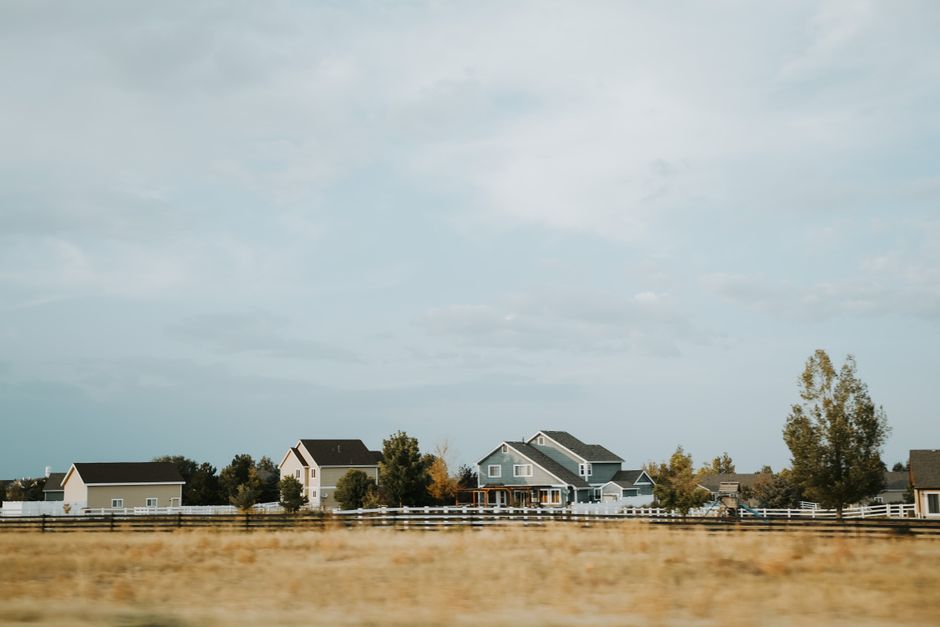
I landed at Denver International on a clear October morning and took the train downtown. The city felt immediately different from the retirement havens I'd visited before—younger, more restless, packed with people who looked like they'd just moved here last year. That matters when you're thinking about spending your next twenty or thirty years somewhere. Denver isn't your grandparents' retirement town, and that's either a major selling point or a red flag, depending on what you actually want.
The question "Is Denver good for retirement?" doesn't have a simple yes or no. It depends on your health situation, your finances, what you do with your free time, and whether you can handle altitude. I spent three weeks poking around neighborhoods, talking to retirees who'd made the move, and comparing what I found against what people told me beforehand. Most of the conventional wisdom holds up, but there are some real complications worth understanding before you commit.
The Cost of Living Isn't What It Used To Be
Denver's affordability advantage has evaporated pretty dramatically over the past decade. Housing prices have climbed steadily, and rental costs aren't far behind. If you're coming from New York, San Francisco, or coastal California, you'll still feel like you've landed in bargain territory. If you're comparing Denver to much of the Mountain West or the Southeast, the difference is closer than it used to be.
Groceries, utilities, and general services run roughly in line with the national average. Gas prices fluctuate like everywhere else. What really matters is whether you own your home outright or plan to buy. A retired couple renting a one-bedroom apartment downtown could spend anywhere from $1,400 to $2,000 monthly, depending on the exact location and what amenities matter to you. That's not cheap, but it's not Denver in 2010 either.
The Colorado Front Range as a whole has experienced a genuine cost-of-living creep. If you're specifically choosing Denver for financial reasons, run realistic numbers against other places you're considering. The city's main economic advantage now comes from lower overall state taxes compared to California or New York, not from rock-bottom housing costs.

Healthcare: Access Is Good, But Do Your Due Diligence
Denver has solid medical infrastructure. UCHealth and Denver Health are major systems, and there are numerous private practices and specialty clinics. If you need regular care or have existing conditions, you can find physicians relatively easily. Medicare is accepted widely. Specialists—cardiologists, orthopedists, geriatric care—aren't impossible to access, though wait times can vary.
That said, healthcare quality depends heavily on which specific facilities and providers you land with. Some retirees I spoke with had straightforward experiences finding doctors; others dealt with the standard frustrations of urban healthcare: appointment delays, insurance coordination headaches, having to switch providers when someone retired. National chains like Centura Health operate throughout the metro area, which offers some continuity if you're used to familiar hospital systems.
One thing to verify before moving: whether your current healthcare providers have affiliations or networks in Denver. If you have an established relationship with a physician or specialist, start figuring out whether they work with Colorado practices before you relocate. The infrastructure is there, but like everywhere, the quality of your actual experience depends on logistics and luck.
Weather and Altitude: Real Factors to Consider
Denver sits at 5,280 feet elevation. Everyone mentions the altitude, but most people don't actually experience problems from it. Still, some people do—shortness of breath, headaches, disrupted sleep. If you have heart or lung conditions, talk to your doctor before assuming Denver works for you. It's not a dealbreaker for most retirees, but it's also not nothing.
The climate itself is genuinely pleasant most of the year. Winters are cold but often sunny; snow falls, but it tends to melt relatively quickly. You're looking at roughly 300 days of sunshine annually, which matters psychologically if you've been dealing with gray Midwest or Northeast winters. Summer temperatures climb into the 80s and 90s, but the low humidity makes it feel less oppressive than the same temperature back East.
What surprised me was how variable the weather can be. I had days where it was 65 and sunny, then a cold snap dropped things fifteen degrees overnight. Spring and fall are genuinely unpredictable. If you require consistent weather or have significant seasonal affective disorder patterns, Denver isn't necessarily your answer. But if you like actual seasons with more sun than most places, the climate works.

Taxes: Understanding the Colorado Picture
Colorado doesn't have sales tax on most groceries, which provides a small but real financial benefit for retirees. State income tax exists but isn't dramatically higher than many states—Colorado's been phasing in rate reductions in recent years, though this can change with political shifts. Property taxes vary by county and school district, and they fund local services, so you can't treat them as simply "high" or "low" without context.
If you have retirement income, pensions, or investments, you'll owe Colorado state income tax on most of it. Social Security is exempt under Colorado law, which is a legitimate advantage compared to some states. However, don't overweight tax considerations relative to actual expenses. A state with 4 percent income tax but 50 percent higher housing costs doesn't necessarily save you money. The overall financial picture matters more than any single tax category.
My advice: consult a tax professional familiar with Colorado retirement taxation before moving. This isn't something to figure out from internet research or word of mouth. Specific situations vary dramatically.
Cherry Creek and Downtown: Walkable, Urban, Expensive
Cherry Creek feels like Denver's answer to upscale urban retirement living. Walking distance to restaurants, shops, galleries, and cultural stuff. The neighborhood has energy—young professionals mixed with established retirees, which creates an active vibe. Housing and rent both run high, easily among Denver's priciest real estate.
Downtown proper shares many of these qualities, with the added advantage of proximity to major transit (RTD light rail) and significant walkability. Lodo has the historic appeal, though it's been heavily developed and gentrified. If you want to be in the thick of things, active in the city's cultural life, and don't mind paying for that privilege, these neighborhoods work. The tradeoff is noise, crowds, and prices that rival mid-tier major cities.
Retired people who chose these areas typically fell into two camps: those who specifically wanted urban engagement and walkability, and those with serious budgets who bought property years ago when it was cheaper. The people struggling were those who came for affordability and got surprised by actual living costs.

Washington Park and South Denver: Quieter, Still Connected
Washington Park ("Wash Park") offers a better balance for many retirees. You get the neighborhood charm, genuine walkability to local shops and restaurants, proximity to the park itself (beautiful, useful for daily walking), and slightly lower prices than Cherry Creek. It's still Denver, still pricey, but with more of a residential feel.
The broader South Denver area—Cheesman Park, Speer, Mayfair—provides similar advantages: quieter streets, parks nearby, access to decent restaurants and services without the downtown hustle. These neighborhoods skew older demographically in a good way; you'll see plenty of established residents, mixed-age households, and people who've been around long enough to know the neighborhood's rhythms.
This is probably where most retirees actually end up choosing, because it splits the difference. You're not paying Cherry Creek prices, you're not dealing with downtown noise, but you're still genuinely urban and walkable. If you can find a reasonably priced rental or have built equity in a home, this area tends to feel livable long-term.
Fort Collins and Boulder: Nearby Alternatives
Fort Collins sits about an hour north of Denver and has become increasingly popular with retirees seeking slightly calmer surroundings. It's a college town (Colorado State University), which means younger energy mixed with established residents. Housing costs have climbed but haven't reached Denver proper levels. The town has walkable areas, decent healthcare access, and a genuine sense of place that Denver's newer sprawl sometimes lacks.
Boulder, farther west and significantly more expensive than both Denver and Fort Collins, appeals to a different kind of retiree—often wealthier, often more focused on outdoor recreation and environmental consciousness. It's beautiful, active, and costly. The altitude is slightly higher (around 5,430 feet), which is worth noting.
Both towns offer more manageable urban environments than Denver if you want Colorado living without the metro-area scale. Fort Collins especially worth serious consideration if you want lower costs than Denver with comparable services and a stronger small-city community feel. Neither is cheaper than Denver, but both offer different lifestyle tradeoffs worth evaluating.
Making the Decision
Denver works well for retirees who want an active, culturally engaged city life, don't mind current housing costs, can handle the altitude, and value Colorado's outdoor access. It doesn't work as well for people seeking quiet, affordability on a fixed income, or relief from seasonal change.
Before committing, spend at least a week here in different seasons if you can. Rent an apartment, eat the food, use the healthcare system, check out transportation. Talk to actual people who've retired here, not just people selling real estate. Run your specific numbers against other places you're considering, because "retirement affordability" is individual and situational.
Denver's a genuinely livable city for your later years, but you need to go in with clear eyes about current costs and realistic expectations about what the place actually offers.



