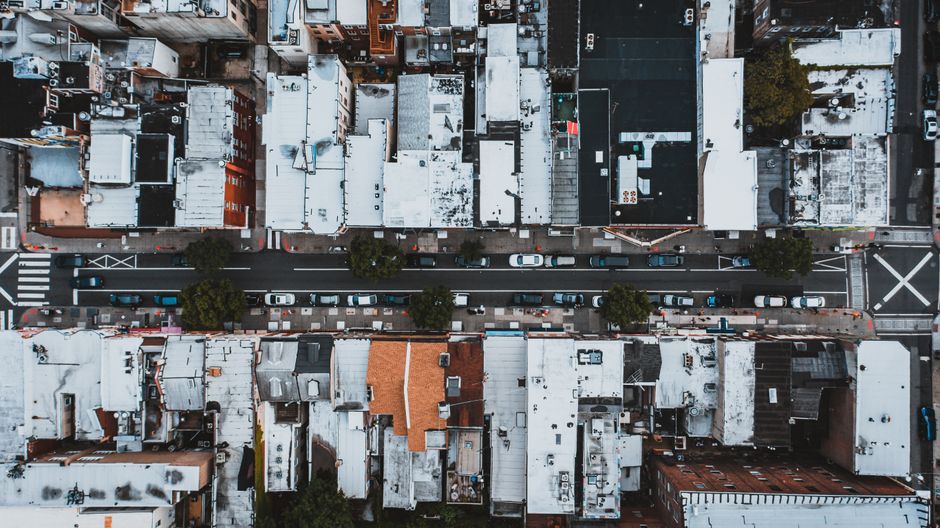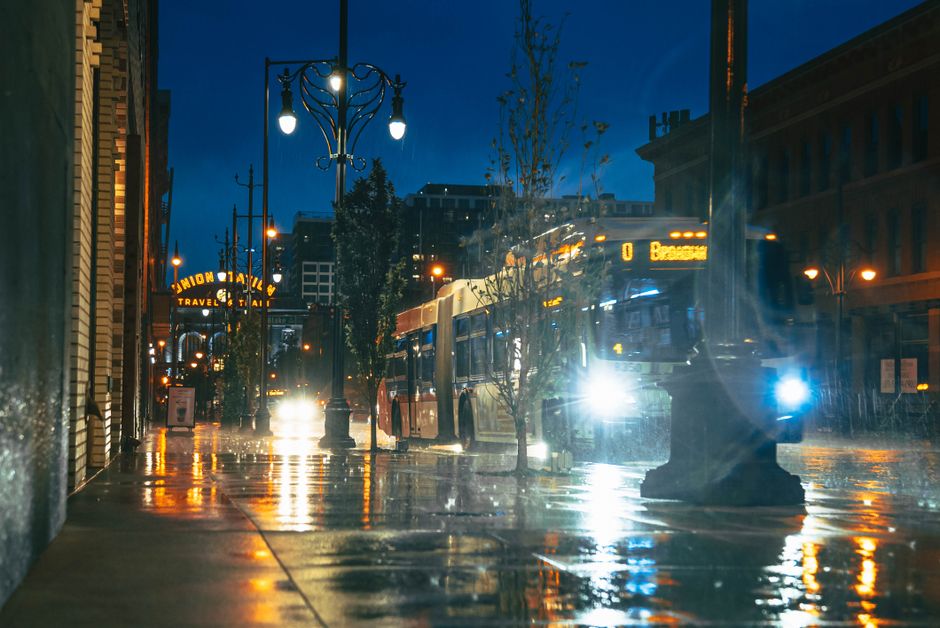
I landed in Denver on a Tuesday afternoon, rental car in hand, and did what I always do: drove around aimlessly for an hour before finding my hotel. The thing about Denver is that it looks deceptively safe. Wide streets, mountains visible from downtown, generally friendly people. And honestly? It mostly is safe. But like any city over 700,000 people, there are neighborhoods where you're better off staying aware, and times of day when walking solo takes a bit more forethought.
After spending three weeks here — working from coffee shops, taking light rail at various hours, walking neighborhoods from Congress Park to RiNo — I've gotten a feel for where visitors and solo travelers actually need to pay attention. It's not the complicated calculus you might think. It's more about understanding patterns, timing, and basic street sense.
Downtown After Dark: It's Not Uniformly Risky
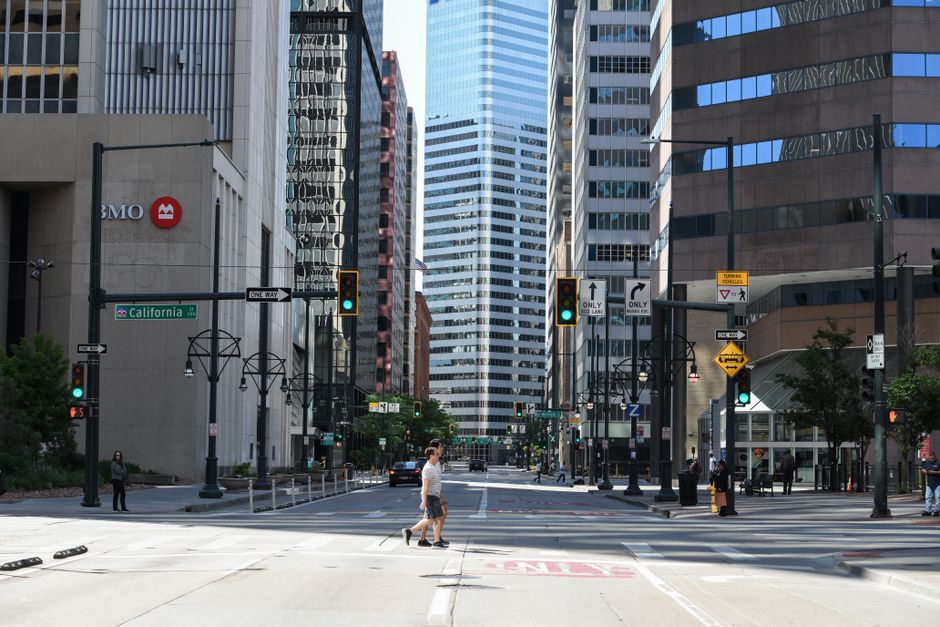
Downtown Denver has a genuine split personality depending on the hour and which block you're on. During the day and early evening, especially along the 16th Street Mall, the South Platte River path, and near LoDo's restaurants and bars, you'll be surrounded by other people. It's crowded, bustling, normal urban energy.
The issue emerges after 10 or 11 p.m., particularly on weeknights when foot traffic drops off. Some blocks around Colfax, particularly east of downtown proper, see upticks in property crime and occasional confrontations. This is documented enough in local police statistics that residents themselves avoid solo walking there after dark. That said, it's not a war zone — it's more that the calculus shifts. A solo woman at midnight on a quiet downtown block is more vulnerable simply because fewer witnesses are around.
Stick to well-lit, populated routes if you're out late. The light rail runs reliably until midnight or later depending on the line. Use it instead of walking if you're heading anywhere after 10 p.m. Ride-shares are cheap and plentiful. Don't feel like you're being paranoid by taking these options — that's exactly what locals do.
Five Points and the Surrounding Blocks
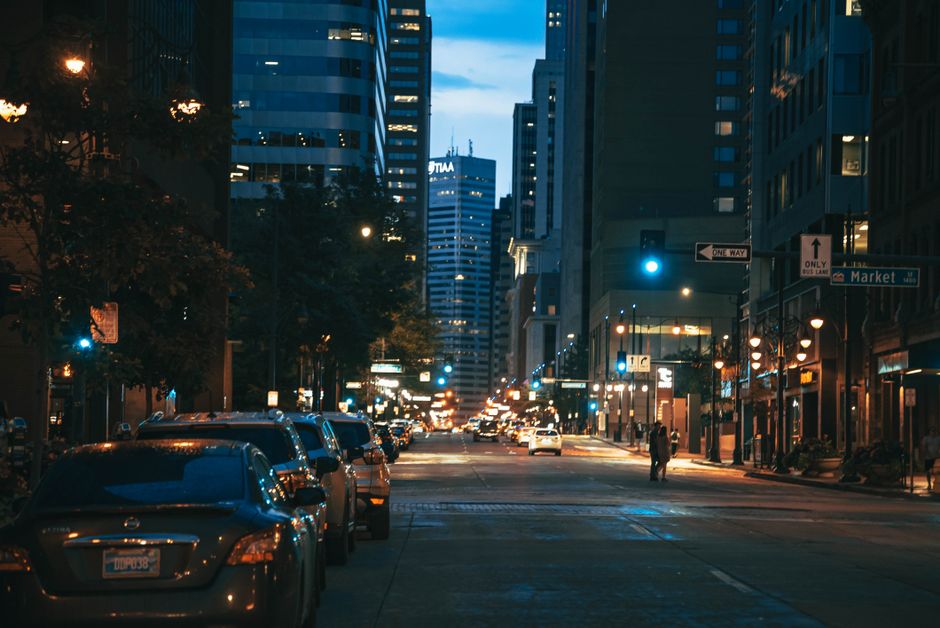
Five Points, historically the heart of Denver's Black community, is genuinely worth visiting for its cultural institutions, music venues, and food spots. The area has been actively revitalized over the past decade. During daylight and early evening, you'll see people walking, eating, shopping.
That said, some of the surrounding blocks — particularly those blocks that sit between Five Points proper and the highway corridor to the north — have higher reported rates of street crime, especially property crime and car break-ins. This isn't universal block to block. Some streets are fine; others require more caution. The difference can be half a block. If you're visiting a specific venue or restaurant, that's great — go, enjoy it. But don't wander aimlessly at night in the grid immediately north and west of the core neighborhood, and keep your car doors locked and windows up if you're parked in surface lots.
Colfax and East Colfax: The Context You Need
Colfax Avenue gets mentioned a lot in these conversations, and it's worth actually understanding what that means. Colfax runs east-west across the entire metro area. The western parts, toward downtown and Cheesman Park, are fine. But as you move east past downtown — around the neighborhood just east of 17th Avenue and continuing further — you're entering an area with documented poverty, substance use activity, and street-level crime. Police presence increases because the need is there.
This is real, and it's not because the people there are bad. It's because of economic inequality and decades of disinvestment. Solo travelers probably shouldn't plan evening walks along east Colfax. It's not that you'll definitely get mugged; it's that the risk profile is noticeably higher than elsewhere in the city. If you're visiting a specific business or venue on that stretch, fine. But don't treat it as a casual walking district after dark. During the day, with awareness, it's workable.
Neighborhoods That Are Actually Fine (And Where Most Visitors Are)
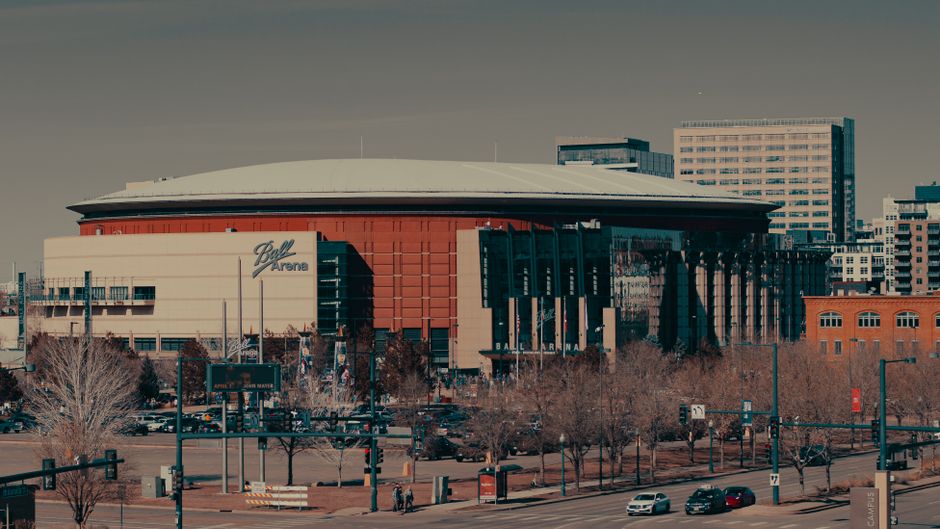
The neighborhoods where most solo travelers actually stay — Capitol Hill, South Pearl Street, the Golden Triangle, LoDo, and uptown — are substantially safer than the areas mentioned above. These are mixed-income, pedestrian-friendly, well-lit neighborhoods with normal urban populations. You'll see people on the streets at various hours. Police presence is adequate.
East side neighborhoods like Congress Park, Cheesman Park, and the Country Club area are prosperous and quiet. People walk dogs, jog, and move around freely. Washington Park and its surroundings are the same way. Highland and the River North area (RiNo) have that young-creative energy where people are constantly outside. These are all legitimate places to spend time, walk around, have meals, and move around on foot.
The key practical difference: in these neighborhoods, your baseline risks are the same as any mid-sized city neighborhood. Keep your phone visible but not dangling, don't leave belongings in your car, stay aware of people around you. These are common-sense precautions, not paranoia-level precautions.
Practical Safety Moves That Actually Work
Most of what keeps you safe in Denver is unsexy stuff. Use light rail for transit when possible — it runs until late, it's cheap, and you're around other people. The system is functional and accessible. RTD buses also run late and connect most neighborhoods.
If you're out after 10 p.m., take a rideshare or cab. Denver is sprawling, so distances are larger than East Coast cities. You won't save much money by walking anyway, and a $12 Uber is better than a mugging. Don't walk alone late at night, period — not because Denver is particularly violent, but because it's basic risk management anywhere.
During the day, the normal rules apply: don't flash expensive gear, keep your phone secure, don't accept offers from strangers. Stay aware of who's around you. It's that simple. Most of the city, most of the time, requires nothing more than baseline awareness. Only the areas and times I've mentioned above require you to actively adjust your behavior.
Car Break-Ins and Property Crime
Actual conversation with a Denver resident: "Our car got broken into while we were at the grocery store." This happens. Property crime — car break-ins, bike theft, package theft — is more prevalent in Denver than violent crime.
If you rent a car, don't leave anything visible inside. Nothing. Not a jacket, not sunglasses. Even a car charger can trigger a break-in. Park in well-lit areas. The Cherry Creek and downtown paid lots are fine. Street parking, especially in older neighborhoods and around light rail stations, is where most break-ins happen. Use a garage if you're staying overnight anywhere.
Bike theft is real if you're planning to rent and leave a bike anywhere. Use a heavy U-lock through the frame and wheel, and don't leave a nice bike unattended for long periods. This is just Denver math.
Weather, Altitude, and Other Actual Concerns
Before you worry too much about street crime, remember that the real threats to solo travelers in Denver are altitude sickness (take it easy for the first day, drink water, consider skipping alcohol), intense sun (you're at 5,280 feet, and the sun reflects off all that concrete), and weather. Winter snow storms shut things down fast. I've seen entire downtown blocks empty because of a sudden snowsquall.
Also worth noting: Denver's a car city. Walking culture exists in certain neighborhoods, but it's not like Portland or San Francisco. Plan your movement accordingly. Know where light rail goes. Don't get stranded on a long walk between neighborhoods counting on finding transit.
The Bottom Line
Denver is not a particularly dangerous city. It's not Kansas City, and it's not Portland. It's a growing metropolitan area with the normal urban issues — some neighborhood decay in specific corridors, property crime, and a subset of blocks where solo walking after midnight isn't wise. Most of the city is fine. Most of your time will be fine.
The people here are generally helpful. If you ask for directions, you'll get honest ones. Service workers are professional. The city is organized enough that you won't feel lost or vulnerable unless you really venture into areas where you shouldn't be. Spend a few hours walking around downtown during the day. Take light rail to neighborhoods you want to explore. Eat good food. Look at the mountains. Keep your wits about you like you would in any city. You'll be fine.