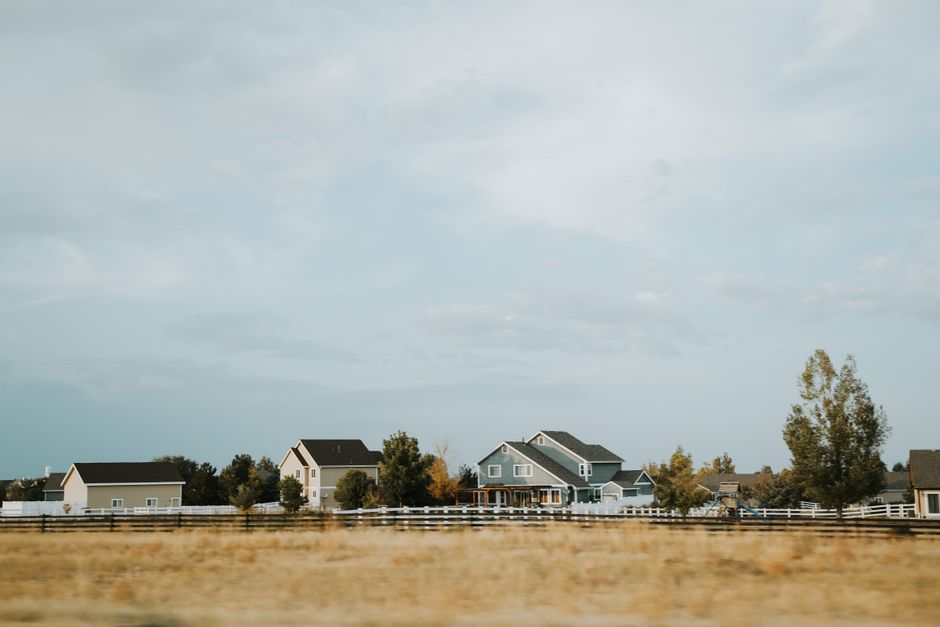
I showed up in Denver on a January morning expecting it to be colder than it was. That's the thing about this city—it tricks you. Seventy percent of days get sunshine, even in winter, so you'll have your coat off by afternoon. I spent a week talking to retirees, walking neighborhoods from Congress Park to Boulder Valley, and digging into what actually costs money here. The question I kept hearing: "Is this still the place to move for retirement, or have we priced ourselves out?"
It's complicated. Denver's become popular with retirees for real reasons—the outdoor lifestyle, the healthcare infrastructure, the relatively mild climate—but those same reasons have inflated costs. I wanted to look past the marketing and give you what matters: where your money actually goes, whether the medical setup makes sense for aging, how the weather really plays out, and which pockets of the metro still feel plausible on a fixed income.
Cost of Living: More Than Just Housing
Housing is the headline problem. A modest single-family home in Denver proper runs into the $600,000–$800,000 range now, depending on the neighborhood. Rent for a one-bedroom apartment in central areas sits around $1,600–$2,000 a month. If you're coming from a Midwest or deep South background, those numbers will sting.
But here's where it gets more nuanced. Colorado has no tax on Social Security income—that's a genuine perk that extends your fixed-income dollars. State income tax runs about 4.6 percent, which is moderate compared to coastal states. Property taxes average around 0.5 percent of home value, which isn't brutal, though they do adjust. Groceries, utilities, and dining out track slightly above the national average, but not dramatically. The real squeeze for most retirees I spoke with wasn't any single category but the combination: you're spending more on housing, a bit more on food, a bit more on gas, and it adds up fast on a fixed income.
The upside is that you can live outside Denver proper and commute isn't necessary. Littleton, Westminster, and areas along the I-25 corridor offer more reasonable housing costs—maybe $100,000–$150,000 less than central Denver—while staying within reasonable distance of medical facilities and urban amenities.

Healthcare: A Real Strength
This is where Denver legitimately shines. The University of Colorado School of Medicine has deep roots here, and you get real medical competition and quality. UCHealth, Denver Health, and several large private hospital networks mean you're not gambling on rural medicine. I visited a few clinics and the staffing levels seemed robust.
The metro has rheumatologists, cardiologists, oncologists—basically any specialist you might need isn't a three-hour drive away. Medicaid and Medicare are well-established in the network. The VA hospital serves veterans. Urgent care clinics are everywhere, which matters more than you'd think when you're older and something unexpected happens at 2 p.m. on a Saturday.
That said, Denver also attracts a lot of wealthy medical tourism and has a very active wellness culture, which inflates some prices. If you're comparing healthcare costs alone, you're probably fine. If you're comparing everything—including the medical infrastructure's reliability—Denver holds up.
The Weather Isn't as Simple as Sunny
Everyone says Denver is sunny, and technically that's true. The metro gets around 260 days of sun annually. Winter doesn't linger the way it does in Minnesota or upstate New York. Snow comes and goes, rarely piling up for months.
But I have to be honest: the altitude catches people. Denver sits at 5,280 feet. If you're coming from sea level or even 2,000 feet, the first week or two can mean headaches, short breath, and general grogginess. Most people acclimate within a few weeks, but not everyone. The air is also dry—your skin will remind you. We're talking serious lotion and humidifier territory.
Winters are mild by national standards but can include sudden cold snaps. Spring is windy. Summer is dry and hot but not humid—comfortable, really, if you're not used to triple-digit heat with moisture. The low humidity and consistent sun are genuinely nice for anyone with joint issues or who hates oppressive summer weather. But it's not an automatic win. Visit in January and stay a few weeks if you're seriously considering this.

Congress Park and Central Denver: Walkability and Cost
Congress Park is where a lot of active retirees I met ended up settling. The neighborhood has tree-lined streets, walkable shops and restaurants on South Pearl Street and East Evans, and the park itself is legitimately one of Denver's best—200 acres with a lake, trails, a public pool. The vibe is upscale but not unwelcoming. You'll see people in their sixties and seventies walking, biking, going to coffee shops.
The tradeoff is obvious: homes here and in nearby Cheesman Park or Washington Park run $700,000–$1.2 million. That's not a retirement community bargain. It works if you sold a house elsewhere and have real capital, or if you're downsizing from something larger. The walkability and proximity to medical services and culture make it livable without a car, which appeals to some people as they age.
If Congress Park is out of reach, the Washington Park neighborhood just south offers slightly less expensive homes but the same general vibe. You're still in Denver proper, still near hospitals, still walking to restaurants and shops. The difference is maybe $100,000–$200,000 cheaper than Congress Park, which matters.
Littleton: The Quieter Bet
I took the light rail down to Littleton one afternoon and realized a lot of retirees I'd heard about live there deliberately, not as a fallback. It's about fifteen miles south of downtown Denver, still urban-adjacent but genuinely quieter. Single-family homes run $400,000–$600,000 on average, which is a real difference from central Denver pricing.
Littleton has its own hospital (Littleton Adventist), a walkable downtown area around Main Street with restaurants and shops, and good light-rail access to downtown Denver for medical appointments or theater. It's not cutting-edge hip, but that's partly the appeal for retirees who've done the hip thing. The South Platte River runs through town and has nice parks. There's an active library, senior centers, golf courses nearby. Property taxes and overall cost of living are moderately cheaper than Denver proper.
The downside is that you need a car more often than you would in central Denver. Most errands are accessible locally, but if you want to get downtown for a museum or restaurant, it's a drive or a thirty-minute light-rail ride. That's fine for many people. For others, the reduced walkability and distance from urban core is exactly why they wouldn't choose it.

Boulder Valley: High Cost, Different Lifestyle
I'm putting Boulder in here because retirees do move here, but I want to be clear: it's expensive in a different way than Denver. Boulder proper starts around $800,000 for modest homes and goes much higher. The University of Colorado is here, the tech industry has a presence, and the outdoor culture is intense. If you're an active hiker, climber, or cyclist in your sixties or seventies, the proximity to the Flatirons and mountain trails is compelling.
Boulder also has good hospitals and a strong healthcare presence. The town itself is walkable. The community skews younger and more outdoorsy than Denver's established retiree neighborhoods. If you're retiring and want to stay athletic, Boulder's worth considering—but only if budget isn't a primary constraint.
The suburbs around Boulder—Lafayette, Longmont—are cheaper and still feed into the mountain access. Longmont especially has tried to build a livable downtown and has housing costs closer to Littleton levels, $450,000–$650,000 on average. You're trading some walkability for much better access to the outdoor lifestyle.
Taxes and Financial Reality
Colorado's no-tax-on-Social-Security rule is genuine and worth knowing. If your retirement income is primarily Social Security, that money isn't taxed at the state level. That's a real advantage compared to states like Missouri or Colorado's neighbor Kansas, where it does get taxed. It won't solve the cost-of-living problem, but it preserves some purchasing power.
State income tax at 4.6 percent is moderate. Property tax averages 0.5 percent but varies by county and municipality. If you're someone with a mix of Social Security, a pension, and investment income, you'll want to talk to an accountant—tax strategy varies a lot by individual situation, and I'm not pretending to give you tax advice. But generally, Colorado isn't a tax penalty state for retirees the way some are.
The real question is whether the overall cost of living—housing especially—is worth the benefits. For someone with substantial retirement savings or a home sale equity, probably yes. For someone on a tight fixed income, it gets harder.
The Bottom Line
Denver works for retirement if you have the budget. The weather's nice—not perfect, but legitimately nicer than most places. Healthcare is solid. There's culture, outdoor access, and enough of a retiree community that you won't feel odd. Congress Park and central neighborhoods offer walkability as you age. Littleton provides a cheaper, quieter alternative while still staying connected.
But don't move here expecting affordability. Housing costs have jumped faster than most retirees' fixed incomes. If you're coming from an expensive coastal market or have serious capital, it makes sense. If you're hoping to stretch a modest retirement fund, you might find Colorado Springs, Fort Collins, or even smaller towns like Durango more forgiving.
I'd suggest spending a month here—actually living, not visiting—before committing. Rent a place in the neighborhood you're considering. See if the altitude bothers you. Drive the roads you'd be driving regularly. Talk to people already retired here. Denver's appeal is real, but it's not universally the right answer.