I've landed in Denver on a solo trip more than once, and I'll be honest—it's not a city that keeps me up at night the way some places do. The altitude does more to slow me down than any crime wave. That said, Denver's a real city with real neighborhoods, and like anywhere else with 700,000 people, some blocks are safer than others, especially after dark.
I'm not here to fear-monger or paint the whole place as sketchy. Most visitors and locals move through Denver without incident. The Mile High City has plenty of walkable, vibrant areas where you can move around solo at reasonable hours without issue. But there are a few pockets where you want to keep your wits about you, and some common-sense rules that apply year-round.
My goal here is to give you the real picture—not the sanitized tourism version, not worst-case panic—just practical information so you can move around confidently and make your own choices.
Downtown Core and Transit Security
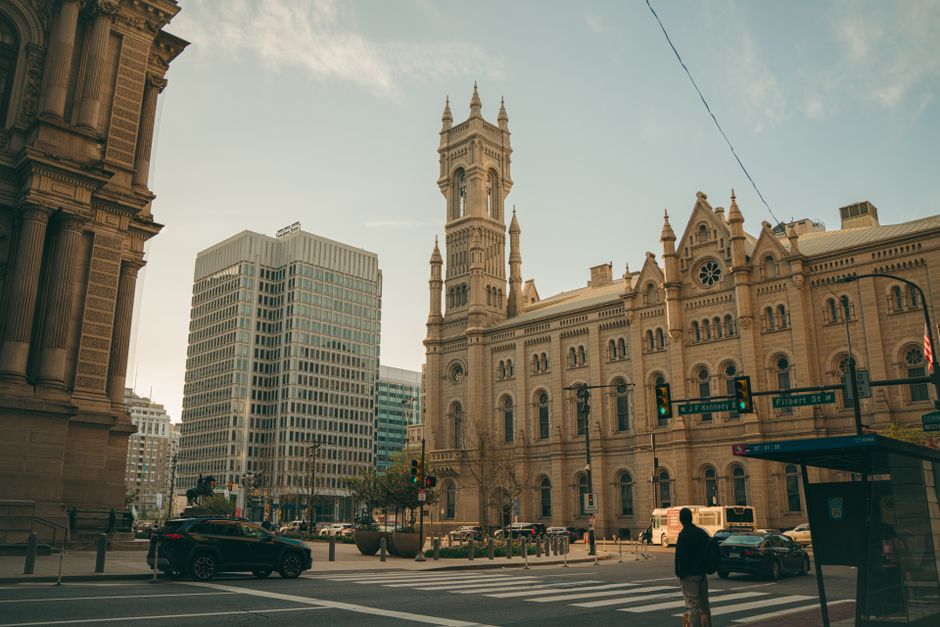
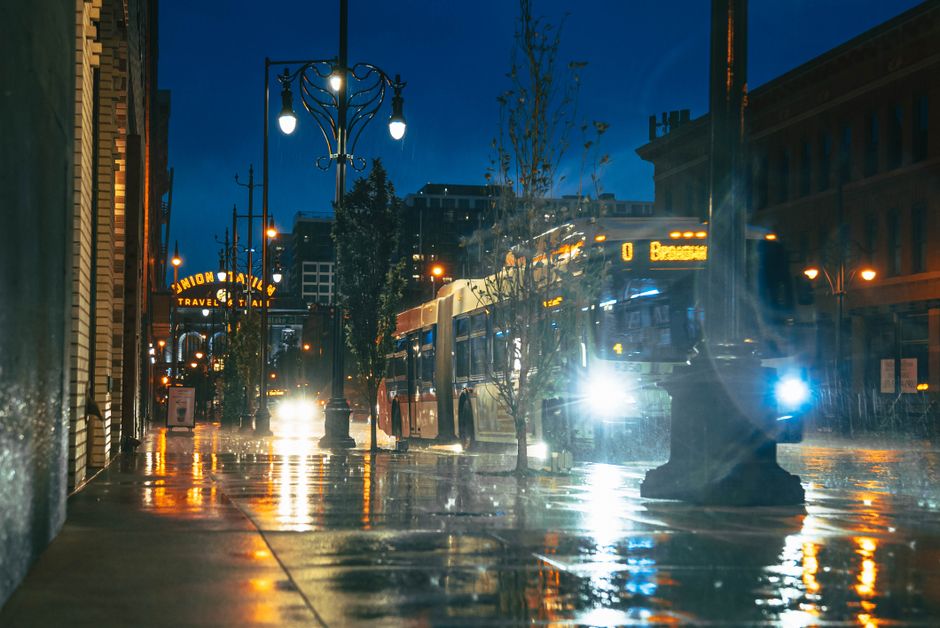
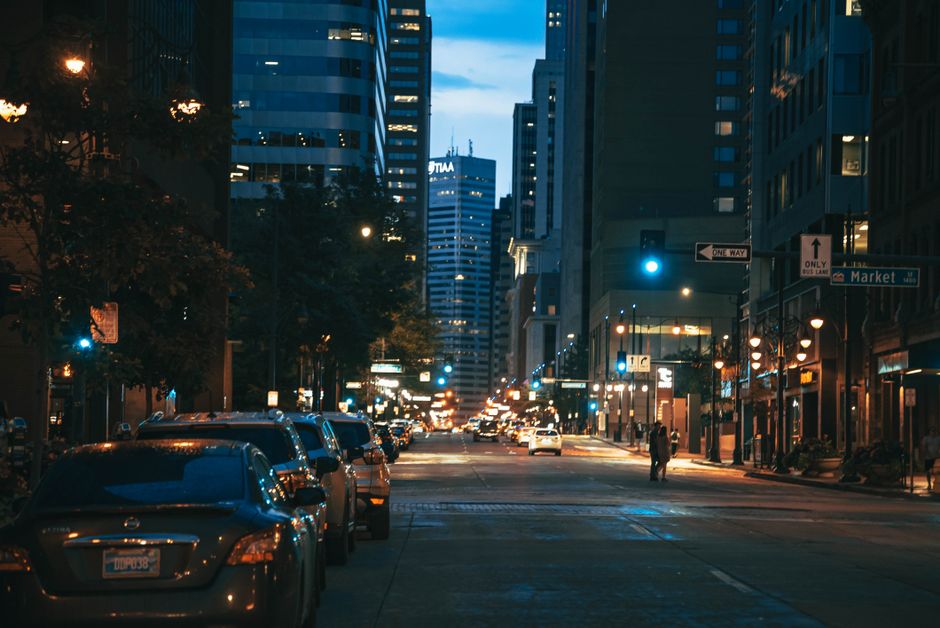
Downtown Denver itself isn't off-limits, and the LoDo (Lower Downtown) district near Union Station and the Platte River is genuinely nice during the day and early evening. But like most downtown cores in major cities, foot traffic thins out significantly after dark, and certain blocks around 16th Street Mall and the areas immediately north of Market Street can feel sketchy late at night. I've walked through downtown plenty of times, but I'm more careful after 10 p.m.
The RTD light rail and bus system is generally considered safe during normal hours, but again—late night is a different story. If you're using transit after midnight, stick to well-populated cars and get off at well-lit stations. The main transit hubs (Union Station, Civic Center Station) see a decent amount of foot traffic, but the streets around them do attract unhoused individuals and occasionally aggressive panhandlers. That's not inherently a crime issue, but it's worth noting if you're anxious about confrontation.
Day trips via RTD are fine. Evening trips should be planned with an exit strategy—know where you're going, have your route mapped, and don't linger at stops. Ride-share is pricier but eliminates some of that variable if you're traveling solo late.
Five Points, Northeast Park Hill, and North Capitol Hill
Five Points, the historically Black neighborhood just north of downtown, has undergone gentrification and revitalization over the past 15 years, and it's increasingly home to good restaurants, art galleries, and live music venues. But it also has documented higher violent crime rates according to Denver Police Department data, and certain blocks—especially around 25th and Welton—can feel uncomfortable, particularly in the evening. During the day, especially on a weekend when businesses are open, it's fine to explore. Solo at 11 p.m.? I'd reconsider.
Northeast Park Hill and sections of North Capitol Hill have similar profiles: mixed residential blocks, some really nice pockets, but also areas with property crime and periodic violence. They're not "avoid at all costs" zones, but they're not neighborhoods I'd wander through solo after dark without a specific reason and a solid plan. Some locals love these neighborhoods and spend time there regularly—it depends on your risk tolerance and street awareness.
The dividing line isn't always clean. A block can be gentrified with a nice coffee shop and still have an adjacent street with higher crime. Pay attention to your surroundings, trust your gut, and don't feel obligated to explore a neighborhood just because you read it was interesting.
Tenderloin District and East Colfax
The Tenderloin, roughly between Speer Boulevard and 17th Avenue along Colfax, has significant homelessness, active street-level drug activity, and higher rates of property crime and street theft. This is the area where locals and police most frequently cite problems. You don't need to go there as a tourist. There's nothing there worth the risk of solo travel, especially at night.
East Colfax, as it extends away from downtown, becomes increasingly residential and working-class, but the stretch closer to downtown has similar issues to the Tenderloin. I've driven through; I haven't walked it solo. Most visitors never end up in this corridor unless they're specifically trying to.
If you're looking for restaurants, shopping, or nightlife, you have dozens of better options in Capitol Hill, South Broadway, Highlands, RiNo, or Cherry Creek. There's no reason to venture here solo, and I'm not being overly cautious in saying that.

General Precautions and Safe Neighborhoods
Most of Denver's neighborhoods are perfectly safe during normal daylight and early evening hours. Capitol Hill (the parts west of Gaylord, especially around South Broadway, the Pearl Street corridor, and around Cheesman Park) is lively, walkable, and busy with foot traffic. South Broadway has a good restaurant and bar scene. Cherry Creek has upscale retail and restaurants. Highlands is residential and charming. RiNo (River North) has galleries, breweries, and street art. Washington Park and the surrounding neighborhoods are residential and safe.
For solo travel, stick to well-lit, populated areas. During the day, you have much more freedom. After dark, be aware of your surroundings—keep your phone out but also keep your head up, trust instinct if something feels wrong, and know where you are relative to a main road or well-trafficked area. Use ride-share if you're uncertain, especially late at night. The extra $12 to $18 is insurance against unnecessary stress.
Don't leave valuables visible in your car, and don't leave your phone and wallet unattended on a patio table while you grab a drink. These sound obvious, but I see solo travelers do this regularly. Street theft and car break-ins are the most common crimes affecting tourists, not mugging.
Practical Safety Habits
Travel during daylight when you can, especially if you're new to the city. Most negative encounters happen late at night when foot traffic disappears and it's harder to get help quickly. There's nothing wrong with heading back to your hotel by 10 p.m. on a weeknight; you're not missing anything essential.
Use your phone's GPS and avoid looking lost. If you need to check directions, step into a business or a populated area rather than standing on a random corner. Vary your routes—don't get into a fixed routine that makes you predictable. Wear headphones if you want, but keep one out so you can hear your surroundings. Don't flash cash or expensive gear.
If you're a woman traveling solo, the standard precautions apply: let someone know where you're going, share your location if you're using ride-share, trust your gut about people, and don't feel pressured to be polite to someone who's making you uncomfortable. Denver locals are generally friendly, but friendliness and safety aren't the same thing. Be warm but cautious.
Weather and Seasonal Shifts
One thing that often catches solo travelers off guard is Denver's brutal cold and snow in winter. Winter darkness comes early—by 5 p.m. in December, the sun's gone. If you're visiting in winter, plan your outdoor exploration for midday and be prepared for early darkness. This actually simplifies some of the safety calculus; you're less likely to be out walking around at 2 a.m. when it's 10 degrees and icy.
Summer is peak season, and streets are busier, which can be good or bad depending on your perspective. More people means more eyes, but also more crowds and potential for petty theft. The same precautions apply year-round.
If Something Feels Off
Denver's a big city with a legitimate homeless crisis and visible poverty in certain areas. You'll encounter panhandling, and occasionally someone will approach you asking for money or trying to sell you something. This is uncomfortable for some people, but it's not a safety threat in most cases. A firm "no thanks" usually works. If someone is aggressive, move to a populated area or into a business. Don't engage in a lengthy conversation or negotiation.
If you're actually threatened or feel unsafe, call 911. Denver Police respond to emergency calls. Non-emergency contact is 720-913-2000 if you need to report something after the fact.
The vast majority of your time in Denver will be fine. Don't let caution paralyze you. Explore, enjoy the city, try the food, hit the breweries, hike the foothills nearby. Just be aware of where you are and who's around you. Solo travel is empowering and totally doable here—it just requires basic street smarts.