I rolled into Kansas City on a gray November morning, the kind of Midwest day where the sky sits low and the temperature hovers in that ambiguous zone between jacket-optional and regrettable. After spending weeks researching retirement destinations—the usual suspects, mostly—I wanted to see if Kansas City's reputation as an affordable, livable place held up in person.
It did, mostly. But there's more nuance here than "cheap rent and good barbecue," which is what you'll see in half the retirement guides online. Kansas City isn't flashy. It won't make you feel like you're reinventing yourself at 65. What it will do is let you live comfortably on less money, access decent healthcare, and find neighborhoods with actual character instead of cookie-cutter developments. That matters when you're looking at potentially 20 or 30 years ahead.
I spent time in a few different pockets of the metro and talked to people who'd already made the move. Here's what I found.
The Cost of Living Advantage Is Real, But Context Matters
Kansas City's cost of living sits well below the national average. Housing prices in particular are what draw retirees here. A decent two-bedroom house in many neighborhoods runs significantly less than comparable properties in other mid-size metros. Apartment rentals follow the same pattern—you can find comfortable options for under $1,200 a month if you're not wedded to the trendiest parts of town.
Groceries, utilities, and general services track lower too. A meal out isn't cheap by Midwestern standards, but it's cheaper than coasts. This isn't a place where you get sticker shock every time you fill up on gas or pay a restaurant bill.
The asterisk: this advantage shrinks if you're comparing Kansas City to rural areas or very small towns. If you're coming from the Bay Area or Boston, sure, you'll feel wealthy. If you're coming from rural Missouri or Oklahoma, the difference matters less. And while housing is affordable, you'll still find price variation across neighborhoods. The Plaza area and Crossroads are pricier than south Kansas City or the Northland.

Healthcare Access: Solid, But Know the Geography
Kansas City has legitimate medical infrastructure. Research Medical Center (now part of a larger system) is a teaching hospital with decent reputation, and several other hospitals operate across the metro. You won't feel stranded medically, and you can access specialists without flying to St. Louis or Chicago.
That said, you need to care about location. The main medical centers cluster in certain parts of the city. If you're looking at neighborhoods on the outer edges of the metro, especially south or west, verify that your closest hospital isn't 20+ minutes away. A few retirees I talked to chose their neighborhoods partly on proximity to good emergency care—reasonable thinking at that life stage.
Missouri has a general approval environment for medical licenses, so you won't have trouble finding doctors accepting new patients in most areas. Kansas side (Kansas City, Kansas) has separate healthcare infrastructure and licensing, so if you're looking at crosstown, know which state you're landing in.
Taxes: Missouri's Reputation vs. Reality
Missouri's state income tax rate sits at roughly 5.7% on average (it's graduated), which is moderate compared to coastal states but higher than zero-income-tax states like Texas or Florida. This matters if you're living on investment income. Sales tax is around 8.5% in Kansas City proper, varying slightly by location.
Property taxes are generally considered reasonable by national standards, though they do exist and they're collected annually. If you're moving from a no-income-tax state, you'll feel the difference. If you're coming from California or New York, you'll probably feel relieved.
I'll be straight: I'm not a tax advisor, and neither is this article. You should absolutely talk to an accountant about your specific situation before moving. State and local tax law changes, and what makes sense for one person's retirement income might not work for another's. The point is, Missouri isn't a tax haven, but it's not punitive either.

The Climate: Winters Are Real, Summers Are Humid
Let's not sugarcoat this. Kansas City winters are cold and sometimes icy. December through February, you're looking at average temps in the 30s and 40s, with plenty of gray days. Snow happens, usually 10-20 inches a year, which means actual winter driving and sidewalk management. If you have mobility issues or hate shoveling, you'll need to plan for that.
Summers compensate by being warm and humid. July and August routinely hit the high 80s and low 90s. It's not desert heat, and it's not coastal humidity—it's that thick Midwestern soup where AC isn't optional. If you're escaping northern winters, this might feel like a downgrade. If you're escaping the Southwest, you'll appreciate the occasional rain.
Spring and fall are legitimate seasons here. April and October are genuinely pleasant. That matters more than you'd think when you're spending 20+ years somewhere.
Midtown and the Plaza: Walkable, Established, Higher Cost
If Kansas City's retirement future involves staying close to restaurants, culture, and walkable streets, most people I talked to pointed toward Midtown or the Country Club Plaza area. These neighborhoods have maturity—actual urban infrastructure, established social scenes, proximity to museums and music venues. The Boulevard has its loyalists, and the area around Westport has history if that appeals to you.
The tradeoff is obvious: you pay for that convenience. A townhouse in Midtown runs considerably more than similar space in other parts of the city. You're also dealing with more street noise, more foot traffic, more of everything. Some retirees love it. Others find themselves wanting quiet.
The real advantage here isn't just the walkability—it's that you don't feel like you've moved to some isolated subdivision. You can stay plugged into the city's actual life. Community groups, concert series, farmers markets, that kind of thing. If that matters to your retirement vision, the extra cost might be worth it.
Leawood and Overland Park: Kansas Suburbs With Different Rules
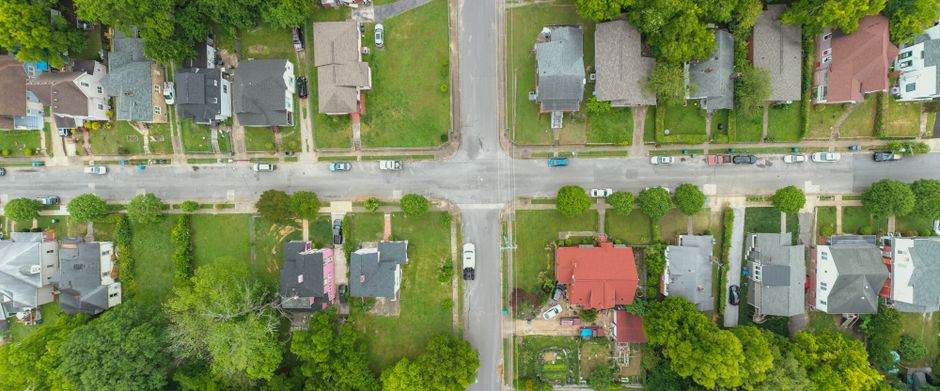
Just across the state line in Kansas, Leawood and Overland Park have become retirement magnets. They're affluent suburbs with good schools (which matter less to retirees but reflects overall area quality), low crime rates, and consistent property values. Several retirees I talked to chose these areas specifically for stability.
Kansas has different income tax structure than Missouri—currently no tax on retirement income for many people, which matters significantly if you're drawing from pensions or withdrawing from retirement accounts. That difference alone changes the financial calculation. Property taxes in these areas tend to be higher than Missouri side, but the income tax benefit can offset it.
The cost of living isn't quite as low as central Kansas City proper, and these are definitely car-dependent suburbs rather than walkable neighborhoods. But if your retirement priorities are safety, stability, and favorable tax treatment for investment income, they deserve serious consideration. The downside is that they lack the cultural and urban appeal of Midtown or the Plaza.
Blue Springs and Lee's Summit: Smaller-Town Alternatives
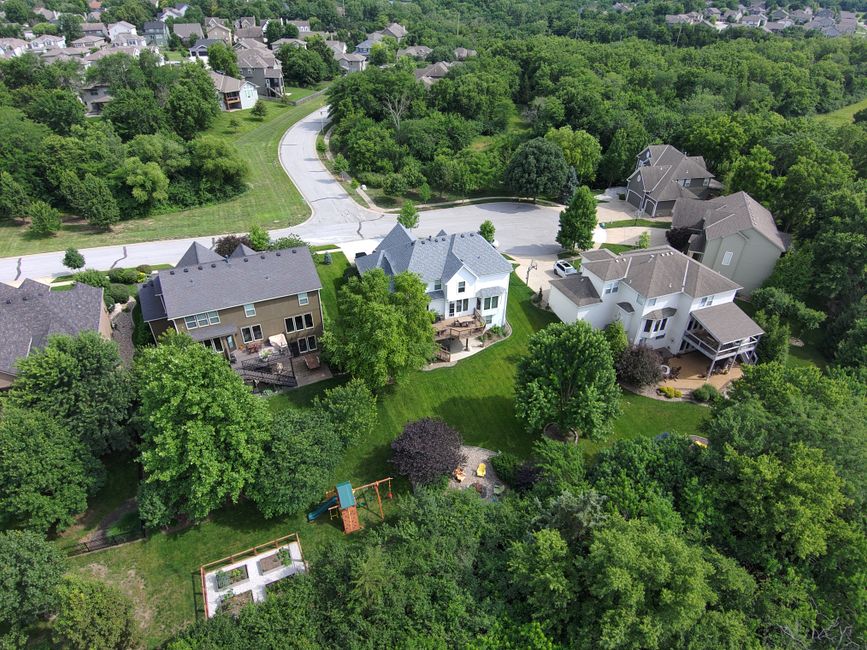
About 30 minutes east of downtown, Blue Springs and Lee's Summit feel like actual towns rather than city neighborhoods or suburbs. Both have historic downtowns that have seen investment in recent years—Lee's Summit's in particular has a genuine community identity. Cost of living drops further out here, and you start seeing acreage options if that appeals to you.
These areas skew slightly older demographically, which means you'll find established retirement communities and a general sense that people your age have already moved there. The downside is obvious: you're further from major medical centers, entertainment, and the kind of urban energy some retirees seek. The drive to Kansas City's core becomes a factor.
But if you want small-town life with reasonable access to the city, they work. Real estate is genuinely affordable. Property taxes are lower. And both towns have spent the last decade trying to revitalize, which means actual local energy rather than total stagnation.
The Honest Bottom Line
Kansas City works as a retirement destination if your priorities align with what it actually offers. It's affordable without being cheap in the financial-wasteland sense. Healthcare is accessible if you choose neighborhoods strategically. The climate is real—you will have winters—but it's not prohibitive. Taxes are moderate, neither terrible nor great.
The city has identity and character. It's not generic. People care about neighborhoods, support local institutions, and seem generally satisfied with their lives here. That matters more than any single metric.
Is it right for you? That depends on whether you want vibrant urban walkability (look at Midtown), suburban stability and tax benefits (Kansas side), or small-town life (east), and whether you can stomach real winters. It's not a year-round 72 degrees kind of place. But as a place to spend your retirement years without financial stress, with decent healthcare, and in a city that doesn't feel like it's slowly dying—yeah, Kansas City holds up.