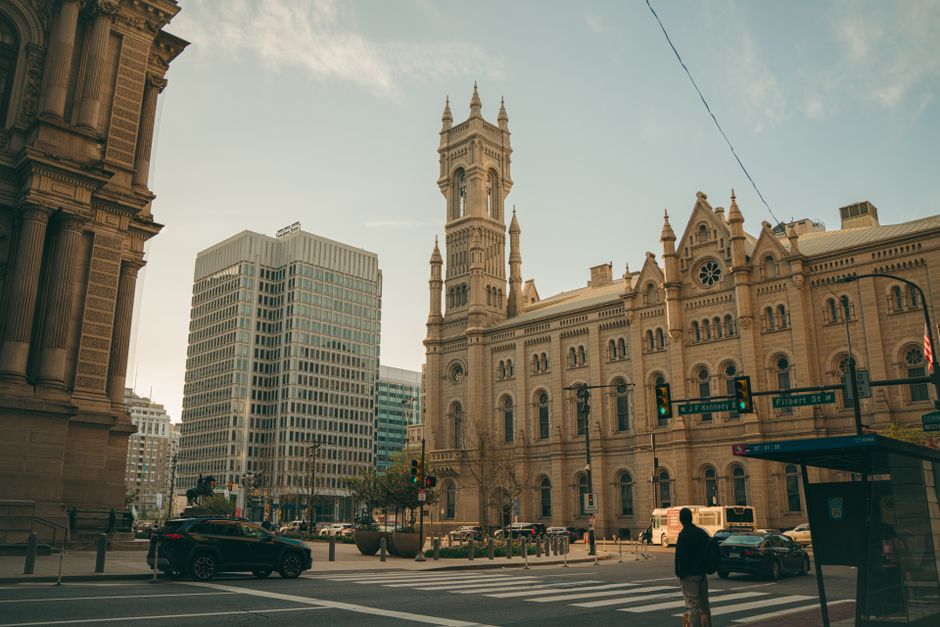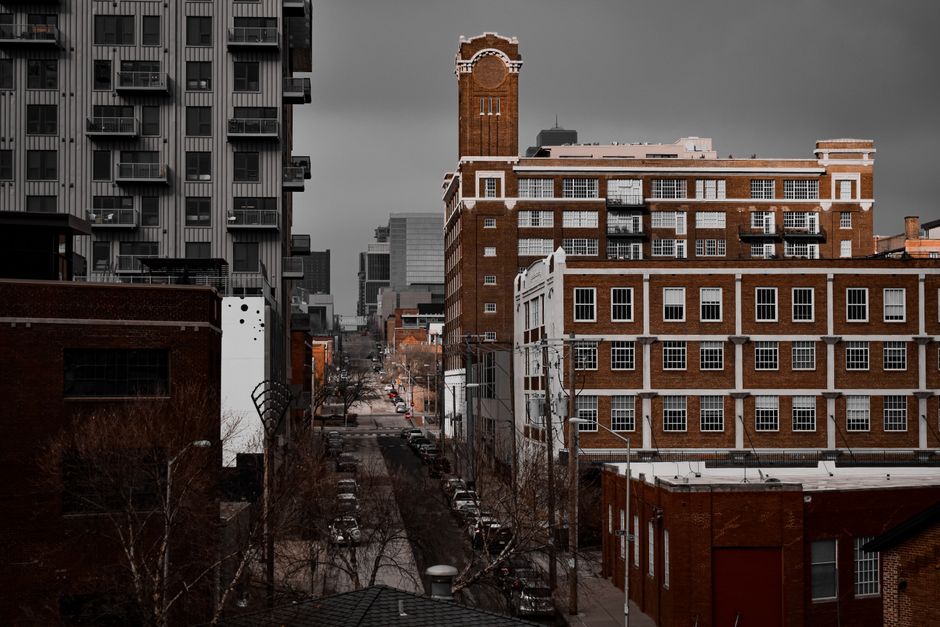
I rolled into Kansas City on a Thursday evening, the kind of mid-continent dusk where the sky turns orange and the city lights start flickering on across the skyline. Like any solo traveler, my first instinct was to download a safety app and scan Reddit threads about which neighborhoods to avoid. What I found was the usual mix of outdated warnings and local knowledge, some helpful and some just paranoid.
After spending weeks here, talking to bartenders, cab drivers, hotel staff, and longtime residents, I've come away with something clearer than the usual travel-guide hand-wringing: Kansas City is a mid-sized American city with real neighborhoods, some thriving and bustling, others struggling. It's not dangerous in the way some travel blogs suggest, but it's not a place to wander randomly at 2 a.m. either. The smart approach is straightforward—know where you're going, stick to populated areas after dark, and use the same street sense you'd use in any city.
The Neighborhoods Most Travelers Should Avoid After Dark
The areas that police data and local residents consistently flag as higher-crime include sections of the Northeast and East sides—particularly around Troost Avenue and portions of the 23rd Street corridor. I'm not naming specific blocks because that's not useful; what matters is that these neighborhoods have documented higher rates of violent crime, and they're not places where solo tourists typically end up anyway.
The Westport area, which is popular for nightlife, has pockets where you need to be selective about timing and route. The entertainment district itself is fine during busy evening hours, but the residential blocks immediately bordering it can feel sketchy if you're walking alone late at night. I watched people spilling out of bars at midnight—plenty of safety in numbers—but I wouldn't recommend solo walks through adjacent streets after 1 a.m.
The Independence Avenue corridor on the east side has seen economic decline, and while it's not a war zone, it's not somewhere I'd recommend solo travelers spend time, especially after dark. The area lacks the foot traffic and lighting that make a city feel safe at night.

Where It's Actually Fine to Spend Your Time
Downtown and the Crossroads Arts District are genuinely walkable and well-traveled, even in the evenings. I spent several nights walking between restaurants and galleries, saw families out, heard street music, passed other solo diners heading to dinner. The presence of people and decent lighting makes these areas feel safe in the way most downtown cores do.
The Midtown/Plaza area is well-established and busy. Crown Center is actively managed and has security presence. Union Station, despite its reputation in older travel guides, is fine during the day and early evening—it's a working transit hub with police and regular foot traffic.
Westport itself, especially the blocks immediately around the main commercial strip with restaurants and bars, is safe during dinner and early-evening hours. Once you're deep into the bar scene past midnight, the calculus changes, but that's true everywhere.
Country Club Plaza, the neighborhoods around it, and the Brookside area are residential but pleasant and fine for daytime exploration. These are real neighborhoods where people live, not tourist zones, but they're stable and well-lit.
Practical Safety Habits That Actually Work
Use rideshare or cabs after dark instead of walking between venues, especially if you've been drinking. It's cheap enough that it shouldn't be a question. Uber and Lyft are active here, and the cabs are plentiful. I took maybe a dozen rideshares during my stay, and the longest wait was four minutes.
Stick to main thoroughfares and well-lit commercial strips. If you're exploring, do it during daylight. Take a daytime walk through neighborhoods you're curious about, then decide if you want to return for dinner or drinks. That's not paranoia; that's just how you get to know a city.
Don't flash money or expensive gear. Keep your phone secure. Don't leave valuables visible in a rental car. These are baseline city smarts, but people sometimes get sloppy in places they perceive as "safer" than their home city. Kansas City isn't dangerous, but it's not immune to petty theft either.
Trust your gut about people and situations, but don't let fear paralyze you. I had a few interactions that felt off—someone asking for money in a parking lot, a guy catcalling near a bus stop—and I just moved on. These things happen in every city, and they didn't make me feel unsafe overall.

Public Transit: When It Works and When to Skip It
Kansas City's bus system (MARC) is decent for getting around, but frequency drops significantly in the evenings and at night. I used buses successfully during the day to cross town. Evening buses were less crowded, which meant fewer eyes around, so I switched to rideshare for evening trips.
The streetcar is new-ish, runs through Downtown and the Crossroads, and feels safe and relatively well-monitored. It's a nice way to move around the central areas without worrying about where you parked.
If you're driving, parking in garages is standard procedure downtown—street parking exists but garages are your better bet for peace of mind. The city isn't a particular hotbed of car theft, but you're in a Midwestern city, not a resort.
The Reality Check Nobody Talks About
Kansas City averages higher violent crime rates than some comparable mid-sized cities, but significantly lower than cities like St. Louis or Baltimore. The violence is concentrated in specific geographic areas and is often tied to gang activity or domestic disputes—the kind of crime that doesn't typically involve random tourists.
You're statistically safer as a solo traveler in Kansas City than you would be in many places people visit without a second thought. The real issue is boring logistics: knowing where things are, planning your route, not wandering around lost at midnight.
I talked to solo female travelers who felt comfortable here, older solo travelers, and younger backpackers. The common thread was that they stuck to established commercial areas, moved between places deliberately instead of aimlessly, and didn't let fear keep them from actually enjoying the city.

What Makes Kansas City Feel Safe When It Is
The city has active neighborhoods with restaurants, bars, and galleries that draw a real cross-section of people. When a place is genuinely busy—not crowded, just busy—it automatically feels safer. The Crossroads on a Friday evening has artists walking between studios, people grabbing dinner, folks heading to shows. That's the environment that keeps you safe, not surveillance cameras.
The city's casual friendliness helps. I asked for directions multiple times and got genuine help every time. That's a small thing, but it matters. Cities where people are willing to engage with strangers tend to be cities where strangers look out for each other.
Kansas City has a genuine identity and a culture that's not performing for tourists. That means there's a reason to be here beyond checking boxes, and it also means the city isn't pretending to be safer than it is. People know the trade-offs.
The Bottom Line
Solo travel in Kansas City requires the same baseline attention you'd give any American city of its size. Avoid the neighborhoods I mentioned, especially after dark. Stick to populated commercial areas if you're moving around in the evening. Use rideshare when it makes sense. Keep your valuables secure.
Don't let the crime statistics or outdated travel warnings keep you from experiencing the city. The jazz history, the barbecue scene, the Crossroads galleries, the friendly locals—these are real, and they're accessible without significant risk if you use common sense.
I left Kansas City having felt generally safe and thoroughly charmed. I'm not exaggerating that. That's what matters.