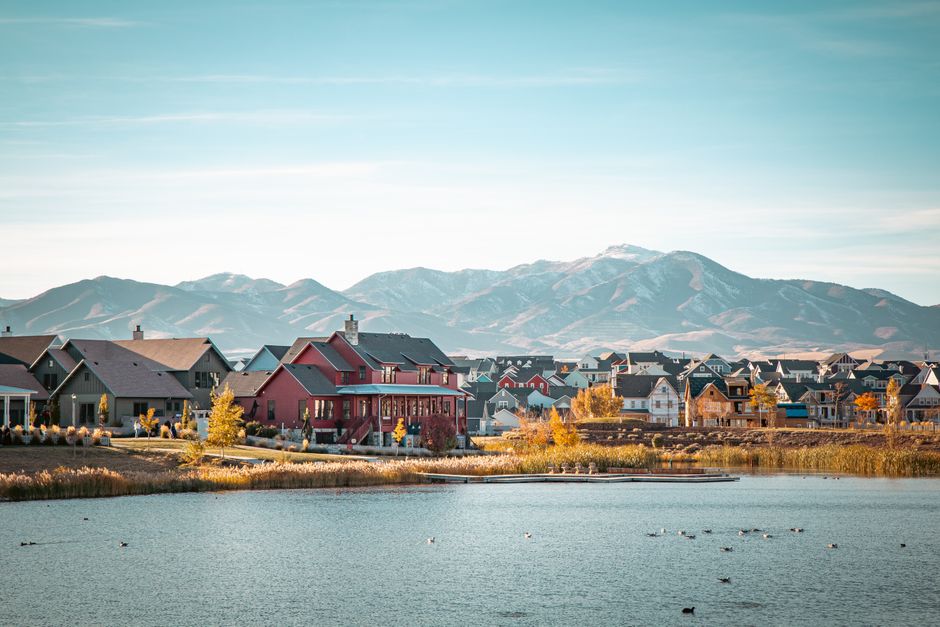
I landed at SLC International on a clear October afternoon, the Wasatch Mountains already catching the first real snow of the season. After spending the last few years chasing stories across the Southwest, I kept hearing the same thing from older friends and travelers: Salt Lake City keeps coming up as a realistic retirement option. Not a sales-pitch paradise. Just somewhere that actually works for people getting older. So I spent the better part of a month talking to retirees, poking around neighborhoods, checking healthcare facilities, and trying to get a real read on what life actually costs here versus what the brochures claim.
What I found is mixed—but in a way that's more honest than most travel writing allows. Salt Lake City isn't cheap anymore, especially downtown and the foothills. But compared to coastal retirement destinations, it's still rational money-wise. The weather is severe enough that it matters. Healthcare is solid. And there are a few towns just outside the city where a lot of people who've actually retired are actually living. Let me walk through what I learned.
Cost of Living: Reasonable, But Climbing
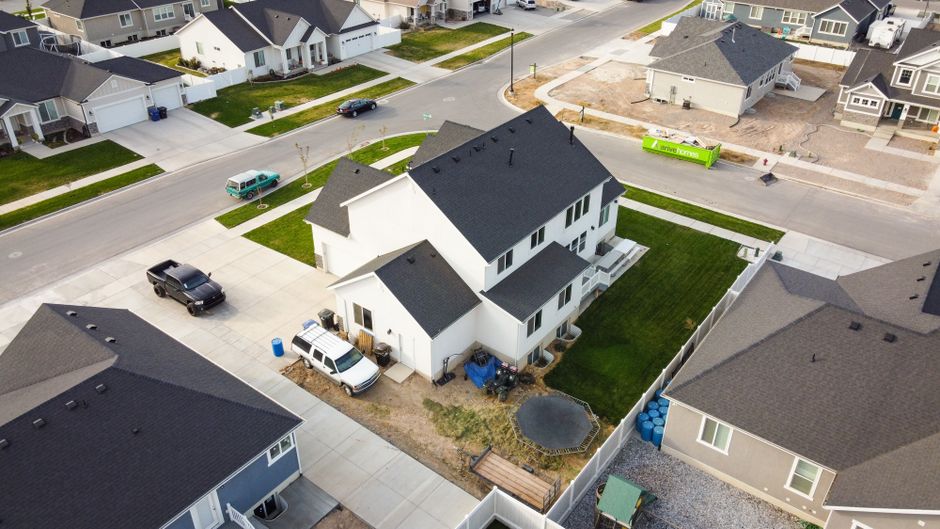
Housing is what'll grab your attention first. Salt Lake County has seen serious appreciation over the last five years. A modest two-bedroom home in walkable neighborhoods like Sugarhouse or Cottonwood Heights runs $400,000 to $550,000 easy. Condos and townhomes are cheaper, typically $250,000 to $350,000, but inventory is tight. Rentals, if that's your route, are running $1,400 to $2,200 for a decent one-bedroom depending on location and how recently it was renovated.
Everything else—groceries, utilities, dining out—tracks pretty close to the national average. Groceries run maybe 3 to 5 percent above national average. Electricity can spike in summer if you're air-conditioning constantly, and heating in winter, though Utah's dry climate means less energy waste than humid regions. Gas and transportation costs are typical. One tangible advantage: there's no state sales tax on groceries, which does add up if you're eating three meals a day.
The real friction point is property taxes. Utah's state property tax rate is among the lowest in the country, but Salt Lake County itself applies additional taxes that push effective rates to around 0.6 to 0.7 percent of home value annually. In practice, that means on a $400,000 home, you're looking at roughly $2,400 to $2,800 a year in property tax. It's not crushing, but it's not insignificant either.
Healthcare: Good Coverage, Convenient Access
Salt Lake City has legitimate medical infrastructure. University of Utah Health is the regional heavyweight—solid academic medical center with a strong reputation for cancer care, orthopedics, and cardiology. They've got multiple hospitals and a network that spreads across the state. Primary care, specialists, and preventive services are readily available. I talked to a few retirees on Medicare, and they all said finding providers accepting Medicare is straightforward here, unlike some rural areas.
If you're a salt-lake-born-and-raised Mormon, the LDS Hospital (now part of Intermountain Health) is another major player and historically integrated into the community. Intermountain Health operates clinics and urgent care across the valley, which helps if you need something quick and don't want to trek to the main campus.
One thing worth noting: the altitude. Salt Lake is at 4,226 feet above sea level. For some people, especially those with existing respiratory or cardiac issues, that takes adjustment. Most newcomers acclimate in a few days, but it's real. If you have serious lung or heart conditions, you might want to spend a week here first before committing to a move. And while healthcare here is good, it's not exempt from national trends—finding dentists and mental health providers can be competitive depending on which insurance you carry.
Weather: Dry, Cold Winters; Real Summers
This is where people get blindsided if they don't think it through. Salt Lake winters are long and legit. November through March, you're looking at snow, temperatures routinely dipping below freezing, and stretches of gray. It's not Alaska, but it's not mild. If you've spent retirement years in Arizona or Southern California, this will feel like a shock. On the flip side, the snow is dry and manageable because of the low humidity. Shoveling here is different than shoveling wet, heavy snow on the East Coast.
Summers are actually short and mild—perfect, honestly. Temperatures peak in July and August around 90 degrees, but humidity is nearly nonexistent. Evenings cool down significantly. Spring and fall are gorgeous. The Inversion—a phenomenon where cold air traps smog in the valley for weeks—is real in winter and can affect air quality and mood. It's not every winter, but it's common enough that you should factor it in if you have respiratory sensitivity.
The thing nobody mentions is how much daylight changes. Summer daylight stretches to about 15 hours. Winter drops to nine. If you're sensitive to that, it's worth knowing upfront.
Taxes: State-Level Overview
Utah has no sales tax on groceries and no local income tax—only state income tax. The state income tax rate is a flat 4.65 percent, which is one of the lowest in the nation. That sounds good on paper, but here's the math: if you're living on Social Security and investment income, you'll pay tax on the investment portion at that rate. If you're mostly living on Social Security, you're likely in a better spot than someone relocating from, say, California, where state income tax is much steeper. But check with an accountant about your actual situation because retirement income sources vary wildly.
There's no inheritance tax in Utah, which matters if you're thinking about what you leave behind. Estate planning is important regardless of where you live, but the lack of state-level complications here is one small advantage.
I should be clear: I'm giving you the framework, not tax advice. The actual impact on your retirement taxes depends entirely on your specific income sources, citizenship status, and which state you're moving from. A CPA who handles retirement income is probably a good investment before you make a move.
Sugarhouse: The Walkable Choice
Sugarhouse is where a lot of active retirees end up, and I understand why. It's a real neighborhood, not a gated community for old people. Tree-lined streets, local coffee shops that aren't chains, restaurants on South 1100 East and around 2100 South. You can walk to groceries. It's close enough to downtown and the university that there's actual street life. Young families, students, long-time residents, and retirees sharing the same zip code.
Housing here is expensive. We're talking $450,000 and up for a house with character. Condos and smaller properties run $300,000 to $400,000. Walkability and that sense of being in an actual functioning neighborhood—not a retirement enclave—is what you're paying for. Some retirees I talked to had downsized from family homes and were renting in Sugarhouse because they wanted flexibility and didn't want to deal with property maintenance. Rents run high, but you save on repairs, and you can move easier if the neighborhood stops working for you.
The neighborhood has a gym, clinic access, and enough bars and restaurants that you're not eating every meal at home. It's urban enough that you don't feel isolated, quiet enough that you can still sleep.

Cottonwood Heights and Holladay: Suburban, Quieter
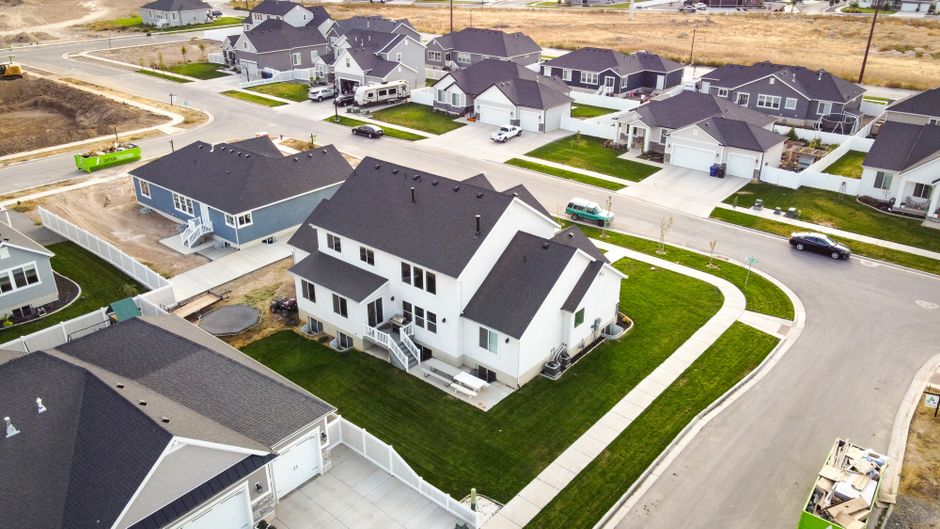
If you want something less dense than Sugarhouse but still close to services, Cottonwood Heights and Holladay are where a lot of retirees have actually settled. Both are just east of Salt Lake proper, nestled against the Wasatch. Prices are somewhat lower than Sugarhouse—you can find homes in the $350,000 to $450,000 range—and you get more space and yard. Holladay especially feels suburban but not isolated. Grocery stores, doctors, pharmacies are all nearby. Snow removal in winter is a reality, but roads are well-maintained.
Cottonwood Heights has more of that foothill feel—a little more land, a little more expensive. Both places skew older demographically, which means good neighbor relations but also that you're actually in a place where retirement is normal, not weird. School buses aren't a constant presence. It's quieter. The trade-off is you're more car-dependent for social stuff. If you want to catch a concert downtown or go to a restaurant in the city, you're driving or taking transit. For some people, that's fine. For others, it's isolation.
Heber City: A Smaller Alternative
About 30 minutes southeast of Salt Lake, Heber City is worth a separate conversation. It's smaller—roughly 12,000 people—but it's not a dying mountain town. It's becoming a bedroom community for people who want mountains and space but still want access to decent shopping and services. Housing is cheaper. A nice home can run $300,000 to $400,000. Winters are longer and snowier than Salt Lake, which matters if you're not into winter outdoors. But the mountains are right there, the pace is slower, and there's an actual community feel.
Health services are more limited. Heber Valley Medical Center covers most primary and urgent care, but anything complex usually routes back to Salt Lake. Some retirees I talked to liked that trade-off: simpler life, more outdoor recreation, willing to drive for specialized care. Others didn't want the isolation. The airport is 45 minutes away. It's not for everyone, but if you've spent your life outdoors and want to keep being outdoors while being retired, it's worth a serious look.
Practical Last Thoughts
Salt Lake City works as a retirement destination if you want walkability and culture in an urban setting with relatively low costs compared to Portland or Denver. It works if you don't mind—actually, if you like—winter. Healthcare is solid. You can afford housing without being rich. The tax structure isn't punitive. But it's not a desert paradise. It's a real place with real weather.
Before you commit, spend a winter here if you can. Rent an apartment or house for January and February. Walk around at 6 p.m. when it's dark. See how the inversion makes you feel. Talk to retirees in the neighborhoods you're considering, not just to real estate agents. And factor in whether you actually like skiing or outdoor winter activities, because if you're going to be here, you might as well lean into what makes this place distinct.
Salt Lake isn't everyone's answer. But if you're serious about retiring somewhere with decent healthcare, manageable costs, real seasons, and a town that's actually still becoming something rather than fading, it deserves a real look.