
I arrived in Salt Lake City on a Tuesday evening in March, rolling my bag out of the airport into that crisp mountain air everyone talks about. The first thing that struck me wasn't the mountains or the snow—it was how normal everything felt. Wide streets, clear sightlines, plenty of people out. I'd done my homework before arriving, read the usual travel blogs, checked the local subreddit. The overwhelming consensus: Salt Lake is reasonably safe for solo travelers, especially compared to other major cities. That doesn't mean you check your brain at the door, though.
What I'm about to tell you isn't meant to scare you away. Most of Salt Lake City is genuinely fine to navigate alone. The downtown core, the avenues, the university area—these places hum with normal urban life. But like any city, there are patterns worth understanding, times to be more deliberate about your choices, and neighborhoods where you simply don't wander around alone at 2 a.m. I'm going to walk you through what that actually looks like on the ground.
Downtown and the Core Tourist Areas
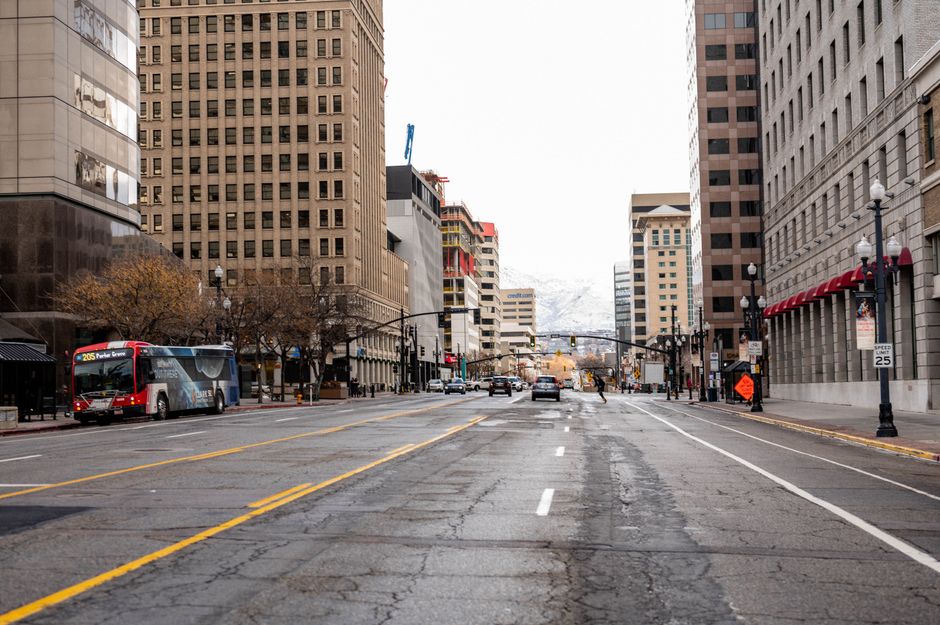
Downtown Salt Lake is your safest bet for walking around solo at most hours. Temple Square and the surrounding blocks are well-maintained, heavily trafficked, and you'll see families, tourists, and office workers mixing freely. I spent several evenings walking from the Main Street mall down toward the Convention Center and never felt uncomfortable. The streets are bright, the police presence is visible without being heavy-handed, and there's enough foot traffic that you're rarely truly alone.
The one practical note: like most downtown cores, don't linger in unlit parking garages or empty side streets after dark. Park in well-lit lots if you're driving, and if you're walking back to your hotel after 10 p.m., stick to the main routes. The Gateway district (between downtown and the lake) is similarly safe and increasingly busy with shops and restaurants. I'd classify this whole area as your lower-risk zone. Stay aware, sure, but this is where you can genuinely relax.

The Avenues and Residential Neighborhoods
If you're staying in the Avenues (the tree-lined neighborhoods climbing east from downtown), you're in one of Salt Lake's most desirable residential areas. It's upscale, quiet, and very safe. I walked through there on a few Saturday mornings and it felt like a neighborhood you'd find in Boulder or Asheville. The kind of place where people are out walking dogs and people actually say hello. Solo travel here feels entirely normal and low-risk.
But here's what matters: these neighborhoods aren't particularly walkable to where tourists actually want to go. You'll need transit or a car to reach restaurants, shops, or nightlife. If you're staying in a hotel, you're probably not in the Avenues anyway. And once you move farther into some of the neighborhoods north and east, you're getting into areas that are fine during daylight but where I wouldn't personally wander around alone after dark, especially if you're unfamiliar with where you're going.
Transit, Rideshare, and After-Dark Movement
Here's the honest part: Salt Lake City's public transit (UTA) is fine and generally considered safe, but it's not dense like you'd find in Portland or Seattle. If you're heading out in the evening—to dinner, to a bar, to a show—rideshare is genuinely your best bet. I took Uber and Lyft multiple times and fares were reasonable. The alternative is driving your own car if you have one, which cuts out the whole equation.
The reason I mention this specifically: solo travelers who rely purely on walking and public transit after 10 p.m. might find themselves on late-night buses with a smaller, less mixed crowd than daytime. It's not a regular crime concern according to local reports, but it's a scenario where you're more visible and more vulnerable simply by volume of people around you. Use rideshare or don't go out late. That's not paranoia—that's how most solo travelers successfully navigate any city. Walking home alone at 1 a.m. isn't a personality trait.

Areas to Avoid or Move Through Carefully
Let's be direct: the neighborhoods immediately south and west of downtown—areas like Poplar Grove, portions of Glendale, and parts of West Salt Lake—show up consistently in local crime statistics as having higher property crime and occasional violent incidents. This isn't me inventing drama. Local police reports and resident discussions on neighborhood forums confirm this. The thing is, there's no reason for a solo tourist to be there anyway. These aren't areas with restaurants, attractions, or hotels you'd book.
What matters is knowing: if you're using GPS and it tries to route you through an unfamiliar neighborhood at night, trust your instinct. Stick to downtown, the avenues, the university area, and established restaurant districts like Sugar House. If you're genuinely curious about exploring beyond the typical tourist path, do it during daylight, with a local, or with good research first. I spent time in neighborhoods that were a bit grittier than downtown, and I did it deliberately and with my wits about me. No problems, but I also wasn't wandering blind at midnight.
The University Area and South Salt Lake
The University of Utah neighborhood (along with The University's immediate surroundings) is active, well-lit in most places, and feels collegiate in the way you'd expect. Students everywhere, coffee shops, bars, bookstores. I felt safe walking around here solo during the day and early evening. It's got energy. The surrounding blocks are less polished than downtown, which is fine—that's what college towns look like.
South Salt Lake, extending toward Sandy, is where you're getting into more sprawling, car-dependent territory. Less walkable, fewer reasons to wander, fewer people on the street. Not dangerous in an acute way, but also not designed for solo pedestrians exploring. Sugar House (a neighborhood just east of downtown) is another story—it's trendy, walkable, and full of restaurants and shops. Daytime and early evening there are totally fine. Again, rideshare or planned routes after dark.
Common Sense and Your Own Radar
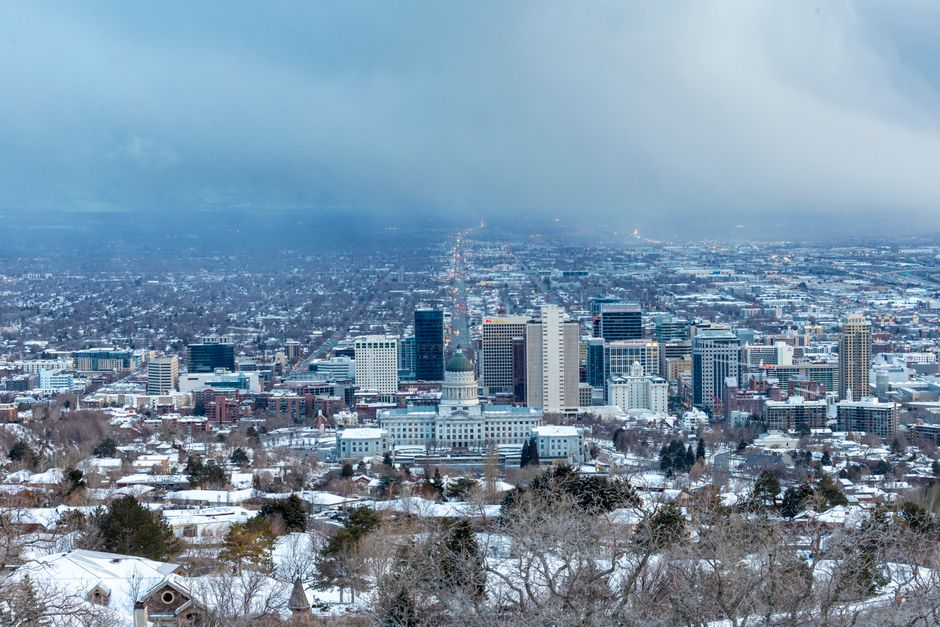
The biggest safety variable for solo travelers isn't geography—it's judgment. Stay aware of who's around you. Keep your phone charged and know where you're going before you arrive. Don't accept drinks from strangers. Don't flash expensive gear or leave your bag unattended. These aren't Salt Lake City-specific; they're travel 101.
One thing I noticed: Salt Lake City residents are generally helpful and direct. If you ask someone for directions or seem lost, people will actually engage. That's a small but real advantage when you're traveling solo. I got turned around a few times and locals steered me right every time. That kind of social reciprocity matters when you're navigating on foot.
What Actually Happens in Salt Lake
Property crime is the real concern in Salt Lake City, not street violence. Car break-ins and bike theft show up more often in police reports than assaults. If you're renting a car, don't leave anything visible in it. If you're using a bike share or bringing your own bike, lock it properly. These are the patterns that matter most.
Violent crime against tourists is rare enough that it barely registers in conversations with locals. I asked around specifically and got the same answer from everyone: just don't be stupid, stay in lit areas after dark, and use common sense. That's your guardrail. Salt Lake City's reputation as a relatively safe city is well-earned. You're not taking on extraordinary risk by being here alone. You're just following the same rules you'd follow anywhere.
The Bottom Line
Solo travel in Salt Lake City is absolutely doable and genuinely low-stress if you stick to a few principles: stay downtown or in established neighborhoods during the day, use rideshare or planned transit for evening outings, don't wander into unfamiliar areas after dark, and treat your belongings with the same caution you'd use anywhere. The city has good infrastructure, helpful residents, and plenty of places designed for solo travelers to hang out comfortably.
I left Salt Lake City feeling like I'd moved through a functional, reasonable city where I could take care of myself and trust my surroundings most of the time. That's all you can ask for.



