
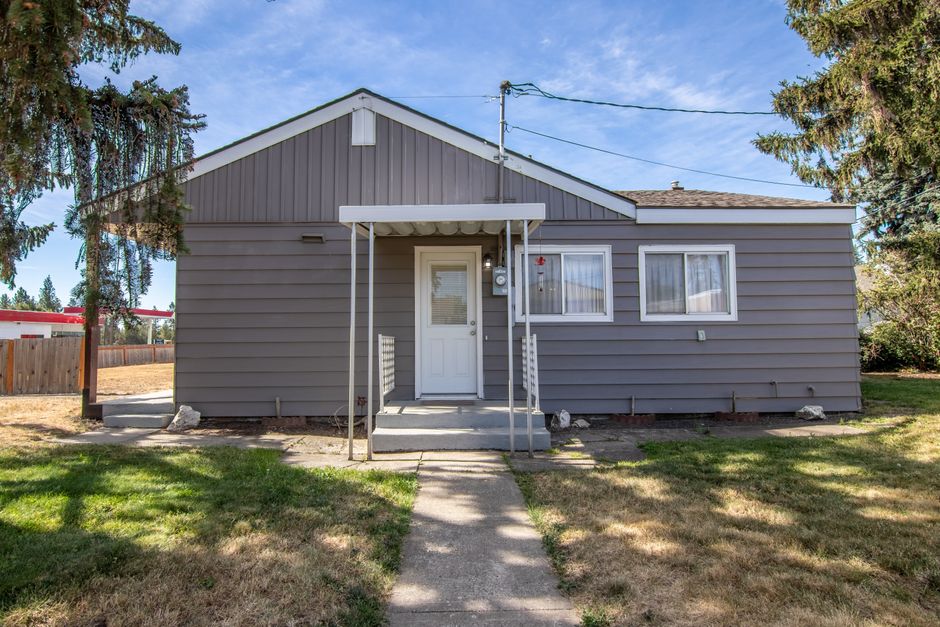
I arrived in Spokane on a February afternoon and immediately understood why retirees keep trickling in from the coasts. The sky was uniformly gray, sure, but the houses on Ninth Avenue had actual yards. A coffee at the local roaster cost under four dollars. Nobody was jogging past in $300 athletic wear, and the traffic moved. Within hours I'd seen three different "Welcome, Retirees" community bulletin boards.
Spokane isn't trying to be trendy. That's partly why it works as a retirement destination. The city sits 250 miles east of Seattle with its own character, lower costs, and enough medical infrastructure to keep you from feeling stranded. But it's not perfect, and the things that make it affordable also mean trade-offs in climate, job diversity, and healthcare specialization that matter before you commit.
The Cost Question
Housing is legitimately cheaper here than in Pacific Northwest metros. A modest two-bedroom house in an established neighborhood runs $300,000 to $450,000—less than a down payment on Seattle's eastside. Rental apartments for a single retiree hover in the $900 to $1,300 range depending on location and amenities. Property taxes are reasonable, roughly 0.84% of assessed value statewide, which works out to roughly $3,000 annually on a $350,000 home.
Groceries, utilities, and dining out all track notably below the Puget Sound. A basic grocery run for two people typically costs $100 to $120 per week; a decent dinner out runs $15 to $25 per person without alcohol. Car maintenance, haircuts, healthcare copays—everything inches lower. This isn't dirt-cheap like rural Montana, but it's markedly different from Portland or Seattle pricing.
Washington State has no income tax, which matters on every dollar of Social Security, retirement account withdrawals, or passive income. Property tax is the main lever the state uses instead, so owning real estate carries weight. Sales tax runs 8.9% in Spokane proper, higher in some surrounding areas—not the highest in the nation, but present. If you're planning to retire here, run the numbers on your specific income sources; the math often works favorably, especially if you're drawing from Social Security and qualified dividends rather than W-2 employment or frequent business income.

Winter and What Comes with It
Spokane gets real winter. December through early March means snow, freeze-thaw cycles, and gray skies that stretch eight hours at most. The city averages about 50 inches of snow annually—enough to matter, not enough to paralyze the place. Roads clear quickly by Pacific Northwest standards. But if you hate cold and gray, do not retire here thinking you'll be fine. Three months is one thing; four months is another.
The flip side: summer is genuinely pleasant. July and August bring dry, warm weather (high 70s to low 80s) with low humidity and long daylight. Spring and fall are real seasons—not instant transitions. If you've spent decades on the California coast or Southwest, you need to visit in January and sit with that feeling before deciding. Some retirees thrive in the rhythm; others move within a year.
Healthcare: Get Specifics Before Moving
Spokane has two main hospital systems—Providence Health and Meritus Health—along with a growing number of independent clinics and specialists. Providence operates a sizable medical center on the north side and provides the bulk of major services. For routine care, preventive visits, and common issues, the infrastructure is solid.
The caveat: if you require specialized treatment (oncology beyond basic chemotherapy, complex cardiac surgery, rare neurological work), you're likely traveling to Seattle or even flying to a major academic center. Spokane is a referral destination for Spokane County and parts of Eastern Washington, not a referral destination for the Pacific Northwest. Talk to your current doctors about what happens if you need subspecialty care, and factor in travel time and logistics. Costs for routine care are lower than coastal metros, which helps offset some specialist referral overhead.

Browne's Addition and the Historic Core
Browne's Addition sits immediately west of downtown—brick Victorians, tree-lined streets, and a neighborhood feel that appeals to active retirees who want to walk to coffee shops and restaurants. Prices range from $350,000 to $700,000+ depending on size and restoration level. Some homes are beautifully renovated; others need work. The neighborhood draws younger professionals too, so it's not a retirement enclave, but it has bones and walkability.
The surrounding downtown area itself has revitalized substantially in the last decade. River Park Square (a downtown mixed-use district), the Davenport Grand Hotel, and local businesses have reclaimed blocks that were worn in the 1990s. If you want proximity to arts, restaurants, and a genuine urban pulse, this zone delivers—at a fraction of Portland or Seattle cost. Winter walks require grit; summer use the parks constantly.
South Hill: Quiet and Spread Out
South Hill is suburban Spokane—tree-heavy residential blocks, good schools (irrelevant to most retirees but a factor for those with grandkids nearby), and a slower pace than downtown. Homes range from $275,000 for smaller ranches to $600,000+ for larger properties with views toward the valleys beyond. Crime is lower than downtown, noise is minimal, and you can have an actual garden without your neighbor's fence five feet away.
The trade-off: you need a car for nearly everything. There's minimal walkability to services. South Hill residents drive to restaurants, drive to healthcare, drive to cultural events. If driving is fine with you and you want space and quiet, it's a sensible choice. Winters feel more isolated here; summer is lovely but you're always in the car to enjoy the city's assets.
Liberty and Small-Town Proximity
Liberty is a tiny rural community about 40 minutes south of Spokane near Pullman (home to Washington State University). If you want acreage, true quiet, and small-town life, this area works—land is inexpensive, neighbors are spread out, and you're close enough to Spokane for occasional day trips or medical needs but not close enough to feel the city's pull.
The downside is real isolation. You need a reliable car and tolerance for drives to groceries, restaurants, and healthcare. There's minimal social infrastructure for retirees (no clubs, fewer group dining or activity options). Some people absolutely want this—solitude, land, minimal people. Others discover after one winter that they're too cut off. The larger Pullman area has more retiree amenities and WSU cultural events, making it a slightly more sociable version of the same trade-off.
What You Actually Need to Do Before Deciding
Run a personal tax analysis with an accountant familiar with Washington's structure, especially if you have substantial non-Social Security income or significant real estate holdings already. The no-income-tax advantage can be substantial, but property tax and sales tax matter at different income levels.
Visit Spokane in winter, not summer. Rent an apartment for a week in January or February. See how you feel during the gray, cold stretch. Do this before you buy anything.
Talk to your doctors about specialist care and what you'd do if you needed a specialist not available locally. Get specific answers, not assurances.
Visit the neighborhoods you're considering at different times of day and in different seasons. Chat with residents. Join a local Facebook group or community center and spend time understanding the social fabric. Cost is only one part of retirement happiness.
Frequently Asked Questions
Is Spokane a good place to retire on Social Security alone?
It's more feasible than most West Coast cities due to lower housing, food, and utility costs. A modest Social Security income goes further here than in Seattle or Portland, but you'll still want to budget carefully. No state income tax helps significantly since all of your Social Security is tax-free at the state level. Run your specific numbers through a cost-of-living calculator and build in a 15% buffer for healthcare and unexpected expenses.
How bad are Spokane winters for retirees?
Winters are cold and gray (December through March), with frequent snow and temperatures in the 20s and 30s Fahrenheit. If you have arthritis, breathing issues, or depression related to darkness, this matters. Most roads are managed well, so driving is typically safe. The key is visiting during January before you commit—if three months of gray feels survivable, the rest is manageable; if it doesn't, don't move here.
What are property taxes like in Spokane for retirees?
Washington has no state income tax but relies on property tax (roughly 0.84% of assessed value statewide). On a $350,000 home, expect around $3,000 annually. This is lower than many states but higher than no-tax states like Nevada or Montana. Combined with no income tax, the overall tax picture is favorable for retirees living on fixed income, but property ownership itself carries material costs.
Can I get specialist medical care in Spokane or do I need to go to Seattle?
Routine and many common specialist services are available locally through Providence Health and other providers. Complex or rare conditions often require referral to Seattle, Portland, or major academic hospitals. Before retiring here, confirm with your current doctors whether your specific health conditions can be managed locally or require regular out-of-area travel. Healthcare is adequate for preventive and standard care but not comprehensive for cutting-edge specialists.
Which neighborhood would you retire in?


