
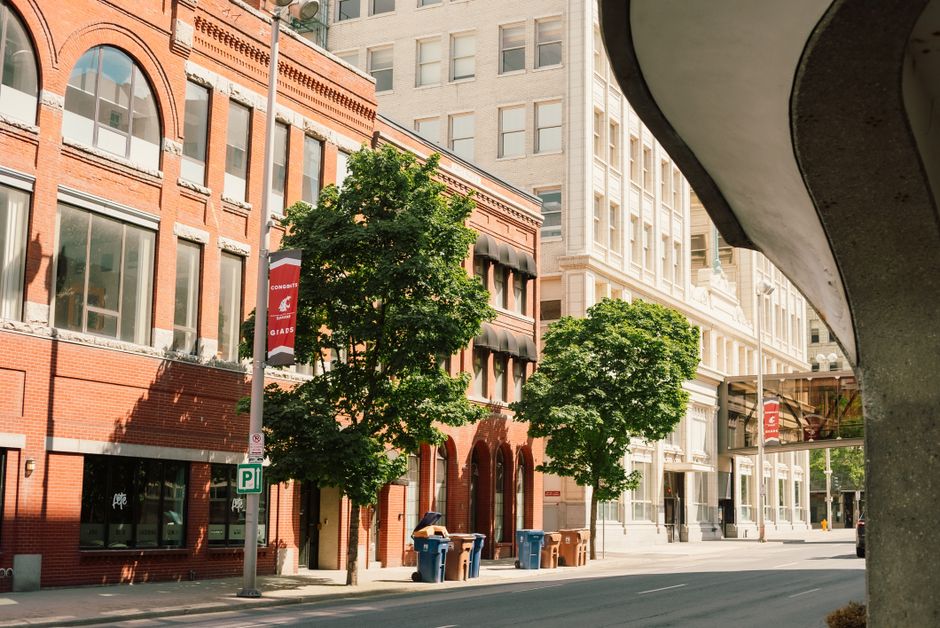
I rolled into Spokane on a gray afternoon in late September, the kind of weather that makes the city feel smaller and more intimate than its 220,000 people might suggest. Downtown was doing that thing mid-sized Pacific Northwest cities do—trying hard, genuinely improving, but still carrying some of the rougher edges of its industrial past. I'm not here to tell you Spokane is dangerous, because it isn't, not in any sensational way. But I'm also not here to pretend I didn't notice the real patterns, the blocks where solo travelers ought to keep their wits about them, and the neighborhoods where you'll feel completely fine at 10 p.m.
The thing about Spokane that most travel guides miss: safety here isn't about tourists getting mugged. It's about understanding a city in transition, where pockets of real hardship coexist with genuinely nice residential areas and a downtown that's actually worth spending time in. I'll tell you what I learned, what the data shows, and what's practical.
Downtown Spokane: The Honest Version
Downtown has character. The Gonzaga neighborhood bleeds into it, the Riverfront Park is genuinely pleasant, and the arts scene along Sprague and Main is real. I spent mornings there without incident, liked the coffee, found myself in conversation with locals who actually seemed to know their city. But here's what's also true: downtown has a visible homelessness issue, and with it comes petty crime, open drug use in some blocks, and the kind of low-level harassment that solo travelers—especially women—encounter regularly.
The safest approach is time-based. Daytime downtown (say, 8 a.m. to 6 p.m.) is fine for walking around alone, hitting the museums, eating, shopping. I felt comfortable. Evenings are workable too if you're staying on well-lit blocks and heading directly somewhere specific. The trouble starts around the edges of downtown after dark—blocks a few streets north and east of the central retail core get thinner on foot traffic, and that's when you should call a rideshare or stick to the main drags. This isn't paranoia; it's just how these cities work.
Neighborhoods Worth Knowing About
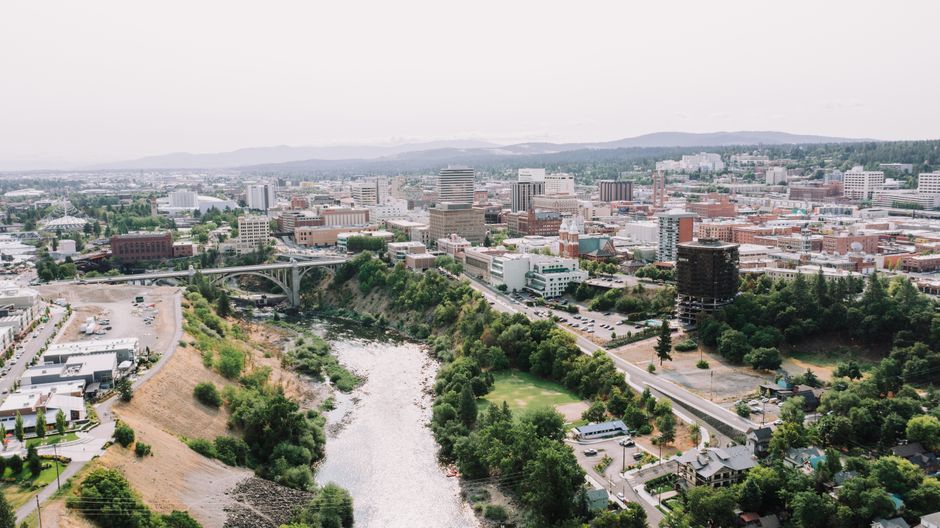
Browne's Addition, just north of downtown, is where locals actually want to live. Tree-lined streets, old Victorians, young families, small restaurants that seem to know their regulars by name. It's walkable at night, feels safe, and has a genuine neighborhood feel that downtown can't quite reach. I spent an evening there and saw exactly what people move to Spokane for.
The University District (around Gonzaga) skews young and student-heavy, which brings its own dynamic. Busy enough that you won't feel alone, but with the occasional late-night rowdiness you'd expect. Reasonable precautions apply—don't walk alone super late on weekends, stick to main streets if you're out past 11. The South Hill is where Spokane's money lives: quiet, residential, not really on a solo traveler's itinerary unless you're visiting someone, but genuinely one of the safest parts of the city.
Areas That Need Straight Talk
The blocks directly east of downtown—roughly around Division Avenue extending northeast—have higher concentrations of property crime, substance use, and street-level disorder. This isn't a fear-mongering thing; it's what the Spokane Police Department's own crime maps show, and it's what residents tell you. If you're staying downtown, there's no reason your day would take you this far east, and at night you definitely shouldn't be wandering that direction on foot.
West Central Spokane has similar issues in pockets. Again, these aren't blanket warnings about entire neighborhoods—parts of West Central are fine—but there are blocks where I would not recommend solo walking, especially after dark. The practical rule: know where you're going. Don't assume a neighborhood name means safety or danger. Use Google Maps or ask your hotel. Look at the street-level view. If something feels off, it probably is, and rideshare costs $8 to $12 in Spokane.
Practical Precautions That Actually Matter
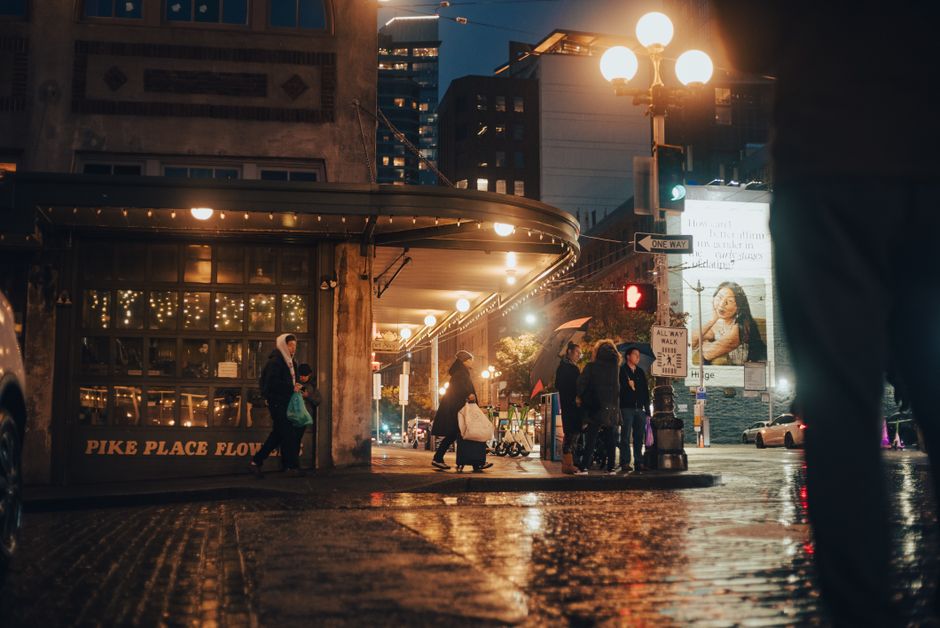
Use rideshare at night instead of walking. Uber and Lyft both operate in Spokane, and a ride anywhere downtown or from downtown to nearby neighborhoods runs $8-15. It's not expensive. Do it. During the day, you're fine walking if you're in downtown or in known safe neighborhoods, but loop your walks back toward well-lit, populated blocks as evening comes on.
Stay aware of your surroundings. Downtown has enough foot traffic that you won't feel alone during business hours, and enough transit options that you don't need to walk if it's getting dark. Keep your phone charged, share your location with someone if you're meeting people, and trust your instincts. I watched solo female travelers having coffee, walking into galleries, catching shows—it happens all the time here. They weren't reckless; they were just attentive.
The Spokane Police Department's non-emergency line is (509) 456-2233. The downtown core has visible police presence, especially during evening hours, which is actually a point in its favor. The city takes downtown safety seriously enough to patrol it.
What You Should Actually Be Doing Instead of Worrying
Spend time at the Riverfront Park. It's genuinely beautiful, especially in fall and summer, and it's well-maintained and well-traveled. The Gonzaga campus is worth a walk if you like college town aesthetics. The North Central neighborhoods have real restaurants and bars where you can actually talk to people. Manito Park if you want green space that feels more removed from the city.
Spolane's real problem isn't crime so much as it is that it's economically struggling in ways that make certain blocks feel less inviting. The city is working on it. Downtown investment is real. But you have to accept that this isn't Seattle or Portland, and you can't let your guard down the way you might in those cities. That's not because Spokane is uniquely dangerous—it's because it's more honest about its problems.
Solo Travel Reality in Spokane
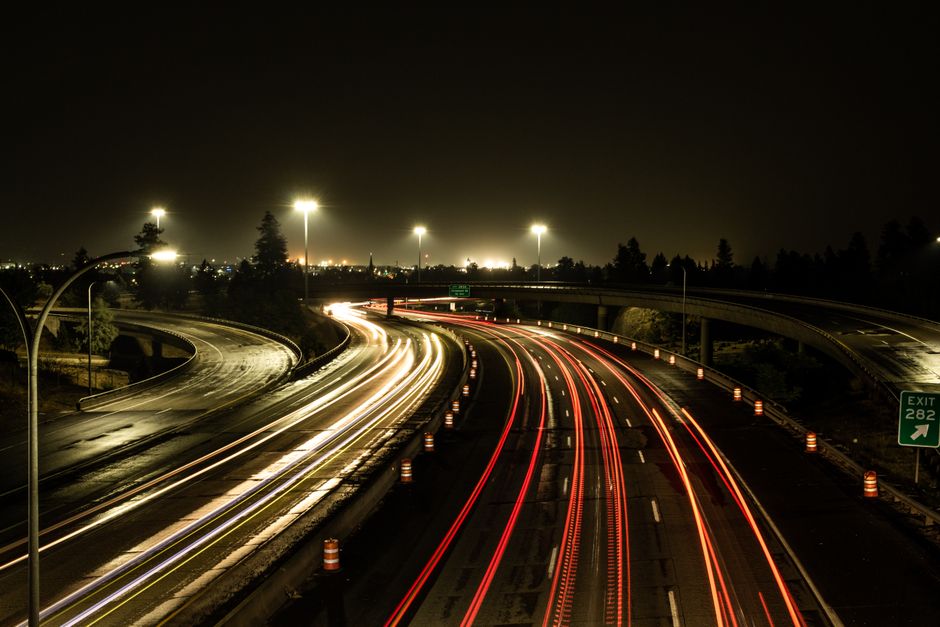
I spent six days here and felt safe most of the time. I took reasonable precautions. I used rideshare when it made sense. I didn't walk around at 2 a.m. looking for adventure. None of that is special or onerous. Spokane is a manageable city if you're paying attention. It's not a place where you need to be paranoid, but it's also not a place where you should be naïve.
The real safety question in Spokane isn't about whether bad things happen—they do, in small concentrations—but whether you're making simple choices that keep you out of those concentrations. You are. Solo travel here works fine if you're attentive, use common sense, and don't treat it like it's made of glass. It's a real city with real problems and real good spots. Approach it that way.


