Is Weed Legal in Pennsylvania in 2023? The Short Answer
If you’re asking is weed legal in Pennsylvania in 2023 — Pennsylvania cannabis laws explained simply: medical marijuana is fully legal for qualifying patients, but recreational marijuana remains illegal under state law. Pennsylvania has not yet passed adult-use cannabis legislation, though active debate continues in the legislature. Possession of marijuana without a valid medical card can still result in criminal penalties.
Table of Contents
- Is Weed Legal in Pennsylvania in 2023? The Short Answer
- Pennsylvania's Medical Marijuana Program: What's Allowed
- Is Recreational Marijuana Legal in Pennsylvania in 2023?
- Pennsylvania Cannabis Possession Laws and Penalties
- Hemp, CBD, and Delta-8 THC in Pennsylvania
- The Push to Legalize Recreational Cannabis in Pennsylvania
- What Visitors to Pennsylvania Should Know
- How Pennsylvania Compares to Neighboring States
- Conclusion
- Frequently Asked Questions
- Key Takeaways
- Medical marijuana has been legal in Pennsylvania since 2016 under the Medical Marijuana Act.
- Recreational cannabis is still illegal in Pennsylvania as of 2023.
- Possession of small amounts may lead to fines and possible jail time depending on quantity.
- Several bills to legalize adult-use cannabis have been introduced but not passed.
- Neighboring states legalizing recreational weed are increasing pressure on Pennsylvania legislators.
Pennsylvania’s Medical Marijuana Program: What’s Allowed
Pennsylvania established its medical marijuana program through the Medical Marijuana Act, signed into law in 2016. The program allows registered patients with qualifying medical conditions to purchase cannabis from licensed dispensaries across the state.
Who Qualifies for a Medical Marijuana Card?
To obtain a medical marijuana card in Pennsylvania, a patient must be diagnosed with one of the state-approved qualifying conditions. These include conditions such as cancer, epilepsy, PTSD, chronic pain, multiple sclerosis, and several others recognized by the Pennsylvania Department of Health.
Patients must register with the state’s medical marijuana registry and receive a written certification from an approved physician. Once certified, they can visit any licensed dispensary to purchase cannabis products.
What Forms of Cannabis Are Legal for Medical Patients?
Pennsylvania’s medical program permits several forms of cannabis, including:
- Oils, tinctures, and capsules
- Topical creams and patches
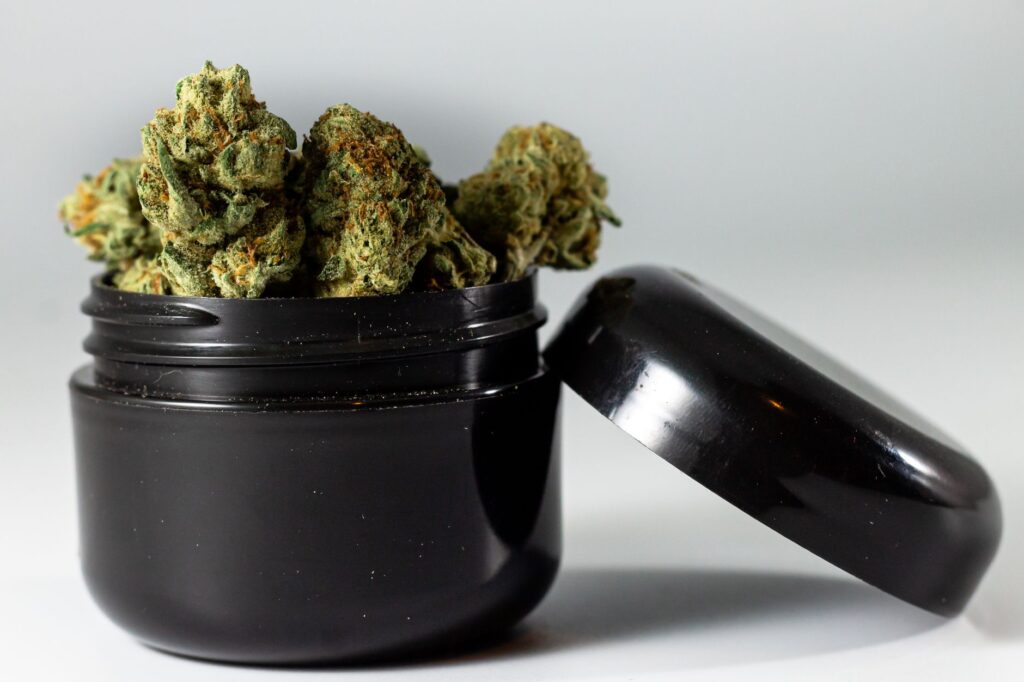
- Dry leaf or plant material (for vaporization, not smoking)
- Pills and tablets
- Liquids for oral administration
Smoking cannabis flower was historically not permitted, but Pennsylvania later amended its law to allow dry-leaf products. However, patients should verify current regulations, as rules can be updated.
Is Recreational Marijuana Legal in Pennsylvania in 2023?
No — recreational marijuana is not legal in Pennsylvania in 2023. Unlike neighboring states such as New Jersey and New York, which have both legalized adult-use cannabis, Pennsylvania has not enacted recreational marijuana legislation as of this writing. Adults without a medical card who possess or use cannabis risk facing criminal or civil penalties under state law.
Governor Josh Shapiro has expressed public support for legalization and has called on the legislature to send him a bill to sign. Both the state House and Senate have seen cannabis bills introduced, but bipartisan agreement has been difficult to achieve. The debate continues, making Pennsylvania a state to watch closely for future changes.
Pennsylvania Cannabis Possession Laws and Penalties
Understanding the penalties for illegal cannabis possession in Pennsylvania is essential for anyone living in or visiting the state. The consequences vary based on quantity and intent.
Possession Penalties
- 30 grams or less: Misdemeanor, up to 30 days in jail, and a fine up to $500 for a first offense.
- More than 30 grams: Misdemeanor with higher penalties, potentially up to one year in jail.
- Possession with intent to deliver: Felony charges that carry significantly higher fines and prison time depending on quantity.
A conviction can also lead to a driver’s license suspension in Pennsylvania, even if the offense was not related to driving. This is an often-overlooked consequence that catches many people off guard.
Local Decriminalization: A Patchwork of Rules
Some Pennsylvania municipalities — including Philadelphia and Pittsburgh — have passed local ordinances that decriminalize small amounts of marijuana. In Philadelphia, for example, possessing 30 grams or less may result in a civil fine rather than criminal charges at the local level. However, these local rules do not override state law, meaning state or federal law enforcement can still enforce the stricter state penalties.
This patchwork of rules means that the legal risk of cannabis possession can differ significantly depending on where in Pennsylvania you are located.
Hemp, CBD, and Delta-8 THC in Pennsylvania
Following the federal 2018 Farm Bill, hemp-derived CBD products with less than 0.3% THC are generally legal in Pennsylvania. You’ll find CBD oils, gummies, and topicals widely sold in stores across the state. However, the regulatory framework around these products, particularly labeling and quality standards, is still developing at both the state and federal level.
Delta-8 THC, a hemp-derived compound with mild psychoactive effects, exists in a legal gray area in Pennsylvania. It is not explicitly banned under state law as of 2023, but it is also not clearly regulated or approved. Consumers purchasing these products should exercise caution and buy from reputable retailers who provide third-party lab testing results.
The Push to Legalize Recreational Cannabis in Pennsylvania
The question of is weed legal in Pennsylvania in 2023 — Pennsylvania cannabis laws explained — often comes up in the context of the state’s evolving political landscape. Multiple factors are driving legalization momentum:
- Neighboring states like New Jersey, New York, Delaware, and Maryland have legalized recreational marijuana, creating border-state pressure.
- Significant tax revenue generated by legal cannabis markets in other states appeals to Pennsylvania budget conversations.
- Polling consistently shows majority public support for adult-use legalization among Pennsylvania residents.
- Criminal justice reform advocates argue that ending cannabis prohibition reduces racially disparate enforcement outcomes.
Despite this momentum, political gridlock and disagreements over details — such as how to structure a retail market and what to do with prior cannabis convictions — have slowed progress. Residents and advocates continue to push for change through both legislative channels and public campaigns.
This type of evolving legal landscape is not unique to cannabis. Across the country, state and local governments regularly revisit their laws in response to shifting public opinion. For example, changes in Illinois law allowing 16-year-olds to pre-register for voting show how states can update their legal frameworks to better reflect community values over time.
What Visitors to Pennsylvania Should Know
If you are traveling to Pennsylvania from a state where recreational cannabis is legal, be aware that you cannot legally bring cannabis across state lines — doing so is a federal offense regardless of the laws in either state. Even if you are a medical marijuana patient in another state, your out-of-state card is not recognized in Pennsylvania for purchasing cannabis at local dispensaries.
Always research the specific laws of any city you plan to visit, as local decriminalization policies in places like Philadelphia may reduce, but not eliminate, your legal risk.
How Pennsylvania Compares to Neighboring States
Pennsylvania is increasingly surrounded by states with legal recreational cannabis. New Jersey launched adult-use sales in 2022. New York legalized recreational use and is building out its retail market. Maryland voters approved recreational legalization and adult-use sales began in 2023. Delaware also passed adult-use legalization in 2023.
This regional shift has significant economic implications. Pennsylvania residents crossing state lines to purchase legal cannabis represent tax dollars leaving the state. Economists and legislators alike point to this “border bleed” as a compelling reason to act, though the legislature has yet to reach consensus.
Understanding how neighboring states’ economies are affected by policy decisions is part of a broader trend of states examining their own laws. Similarly, broader socioeconomic factors — like those explored in coverage of which South Carolina city has the highest poverty rate in the state — often influence how communities approach policy reform and resource allocation.
Frequently Asked Questions
Is recreational marijuana legal in Pennsylvania in 2023?
No, recreational marijuana is not legal in Pennsylvania in 2023. Only medical marijuana is permitted for registered patients with qualifying conditions. Possession without a medical card can still result in criminal penalties under state law.
How do I get a medical marijuana card in Pennsylvania?
To get a medical marijuana card in Pennsylvania, you must have a qualifying medical condition diagnosed by an approved physician who provides you with a written certification. You then register with the Pennsylvania Department of Health's medical marijuana registry and pay the required fee to receive your card.
Can I bring cannabis from New Jersey or New York into Pennsylvania?
No. Transporting cannabis across state lines is a federal offense, regardless of whether marijuana is legal in either state. Even if you are a legal medical or recreational cannabis user in another state, bringing it into Pennsylvania exposes you to serious legal risk.
Is CBD legal in Pennsylvania?
Yes, hemp-derived CBD products containing less than 0.3% THC are generally legal in Pennsylvania following the federal 2018 Farm Bill. These products are widely available in stores, though consumers should look for products with third-party lab testing to ensure quality and compliance.
What are the penalties for marijuana possession in Pennsylvania?
Possessing 30 grams or less of marijuana in Pennsylvania is a misdemeanor that can result in up to 30 days in jail and a fine of up to 0 for a first offense. Larger amounts or possession with intent to distribute carry significantly higher penalties, including felony charges and potential prison time.
Conclusion
So, is weed legal in Pennsylvania in 2023? Pennsylvania cannabis laws explained clearly show a state in transition: medical marijuana is fully legal and accessible for qualifying patients, but recreational cannabis remains prohibited under state law. Penalties for illegal possession still exist, though local decriminalization efforts in major cities soften the impact in some areas. With growing legislative pressure, public support, and neighboring states setting examples, Pennsylvania may not be far behind in legalizing adult-use cannabis — but as of 2023, it has not yet made that move. Stay informed, follow developments in the state legislature, and always understand your local rules before making any decisions related to cannabis use or possession.