TL;DR: St. George, Utah, is one of America’s most popular desert retirement spots, with mild winters, red-rock scenery, and a large retiree community. The trade-offs are real: summer heat above 100 degrees, fast growth, and home prices that have climbed with demand.
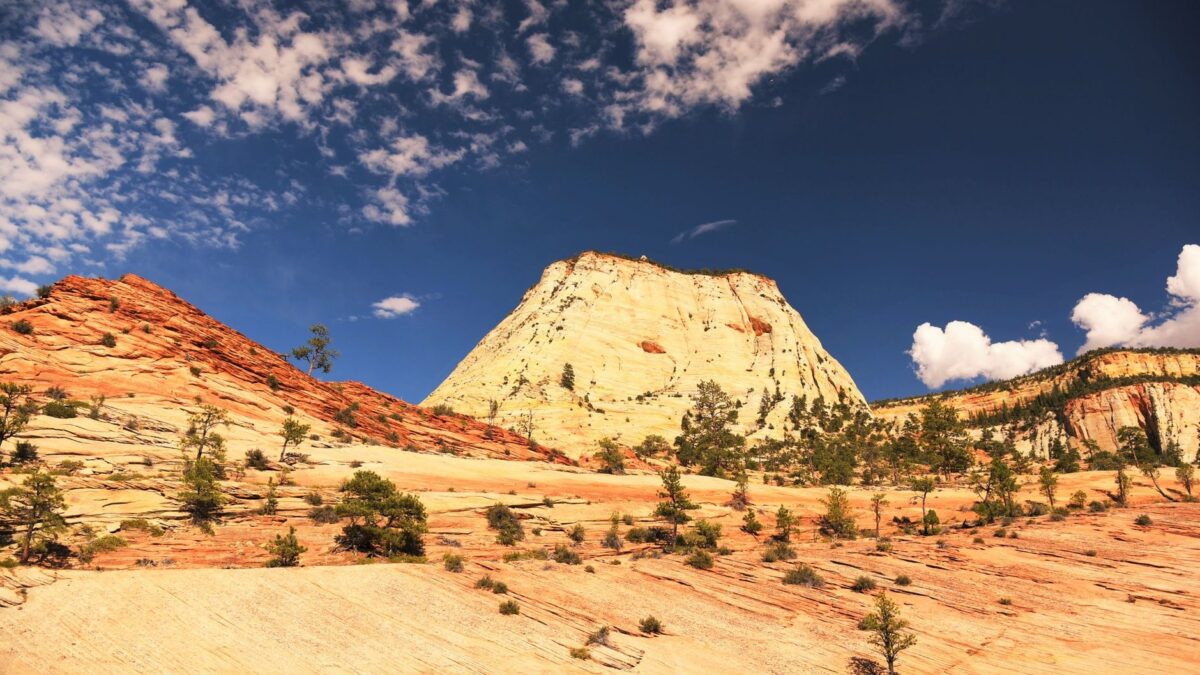
St. George sits in Utah’s southwest corner, where the Mojave Desert meets red-rock canyon country, and it has been drawing retirees for decades. First came Utahns escaping northern winters; now come Californians, Pacific Northwesterners, and retirees from across the country. The city of more than 100,000 still feels smaller than it is, with a walkable historic downtown and a calendar full of arts events.
The case for St. George rests on mild winters, outdoor recreation, and a deep bench of 55-plus communities. The case against is just as clear, and this guide covers both sides. A detailed St. George retirement guide updated in October 2026 reaches the same balance, which is reassuring for anyone weighing a move.
1. Mild winters, hot summers
Winter is St. George’s calling card: daytime highs in December and January usually sit in the 50s, snow in town is rare and melts fast, and golf, hiking, and pickleball run year-round. Summer is the flip side, with highs regularly above 100 degrees, so retirees plan outdoor activity for mornings and evenings. If you cannot tolerate desert heat, St. George is not the right fit.
2. Zion and Snow Canyon on the doorstep
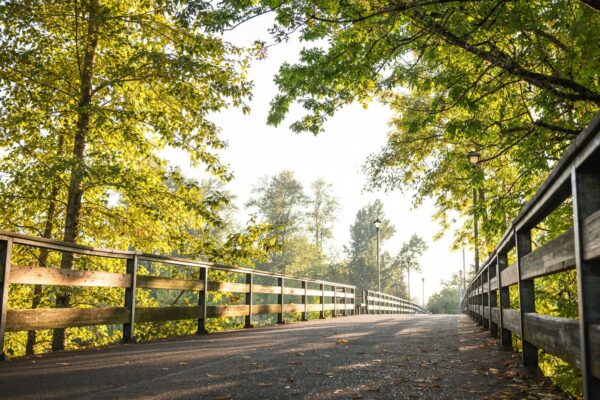
Zion National Park sits about 40 minutes to an hour east, and Snow Canyon State Park is minutes from the city’s west side, with slot-canyon walks and red-rock trails at every fitness level. Sand Hollow and Quail Creek reservoirs add boating and fishing, and the city’s paved trail network makes daily walks easy. You do not need to be an athlete to enjoy the scenery here.
3. Golf capital of Utah
St. George is often called Utah’s golf capital, with more than a dozen courses in and around the city, many open year-round thanks to the mild winters. Golf communities are a major part of the retirement housing market, and green fees are generally lower than in desert rivals like Scottsdale. If golf is your retirement plan, the options here are hard to beat.
4. 55-plus communities
St. George has a large choice of 55-plus and active-adult communities, including SunRiver, which alone has thousands of homes, plus newer golf and resort-style developments. These communities offer single-story living, low-maintenance yards, and built-in social calendars. Visit in both winter and summer before buying, since the seasonal population changes the feel.
5. Healthcare close to home
Intermountain St. George Regional Hospital anchors the city’s medical care, with a growing network of specialists that has expanded alongside the retiree population. For most routine and specialist care, you will not need to travel to Las Vegas or Salt Lake City. Complex cases may still require a trip to a larger center, so check your specific specialists before moving.
6. Taxes in Utah
Utah has a flat income tax, recently 4.55 percent, with a Social Security tax credit that helps many retirees, and property taxes that are modest by national standards. That combination stretches a fixed income further than in many coastal states, though it is not as tax-free as Nevada next door. Get advice on your own pension and IRA mix before assuming the savings.
7. Housing costs
St. George home prices have climbed with its popularity, and 2026 guides put median values in the low-to-mid $500,000s, varying by source and neighborhood. That is above the national median and above many other Utah cities, though still below comparable desert retirement markets in Arizona. Golf and 55-plus communities often carry HOA fees on top of the purchase price.
8. Growth and traffic
St. George is one of the fastest-growing metro areas in the country, and that growth brings new restaurants, shops, and medical offices, but also more traffic and construction. Longtime residents notice the change, and newcomers should expect a city still building its infrastructure. The growth also supports property values, which cuts both ways for buyers.
9. A car-dependent city
St. George is built around driving, with spread-out shopping, medical offices, and recreation that are hard to reach without a car. The city does offer a senior bus service and a trail network, but most retirees keep a car. If you plan to give up driving soon, weigh that carefully against the city’s layout.
10. Day trips and family visits
Las Vegas sits under two hours away, which helps with flights and family visits, and the Grand Canyon’s North Rim, Bryce Canyon, and Lake Powell are all within weekend-trip range. That location is part of St. George’s appeal: a quiet home base with big destinations nearby. It also means tourist traffic on the roads to Zion in peak season.
Tips before you decide
Rent for a full summer before buying, since St. George’s heat is the factor most newcomers underestimate.
Compare HOA fees across 55-plus communities, since they vary widely and change the true monthly cost.
Check that your doctors and specialists practice at St. George Regional Hospital or nearby, and confirm Medicare acceptance before the move.
More from this series: Retiring in Prescott, Arizona Retiring in Bend, Oregon.
Frequently asked questions
Is St. George, Utah a good place to retire?
For many retirees, yes: mild winters, outdoor recreation, golf, 55-plus communities, and a regional hospital make a strong case. The main drawbacks are summer heat above 100 degrees, fast growth, and rising home prices.
How hot does St. George, Utah get in summer?
Summer highs regularly exceed 100 degrees Fahrenheit, though the elevation of about 2,800 feet keeps nights cooler than in Phoenix or Las Vegas. Most retirees shift outdoor activity to mornings and evenings.
How cold does St. George get in winter?
Winters are mild, with daytime highs usually in the 50s in December and January, and snow in town is rare and short-lived. The nearby Pine Valley Mountains hold snow that residents can visit without shoveling it.
What is the closest national park to St. George?
Zion National Park is about 40 minutes to an hour east of St. George, and Snow Canyon State Park is minutes from the city’s west side. Both offer trails at every fitness level.
Does Utah tax Social Security?
Utah offers a Social Security tax credit that reduces or eliminates state tax on Social Security for many retirees, depending on income. The state’s flat income tax rate was recently 4.55 percent.
Are there 55-plus communities in St. George?
Yes. St. George has a large choice of 55-plus and active-adult communities, including SunRiver and several golf communities, with single-story homes and social amenities.
How far is St. George from Las Vegas?
St. George is under two hours northeast of Las Vegas by car, which makes flights, specialist visits, and family trips convenient.
Is St. George, Utah expensive?
St. George home prices have risen with demand, with 2026 guides putting median values in the low-to-mid $500,000s. Overall living costs remain below many coastal retirement markets, though above the national median for housing.