What It Means When the Kansas City Area Is Under a Winter Weather Advisory
When the Kansas City area is under a winter weather advisory, the National Weather Service has determined that winter conditions are expected to cause significant inconvenience and may be hazardous — especially for travelers. Unlike a winter storm warning, an advisory signals a lower but still serious level of risk that should not be ignored.
Table of Contents
- What It Means When the Kansas City Area Is Under a Winter Weather Advisory
- Understanding Winter Weather Advisory Levels in the Kansas City Area
- What Weather Conditions Trigger a Kansas City Winter Weather Advisory
- How to Prepare Before Winter Weather Hits Kansas City
- Staying Safe While Traveling During a Kansas City Winter Weather Advisory
- Protecting Vulnerable People and Pets During Winter Advisories
- Resources and How to Stay Informed During a Kansas City Winter Weather Advisory
- After the Advisory: What Kansas City Residents Should Do Next
- Conclusion
- Frequently Asked Questions
Residents across the greater Kansas City metro, including areas in both Missouri and Kansas, should plan for slippery roads, reduced visibility, and potential delays in daily routines. Understanding what this advisory means — and how to respond — can make a real difference in your safety and that of your family.
- A winter weather advisory is issued when accumulations of snow, sleet, or freezing rain are expected to cause hazardous travel conditions.
- The Kansas City metro spans both Missouri and Kansas, and conditions can vary significantly across the region.
- Limit unnecessary travel during the advisory period whenever possible.
- Prepare your home and vehicle in advance to reduce risk and disruption.
- Stay informed by monitoring official weather sources and local emergency management updates.

Understanding Winter Weather Advisory Levels in the Kansas City Area
The National Weather Service uses a tiered system to communicate winter storm threats. Knowing the difference between these levels helps residents make smart decisions about when to stay home, when to prepare, and when to take emergency action.
Winter Weather Advisory
This is the lowest tier of winter weather alerts. It is issued when conditions are expected to be hazardous but not severe enough to warrant a warning. Typical triggers include one to three inches of snow, light ice accumulation, or a combination of winter precipitation that will make roads slick.
Winter Storm Watch
A watch is issued when conditions are favorable for a significant winter storm event within 48 hours. It signals that residents should begin preparing even though the event is not yet certain.
Winter Storm Warning
This is the most serious alert. It means a significant, potentially life-threatening winter storm is imminent or already occurring. Heavy snow accumulation, significant ice, and dangerous wind chills are typical triggers. If the Kansas City area escalates from an advisory to a warning, take immediate protective action.
What Weather Conditions Trigger a Kansas City Winter Weather Advisory
The Kansas City area sits in a region where cold Arctic air frequently clashes with moisture from the Gulf of Mexico, making it a prime location for a wide range of winter precipitation types. An advisory is commonly issued for any of the following:
- Snowfall accumulations of one to three inches
- Freezing rain that creates a thin but dangerous glaze of ice on roads and sidewalks
- Sleet accumulations that reduce traction and make surfaces unpredictable
- A mix of snow and freezing drizzle that reduces visibility without heavy snowfall totals
- Wind-driven snow that creates blowing and drifting even after precipitation has ended
Freezing rain is particularly dangerous in the Kansas City metro because it forms an almost invisible layer of ice — often called black ice — that is nearly impossible to spot until it’s too late.
How to Prepare Before Winter Weather Hits Kansas City
Preparation is the most effective way to minimize the impact of winter weather on your household. When the Kansas City area is under a winter weather advisory, even a short window of advance notice can be enough time to take meaningful steps.
At Home
- Stock at least a 72-hour supply of food, water, and any necessary medications.
- Check that heating systems are functioning properly and that you have backup heating options if needed.
- Keep flashlights, batteries, and blankets accessible in case of power outages.
- Insulate exposed pipes to prevent freezing, and know where your main water shut-off valve is located.
- Charge all mobile devices before the storm arrives.
For Your Vehicle
- Keep your gas tank at least half full to prevent fuel line freezing and ensure you can run the heater if stranded.
- Pack an emergency kit including a blanket, jumper cables, an ice scraper, sand or kitty litter for traction, and a small shovel.
- Check tire pressure, as cold temperatures cause pressure to drop.
- Allow extra time for travel and never warm up your vehicle in an enclosed garage.

Staying Safe While Traveling During a Kansas City Winter Weather Advisory
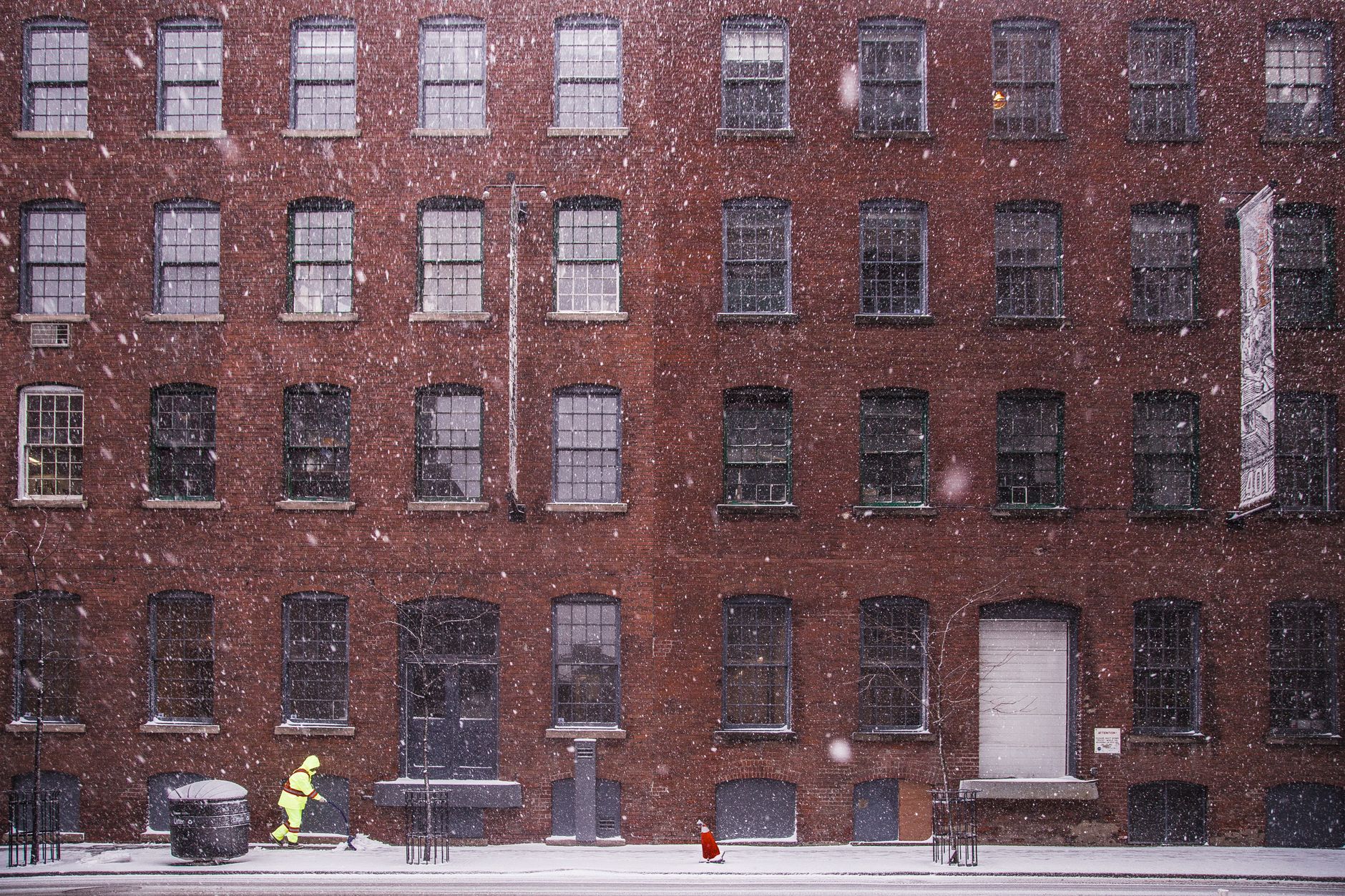
If you must travel when the Kansas City area is under a winter weather advisory, adjusting your driving habits dramatically reduces your risk of accidents. Even light accumulations of snow and ice can make roads treacherous, particularly on bridges, overpasses, and shaded road sections that freeze first.
Slow down well below the posted speed limit on snow or ice-covered roads. Increase your following distance significantly — it can take three to ten times longer to stop on icy roads than on dry pavement. Avoid sudden braking, sharp turns, or rapid acceleration. If your vehicle begins to skid, steer gently in the direction you want to go and avoid slamming the brakes.
Be especially cautious on highway ramps, intersections, and any road that has not been treated by city or county plows. In Kansas City, major routes and highways are typically prioritized for treatment, but secondary roads and residential streets may remain icy for hours longer.
Protecting Vulnerable People and Pets During Winter Advisories
Extreme cold associated with winter weather advisories can be life-threatening for the elderly, young children, individuals experiencing homelessness, and pets. Even temperatures that feel manageable to a healthy adult can cause rapid hypothermia in those who are more vulnerable.
Check on elderly neighbors and family members to make sure they are warm and have adequate supplies. Local warming centers and emergency shelters typically open during significant weather events — monitor local news and city announcements for information about locations and hours.
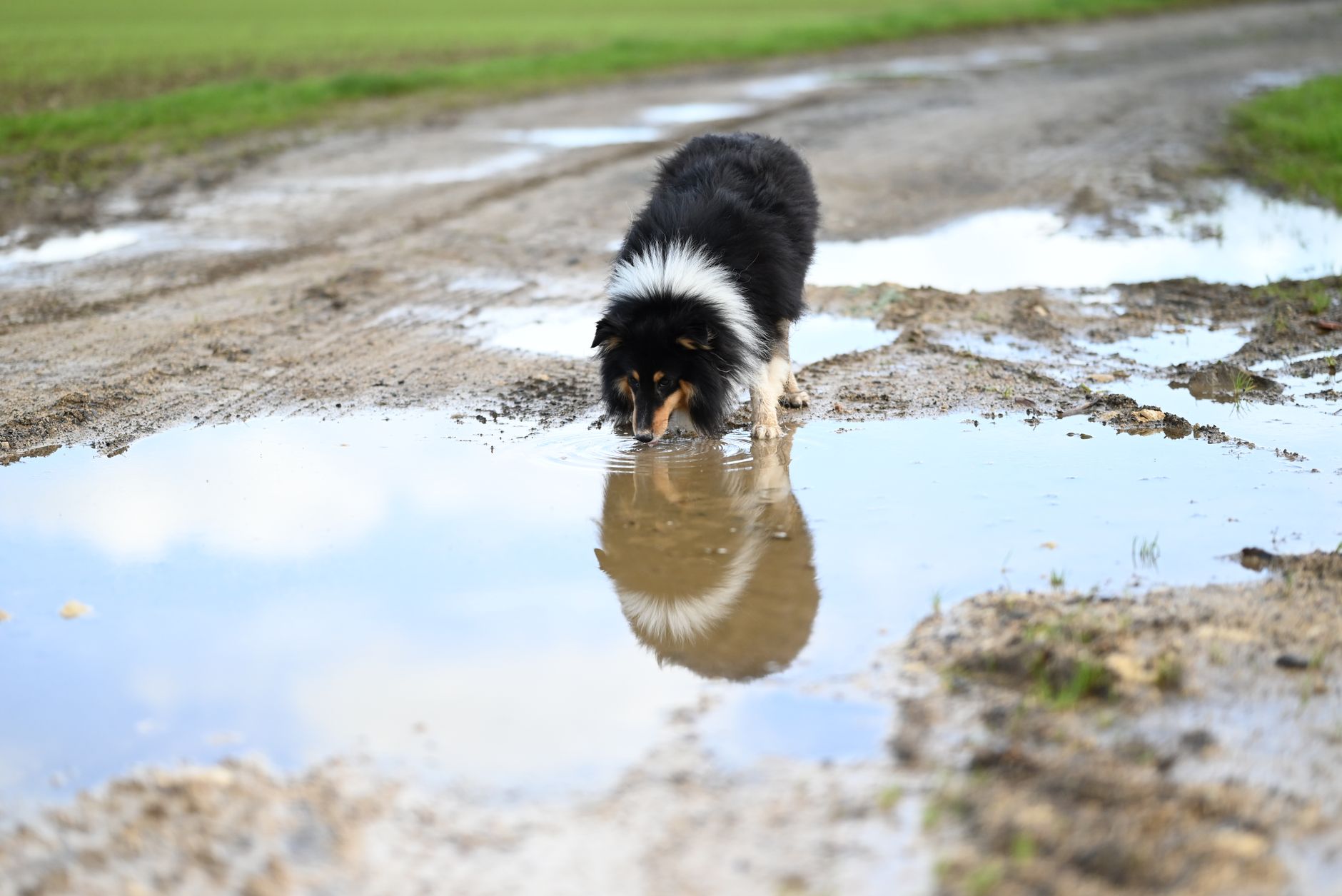
Pets should never be left outside in freezing temperatures for extended periods. Dogs, in particular, need protection from ice and cold surfaces. If you have a dog and love outdoor activities together, understanding how weather affects your plans is important year-round — just as dog owners in warmer climates think carefully about environments like the 2 Jupiter Beach off-leash area, Kansas City pet owners need to adapt their routines when winter weather strikes.
Resources and How to Stay Informed During a Kansas City Winter Weather Advisory
Staying connected to reliable information sources is one of the most important things you can do when the Kansas City area is under a winter weather advisory. Conditions can change quickly, and an advisory can be upgraded to a warning with little notice.
- National Weather Service Kansas City: The official source for all weather advisories, watches, and warnings in the region.
- Local television and radio stations: Kansas City TV stations provide continuous weather coverage during significant events.
- NOAA Weather Radio: A battery-powered NOAA weather radio ensures you receive alerts even during power outages.
- Missouri and Kansas 511 services: Real-time road conditions and traffic information for travelers.
- City and county emergency management social media: Both Kansas City, Missouri and Johnson County, Kansas maintain active social channels with timely updates.
Signing up for wireless emergency alerts on your smartphone is a simple and free step that ensures you receive official warnings directly from government authorities, even if you are not actively monitoring news or weather apps.

After the Advisory: What Kansas City Residents Should Do Next
Once the winter weather event has passed and the advisory has been lifted, the work is not entirely over. Roads may remain dangerous for hours or even days after precipitation ends, particularly if temperatures stay below freezing and treated roads refreeze overnight.
Check on neighbors who may need help clearing snow from driveways or walkways. Inspect your home for any damage caused by the weight of ice or snow, particularly on gutters, rooflines, and any flat surfaces. Report downed power lines or hazardous road conditions to local authorities immediately and keep a safe distance from any utility hazards.
If any property crime or vehicle accidents occurred during the weather event, document the situation and report it to the appropriate authorities. Community awareness plays an important role in public safety — just as coverage of incidents like the Newfane resident arrested for multiple thefts at Lockport Walmart reminds us, disruptions and opportunistic activity can sometimes accompany chaotic weather situations.
Frequently Asked Questions
What does it mean when the Kansas City area is under a winter weather advisory?
A winter weather advisory means hazardous winter conditions such as snow, sleet, or freezing rain are expected and will make travel difficult. It is a lower-level alert than a winter storm warning but still signals that residents should take precautions and limit unnecessary travel.
How much snow triggers a winter weather advisory in Kansas City?
Generally, a winter weather advisory in the Kansas City area is issued when snowfall accumulations of one to three inches are expected, or when freezing rain or sleet is anticipated to create dangerous travel conditions. The exact thresholds can vary depending on the time of year and existing road conditions.
What is the difference between a winter weather advisory and a winter storm warning in Kansas City?
A winter weather advisory signals hazardous but less severe conditions, while a winter storm warning indicates a significant and potentially life-threatening storm is imminent. When a warning is issued, residents should avoid all unnecessary travel and take immediate protective action.
How should I prepare my car for a Kansas City winter weather advisory?
Keep your gas tank at least half full, pack an emergency kit with blankets, an ice scraper, and sand or kitty litter for traction, and check your tire pressure before the storm arrives. Allow extra travel time and never warm up your vehicle in an enclosed space.
Are schools and businesses closed during a Kansas City winter weather advisory?
A winter weather advisory does not automatically trigger school or business closures — those decisions are made independently by school districts and employers based on local conditions. Monitor local news stations and official school or employer websites for the most current closure and delay announcements.
Conclusion
When the Kansas City area is under a winter weather advisory, the right response is a calm, informed, and prepared one. Understanding the difference between advisory levels, knowing how to prepare your home and vehicle, driving safely on icy roads, and protecting vulnerable members of your household are all steps that can prevent injury, property damage, and worse. Monitor trusted official sources, limit unnecessary travel, and check in on those around you. Winter weather in Kansas City is a recurring reality — but with the right knowledge and preparation, every resident can navigate it safely.