With hundreds of recognized dog breeds in the world, choosing the right one can feel overwhelming. The good news is that understanding key breed traits — energy level, size, temperament, and grooming needs — makes the decision much more manageable. Whether you’re a first-time owner or an experienced dog person, this guide covers everything you need to know.
Table of Contents
- How Dog Breeds Are Officially Classified
- Popular Dog Breeds and What Makes Them Stand Out
- Matching Dog Breeds to Your Lifestyle
- Dog Breeds Best Suited for Families with Children
- Grooming and Health Considerations by Breed Type
- Rescue vs. Purebred: What to Know When Getting a Dog
- Training Expectations Across Different Dog Breeds
- Conclusion
- Frequently Asked Questions
- Key Takeaways
- Dog breeds are grouped into categories based on their original purpose, such as herding, hunting, or companionship.
- Size, energy level, and temperament vary widely across breeds and should match your living situation.
- Some breeds are better suited for families with children, while others thrive in single-person households.
- Grooming, health needs, and lifespan differ significantly between breeds.
- Researching breed traits before adopting or purchasing can prevent long-term mismatches.
How Dog Breeds Are Officially Classified
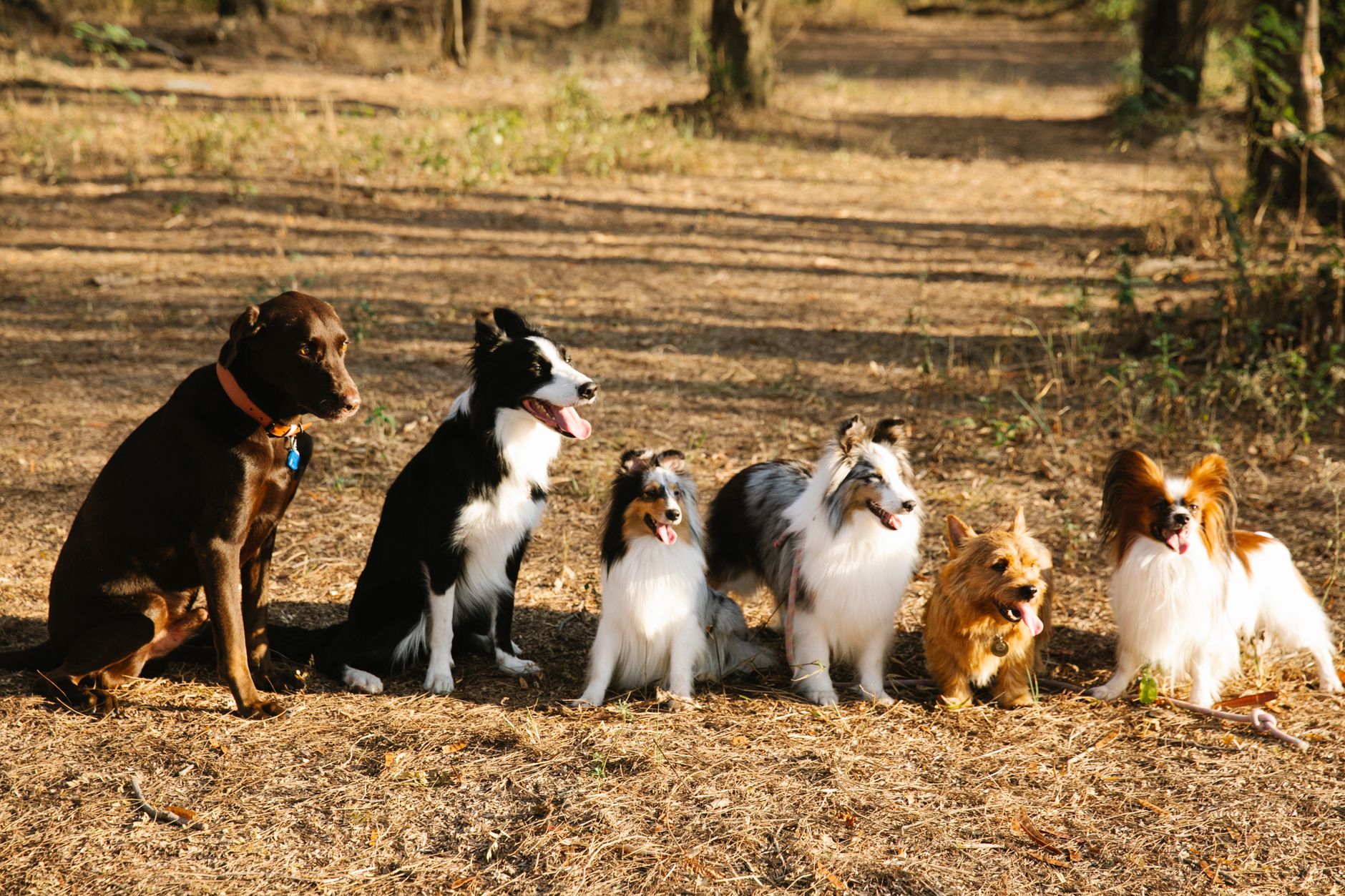
Major kennel clubs around the world organize dog breeds into groups based on their historical roles. Common groupings include herding, sporting, working, terrier, toy, hound, and non-sporting categories. Understanding these groups gives you a useful starting point when narrowing down your options.
For example, herding breeds like Border Collies and Australian Shepherds were developed to control livestock and tend to be highly intelligent and energetic. Toy breeds like Chihuahuas and Pomeranians were bred for companionship and generally adapt well to smaller living spaces.

Popular Dog Breeds and What Makes Them Stand Out
Certain dog breeds consistently rank among the most popular choices for good reason. Labrador Retrievers, Golden Retrievers, and French Bulldogs are known for their friendly, adaptable temperaments. German Shepherds remain a top pick for families and working roles alike due to their loyalty and trainability.
Speaking of German Shepherds, there are fascinating coat variations within the breed worth exploring. If you’re drawn to this breed, learning about the gray German Shepherd’s traits, care, and unique characteristics can help you understand what sets different lines apart.
Small Dog Breeds
Small breeds generally weigh under 20 pounds and include popular options like the Dachshund, Shih Tzu, and Maltese. They tend to adapt well to apartment living but can sometimes be more vocal or assertive than their size suggests. Early socialization is key for small breed puppies.
Medium Dog Breeds
Medium-sized breeds — typically between 20 and 60 pounds — offer a balance that appeals to many owners. Breeds like the Cocker Spaniel, Bulldog, and Whippet fall into this range. They’re large enough to keep up with active lifestyles but manageable enough for most home environments.
Large and Giant Dog Breeds
Large breeds like the Labrador Retriever, Golden Retriever, and Boxer require more space, more food, and often more exercise. Giant breeds such as Great Danes and Saint Bernards can be gentle and calm indoors, but their size demands careful handling and health monitoring. Joint issues and shorter lifespans are more common in very large breeds.
Matching Dog Breeds to Your Lifestyle
One of the biggest mistakes new dog owners make is choosing a breed based on appearance alone. A Siberian Husky may be striking, but their intense exercise needs and vocal nature can be a poor fit for a sedentary lifestyle or apartment living. Similarly, a Basset Hound’s laid-back personality may frustrate someone looking for an energetic running partner.
Consider the following factors before committing to a breed:
- Activity level: How much daily exercise can you realistically provide?
- Living space: Do you have a yard, or are you in an apartment?
- Allergies: Some low-shedding breeds are better for allergy sufferers.
- Time commitment: High-energy or high-maintenance breeds require significantly more time.
- Experience level: Some breeds are better suited to experienced handlers.

Dog Breeds Best Suited for Families with Children
Family-friendly dog breeds tend to share traits like patience, playfulness, and a gentle temperament. Golden Retrievers, Beagles, and Boxers are frequently cited as excellent choices for households with kids. These breeds are typically tolerant of the noise and unpredictability that comes with young children.
That said, no breed is automatically “safe” — proper training and supervision are essential regardless of which breed you choose. Temperament also varies within breeds depending on breeding history and early socialization.
Grooming and Health Considerations by Breed Type
Grooming needs range from minimal to intensive depending on the breed. Double-coated breeds like the Chow Chow or Alaskan Malamute shed heavily, especially seasonally, and benefit from regular brushing. Short-coated breeds like the Boxer or Vizsla need far less coat maintenance but may require more attention to skin health.
Health issues also vary considerably across dog breeds. Brachycephalic breeds — those with flat faces, like Bulldogs and Pugs — are prone to breathing difficulties. Large breeds are more susceptible to hip dysplasia and bloat. Before choosing a breed, research the most common health conditions associated with it so you can prepare and budget accordingly.
Lifespan Differences Between Breeds
Smaller dog breeds generally live longer than larger ones. Toy breeds like Chihuahuas can live 15 years or more, while giant breeds like Irish Wolfhounds often have lifespans of only 6 to 8 years. This is an important emotional and financial consideration for prospective owners.
Rescue vs. Purebred: What to Know When Getting a Dog
Adopting a mixed-breed dog from a rescue shelter is a rewarding option that often comes with lower upfront costs. Mixed breeds can combine traits from multiple dog breeds, sometimes resulting in fewer hereditary health issues — though this isn’t guaranteed. Many wonderful dogs are waiting for homes at local shelters.
If you have specific breed requirements — such as predictable temperament, size, or coat type — purchasing from a responsible, reputable breeder may be the better path. Always look for breeders who health-test their dogs, welcome visits, and prioritize the well-being of their animals over profit. Avoid puppy mills and online sellers who can’t provide documentation or references.
If you enjoy getting out with your dog, destinations like Jupiter Beach’s off-leash areas can be a fantastic way to socialize your pet and connect with other dog owners — something especially valuable in a breed’s early development stages.

Training Expectations Across Different Dog Breeds
Some dog breeds are bred to work closely with humans and respond quickly to training — Border Collies, Poodles, and German Shepherds often top trainability rankings. Others, like hounds and some terriers, have a strong independent streak that can make training more of a challenge — though not impossible.
Consistency, positive reinforcement, and early socialization are the cornerstones of effective dog training regardless of breed. Enrolling in a puppy class is one of the best investments any new dog owner can make, especially with high-energy or strong-willed breeds.
Frequently Asked Questions
What are the most popular dog breeds for families?
Golden Retrievers, Labrador Retrievers, and Beagles are consistently popular family choices due to their gentle, playful temperaments. They tend to be patient with children and adaptable to family routines. Proper socialization and training are still essential regardless of breed.
Which dog breeds are best for apartment living?
Breeds like the French Bulldog, Cavalier King Charles Spaniel, and Shih Tzu generally adapt well to apartment life due to their lower exercise needs and calmer indoor behavior. Size alone isn't the only factor — energy level and noise tendency matter just as much. Even some larger, calm breeds can thrive in apartments with enough daily walks.
What is the easiest dog breed to train for beginners?
Labrador Retrievers, Golden Retrievers, and Poodles are widely considered among the easiest dog breeds to train, thanks to their eagerness to please and high intelligence. Beginners benefit most from breeds that respond well to positive reinforcement. Consistency and early training sessions are key no matter which breed you choose.
Are mixed-breed dogs healthier than purebred dog breeds?
Mixed breeds may benefit from greater genetic diversity, which can reduce the likelihood of certain hereditary conditions common in specific purebreds. However, this isn't a universal rule, and mixed breeds can still inherit health issues from their parent breeds. Health depends heavily on individual genetics, diet, and veterinary care.
Which dog breeds shed the least?
Poodles, Bichon Frises, and Portuguese Water Dogs are among the dog breeds known for low shedding, making them popular choices for allergy sufferers. These breeds often require regular professional grooming to manage coat growth. No dog is completely hypoallergenic, but low-shedding breeds tend to produce fewer airborne allergens.
Conclusion
Choosing among the many available dog breeds is one of the most important decisions a pet owner can make. The right match depends on an honest assessment of your lifestyle, experience, living space, and long-term commitment. By understanding how breeds differ in temperament, energy, grooming needs, and health tendencies, you put yourself in the best possible position for a happy, lasting relationship with your dog. Take the time to research thoroughly — your future companion is counting on it.