Knoxville, Tennessee blends riverfront scenery, college-town energy, and a cost of living that makes a paycheck go further — and the best neighborhoods in Knoxville run from historic Victorian streets to a leafy river peninsula and an artsy former warehouse district. As the Knox County seat and home to the University of Tennessee, Knoxville mixes game-day buzz with year-round culture. Tennessee also charges no state income tax, per a 2026 Knoxville relocation guide, which keeps newcomers arriving.
TL;DR: Knoxville’s best neighborhoods for 2026 stretch from the prestigious riverfront streets of Sequoyah Hills to the artsy Old City and the trail-rich South Knoxville “Urban Wilderness.” Prices run from approachable entry points in historic districts to premium riverfront homes averaging around $650,000 in Sequoyah Hills, per local mover data. Downtown and the Old City suit young professionals, while West Hills and Fountain City fit families watching their budgets.
How we ranked the best neighborhoods in Knoxville
This ranking combines the HomeSnacks Knoxville neighborhoods table — built on Census ACS 2020–2024 data and updated around October 2025 — with local mover and realtor guides from knoxmover.com and Jim Swafford Realty, plus The Tech Edvocate’s 2026 roundup. Exact medians vary by source, so prices below are approximate or qualitative rather than hard figures.
Knoxville’s 10 best neighborhoods, ranked for 2026
1. Sequoyah Hills
Knoxville’s most prestigious address, Sequoyah Hills occupies a leafy riverfront peninsula along the Tennessee River, about five miles from downtown. Historic mansions and mid-20th-century architecture line tree-shaded streets, and Sequoyah Park’s trails hug the water. Average homes run around $650,000, according to knoxmover.com, making this the pick for affluent families and executives.
2. Downtown Knoxville
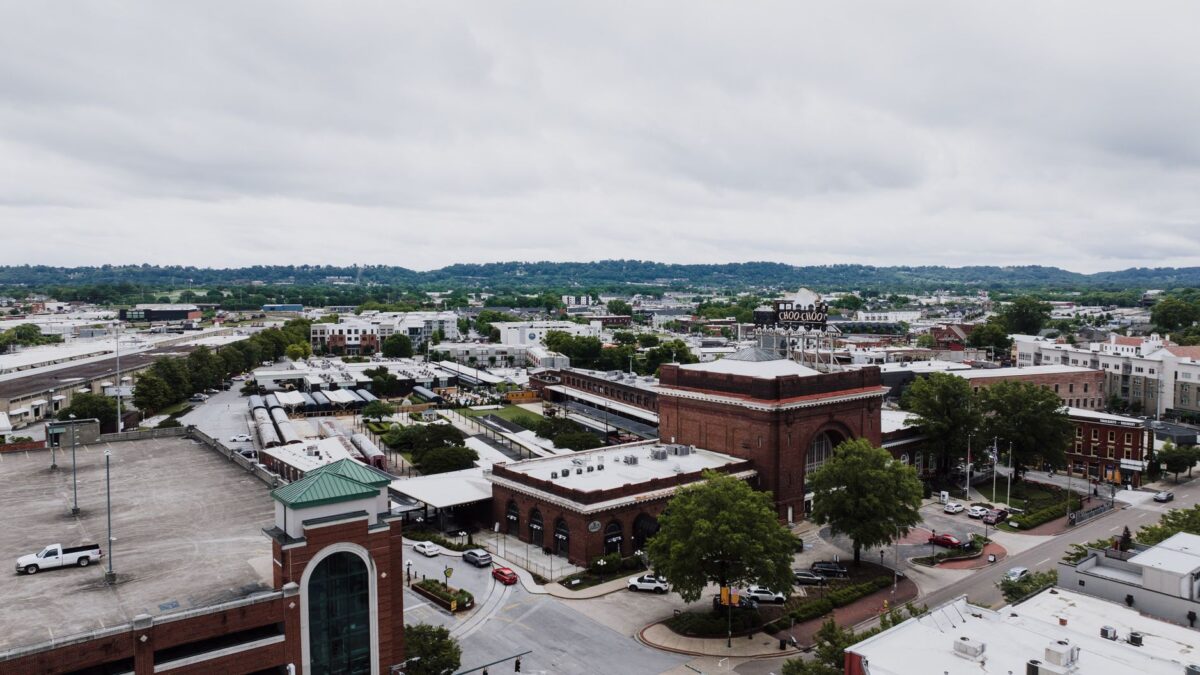
The urban core is Knoxville’s densest, most walkable district — condos and lofts around Market Square, nightlife on Gay Street, and the Tennessee Theatre anchoring the arts scene. It’s the natural home for young professionals who want dining, drinks, and entertainment within a short walk.
3. Old City
This trendy, artsy enclave at the edge of downtown fills 19th-century buildings with boutiques, live music venues, and galleries. Regular art walks and a creative street life draw artists, singles, and young professionals who want character over cookie-cutter.
4. Fourth and Gill
A designated historic district of restored Victorian-era homes, Fourth and Gill pairs period architecture with one of Knoxville’s strongest neighborhood communities. History lovers who want walkable charm near downtown gravitate here.
5. Old North Knoxville
Old North Knoxville mixes architectural styles in a vibrant historic setting and offers an approachable entry point among the city’s historic areas — still the most accessible way into a Knoxville historic district.
6. Fountain City
This north-side former streetcar suburb of about 26,000 residents, per HomeSnacks, blends bungalows, ranches, and infill construction. It offers solid value within easy reach of downtown — a practical choice for value-driven buyers.
7. Island Home Park
A riverfront pocket within South Knoxville, Island Home Park pairs greenery with affordability — pricier than its neighbors across the river, per Jim Swafford Realty — with quick downtown access for nature lovers.
8. South Knoxville (SoKno)
Across the Tennessee River, South Knoxville is the city’s outdoor playground — the “Urban Wilderness” wraps 50 to 60-plus miles of trails around Ijams Nature Center and a roughly 600-acre wildlife preserve. Affordable cottages and Craftsman homes draw outdoor enthusiasts and families.
9. Bearden
Along the Kingston Pike corridor, Bearden mixes housing styles with the west side’s strongest shopping and dining access. Prices run above the city median, per Jim Swafford Realty — a fit for professionals wanting central west-side convenience.
10. West Hills
An established west-side area, West Hills delivers classic family neighborhoods with above-median prices — traditional, tree-lined streets without a long commute.
Cost of living and taxes in Knoxville
A 2026 Knoxville relocation guide puts the city’s cost of living about 14% below the national average, and Tennessee’s lack of a state income tax keeps more of each paycheck home. The University of Tennessee adds museums, sports, and events few cities this size can match.
Comparing mid-size Southern cities? Read our best neighborhoods in Lexington, KY for 2026 guide as well.
Frequently asked questions about Knoxville’s best neighborhoods
What is the best neighborhood in Knoxville for families?
Sequoyah Hills leads for affluent families with its riverfront parks and top-tier streets; West Hills and Fountain City offer established family neighborhoods at more moderate price points, with Fountain City about 26,000 residents strong.
Which Knoxville neighborhoods are best for young professionals?
Downtown Knoxville and the Old City. Downtown puts condos, Market Square dining, and Gay Street nightlife within walking distance, while the Old City offers an artsy, music-heavy scene in 19th-century buildings.
What are the most affordable neighborhoods in Knoxville?
Old North Knoxville offers the most approachable entry point among historic areas, and Fountain City plus South Knoxville deliver value near downtown. Exact medians vary by source, so treat any single figure cautiously.
Does Tennessee have a state income tax?
No. Tennessee charges no state income tax, per a 2026 Knoxville relocation guide — one of the biggest financial draws for newcomers to the state.
Is Knoxville a good place to live in 2026?
It has strong fundamentals: a cost of living roughly 14% below the national average (per the 2026 relocation guide), no state income tax, the University of Tennessee’s cultural pull, and abundant outdoor access via the river and the “Urban Wilderness.”
Where is the University of Tennessee located?
In Knoxville, where it’s a defining presence — driving the city’s cultural calendar, sports scene, and the youthful energy of areas near downtown.
What is the Urban Wilderness in South Knoxville?
A 50 to 60-plus mile trail network wrapping Ijams Nature Center and a roughly 600-acre wildlife preserve across the river from downtown — the centerpiece of South Knoxville’s outdoor identity.
How much do homes cost in Sequoyah Hills?
Around $650,000 on average, according to knoxmover.com — the premium tier of Knoxville’s market, reflecting its riverfront position and historic housing stock.