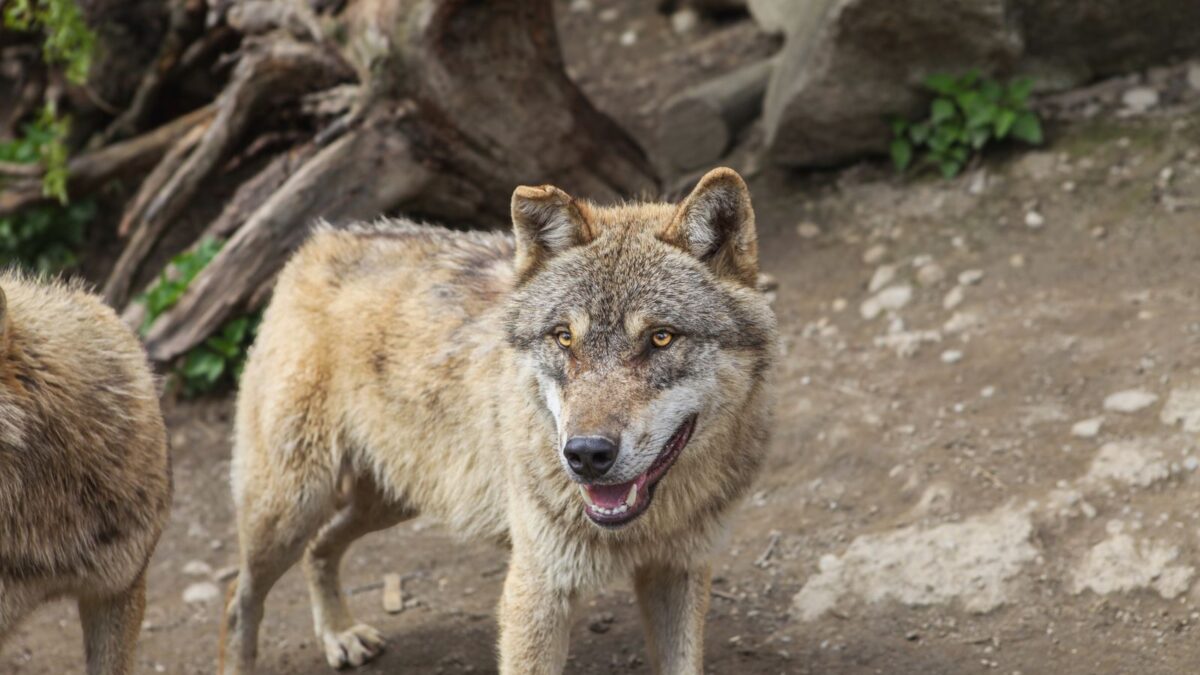
Montrose County, Colorado is taking another swing at keeping gray wolves out. The county announced on October 9, 2026 that its Board of County Commissioners approved the first reading of proposed Ordinance 2026-01 earlier this week — a measure that would prohibit the intentional introduction, release, transportation, translocation, and habitat establishment of non-native wildlife across unincorporated Montrose County, with gray wolves brought in from Oregon and British Columbia squarely in its sights.
What Ordinance 2026-01 would do
The proposed ordinance targets intentional wildlife introductions: releasing animals, transporting them into the county, translocating populations, or establishing habitat for non-native species. But the county’s release singles out gray wolves captured or translocated from outside Colorado — including wolves brought in from Oregon and British Columbia populations.
The stated purpose is economic and practical: protecting private property, agriculture, ranching and livestock operations, grazing, water rights, mineral and energy development, public access, and other lawful land uses from the impacts of introduced species. “We respect wildlife, but we also have a duty to protect our way of life, our economy, and our property rights,” said Commissioner Sean Pond. “This ordinance is about local control, responsible stewardship, and common sense.”
What it would not do
The ordinance is aimed at human-directed introductions, not nature. It does not apply to the natural and unassisted movement of wildlife into Montrose County — so a wolf that wanders in on its own is outside its scope. Exemptions also cover wildlife rehabilitation, domestic or agricultural livestock, veterinary treatment, permitted scientific and educational activities, and the management of existing native or established wildlife populations. The ordinance recognizes the wildlife management authority of the Colorado Parks and Wildlife Commission and Colorado Parks and Wildlife, addressing only areas the county considers within its lawful authority.
A second swing at the wolf question
The 2026 effort follows a similar ordinance introduced in October 2025. That measure — Ordinance 2025-01 — passed its first reading on a 2-1 vote and proposed fines of up to $1,000 per day for violators, Colorado Public Radio reported. The county’s argument hinges on the “Canadian gray wolf” label: commissioners note that Colorado’s original native subspecies, the Southern Rocky Mountain wolf, was eradicated by the mid-20th century and is now extinct. Colorado Parks and Wildlife counters that the gray wolf (Canis lupus) was extirpated from the state in the 1940s and that wolves from British Columbia are the same species that was historically present in Colorado.
Why Colorado’s wolf fight keeps escalating
The backdrop is Proposition 114, the 2020 ballot measure in which Colorado voters narrowly approved reintroducing gray wolves west of the Continental Divide. Ranchers and rural counties on the Western Slope have fought the program ever since, citing livestock depredation and threats to federally protected native species — and wolves from Colorado’s previous releases have already wandered into Montrose County. The legal question is wide open: in 2025, Commissioner Sue Hansen — the lone vote against advancing the ordinance — questioned whether a county ordinance could overrule state wildlife law.
Montrose County sits on Colorado’s Western Slope, a region whose communities keep surfacing in statewide rankings — for a different lens on the state, see our ranking of Colorado’s most dangerous cities.
Frequently asked questions
What is Montrose County Ordinance 2026-01?
It is a proposed county ordinance that would prohibit the intentional introduction, release, transportation, translocation, and habitat establishment of non-native wildlife species within unincorporated Montrose County, Colorado — including gray wolves from Oregon and British Columbia populations.
Has the wolf ordinance been adopted?
No. The county announced on October 9, 2026, that commissioners had approved only the first reading earlier that week. County ordinances require a second reading before they can be adopted and take effect.
What animals does the ordinance target?
It applies broadly to non-native wildlife, but the county’s release specifically addresses wildlife captured or translocated from outside Colorado — naming gray wolves brought in from Oregon and British Columbia populations.
What exactly would the ordinance ban?
The intentional introduction, release, transportation, translocation, and habitat establishment of covered non-native species in unincorporated Montrose County — not accidental encounters or animals that arrive on their own.
What if a wolf wanders into Montrose County on its own?
That would be exempt. The ordinance does not apply to the natural and unassisted movement of wildlife, and it also exempts wildlife rehabilitation, domestic and agricultural livestock, veterinary treatment, permitted scientific and educational activities, and management of native or established populations.
How does this relate to Colorado’s Proposition 114?
Colorado voters narrowly approved Proposition 114 in 2020, requiring the state to reintroduce gray wolves west of the Continental Divide. Montrose County’s ordinance is a local response to that state-run program, which ranchers and rural communities oppose over livestock losses.
What does Colorado Parks and Wildlife say about the wolves?
Colorado Parks and Wildlife has said the gray wolf (Canis lupus) was extirpated from Colorado in the 1940s and that the “Canadian gray wolf” is not a recognized species — wolves from British Columbia are the same species that was historically present in the state, according to Colorado Public Radio’s 2025 reporting.
Can a county ordinance override state wildlife law?
That is the central legal question, and it is unresolved. In 2025, Commissioner Sue Hansen — the lone vote against advancing the earlier ordinance — raised concerns about whether a county measure could overrule state law, and the county’s own release notes the ordinance recognizes Colorado Parks and Wildlife’s authority.