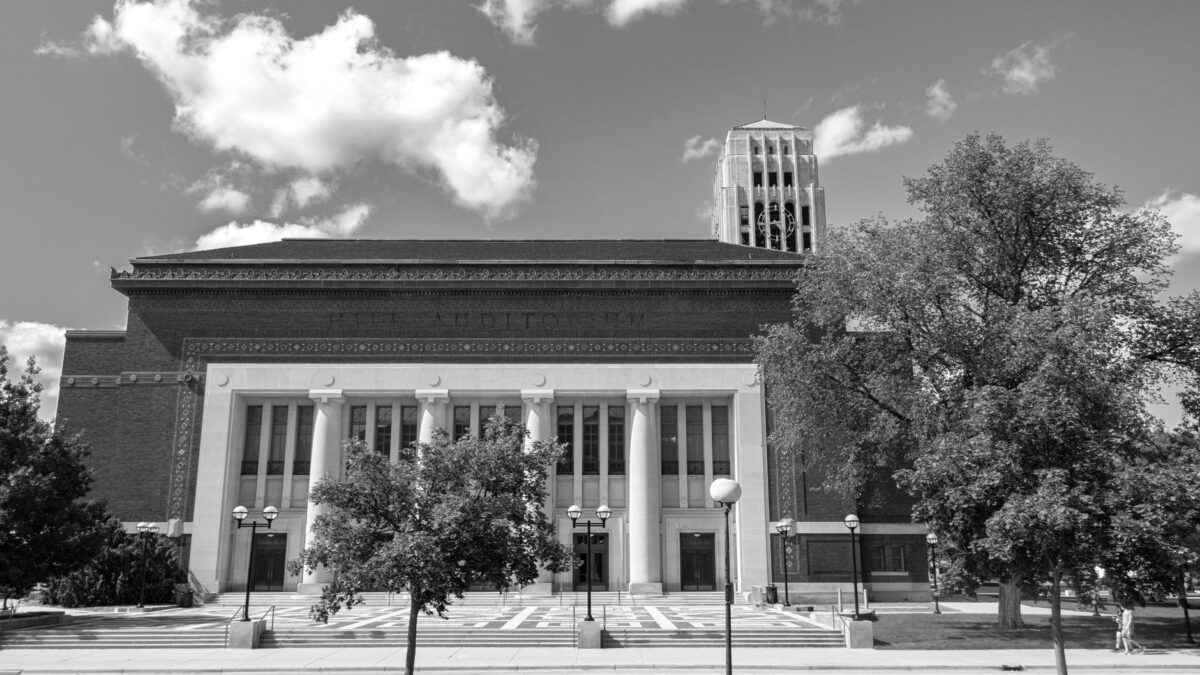
The first thing you notice driving into Ann Arbor is how fast the college-town buzz gives way to real neighborhoods. One minute you are in the bustle around the University of Michigan campus, the next you are rolling under oak trees past homes that have stood since the 1850s. That whiplash is the story of moving to Ann Arbor, Michigan: the university sets the rhythm, but daily life happens in a dozen distinct neighborhoods.
TL;DR: Ann Arbor is a flagship public research university town — U-M’s Ann Arbor campus enrolled more than 54,000 students in fall 2026 — housing is pricey: Zillow’s Home Value Index puts the typical home value near $531,000 (September 2026). Below are 10 real neighborhoods, ordered from the walkable urban core outward.
10 Neighborhoods to Know Before Moving to Ann Arbor
- Downtown Ann Arbor — walk-to-everything living for professionals, students, and downsizers.
- Kerrytown — historic brick, the farmers market, Zingerman’s Deli; food lovers pay a premium.
- Old West Side — the prettiest historic district: Victorian and Craftsman homes under towering oaks.
- Burns Park — the classic academic neighborhood near campus.
- Water Hill — artsy and hilly; home of the Water Hill Music Fest.
- Northside — greener, near U-M North Campus and Huron River trails.
- Dicken — modest mid-century homes west of the Big House.
- Lower Burns Park — Burns Park access at a friendlier price point.
- Ann Arbor Hills — winding streets and larger lots for space and privacy.
- The Uplands — about 10 minutes from downtown; tree-lined and calm.
1. Downtown Ann Arbor
Main Street and State Street form the city’s living room: restaurants, bookstores, and the Ann Arbor Art Fair each summer. Young professionals and empty nesters get a car-optional life — at premium prices, with football-Saturday crowds.
2. Kerrytown
Just north of downtown, Kerrytown is a historic district of brick streets, boutiques, and the Ann Arbor Farmers Market, with Zingerman’s Delicatessen as its culinary anchor. Smaller lots and famously tight Saturday parking; it rewards buyers who walk and bike.
3. Old West Side
West of Main Street, this is Ann Arbor’s architectural crown jewel: mansard, Queen Anne, and Gothic cottages mostly built between 1850 and 1925, per local brokerage Reinhart Realtors — the first U.S. neighborhood designated a “streetscape” district. Fierce demand, high prices, and proud preservationist neighbors.
4. Burns Park
Southeast of the main campus, Burns Park is where the professors live — tree-canopied blocks around the historic park, anchored by one of the state’s most sought-after elementary schools. The classic Ann Arbor academic vibe starts here.
5. Water Hill
Northwest of downtown, Water Hill is an eclectic early-1900s neighborhood of Cape Cods on steep, wooded hills, with Bird Hills Nature Area and Huron River parks close by. The annual Water Hill Music Fest made the nickname stick.
6. Northside
Across the river, the vibe shifts: hillier streets, more apartments, and proximity to U-M’s North Campus (engineering and art). More modern than the historic core, with solid trail access — a practical pick for North Campus staff and grad students.
7. Dicken
Just west of the Big House, Dicken is a large, established neighborhood of modest single- and two-story homes on tree-lined streets, with Dicken Woods Nature Area inside its borders. Under the radar compared to Burns Park — which is why value-minded families like it.
8. Lower Burns Park
Just south of its famous sibling, Lower Burns Park offers similar centrality at prices that work better for first-time buyers — the pragmatic answer to the Burns Park price tag.
9. Ann Arbor Hills
On the east side, Ann Arbor Hills trades walkability for space: winding streets, larger homes, and bigger lots in an affluent, private-feeling setting. Good for established families and remote workers.
10. The Uplands
About 10 minutes from downtown, the Uplands is a well-designed community of tree-lined streets with sidewalks, surrounded by natural beauty — a solid, quiet base for commuters.
Ann Arbor Housing: What the Data Says
U-M’s Ann Arbor campus enrolled 54,181 students in fall 2026, per the university’s budget and planning office, and the city’s own land-use plan notes that housing demand has outpaced supply. Zillow’s Home Value Index puts the typical Ann Arbor home value at about $531,000 as of September 2026, with a median list price near $523,000. The market has tilted slightly toward buyers — low-50s days on market, roughly a quarter of listings cutting prices — but this remains one of Michigan’s priciest markets.
Tips If You Are Planning the Move
Visit in both August and February before committing; winter is a real personality test. Relocating for a U-M job? Rent for a year first — the rental market turns over with the academic calendar. And budget patience for home football Saturdays, when the stadium area becomes its own small city. Moving elsewhere in the Midwest? Our ranked guide to Grand Rapids’ 10 best neighborhoods and our moving guide to Des Moines have you covered.
Frequently Asked Questions
Is Ann Arbor expensive to live in?
Yes — the typical home value is near $531,000 (Zillow, September 2026), and student demand keeps rentals tight near campus.
What is the best neighborhood in Ann Arbor for families?
Burns Park, Dicken, or Lower Burns Park for schools and parks; Ann Arbor Hills for larger lots.
Where do University of Michigan students live?
Undergrads cluster downtown and near central campus; grad students favor the Northside. Demand from 54,000+ students keeps rentals competitive.
Is Ann Arbor walkable?
The core is: downtown, Kerrytown, and the Old West Side are genuinely walkable. Outer neighborhoods are car-dependent but often have good trail access.
Does Ann Arbor have good parks?
The Huron River corridor: Bird Hills, Bluffs Park, miles of trails — plus U-M’s Nichols Arboretum.
Is Ann Arbor safe?
Generally yes — one of the safer mid-size college towns. Still, check current city and FBI data for your neighborhood.