TL;DR: Moving to Baton Rouge means choosing between the historic oak-lined streets of the Garden District, the creative energy of Mid City, LSU-adjacent Southdowns, and affordable suburban corridors like Shenandoah and Sherwood Forest. This guide breaks down ten real neighborhoods — with commute notes, LSU proximity, and honest trade-offs.
Thinking of moving to Baton Rouge? Louisiana’s state capital and second-largest city — roughly 225,000 residents, about 850,000 in the metro — is a government town, a college town, and an industrial town at once. Louisiana State University sits on the Mississippi River in the city’s south (LSU), about 80 miles from New Orleans, anchoring an economy built on state government, the university, and one of the country’s largest petrochemical corridors. Baton Rouge is affordable by national standards — our cheapest U.S. cities to rent in 2026 roundup keeps Louisiana on the value map — but crime and schools vary sharply by area, so neighborhood choice matters. Here are ten areas to know.
Moving to Baton Rouge: 10 neighborhoods to know
1. Garden District — the historic showpiece
The Garden District is the neighborhood people picture when they imagine old Baton Rouge: oak-lined blocks of early-1900s homes centered where Park Boulevard meets Government Street. It’s actually a cluster of three National Register historic districts — Roseland Terrace, Drehr Place, and Kleinert Terrace (per Wikipedia). Expect upscale prices above the metro median. Best for architecture lovers and established buyers who want character within a quick drive of downtown.
2. Spanish Town — the oldest and most eclectic
Spanish Town is Baton Rouge’s oldest neighborhood, just north of the State Capitol, famous for its 19th-century shotgun houses, pink flamingo decorations, and the city’s largest Mardi Gras parade (Wikipedia). Listings are scarce because owners tend to stay put (per local market reporting). Best for buyers who want history and personality over square footage.
3. Mid City — the creative corridor
Stretching between downtown and the LSU lakes, Mid City (including Ogden Park, Bernard Terrace, and Capital Heights) is Baton Rouge’s reinvestment story: renovated bungalows, new infill, the Electric Depot development, and a growing restaurant and bar scene. Best for young professionals and creatives who want to be near the action.
4. Beauregard Town — historic, close to downtown
Between downtown and Old South Baton Rouge, Beauregard Town is a compact historic district where many grand older homes have become law offices — a sign of its proximity to the state government complex. Best for attorneys and state workers who want a walkable Capitol-area commute.
5. Downtown — riverfront living for urbanites
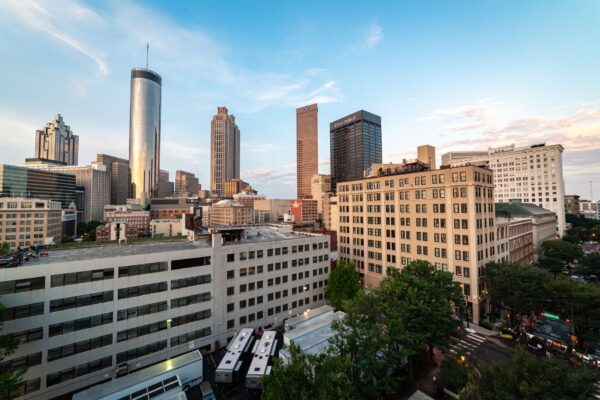
Downtown Baton Rouge is the central business district on the Mississippi River, with loft and condo options, the River Center, and Third Street’s restaurants and bars. Best for downtown professionals and empty nesters who want a true no-commute lifestyle.
6. Southdowns — LSU-adjacent and walkable
Directly north of LSU, Southdowns is the classic university neighborhood: tree-lined streets, cottages and bungalows, and shops and eateries within walking distance. Popular with LSU faculty, staff, and young families — game-day traffic is part of the bargain. Best for university-affiliated families who want to bike to campus.
7. Bocage — upscale south Baton Rouge
Bocage is one of south Baton Rouge’s established upscale pockets, built around golf and larger homes on generous lots. Car-first, with quick access to the Perkins Road commercial corridor. Best for move-up buyers and professionals who want suburban polish close to the city.
8. Highland Road / Perkins corridor — the family belt
The corridor along Highland Road and Perkins Road south of LSU is Baton Rouge’s long-standing family belt: established subdivisions, school options, and the Perkins Rowe mixed-use development. Best for families balancing school access with a reasonable drive to downtown or LSU.
9. Sherwood Forest — affordable east-side value
On Baton Rouge’s east side, Sherwood Forest is a large, older suburban community with some of the most attainable home prices inside the city limits, and easy I-12 access. Best for budget-conscious buyers who want a house at a lower price point.
10. Shenandoah — master-planned east-side living
Further east, Shenandoah is one of Baton Rouge’s best-known planned communities: lakes, walking trails, a country club, and a strong neighborhood association. Best for families who want an amenity-rich suburb and don’t mind a longer downtown commute.
FAQs
Is Baton Rouge a good place to move to?
It depends on your priorities. Baton Rouge offers affordable housing, plenty of state government and university jobs, LSU’s cultural footprint, and easy access to New Orleans and Cajun Country. The trade-offs: hot humid summers, heavy interstate traffic, hurricane-season risk, and crime rates that vary sharply by neighborhood.
What is the best neighborhood in Baton Rouge?
The Garden District is the city’s most prestigious historic neighborhood, with National Register architecture and oak-lined streets. For walkability and energy, Mid City and Spanish Town compete; for families, Southdowns, Bocage, and Shenandoah are the usual picks.
Where should LSU students and faculty live?
Southdowns is the classic LSU-adjacent neighborhood, within biking distance of campus. Mid City and the Garden District also keep commutes short; budget-minded students look toward the Highland Road corridor or Sherwood Forest.
Is Baton Rouge affordable?
Yes, by national standards. One-bedroom rents typically run $800–$1,100 and two-bedrooms $1,000–$1,400 (per 2026 local cost breakdowns). Flood and homeowners insurance can add real costs, so factor those into any budget.
What are the safest areas of Baton Rouge?
Generally, the Garden District, Bocage, Shenandoah, Southdowns, and the Highland/Perkins corridor report fewer incidents than areas closer to downtown and the north side. Check police crime maps, the FBI Crime Data Explorer, and our Louisiana cities ranked by FBI crime data before you sign.
How far is Baton Rouge from New Orleans?
About 80 miles — roughly an hour and fifteen minutes by car via I-10, traffic permitting. It’s an easy weekend trip but not a realistic daily commute.
Does Baton Rouge flood?
Parts of it do. Baton Rouge sits on the Mississippi River in Louisiana’s low country, and heavy rain events — including the devastating 2016 floods — have hit hard. Check FEMA flood maps for any address you’re considering.
What is Spanish Town known for?
Spanish Town is Baton Rouge’s oldest neighborhood, known for 19th-century shotgun houses, eccentric pink-flamingo decor, and the city’s largest Mardi Gras parade. It sits just north of the Louisiana State Capitol.