TL;DR: Fort Worth — now over one million residents and growing fast — offers distinct neighborhoods for every lifestyle in 2026: West 7th and the Near Southside for young professionals, Tanglewood and Arlington Heights for families, the Cultural District for art lovers, and Fairmount for historic-home hunters. Here’s what to know about 10 of the city’s most talked-about neighborhoods before you move.
Fort Worth is having a moment. The city recently surpassed one million residents — passing Austin along the way — and it’s one of the fastest-growing large cities in America. But unlike a lot of boomtowns, Fort Worth has actual character: Western heritage in the Stockyards, a genuinely world-class museum district, and neighborhoods with real personality instead of copy-paste subdivisions.
1. Sundance Square / Downtown — urban energy
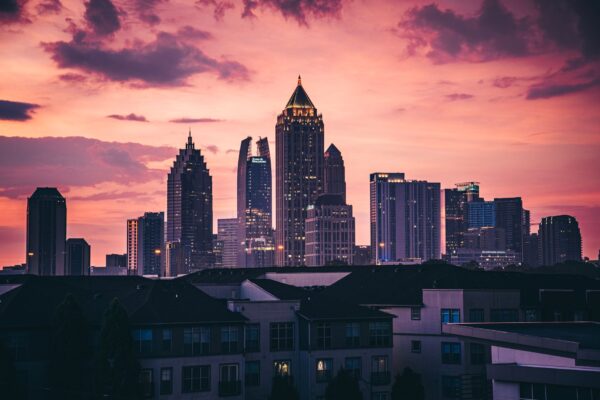
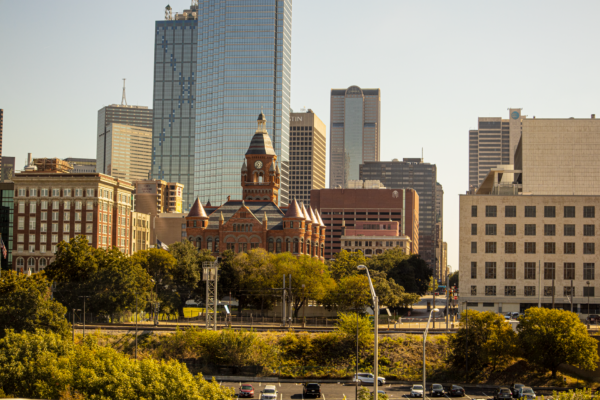
Downtown Fort Worth’s heart is Sundance Square, a 35-block district of restored historic buildings, plazas, restaurants, and live music. With high-rise apartments, the Bass Performance Hall, and a Walk Score among the city’s best, it’s the pick for people who want true urban living — walk to dinner, catch a show, ride Trinity Metro.
2. West 7th — dining and nightlife
Just west of downtown, the West 7th corridor (centered on Crockett Row) is Fort Worth’s modern going-out district: upscale restaurants, chic boutiques, cocktail bars, and sleek apartment buildings. It draws a young, social crowd and sits minutes from the Cultural District’s museums. Best for: young professionals and couples who plan their weekends around dinner reservations.
3. Cultural District — art and museums
Few mid-size American cities can claim a museum district like this. The Kimbell Art Museum, the Modern Art Museum of Fort Worth, the Amon Carter Museum of American Art, the Fort Worth Museum of Science and History, and the National Cowgirl Museum and Hall of Fame all cluster in one park-like setting.
4. Near Southside / Magnolia Avenue — creative and eclectic
Centered on Magnolia Avenue, the Near Southside is Fort Worth’s indie soul: independent restaurants, craft breweries, galleries, live music venues, and some of the city’s most interesting food. It’s artsy, walkable, and rapidly evolving — the neighborhood people name when they say Fort Worth is “cool now.” Best for: creatives, foodies, and anyone who hates chains.
5. Fairmount — historic and artsy
Fairmount is Fort Worth’s largest historic residential district — hundreds of early-1900s homes on tree-lined streets, with murals, local cafes, and a walkable village feel. It’s the neighborhood of artists, remote workers, and young families who want character and community over square footage.
6. TCU – Westcliff — campus-adjacent family living
Wrapped around Texas Christian University, TCU-Westcliff pairs mid-century homes and oak-lined streets with easy access to campus culture — Frog Fountain, university events, and the lively TCU-area bar and restaurant scene. It’s family-friendly with good schools while keeping a youthful energy.
7. Stockyards / Northside — Western heritage
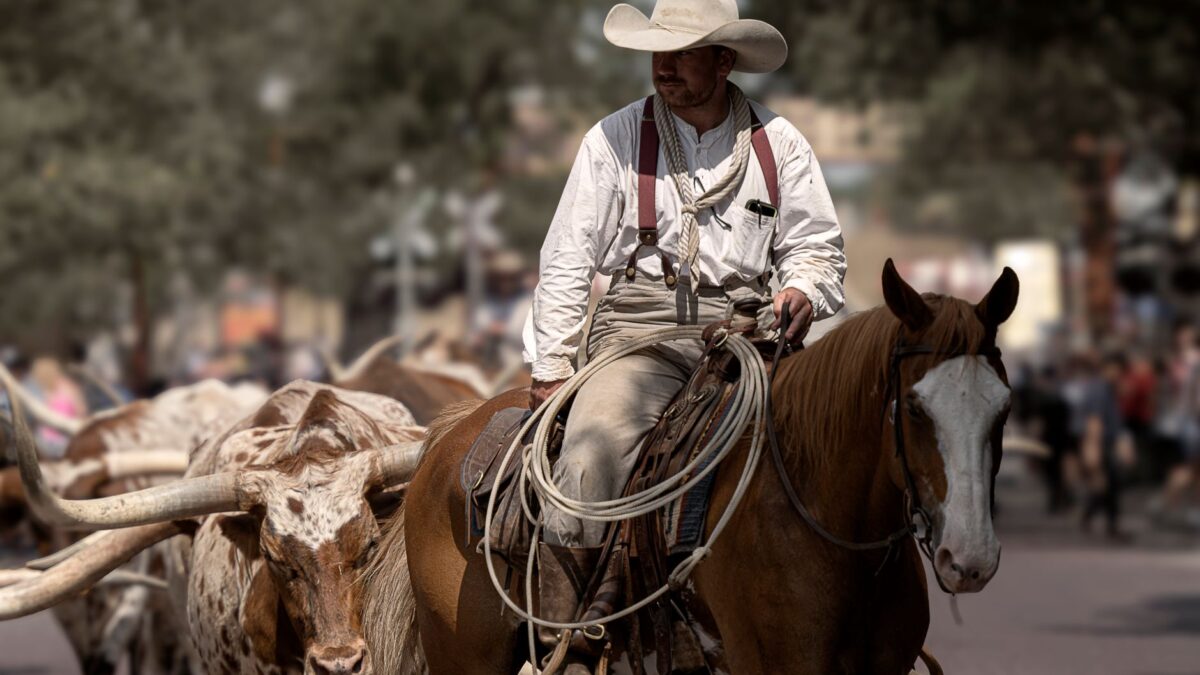
The Fort Worth Stockyards National Historic District is where the city’s “Cowtown” identity lives: original brick streets, the twice-daily longhorn cattle drive, the Texas Cowboy Hall of Fame, live rodeos at Cowtown Coliseum, and Billy Bob’s Texas — the world’s largest honky tonk. The surrounding Northside is a real residential neighborhood with deep roots and some of the city’s best tacos.
8. Ridglea / Western Hills — affordable and convenient
West of downtown along I-30, Ridglea and Western Hills offer some of the most approachable housing in central Fort Worth — mid-century ranch homes, green shopping corridors, and a suburban feel less than 10 minutes from downtown. It’s not flashy, which is exactly the point: value, convenience, and room to breathe.
9. Arlington Heights — established and community-minded
Arlington Heights is the neighborhood where people know their neighbors. Charming bungalows and ranch homes, block parties, a farmers market rhythm, and easy walking access to West 7th and the Cultural District give it a small-town feel inside the city.
10. Tanglewood — top schools and quiet streets
Tanglewood is Fort Worth’s premier family neighborhood: wide streets, mature trees, and schools led by highly rated Tanglewood Elementary — families move here specifically for the attendance zone. Bike trails, a community pool, and a calm, open feel complete the picture, all about 10 minutes from downtown.
Keep exploring Fort Worth: read is Fort Worth a good place to retire in 2026 and our 10 safest cities in Texas, backed by FBI data.
Frequently Asked Questions
Is Fort Worth a good place to move in 2026?
Yes — Fort Worth is one of the fastest-growing large cities in the U.S. and recently surpassed Austin in total population, now over one million residents.
What is the best neighborhood in Fort Worth for young professionals?
West 7th, the Near Southside (Magnolia Avenue), and Downtown/Sundance Square top the list for young professionals — walkable streets, bars, restaurants, breweries, and apartments close to the action.
What are the most family-friendly neighborhoods in Fort Worth?
Tanglewood, Arlington Heights, and TCU-Westcliff are the classic family picks — highly rated schools, mature trees, parks, and strong neighborhood associations.
Where is the arts district in Fort Worth?
Fort Worth’s Cultural District, just west of downtown, clusters five world-class museums in a park-like setting: the Kimbell Art Museum, the Modern Art Museum of Fort Worth, the Amon Carter…
What is the Stockyards area of Fort Worth like?
The Fort Worth Stockyards National Historic District is the city’s Western heritage heart — original brick streets, the twice-daily longhorn cattle drive, rodeos at Cowtown Coliseum, and Billy Bob’s Texas,…
Is the Near Southside in Fort Worth safe and walkable?
The Near Southside, centered on Magnolia Avenue, is one of Fort Worth’s most walkable and vibrant districts — independent restaurants, craft breweries, galleries, and live music venues.
How is the commute from Fort Worth neighborhoods to downtown?
Most of the neighborhoods on this list — West 7th, Cultural District, Near Southside, Fairmount, Arlington Heights, Ridglea, Tanglewood — are within a 10-20 minute drive of downtown Fort Worth,…
What is Fairmount in Fort Worth known for?
Fairmount is Fort Worth’s largest historic residential district, with hundreds of early-1900s homes, tree-lined streets, murals, and a creative, walkable vibe.
Does Fort Worth have a downtown?
Yes — Downtown Fort Worth centers on Sundance Square, a 35-block district of restored historic buildings, plazas, restaurants, and live music, plus the Bass Performance Hall.