
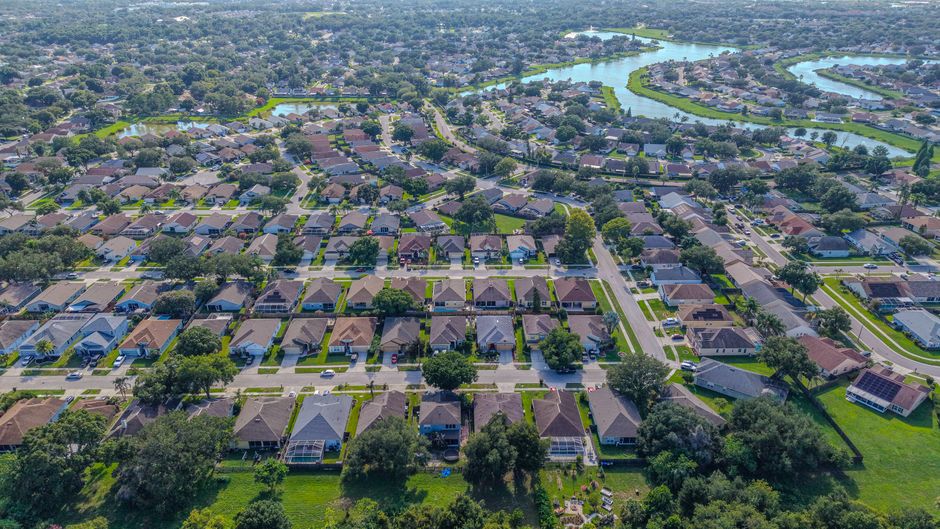
I landed in Tampa on a humid August afternoon, the kind where you step outside and immediately understand why everyone keeps going on about the weather. I'd come to figure out what retirement here actually looks like—beyond the brochures that promise endless sunshine and golf. You hear Tampa mentioned in retirement circles pretty often these days, usually right after someone talks about no state income tax. But sunshine and tax breaks aren't the whole story, and after spending real time here, talking to people who've already made the move, I've got a clearer picture of whether this is actually the right fit.
Tampa's been changing fast. The city's drawing younger professionals and families, which means housing prices have shifted from "bargain basement" to something closer to "competitive." That matters if you're trying to stretch a fixed income. The healthcare situation is solid—no shortage of specialists and major medical centers—but the summers are genuinely oppressive if you're not built for heat and humidity. And yes, there's no state income tax, which is real money in your pocket, though it's worth understanding what that actually means for your situation.
The Cost of Living Question
Tampa's cheaper than a lot of major metros, but it's not a bargain compared to five years ago. Housing is the sticker shock. A decent one-bedroom condo in an established neighborhood runs somewhere in the mid-$200s to $300s, and houses for actual space are pushing into the $400s-$500s range depending on where you're looking. Rent tracks similarly—you're paying $1,800 to $2,200 for a decent one-bedroom, more in popular retirement areas. This isn't crisis pricing, but it's also not "retire on $30,000 a year" pricing.
Groceries and utilities are reasonable. Your electric bill climbs in summer because everyone's running AC constantly, but it's not exorbitant. Dining out is fairly priced—plenty of places where you can eat well for $12 to $18 a plate. Gas is usually in line with national averages. The Florida sales tax sits at 7.5 percent statewide, with some counties adding an extra penny or two, so that's a consideration if you're calculating your actual spending.

Healthcare Access and Services
This is where Tampa actually delivers. Tampa General Hospital is one of the better regional medical centers in Florida, and there's real competition here—Moffitt Cancer Center, multiple urgent care chains, a solid network of specialists. If you're retired and managing chronic conditions, you'll find decent doctors. The catch is finding a primary care physician who's accepting new Medicare patients—that's true everywhere now, and Tampa's no exception. Plan ahead on this one.
The VA hospital serves veterans well if you qualify. Dental and vision costs are out-of-pocket for most retirees, which is standard but worth budgeting for. I met people here paying around $50-$80 for routine glasses and $500-$1,200 for dental work, so factor that in. Prescription costs track with what you'd pay anywhere else; no special deals, but no penalties either.
Climate Reality Check
Everyone knows Florida is hot. What's less discussed is what that actually means living here long-term. June through September, temperatures routinely hit 92-95 degrees with 70-80 percent humidity. It's not pleasant outdoor weather, and you'll spend a lot of time indoors or in water. Afternoon thunderstorms are sudden and intense but cool things off temporarily. If you hate summer heat and humidity, Tampa is not your answer, regardless of the tax benefits.
Winters are genuinely mild—you're looking at daytime temps in the 65-72 range in January and February, and cold snaps are rare. That's the payoff if you're fleeing harsh Northern winters. Hurricane season (June-November) exists, and while Tampa hasn't taken a direct major hit in a while, the threat is real. You'll want flood insurance if you're anywhere near water, and homeowners insurance generally costs more in Florida because of the risk. That's not a deal-breaker, but it's not free.
Tax Considerations for Retirees
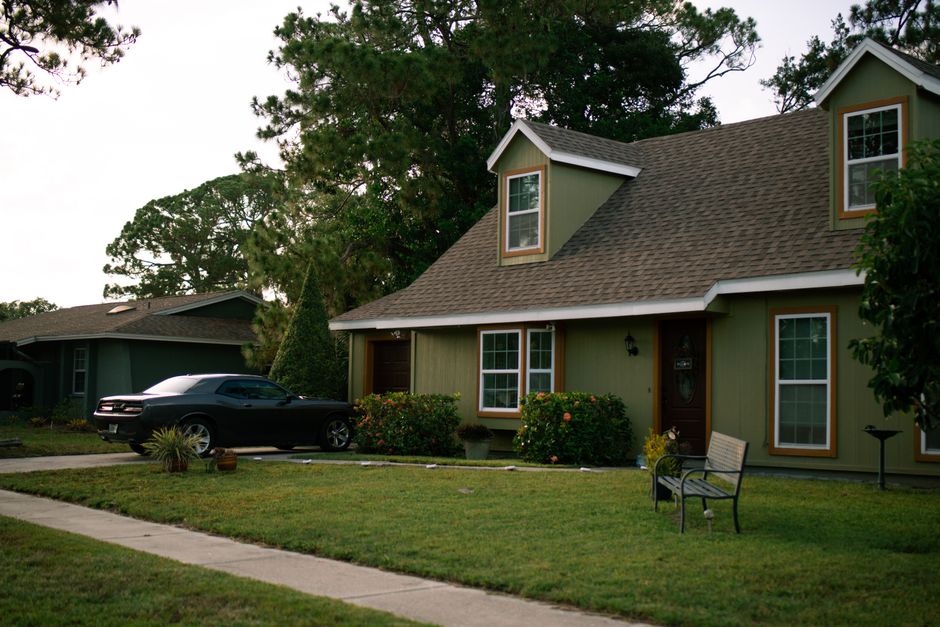
Florida has no state income tax, period. If you're living on Social Security, dividends, retirement account withdrawals, or wages, you pay zero to the state. That's legitimate money back in your pocket compared to states that tax retirement income. For someone with a $50,000 annual income from retirement sources, that could mean $2,500-$4,000 back depending on where you're coming from.
But don't let that completely overshadow property taxes, which run around 0.8-0.9 percent of assessed home value statewide—reasonable but not negligible. If your home is valued at $400,000, you're looking at roughly $3,200-$3,600 annually. Sales tax is higher than many states to make up for that missing income tax. And if you're still working or have significant investment income, run the actual math before deciding based on income tax alone. For pure retirement living though—living off savings and Social Security—the no-income-tax situation is genuinely valuable.
South Tampa and Hyde Park
South Tampa, particularly neighborhoods like Palma Ceia and Seminole Heights, draws a lot of retirees looking for walkable urban living without the chaos of downtown. These are established areas with mature trees, proximity to shops and restaurants, and a real sense of community. Homes run into the $500s-$700s depending on lot size and condition; you're paying for location and infrastructure rather than new construction. The neighborhoods feel settled, which appeals to people who want to plant roots rather than perpetually feel like they're in a development.
Hyde Park is similar—older, quieter, slightly more expensive, with good bones and established character. Both areas have decent walkability, which matters if you're trying to avoid feeling car-dependent as you age. Downsides are that properties are older and might require renovation; yards can be compact; and summer crowds from younger professionals have been pushing prices up. But if you want to be in Tampa proper with access to actual neighborhoods rather than sprawl, these deliver.
The Villages and Nearby Alternatives
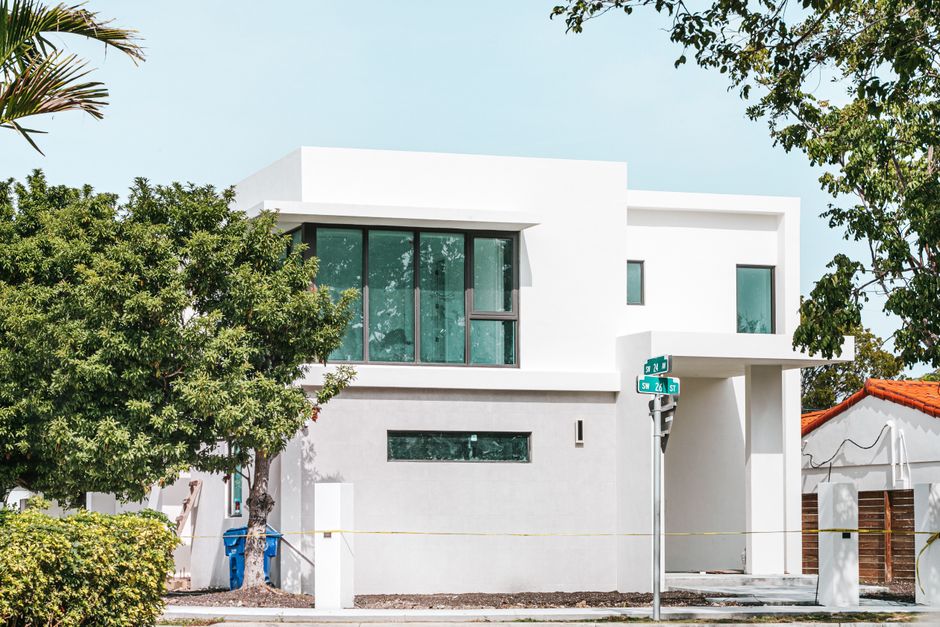
The Villages, about 90 minutes north of Tampa in Sumter County, is the famous retirement community—massive, planned, with tons of activities, golf, and a solid community of retirees. It's not for everyone (the vibe is very specific, very active-seniors-focused), but if you want built-in social life and amenities, it exists. Homes there range from the $300s to well over $600,000, and there's a monthly fee on top of property taxes for community maintenance.
Closer to Tampa, some retirees prefer Zepherhills, about 40 minutes north, which is smaller, cheaper (homes run $200s-$350s), and less "master-planned community" and more actual town. It's quieter, less developed, closer to rural Florida. If you want the tax advantages and healthcare access of the Tampa area but prefer a smaller-town feel, it's worth considering. Dade City, another 30 minutes north, is similar—genuinely small, vintage downtown area, cheaper real estate, trade-off being fewer doctors and restaurants.
Traffic, Driving, and Daily Life
Tampa's traffic is real and growing. I-75 is a zoo during commute times, and if you're in the central or northern suburbs, you'll feel car-dependent. The public transit system exists but isn't robust—buses work fine for specific routes, but you're not giving up a car here. That matters if you're aging and eventually worried about driving. South Tampa and Hyde Park are more walkable, which helps. The further out you go, the more you're committing to driving.
Day-to-day living feels normal—groceries, doctors, restaurants, entertainment, all accessible. There's no sense of isolation like you might feel in smaller retiree communities. You can eat well, find culture, access nature with short drives to beaches or state parks. Busch Gardens and other attractions are close for grandkids visiting. It's a real city, not a retirement colony, which appeals to some people and turns others off.
The Real Bottom Line
Tampa makes sense as a retirement destination if you like heat, want to avoid state income taxes, need solid healthcare access, and want to live in an actual city rather than a planned community. It doesn't make sense if you hate summer humidity, want to minimize your driving, or are hoping to find ultra-cheap cost of living. The no-income-tax thing is real money, but don't let it overshadow the actual costs—housing, property taxes, utilities, hurricane insurance—that are higher here than in many other places.
The neighborhoods are solid. Healthcare is legitimate. The community is growing and changing, which means more amenities but also more traffic and higher prices. Before you commit, spend a full summer here if you can—August especially. See if you can tolerate the heat, the humidity, and the thunderstorms that roll through most afternoons. Talk to people who've actually moved here, not just real estate agents. This is a legitimate retirement option, but it's not universally right, and the hype sometimes outpaces the reality.



