
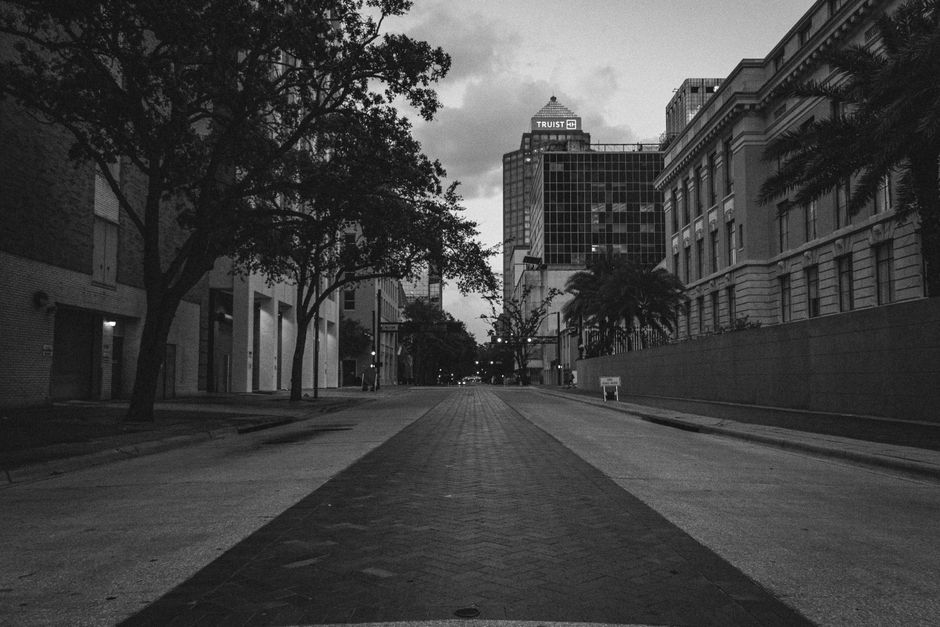
I landed in Tampa on a Thursday morning with the usual mix of excitement and low-level vigilance. The city's got a different feel than I expected—it's sprawling, hot, and honestly more welcoming than the crime-focused travel warnings suggested. After spending a couple weeks moving between neighborhoods, walking at different hours, and talking to locals, I realized most of Tampa is perfectly safe for solo travelers. What matters is doing the obvious stuff: knowing which areas to avoid late at night, using rideshare when transit gets thin, and not leaving your phone on the bar while you grab a drink.
Like any major city with a population pushing half a million, Tampa has neighborhoods that work better than others, and times of day that change the calculus. The good news? The vast majority of the tourist corridor and popular neighborhoods are well-lit, patrolled, and full of other people. The practical news? There are a few blocks and areas where you shouldn't be alone at 2 a.m., and some neighborhoods where daytime feels fine but evening is different. Here's what actually matters.
The General Tampa Safety Picture
Tampa's crime rates have tracked higher than national averages in recent years, particularly property crimes and theft. Violent crime exists but isn't randomly distributed—it clusters in specific areas, mostly away from where tourists and solo travelers naturally end up. The Tampa Police Department publishes crime data by district, and if you spend five minutes looking at where incidents concentrate, a pattern emerges: it's not downtown, it's not Ybor City, and it's not the neighborhoods tourists actually visit.
What you will encounter is typical urban stuff: bike theft, car break-ins in poorly monitored lots, and the occasional person asking for money aggressively. None of that requires paranoia, just basic awareness. Keep your phone in your pocket, don't leave valuables visible in your car, and don't walk with your head buried in a map at 1 a.m. You already know this if you've spent time in any American city over 100,000 people.
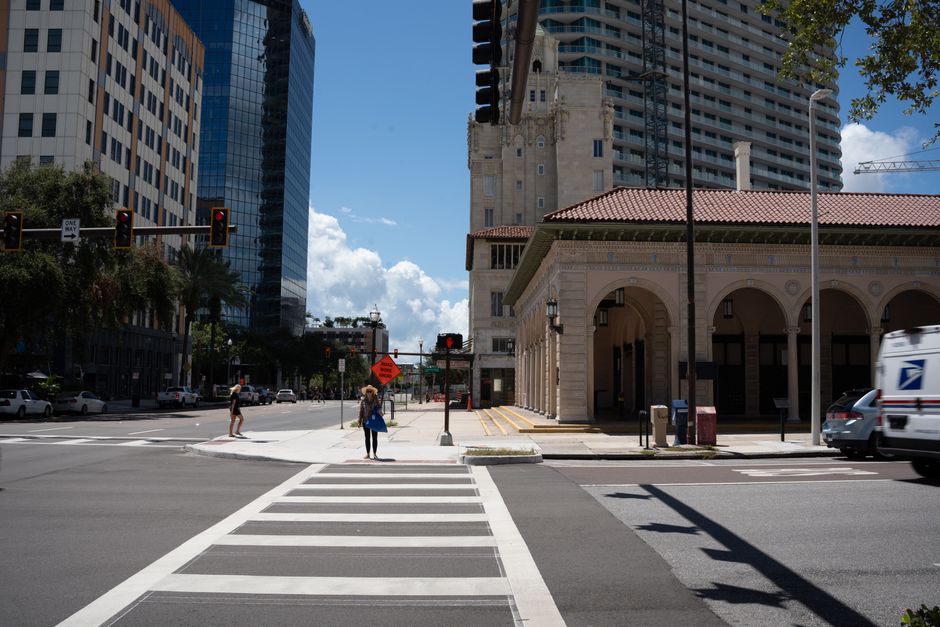
Downtown and Ybor City: Generally Safe, Context Matters
Downtown Tampa, especially around the Riverwalk and the cultural district, is legitimately fine. There's foot traffic, good lighting, visible security, and cops on bikes. I walked these areas at night without incident, and I watched solo travelers doing the same constantly. The Amalie Arena, the theaters, the restaurants—all normal city vibe. Same with Curtis Hixon Waterfront Park during the day and early evening.
Ybor City is trickier only because it's a nightlife district with heavy foot traffic that thins out after midnight, and because the grid of old brick buildings and narrower streets feels different than the open Riverwalk. That said, it's not dangerous in the way people sometimes imply. It's a working historic neighborhood where people actually live, go out, and conduct business. Stay on the main drags (7th Avenue especially), and don't wander down residential side streets alone at 2 a.m.—which is just sensible judgment, not evidence of actual danger. During the day and early evening, Ybor is great for walking around.
Areas to Avoid or Exercise Caution In
There are neighborhoods—primarily certain pockets of central and south Tampa—where solo travelers shouldn't spend time, particularly after dark. East Tampa, parts of central Tampa, and some areas south of downtown show consistently higher rates of reported crimes including both property and violent offenses. These aren't places you'd stumble into by accident; they're not on the tourist map, and there's no reason for a solo traveler to be there.
The 34602 and 34603 ZIP codes (roughly the area around 22nd Street and further inland) and some blocks around Nebraska Avenue are areas locals and police data consistently flag. Again, this doesn't mean everyone there is in danger or that crime happens constantly, but it does mean that if you're alone, unfamiliar with the neighborhood, and don't have a specific reason to be there, it's worth avoiding. Daytime is different from nighttime everywhere—a neighborhood that's busy and reasonably safe at noon can feel exposed and uncomfortable at midnight.
Be especially cautious if you're using rideshare to get somewhere unfamiliar. Ask the driver or check in with your hotel staff about whether a specific address is in a neighborhood worth walking around in. That takes two minutes and saves a lot of regret.

Public Transit and Getting Around
Tampa's public transit (HART buses and the streetcar) exists and is affordable, but it's not frequent or comprehensive enough to be your primary way of getting around as a solo traveler. Buses run, but not every 5 minutes like you might expect in a truly dense city. The streetcar is charming and safe for short hops through downtown and Ybor, but it's not going to get you everywhere.
Use rideshare (Uber, Lyft) for evening and night movement between neighborhoods. It's cheap enough—rides within the city usually run $8–15—that it's not worth the calculation of whether a walk is safe. Daytime, the city is very walkable if you're in the right areas: downtown, Ybor, Hyde Park, Davis Islands, South Tampa neighborhoods like Carrollwood. Just know your starting point and destination. If you're a solo female traveler, the usual rideshare precautions apply: check driver ratings, share your trip, have someone know where you're going. That's not Tampa-specific; that's everywhere.
Practical Precautions That Actually Work
Keep your phone charged and use Google Maps instead of walking around looking lost. Use your phone strategically—keep it in your pocket on the street, don't scroll while walking. Petty theft and phone theft happen in concentrated pockets, usually places with lower visibility and less foot traffic.
Don't leave stuff in your car, ever. Park in well-lit spots and in parking garages when you can. If you're bar-hopping in Ybor or downtown, keep your drink with you and your bag zipped. Use the buddy system for late-night outings if possible, but solo female travelers do this alone constantly and fine—just apply the same judgment you'd use in any city.
Be aware of the heat and humidity. Tampa in summer is genuinely punishing, and dehydration plus exhaustion makes you less alert. Drink water. Sit in air-conditioned spots during the middle of the day. Solo travel in heat makes you a slightly easier target for scams and aggressive panhandling, so manage your physical state.
Stay in neighborhoods worth staying in. South Tampa, Hyde Park, downtown, Ybor, Davis Islands, Seminole Heights—these are all solid choices where you'll have foot traffic, restaurants, and an actual sense of being in a functioning neighborhood. It's not a compromise; these are where the good stuff is anyway.
Late Night and Specific Hours
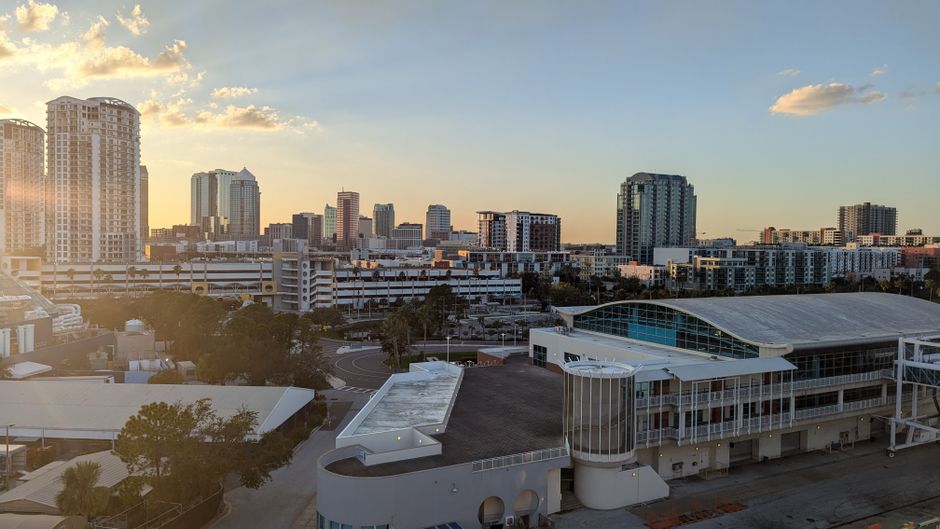
The calculation changes after midnight. Fewer people walking around, fewer eyes on the street, fewer cops. This is true everywhere, but it's worth stating plainly for Tampa: if you're planning to be out past midnight, build that into your decision about where to be and how to move through the city. 2–4 a.m. is not a time to be wandering alone in an unfamiliar area, even if that area seemed fine at 10 p.m.
Ybor City and downtown have nightlife that runs late, and that's fine—you'll have people around and lit streets. But once the bars close and the crowds disperse, the dynamic shifts. That's when a rideshare back to your hotel makes sense, not a walk. Same applies if you're out on Davis Islands or in other neighborhoods. It's not paranoia; it's just how cities function.
Solo Travel Vibes: What Works in Tampa
I spent most of my time in Ybor City, downtown, and Hyde Park, and I moved around comfortably. The city has character, good food, and a genuinely friendly vibe. Solo travelers are common enough that you won't feel out of place, and the neighborhoods where tourists and locals actually congregate are as safe as they should be for a city this size.
The thing about Tampa is that it's not a densely packed walkable city in the way New York or New Orleans is. It's more spread out, more car-centric, which actually means better sight lines and fewer situations where you're trapped in crowded narrow spaces. Use that to your advantage. Stay in neighborhoods where you can see what's happening around you. Move with purpose. Be aware of your surroundings without being paranoid. These aren't radical precautions; they're just how you move through any American city alone.




One Comment