Why This Utah County Is the Weed Capital of the World
This Utah county is the weed capital of the world — and it’s not a title anyone was eager to earn. Juab County, Utah, has become notorious among agricultural and environmental experts for its staggering concentration of invasive weed species, particularly halogeton and other noxious plants that have taken over massive stretches of land. The designation reflects a genuine ecological and agricultural challenge that affects ranchers, land managers, and wildlife throughout the region.
Table of Contents
- Why This Utah County Is the Weed Capital of the World
- The History Behind the Weed Capital Title
- What Makes Halogeton So Dangerous
- The Ecological Impact on Juab County's Landscape
- What Land Managers and Agencies Are Doing About It
- What Visitors and Travelers Should Know
- The Broader Lesson for Invasive Species Management
- Conclusion
- Frequently Asked Questions
Understanding how a single county earned this reputation helps explain the broader challenges of invasive species management across the American West.
- Juab County, Utah is widely cited as having one of the highest concentrations of invasive noxious weeds in the world.
- Halogeton, a toxic invasive plant, is among the most problematic species in the region and is poisonous to livestock.
- Decades of land disturbance, overgrazing, and drought conditions created ideal conditions for invasive plants to thrive.
- Land managers, ranchers, and state agencies have worked on control efforts, though the problem remains significant.
- The county’s experience serves as a cautionary tale and a case study for invasive species management nationwide.
The History Behind the Weed Capital Title
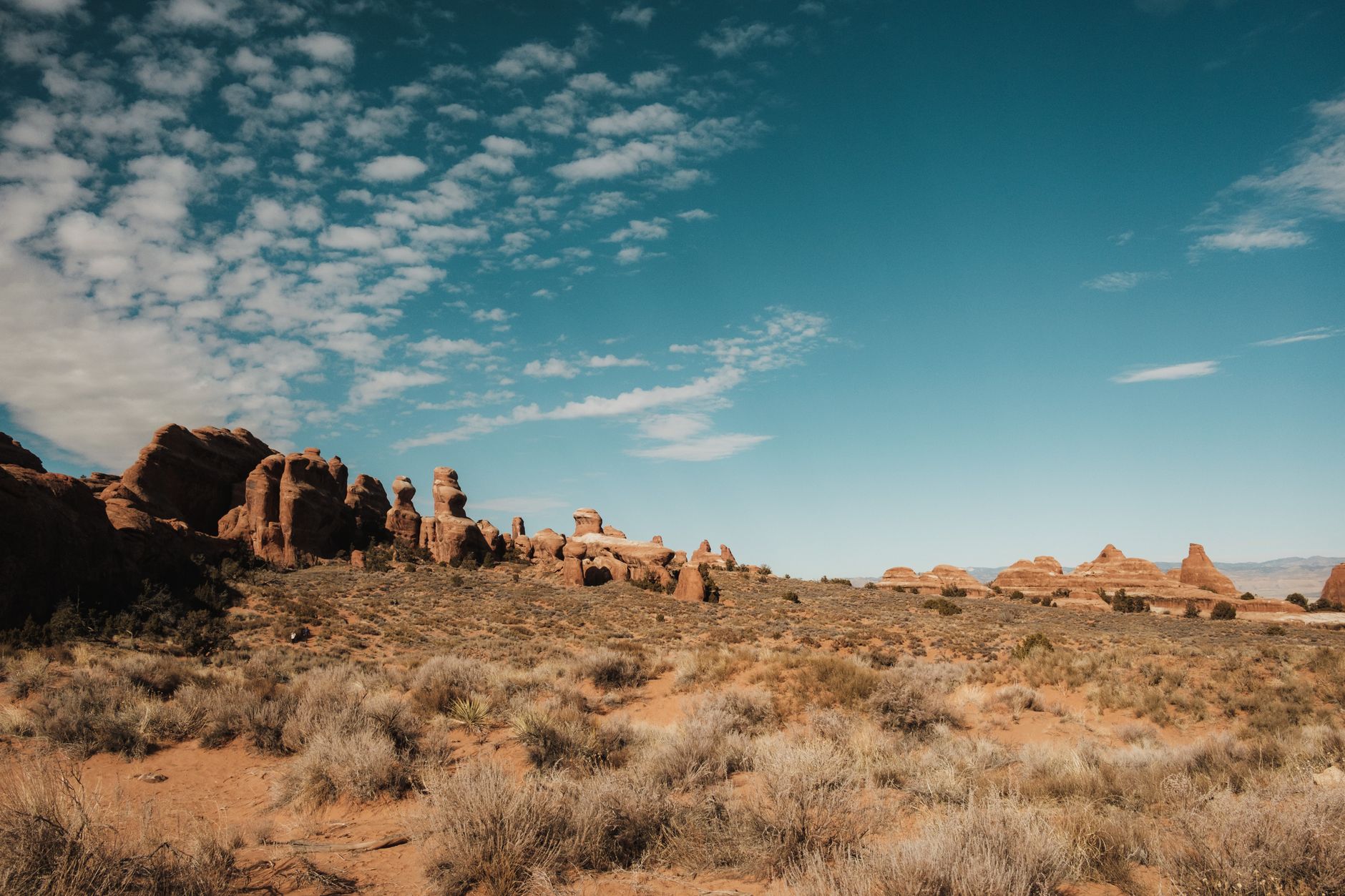
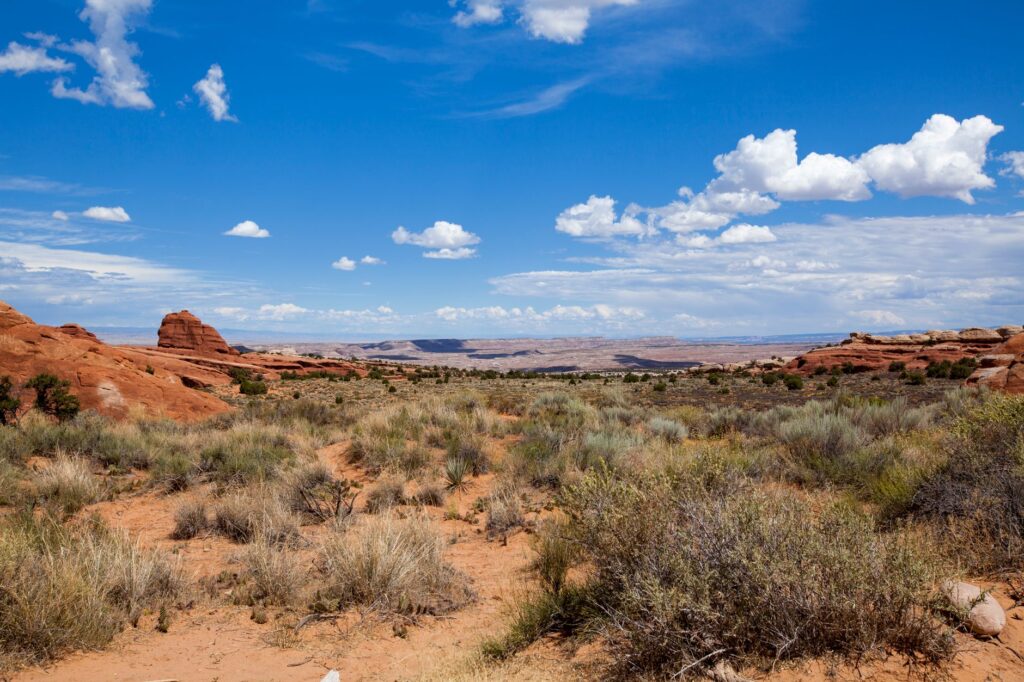
The label didn’t appear overnight. Juab County’s weed problem developed over many decades, shaped by a combination of natural geography and human land use patterns. The county’s high desert terrain — vast, semi-arid, and sparsely vegetated — proved vulnerable once native plant communities were disturbed.
Halogeton, introduced accidentally from Eurasia in the 1930s, found the degraded rangelands of central Utah ideal for explosive growth. By mid-century, millions of acres across the Great Basin were affected, and Juab County sat near the epicenter of that spread. The plant thrives in alkaline soils and disturbed ground, exactly the conditions left behind by heavy grazing pressure and drought cycles.
Early reports from range scientists and agricultural extension agents began flagging Juab County’s unusual weed density, and the informal title of “weed capital” took hold in the region’s agricultural community long before it reached a wider audience.
What Makes Halogeton So Dangerous
Halogeton (Halogeton glomeratus) is not just an eyesore — it’s a genuine hazard. The plant accumulates oxalates, compounds that are toxic to sheep and cattle when consumed in sufficient quantities. Livestock that graze heavily on halogeton can suffer kidney failure and death within hours.
For ranchers in Juab County and surrounding areas, this creates serious economic consequences. Sheep drives that once crossed halogeton-infested terrain without issue became dangerous as the plant spread, and documented livestock losses prompted federal and state intervention programs. The toxicity of the plant is one reason invasive weed management in this region became a public policy issue rather than just a farming concern.
Other Problematic Weed Species in the Area
While halogeton gets the most attention, Juab County and nearby areas of the Great Basin also contend with other invasive species. Cheatgrass (Bromus tectorum) is widespread and dramatically increases wildfire frequency and intensity. Russian thistle — the iconic tumbleweed — and various invasive mustards also compete aggressively with native vegetation.
Each species creates its own management challenges, and their combined presence makes restoration of native plant communities exceptionally difficult and costly.
The Ecological Impact on Juab County’s Landscape
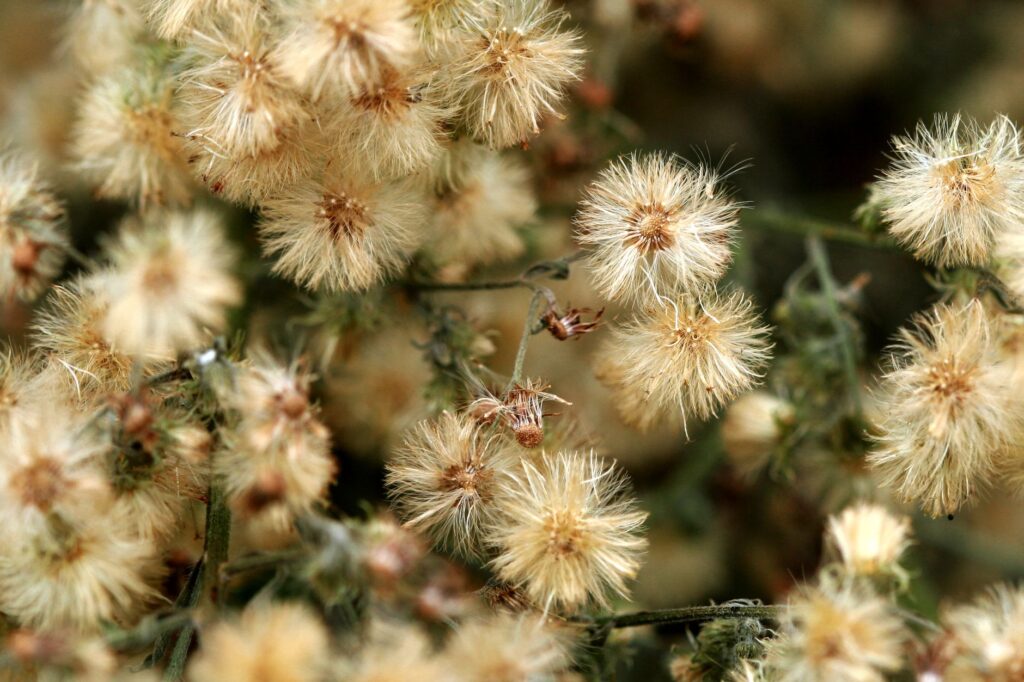
When invasive weeds displace native plants, the consequences ripple through entire ecosystems. Native grasses, shrubs, and wildflowers that once stabilized soil and provided food and habitat for wildlife are replaced by monocultures of species that most animals won’t eat and that provide little ecological value.
In Juab County, the spread of invasive weeds has been linked to increased soil erosion, reduced water infiltration, and degraded habitat for species including pronghorn antelope and sage-grouse — both of which depend on intact sagebrush steppe ecosystems. The loss of plant diversity reduces the resilience of the landscape to drought and other stressors, creating a cycle that’s difficult to break.
Wildfire risk is another major concern. Cheatgrass and other annual grasses dry out early in the season, creating continuous fuel loads that can carry fires across vast areas and prevent native plants from recovering.
What Land Managers and Agencies Are Doing About It
Addressing a weed problem at this scale requires coordinated effort. In Juab County and across the Great Basin, a combination of federal, state, and local agencies — including the Bureau of Land Management, the Utah Department of Agriculture and Food, and county weed boards — work on control and restoration programs.
Common management tools include targeted herbicide application, prescribed burning under controlled conditions, mechanical removal, and biological control using insects or pathogens that specifically attack invasive plants without harming native species. Revegetation with native seed mixes follows treatment in many areas to prevent reinvasion.
Ranchers and private landowners also play a critical role. Grazing management that avoids overuse of vulnerable areas helps native plants maintain competitive advantage over invasives. Early detection and rapid response programs aim to catch new invasions before they become established.
The Role of Community Awareness
Public education is an often-overlooked component of invasive species management. Hikers, off-road vehicle users, and travelers can inadvertently spread weed seeds on footwear, clothing, tires, and equipment. County weed boards in Utah have long promoted “clean, drain, dry” and similar protocols to reduce accidental seed transport.
Understanding what invasive plants look like and reporting new infestations can make a meaningful difference in slowing the spread — particularly for species that haven’t yet established themselves in new areas.
What Visitors and Travelers Should Know
If you’re planning to visit Juab County or travel through central Utah, the weed situation is worth knowing about, especially if you’re hiking, hunting, or engaging in outdoor recreation. Checking and cleaning gear before and after visits to infested areas is a simple practice that supports broader conservation goals.
The county is also home to interesting landscapes and recreational opportunities despite its weed challenges. Topaz Mountain, known for its topaz crystals, and the vast open spaces of the West Desert attract visitors each year. The weed capital designation doesn’t diminish the region’s natural character — it highlights an ongoing environmental challenge that local communities are actively working to address.
For context on how communities across the country deal with other unexpected distinctions and environmental or public safety challenges, it’s useful to look at regional examples. Just as urban areas face their own distinctive issues — for instance, understanding whether Philadelphia is dangerous for visitors requires looking beyond headlines — evaluating Juab County’s weed problem requires understanding its full context rather than relying on a single label.
The Broader Lesson for Invasive Species Management
Juab County’s story is an important one for land managers, policymakers, and the public across the American West and beyond. It illustrates how quickly invasive species can take hold when conditions align, and how difficult and expensive full recovery can be once a plant becomes deeply established.
It also shows the importance of prevention over remediation. Just as communities benefit from addressing public health concerns before they escalate — as seen when examining obesity trends in California cities as a preventable health challenge — addressing invasive weeds early is far more cost-effective than large-scale removal after the fact.
The county has become something of a field laboratory for restoration science, and the lessons learned there inform weed management strategies across the region. Researchers, range specialists, and conservationists continue to study the area’s challenges and document what works — and what doesn’t — in real-world conditions.
Frequently Asked Questions
What county in Utah is known as the weed capital of the world?
Juab County in central Utah is widely referred to as the weed capital of the world due to its extraordinarily high concentration of invasive noxious weed species, particularly halogeton. The designation has been used by agricultural and environmental communities for decades. It reflects genuine ecological challenges rather than a formal official title.
What is halogeton and why is it a problem in Utah?
Halogeton is an invasive plant from Eurasia that was accidentally introduced to the United States in the 1930s and spread rapidly across Great Basin rangelands. It accumulates toxic oxalates that can kill sheep and cattle that consume it in large quantities. Its ability to thrive in disturbed, alkaline soils makes it especially difficult to control in Utah's high desert environment.
How does Utah manage its invasive weed problem?
Utah uses a combination of herbicide treatments, prescribed burning, mechanical removal, biological control agents, and native seed revegetation to manage invasive weeds. County weed boards coordinate with state and federal agencies including the Bureau of Land Management and the Utah Department of Agriculture and Food. Ranching practices and public education also play important roles in prevention and control.
Can invasive weeds affect wildlife in Utah's Great Basin?
Yes, invasive weeds significantly impact wildlife by replacing native plants that animals depend on for food and habitat. Species like sage-grouse and pronghorn antelope are particularly affected when sagebrush steppe ecosystems are degraded. Cheatgrass also increases wildfire frequency, further disrupting habitat across large areas.
Is it safe to visit Juab County despite the invasive weed problem?
Visiting Juab County is generally safe for recreational visitors, and the area offers outdoor attractions including Topaz Mountain and expansive desert landscapes. Travelers are encouraged to clean footwear and gear to avoid spreading weed seeds to new areas. The weed problem affects agricultural land and natural ecosystems but does not pose a direct risk to human visitors.
Conclusion
This Utah county is the weed capital of the world not by choice, but as the result of decades of ecological disruption, introduced species, and challenging environmental conditions. Juab County, Utah, stands as both a cautionary example and an active case study in invasive plant management. The problem is serious and ongoing, but so are the efforts to address it. Whether you’re a rancher, a land manager, a hiker, or simply someone curious about why a Utah county earned such an unusual title, the full story reveals the complex, long-term work required to restore and protect natural landscapes. Awareness, early action, and community involvement remain the most powerful tools available in turning the tide against invasive species — in Utah and everywhere else.