I rolled into Columbus on a Thursday evening last fall, rental car parked in a garage I'd already forgotten the name of, and did what I always do first: walked. Not to see landmarks or check boxes. Just to get a feel for where I might actually want to spend five days.
Columbus surprised me. I'd expected Midwest practicality dressed up in a few glass buildings. What I found instead were actual neighborhoods—places with their own rhythms, where locals weren't performing for visitors but doing their actual living. The trick, I learned, was knowing where to land. Staying in the wrong part of Columbus means you're either bored or exhausted from driving everywhere. Stay in the right neighborhood, and you'll understand why people who leave still come back.
German Village: The Instagram Version of Columbus (That Actually Works)
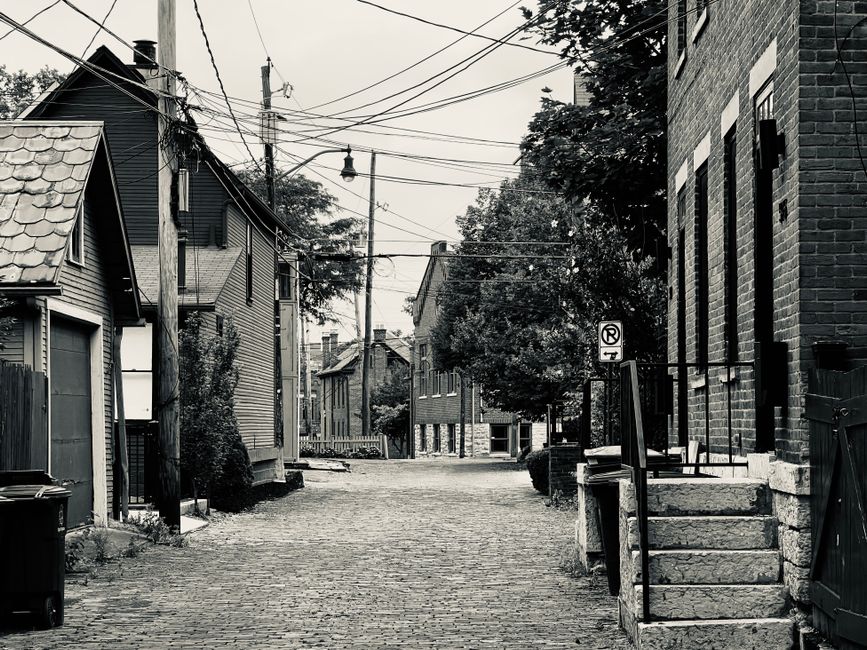
German Village is what happens when a neighborhood decides to embrace its character instead of sand it down. Brick buildings from the 1800s, restored to a point just shy of theme-park perfection, line streets narrow enough that you notice the smell of coffee spilling onto the sidewalk from one of the dozens of cafes. Walk down South Third Street on a Saturday and you'll understand why it's packed.
The walkability here is excellent—you can get almost anywhere on foot, and you'll actually want to. High Street serves as the main artery, with restaurants, vintage shops, and breweries clustering around Schiller Park. Night safety is solid; the neighborhood is well-lit and populated enough that you're never alone, even at 11 p.m. on a Tuesday. That said, it's not party central. You'll find good bars and the occasional live music spot, but German Village is quieter than nightlife-focused areas. Think wine bar, not dive bar.
Nightly rates typically run $120 to $180 for a decent one-bedroom, depending on the season. Book a place with exposed brick if you can stand the cliché—sometimes clichés exist because they work. The trade-off is that German Village has become well-established on the tourist circuit, so you won't find solitude, but you will find reliable charm and restaurants that know what they're doing.
Short North: Gallery Crawls and Bar-Hopping in Earnest
Short North is Columbus's answer to the question nobody asked: what if we made a neighborhood specifically designed for people who like to be around people? High Street here is the real downtown, a corridor of galleries, restaurants, bars, and coffee shops that somehow hasn't completely succumbed to chain homogenization. First Saturdays are when the neighborhood hits critical mass—gallery openings, street performers, crowds that stretch for blocks. It's worth timing a visit around it, even if crowds aren't your thing, just to understand why people bother living here.
Walkability is strong, especially along High Street itself. Beyond that main drag, the neighborhood becomes more residential and quieter. Night safety is generally fine on High Street and the immediate surroundings, though the typical urban-neighborhood rules apply—be aware, stick to populated areas late at night, don't wander into corners advertising opportunity. The nightlife here is genuine. Bars run the gamut from craft-cocktail serious to dive-bar casual, and there's enough foot traffic that it never feels empty or hostile.
Airbnbs here start around $100 to $110 nightly for basic studios and climb to $200-plus for nicer one-bedroom places. The neighborhood still has affordable pockets if you're willing to be a few blocks off High Street. The real advantage of staying in Short North is that you can walk home from almost any night out—a practical benefit that matters more than you'd think when you're past midnight and tired.
Italian Village: Quieter, Walkable, Still Real
Italian Village is what German Village was before everyone decided German Village was worth visiting. It's got the brick buildings and narrow streets, but fewer tourists and consequently fewer Instagram-perfect cafes. There's real texture here—old residents who've been here thirty years, family businesses that don't feel curated, and a slower pace that some people find boring and others find peaceful depending on what they came to Columbus needing.
The neighborhood is very walkable, clustered tightly enough that you can get to most places on foot. North High Street runs through it with decent restaurants and bars, and you're close enough to Short North if you decide you want actual nightlife on a particular evening. But Italian Village itself is quieter—this is where you come to actually work, read, or settle in. Night safety is solid, with good street lighting and a residential feel that means people are around and paying attention. It's not rowdy, which some travelers appreciate and others find limiting.
Pricing is notably lower than German Village—expect $80 to $130 nightly for comparable spaces. That price difference matters if you're booking for a week or longer. The trade-off is that the neighborhood requires you to be comfortable with quieter evenings and a slower beat. If you're someone who needs constant activity to feel like you're having a good time, you'll be itchy. If you're someone who travels to actually exist in a place rather than consume it, you'll probably want to move here.
University District: Young Energy Without Pure Chaos
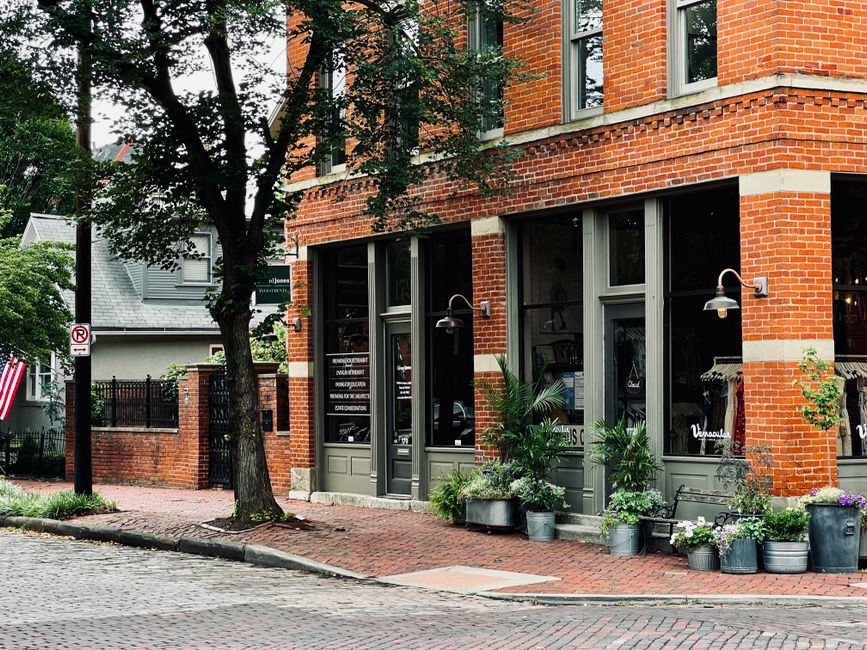
The University District, centered around Ohio State, is what you'd expect—young people, bars, energy, late nights. The walkability is good; you can get almost anywhere on foot if you don't mind the constant foot traffic and the young-person density. Safety at night is reasonable, but it's college-adjacent, so exercise normal urban awareness. There's noise, and there's a lot of it, especially weekends and Thursday nights when college bars think Thursday is Friday.
Nightlife is the entire point of this neighborhood. If you want bars and late nights and a pulse of people your age, you'll find it. If you want quiet mornings, you might find them less available. Nightly rates are cheaper here—$70 to $120—because the market is younger and more competitive. You're also likely dealing with more Airbnb turnover and slightly less vetted hosts, so read reviews carefully.
Honestly, the University District works best if you're actually somewhat young yourself, or if you're someone who genuinely thrives on that kind of energy. For solo travelers over thirty-five, I'd usually steer elsewhere unless you're specifically looking for that college-bar scene. But if you fit the vibe, it's genuine and affordable.
Worthington: Where Quiet Doesn't Mean Dead
Worthington is a suburb that's close enough to Columbus to feel connected but far enough away to actually be quiet. It's got a walkable main street (High Street again—Columbus doesn't get creative with names) with local shops, restaurants, and a small-town feeling that's not affected. Families live here, and that tells you something about the pace.
The walkability on the main corridor is good; beyond that, it becomes car-dependent, which is worth considering if you prefer to move around on foot. Night safety is excellent—this is suburban safe, meaning well-lit and uneventful. Nightlife is not a feature. You'll find a few nice restaurants and bars, but they close early and don't stay crowded. Nightly rates are usually $90 to $130, competitive with Italian Village pricing.
Worthington works if you're using Columbus as a base to work, meet people during the day, and then retreat somewhere calm to sleep and think. It doesn't work if you need the neighborhood to provide entertainment or social life. You're relying on having a car or being willing to spend money on rideshares to get into the city proper for events. But the quiet is real, the safety is genuine, and some people find that genuinely valuable.
Practical Notes Before You Book
Prices in all these neighborhoods fluctuate seasonally. Expect to pay more during the fall (when Ohio State football is happening), around holidays, and during the larger First Saturday art walks. Summer can be cheaper, counterintuitively—many younger renters are home from college, reducing demand.
Whatever neighborhood you pick, read your Airbnb reviews carefully and look at photos dated recent. Columbus's neighborhoods are still actively changing, and a host's listing photos from three years ago might not reflect current conditions. Ask questions about parking before you book if you're driving.
One last thing: you don't need to see everything in one trip. Pick a neighborhood that matches what you actually want out of the time, book yourself there, and stay put. The neighborhoods are close enough that you can wander into another one for dinner or a gallery crawl without needing to move your base. Columbus rewards settling in, not rushing through.