I landed in Albuquerque on a Thursday afternoon, and my first instinct—like any solo traveler's—was to check my phone for warnings. The internet had plenty to say, most of it either doomsaying or aggressively cheerful denial. The truth, I found after a week of walking, driving, and talking to locals, sits somewhere in the middle. Albuquerque has real neighborhoods and real neighborhoods where you shouldn't wander alone at 2 a.m. That's not unique to New Mexico. What matters is understanding the pattern, not the panic.
The city's crime statistics have drawn national attention, and that's worth acknowledging upfront. Property crime and certain violent crimes do occur at rates higher than the U.S. average, according to FBI data and local police reports. But those numbers cluster in specific areas—they're not evenly distributed across town. Most of Albuquerque, especially where tourists and solo travelers actually spend time, is ordinary and safe. You'll see families eating on patios, people jogging at dusk, students walking home from campus. The key is knowing where those areas are and applying basic street smarts.
Downtown and Old Town: Safe Enough, With Timing
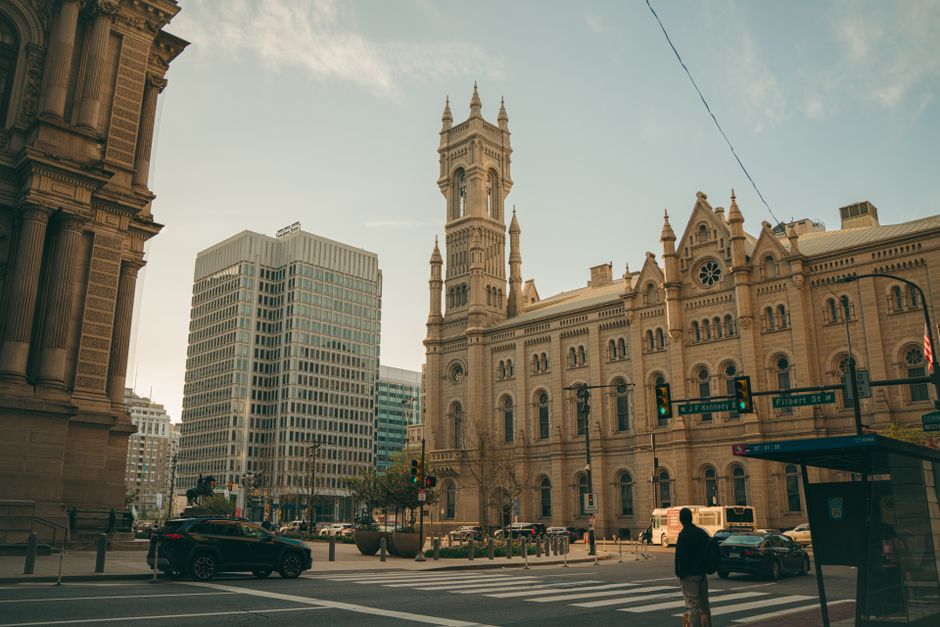
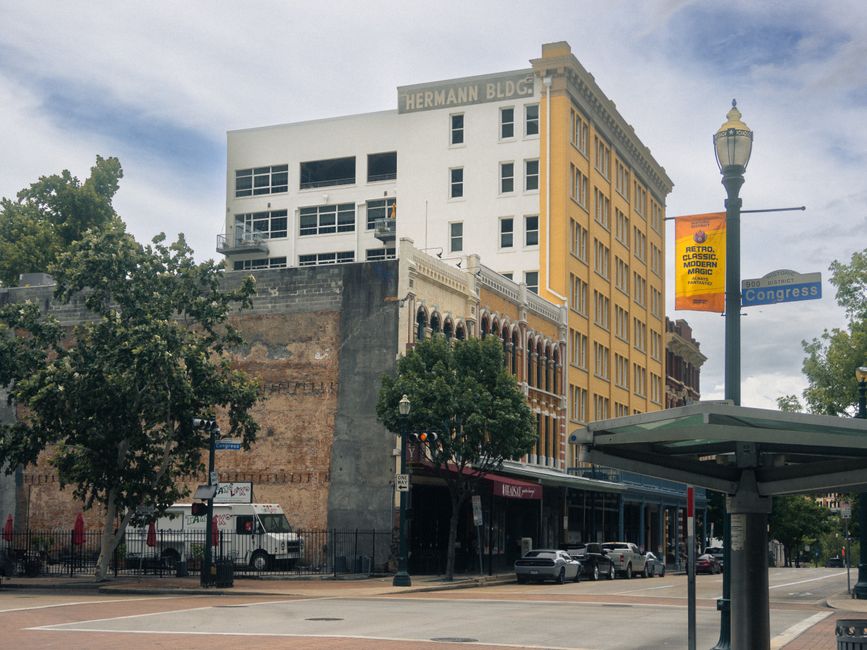
Downtown Albuquerque and Old Town are where visitors congregate, and they're generally fine during daylight and early evening. Old Town especially—the historic plaza surrounded by galleries, shops, and restaurants—feels touristy and well-trafficked. I walked around on a Saturday afternoon and it was packed with families and out-of-state license plates. The architecture is genuinely interesting if you care about that stuff, and the people-watching alone is worth an hour.
The caution here is simple: don't linger after dark. Police presence is visible, but once the sun dips and the restaurants empty out, the foot traffic drops significantly. I stayed out until about 8 p.m. one evening and noticed the shift immediately—the crowd thinned, the vibe changed. If you want dinner or drinks downtown, aim for early evening and either have a plan to get back to your hotel (cab, rideshare, or a well-lit walking route through busy areas) or stay in the neighborhood. The blocks immediately surrounding the plaza are safer than the edges of downtown proper.
Nob Hill and University Area: Young, Active, Mostly Good
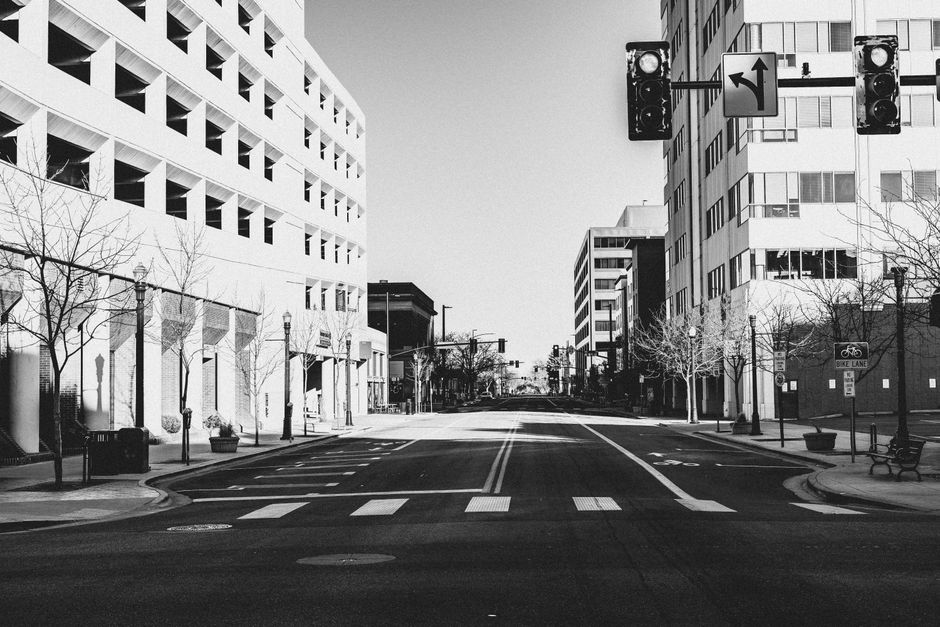
Nob Hill, the neighborhood clustered around Central Avenue east of downtown, is where Albuquerque's younger residents and students hang out. Vintage shops, coffee spots, breweries, and casual restaurants line the streets. On weekends it's lively. During my visit I spent a few afternoons here and saw no reason for alarm—it felt like any college-town neighborhood in the country.
The University of New Mexico campus and the surrounding Uptown area have that standard college-town dynamic: well-lit in many spots, active foot traffic, but with pockets that empty out depending on the time and day. If you're exploring the university area, stick to the main pedestrian corridors and avoid walking alone through less-trafficked sections late at night. The neighborhood is generally fine, but like any urban university area, use your head about timing and route. The Uptown shopping district (farther east, toward the heights) is more car-oriented and worth driving through rather than walking, especially after dark.
Areas Worth Avoiding or Being Cautious In
South and west of downtown—particularly neighborhoods like South Valley and parts of the Westgate area—have higher reported crime rates and lower foot traffic in certain blocks. These aren't tourist zones anyway, so you're unlikely to end up there by accident. If you do venture in (maybe exploring a specific restaurant or art space), go during daylight, consider driving or ridesharing rather than walking, and avoid being out alone after dark. Locals who live there manage fine, but it's not the same risk calculus as walking through Old Town on a Saturday afternoon.
I-25 corridor areas and some stretches of Central Avenue west of downtown have patches where you'll see more obvious poverty, substance use, and general disorder. It's real, not imagined. A solo traveler on foot in those areas after dark is taking an unnecessary risk. Midtown (the commercial strip along Central between downtown and Uptown) is mixed—some blocks are fine, others less so. Unless you have a specific destination, stick to the neighborhoods I mentioned earlier.

Street Smarts That Actually Matter
Don't walk with your phone out unless you're actively using it. Don't display cash, expensive jewelry, or high-end camera gear, especially not in peripheral areas. Don't take your attention off your surroundings in parking lots. These aren't Albuquerque-specific rules—they apply everywhere. I locked my rental car every single time I got out, even in good neighborhoods, partly because it's smart and partly because it's habit.
Rideshare and cabs are cheap enough that you can justify them for evening outings. I used Lyft a few times when I wanted to stay out late downtown and didn't feel like figuring out the walk back. If you're walking anywhere after dark, stick to main streets with good lighting and visible foot traffic. Use a buddy system if possible—even solo travelers can team up with other guests at their hotel for an evening. The Albuquerque Police Department runs community engagement programs and responds to specific safety concerns if you ask your hotel concierge about routes or neighborhoods.
Practical Transit and Navigation
Albuquerque is a car city. The bus system (ABQ Ride) exists and is affordable, but it's not always the safest solo option late at night, and some routes pass through less-safe areas. If you're relying on transit, go during daytime hours or stick to routes that serve the major tourist and commercial corridors. Uber and Lyft are available and fares are reasonable.
Renting a car gives you the most flexibility and is probably safer for a solo traveler, assuming you're comfortable driving. Parking is generally not a headache. If you're not driving, base yourself in Old Town, Nob Hill, or near the university and plan outings from there. Most of what you'd want to see is accessible from those areas anyway.

The Bigger Picture
Albuquerque is not a no-go zone. Thousands of people live here safely. Solo travelers visit all the time. What it requires is the same attention to detail you'd apply to any mid-sized American city with high poverty and corresponding crime in certain areas. Avoid the problem areas, use basic street smarts, don't be out alone at 3 a.m. in sketchy parts, and you'll be fine.
The city itself is worth your time. The light is genuinely beautiful. The food culture (New Mexican cuisine, especially) is distinctive and good. The art scene is lowkey but real. The surrounding landscape—the mountains, the Sandia Peak tram, the pueblos within a short drive—is spectacular. I came expecting to feel trapped in a hotel, and instead I found myself exploring neighborhoods, eating at family-run restaurants, and understanding why people live here despite the city's challenges.
When in Doubt, Ask Locals
Your hotel staff, restaurant servers, and shop owners know which blocks are fine to walk and which aren't. They live here. They're not trying to scare tourists—they're just being practical. I asked a bartender in Nob Hill about the safest route back to my hotel and got specific, honest guidance. Ask. People generally help.
Check current local news before you arrive and during your stay. The Albuquerque Journal and local news stations cover crime and safety issues. You'll get a real sense of what's happening, not internet mythology. And remember: the fact that you're thinking about safety means you're already taking it seriously. That awareness is your best asset.