I landed in Austin on a Thursday evening with a backpack and zero concrete plans. The airport was chaos—typical for a growing city—but the ride-share line moved fast. Driving into town, the first thing that hits you is how sprawled everything is. Long boulevards, music pouring from every corner, people everywhere. It feels energetic, not threatening, but like any city of a million-plus people, Austin has its uneven neighborhoods and times of day when you should keep your wits about you.
I've been traveling solo for years, and I'm not the type to hide in a hotel room. I wanted to know the real story: where locals actually avoid walking alone at night, which areas are genuinely sketchy versus just looking rough, and what practical moves make sense. After talking to residents, checking local crime data, and spending time on foot in different parts of town, I came away with a clear picture. Austin is mostly safe, especially compared to other major metros, but it's got pockets that deserve respect and a few solid rules that'll keep you out of trouble.
Downtown After Dark: Crowded, But Watch Your Surroundings
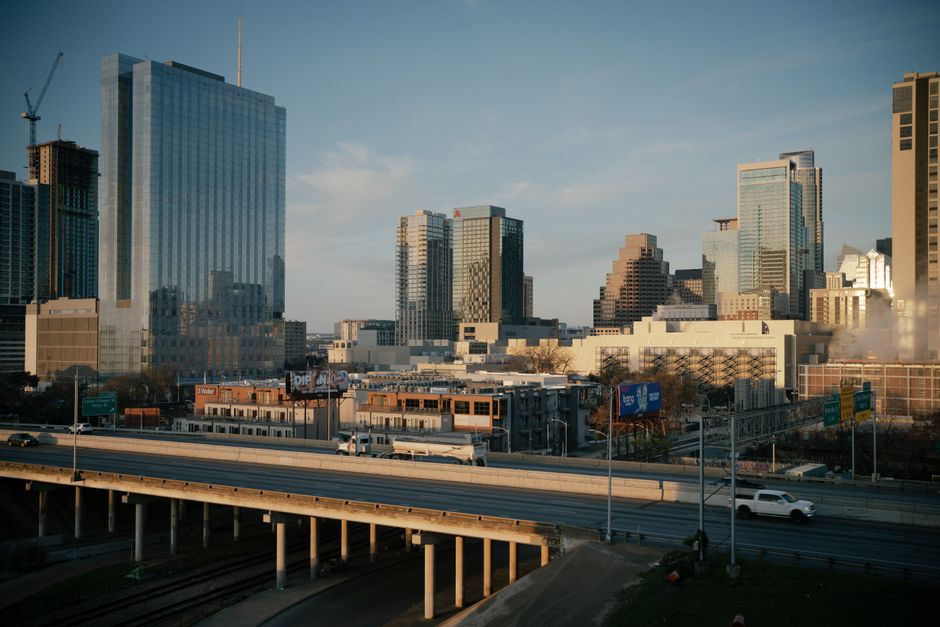
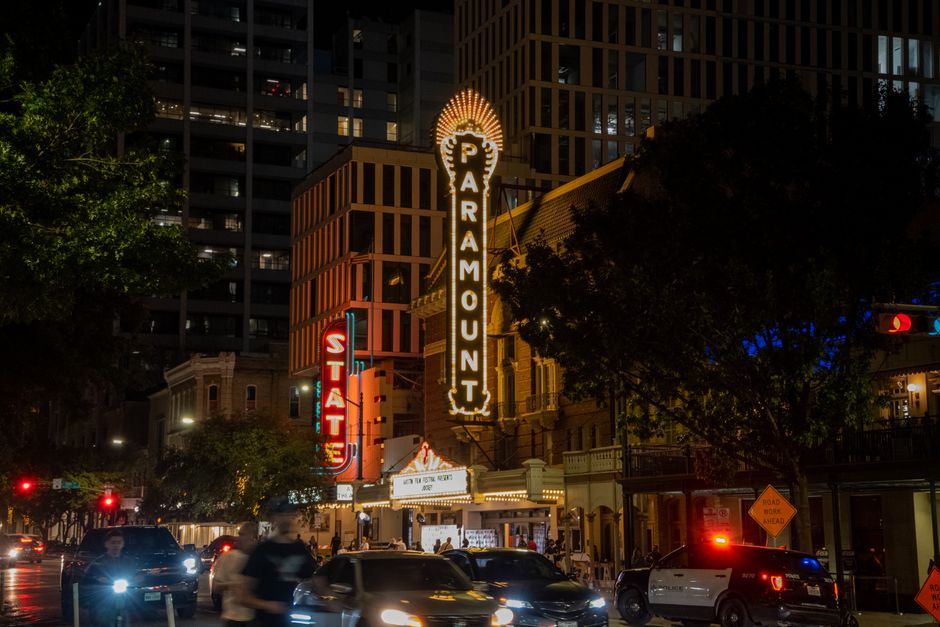
Downtown Austin is lively most nights, especially along Sixth Street and around the Rainey Street bars. The foot traffic is heavy, venue-goers are spilling onto sidewalks, and police presence is visible. During peak hours (Thursday through Saturday, roughly 9 p.m. to 2 a.m.), you're usually fine blending into the crowd. The issue isn't violent crime so much as petty theft and occasional fights spilling out of bars. Keep your phone secured, don't flash expensive gear, and be aware of who's around you.
Where I'd be more cautious: the blocks immediately west and south of downtown, especially east of I-35 and toward the water treatment areas. These sections empty out after business hours and feel genuinely lonely. If you're heading somewhere specific downtown at night, use well-lit main streets or ride-share. The vibe changes completely once you're a few blocks past the entertainment zones. Daylight hours are different—downtown in the afternoon is full of workers, tourists, and normal city life. I walked around easily in daylight without concern.
East Austin: Gentrifying and Mixed, Requires Street Sense
East Austin has been changing fast. Parts of it—especially along East Sixth Street and the Mueller neighborhood—are genuinely nice, with new restaurants, galleries, and foot traffic. Other blocks are still working through the transition, with abandoned buildings, unlit stretches, and less consistent police response. This isn't to say the people are unfriendly; it's more about infrastructure and how quickly areas shift block by block.
If you're exploring East Austin, do it in daylight or in groups at night. The main commercial corridors (East Sixth, East Seventh) are okay for evening exploration if you're paying attention. Side streets and the areas toward Waterloo Park feel emptier after dark. Ride-share is cheap in Austin—I typically spent $6 to $10 on a trip across the city—and it's smarter than solo walking through uncertain blocks at midnight. During the day, though, East Austin's arts scene and taquerias are totally worth the visit. Go with realistic expectations and standard city awareness.
South Congress (SoCo) and South Downtown: Generally Solid During Day
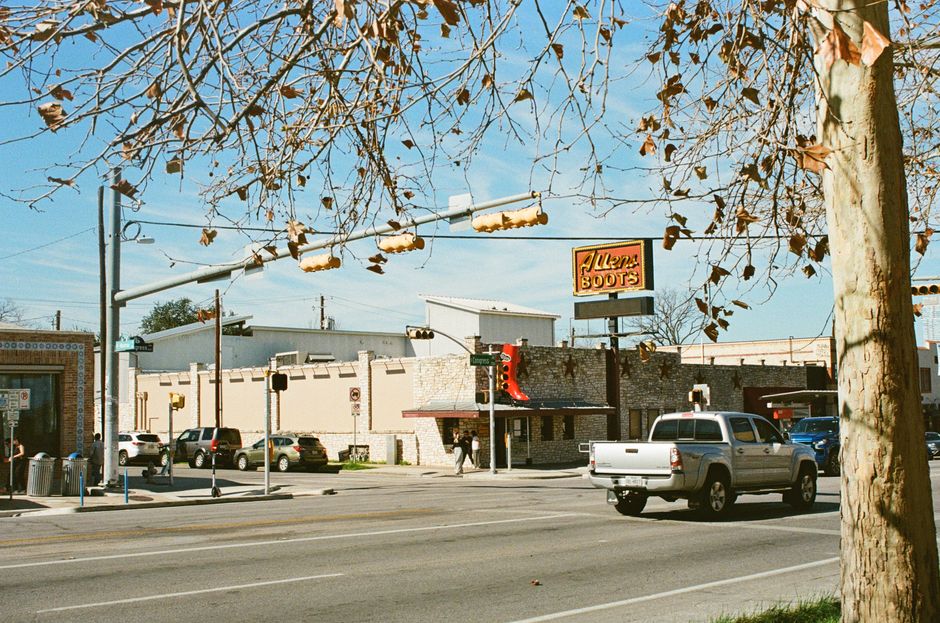
South Congress is one of Austin's most walkable stretches, lined with shops, restaurants, and coffee spots. People are everywhere during the day and into the early evening. It feels safe and friendly, the kind of place where you'll naturally run into other travelers and locals eating breakfast tacos. The neighborhood itself is residential behind the main avenue, and most of it is fine, but like anywhere, after dark you should stick to main streets and well-lit areas.
The blocks directly south of downtown (South First, South Second) have been redeveloped and are generally pleasant. Further south, toward Ben White Boulevard, things get more industrial and less walkable. That's not dangerous exactly; it's just not designed for pedestrians, and you'd be foolish to wander around there alone at night. My sense was that SoCo is a legitimate daytime destination for solo travelers, and it's where you'll feel most naturally integrated into Austin's social scene.
North Austin and Midtown: Decent, But Transit Matters
North Austin runs a long way, and generalizations fall apart fast. The area near the University of Texas campus (Northgate, The Drag) is busy with students, shops, and visibility. That part feels fine, even at night, though it's loud and beer-soaked on weekends. Midtown, around Rainey Street's newer extensions, is deliberately developed for nightlife and has adequate lighting and police attention.
But head north past 51st Street, especially on roads like North I-35 and toward lesser-developed areas, and you're in terrain that's less polished and less patrolled. It's not a war zone, but it's the kind of place where the bus breaks down or you miss your stop and you'll have a moment of feeling out of place. My advice: if you're exploring North Austin, use the bus (Cap Metro) and stay on main routes during the day. Evenings, stick to established venues or ride-share. Don't try to do a long solo walk on North I-35 after dark.
Public Transit and Late-Night Movement
Austin's public transit (Cap Metro bus system) is extensive but not as comprehensive as you'd find in older cities. During the day, buses are fine and reasonably safe. At night, ridership drops and the atmosphere changes. I rode several evening buses and never felt unsafe, but I was alert, kept my stuff close, and exited at busy stops. Late-night bus routes (after 10 or 11 p.m.) serve fewer corridors and attract a different crowd. Use your judgment.
Ride-share is genuinely affordable here—often cheaper than a bus trip to most places. If it's past midnight or you're heading to an area you're unsure about, spend the $8 or $10 on an Uber or Lyft. It's reasonable insurance. The airport pickup lines can take forever if you're flying in, but the ride into the city is painless. Walking between neighborhoods at 2 a.m. is a choice you don't have to make in Austin.
Practical Street Smarts That Actually Work
Most solo travelers who get into trouble in Austin do so through normal carelessness, not because the city is inherently dangerous. Phone theft is real—keep your device secured and don't use it while walking. Leave headphones out and stay aware of who's around you. Don't carry a visible wallet or large amounts of cash; use cards or mobile payment. These aren't Austin-specific rules, but they matter more when you're alone.
Drink reasonably if you're bar-hopping. Austin's drinking culture is built in, and downtown gets rowdy. Alcohol impairs your judgment fast, and that's when people get separated from friends, take wrong turns, or end up stranded. Eat first, pace yourself, stick to main areas, and know how you're getting back to your hotel before the night starts. I watched several tourists get truly lost downtown because they'd been drinking and stopped paying attention to where they were. Easy mistake, dangerous outcome.
The Reality: Austin Is Friendly and Mostly Low-Risk
After a week of moving around the city—eating at food trucks, sitting in bars, taking buses, walking different neighborhoods at different times—my honest take is that Austin is safer than it looks on crime maps. The city has growth pains and some rough edges, but it's not a place where solo travelers should spend their visit afraid. Most people you'll meet are genuinely friendly, and the local culture is pretty welcoming to visitors.
The key is doing what you'd do anywhere: stay aware, trust your instincts, use transit or ride-share when it makes sense, and don't put yourself in situations that feel off. Don't wander into dark residential blocks alone at 2 a.m., and don't leave your bag unattended in a crowded venue. These are commonsense moves, not paranoia. Make them habit, and Austin opens up to you. It's a sprawling, energetic, genuinely interesting city, and if you navigate it with basic street sense, you'll have a great time solo.
Essential Contacts and Resources
Save the non-emergency police number (311 in Austin) in your phone, though it's unlikely you'll need it. The US embassy and relevant consulates are available online if you're an international traveler and have a serious issue. Austin's main hospital, Dell Seton Medical Center, is downtown and accessible by ride-share or ambulance. Most of the city has decent cell coverage, and free WiFi is available in most coffee shops and restaurants.
Talk to locals once you arrive—bartenders, baristas, people at your accommodation. They know the neighborhoods way better than any guide, and they're usually happy to give straight talk about where to avoid and where to spend time. That real-world input, combined with basic caution, is your best tool for staying safe and having an authentic Austin experience.