I landed at LAX on a Tuesday morning with zero intention of renting a car, which immediately narrowed my Airbnb search to maybe three neighborhoods that don't require you to drive fifteen minutes for coffee. Los Angeles is sprawling enough that picking the wrong area can mean you're spending half your trip in rideshare lines, and the other half wondering why you paid LA prices to sit in traffic. After a few trips bouncing between the usual tourist zones and some quieter residential pockets, I've figured out which neighborhoods actually work for short-term renters.
The challenge with LA is that it's not one city—it's thirty of them stitched together with freeways. A neighborhood that looks walkable on Google Maps might have zero restaurants within a five-minute walk, or all of them might be closed by 9 p.m. Price alone doesn't tell you much either. You can drop $150 a night in a bland stretch of Mid-City or pay the same in Silver Lake and actually have somewhere worth being.
Silver Lake
Silver Lake is where LA people actually live when they're not performing for Instagram. The neighborhood centers around Sunset Boulevard and the residential streets that slope down toward the reservoir, and there's genuine foot traffic—not the manufactured kind you get in tourist zones. You'll find vintage shops, coffee roasters that don't have a cult following, and restaurants where locals outnumber visitors on a Friday night.
Walkability here is legitimately good. You can park once and hit a grocery store, multiple coffee spots, bars, and restaurants without looping back to your car. The vibe is artsy but not aggressively so—more worn-in than precious. Safety at night is fine along the main strips and well-lit residential blocks; I wouldn't wander alone down unlit side streets past midnight, but that's true of most urban LA neighborhoods.
Nightlife exists but doesn't dominate. There are dive bars, music venues, and late-night taco spots, but Silver Lake isn't about getting wasted until 3 a.m.—it's about actually doing stuff you'd do if you lived there. Airbnbs here typically run $120–$180 per night for a one-bedroom or private room, occasionally higher if it's newly renovated or has parking. It's the neighborhood I'd choose if I wanted LA but didn't want to perform LA.
Venice and Abbot Kinney Boulevard
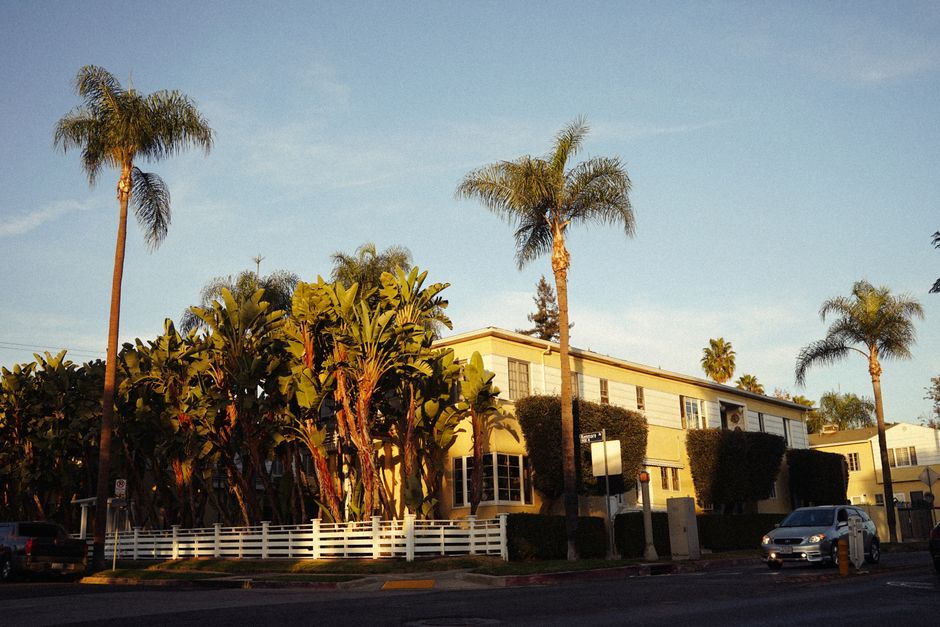
Venice sits right at the edge of being overrun. The boardwalk itself is pure theater—muscle heads, performers, vendors, tourists in matching tie-dye—and it's fun once as a spectacle, then exhausting every time after. But a few blocks inland, around Abbot Kinney Boulevard and the residential streets between Washington and Main, you get the Venice that actually works as a place to stay.
Abbot Kinney has restaurants, bars, and shops worth revisiting, and the neighborhood maintains enough Venice character (cafes with laptops, vintage-looking bikes, people who moved here for "the energy") without the carnival atmosphere of the boardwalk. Walkability is strong—you can handle most daily needs on foot, and you're close enough to the beach to walk there in fifteen minutes if you want to. The beach areas are safe enough at night if you're not wandering alone, but I'd stick to the main lit streets.
Nightlife here is moderate to active depending on which block you're on. Abbot Kinney has wine bars and music venues; the residential side is quieter. This is also one of the pricier Airbnb areas—expect $140–$200+ per night for anything decent, more during summer. You're paying partly for proximity to the beach and partly for the neighborhood's cache. If you want ocean access and walkable restaurant culture, it's worth it. If you want affordable and chill, look elsewhere.
Downtown Los Angeles
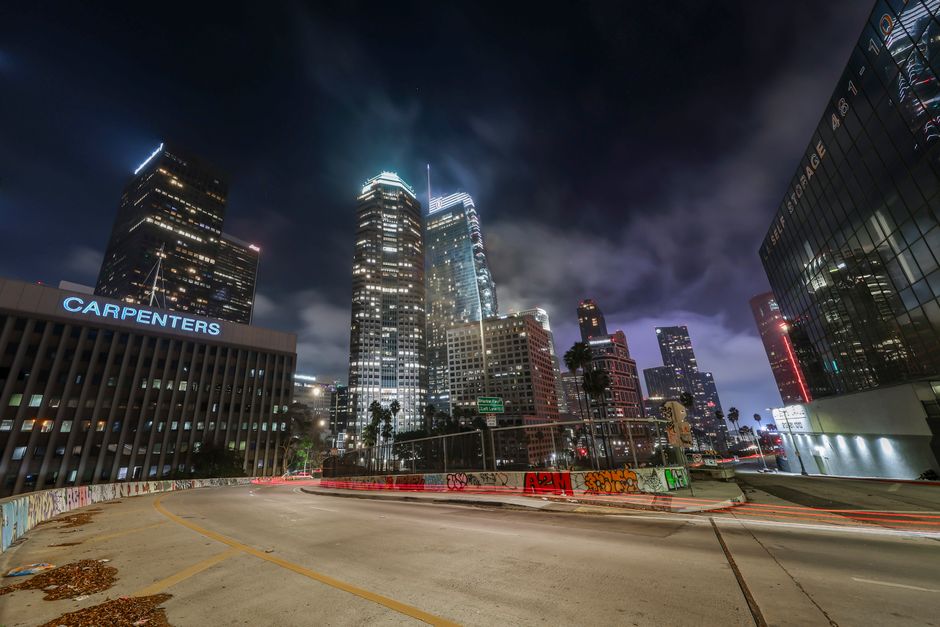
Downtown LA gets written off by people who visited in 2008 and never went back. Parts of it are still rough—this isn't mythology—but the Arts District and the blocks around Grand Central Market have genuinely revived. You get actual urban density, galleries, restaurants, breweries, and bars all within walking distance, which is rare in LA.
The walkability factor is the main draw here. You can dump your luggage and explore on foot for days without needing a car. Safety at night is neighborhood-dependent; the Arts District around Main Street and the area near Grand Central Market is fine, with good lighting and people around. Some blocks two avenues over? I'd be more cautious, especially after midnight alone. It's a real city neighborhood, not a theme park, so use the same judgment you would in any downtown area.
Nightlife is substantial. Rooftop bars, underground clubs, live music venues, late-night ramen shops—Downtown works if you want to actually go out. It also has quieter pockets if you prefer coffee shops and galleries. Airbnb prices have climbed but are still lower than Venice or West Hollywood: $110–$160 per night is typical for a one-bedroom or good private room. If you want urban energy and don't mind a bit of grittiness, Downtown is the most interesting value play in LA.
Los Feliz
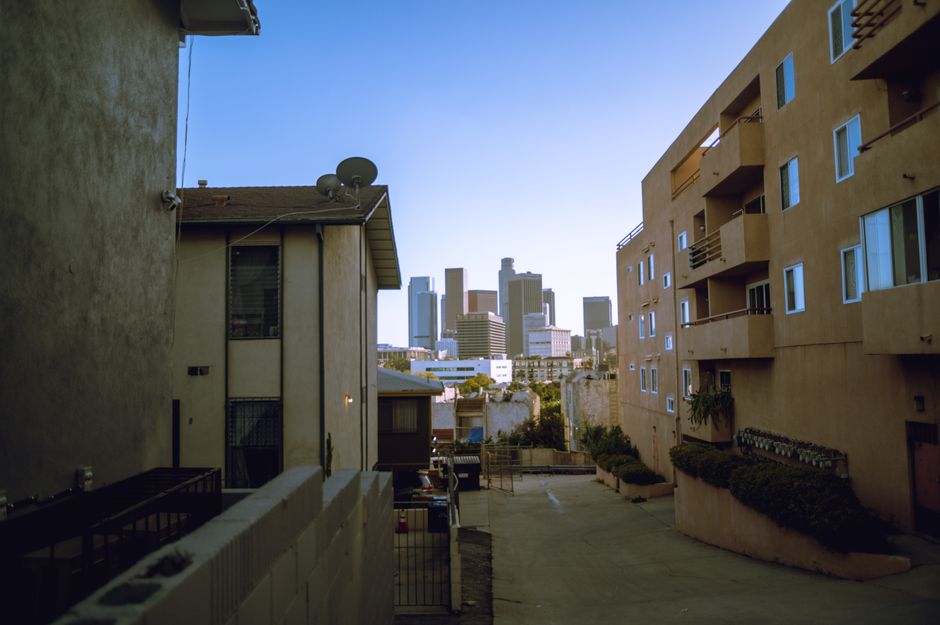
Los Feliz occupies the sweet spot between residential and activated—it's got walkable blocks, good food, vintage shops, and bars, but it never feels like you're performing for anyone. The neighborhood clusters around Vermont Avenue and Hillhurst, with some spillover toward Griffith Park, which is an actual outdoor resource you can access on foot.
Walkability is solid without being oppressive. You have restaurants, cafes, and a grocery store within a few blocks, but you're not on a boulevard so packed that sidewalks feel like merchandise displays. The residential streets are genuinely quiet once you get a few blocks off the main strips, which makes it good if you want to balance going out with actual downtime. Safety at night is fine along Vermont and Hillhurst; the residential blocks are quiet and well-lit.
Nightlife leans toward the laid-back side—bars, a few music venues, coffee shops with events. It's not a "go out for six hours" neighborhood; it's a "go to a bar, hang for a couple hours, walk home" neighborhood. Airbnbs run $120–$170 per night. If you want to actually live like a local, sleep in a neighborhood with character, and avoid the money-extraction vibe of touristed areas, Los Feliz is genuinely one of the better choices in LA.
WeHo and West Hollywood—and Why You Might Skip It
West Hollywood sits at the other end of the LA spectrum. It's where the energy is, where things happen, where nightlife runs until dawn. The restaurants are good, the bars are consistent, the neighborhood is genuinely walkable, and there's always something happening. If you want that, it works.
What you should know: it's expensive. Airbnbs start at $150 and climb quickly—$180–$250+ is normal for anything desirable, especially on weekends. The neighborhood is loud, even in residential areas, and it stays that way late. If you want quiet nights or a glimpse of how LA actually functions outside of nightlife, this isn't the pick. Safety is fine in the usual sense—good lighting, people around—but it's a high-energy, high-transaction neighborhood, so keep your wits about you.
It's not that WeHo is bad; it's that you're paying premium prices for energy that you can find elsewhere at half the cost. Silver Lake has nightlife without the packaging. Downtown has the actual urban vibe. Unless nightlife is genuinely your priority, I'd book something with more neighborhood character and less pricetag.
Practical Things Before You Book
Parking is real. Even if a neighborhood is walkable, having parking included or nearby changes everything about your stay. Check listings carefully—some Airbnbs include parking, some charge extra, some assume you won't have a car at all.
Review the actual address before booking. "Los Angeles" is meaningless; knowing it's on a quiet residential block versus two blocks from Sunset Boulevard is everything. Google Street View is your friend. Spend two minutes looking at what the block actually looks like at ground level.
Book a place with kitchen access if you can swing it. LA restaurants are good but expensive, and eating out three times a day adds up. Having a kitchen means you can grab groceries and cook some meals, which keeps your costs down and gives you flexibility.
Frequently Asked Questions
what is the best Airbnb neighborhood in Los Angeles for first time visitors
Silver Lake or Abbot Kinney (Venice) are the best bets for first-timers. Silver Lake gives you walkable neighborhoods, real restaurants and bars, and a sense of how LA actually functions without the tourist pricing of Venice. Abbot Kinney works if you want beach proximity and walkable dining culture, though it's pricier. Both are safe at night on main streets and don't require a car for daily life.
is downtown Los Angeles safe for Airbnb stays
Downtown is safe in the Arts District and around Grand Central Market, which are the areas worth staying in. These blocks have good lighting, foot traffic, and police presence. Like any downtown area, you should use normal urban caution—don't wander alone late at night, stick to lit streets, be aware of surroundings. It's not inherently dangerous, but it's a real city with real city dynamics, not a sanitized tourist zone.
do I need a car for an Airbnb in Silver Lake Los Angeles
No, you don't need a car in Silver Lake. The neighborhood is walkable, with grocery stores, restaurants, and bars accessible on foot. You can reach other LA attractions via rideshare or bus if needed, though those trips will take time. If you rent a car, parking isn't usually a problem in residential Silver Lake, but it's not necessary for daily life in the neighborhood itself.