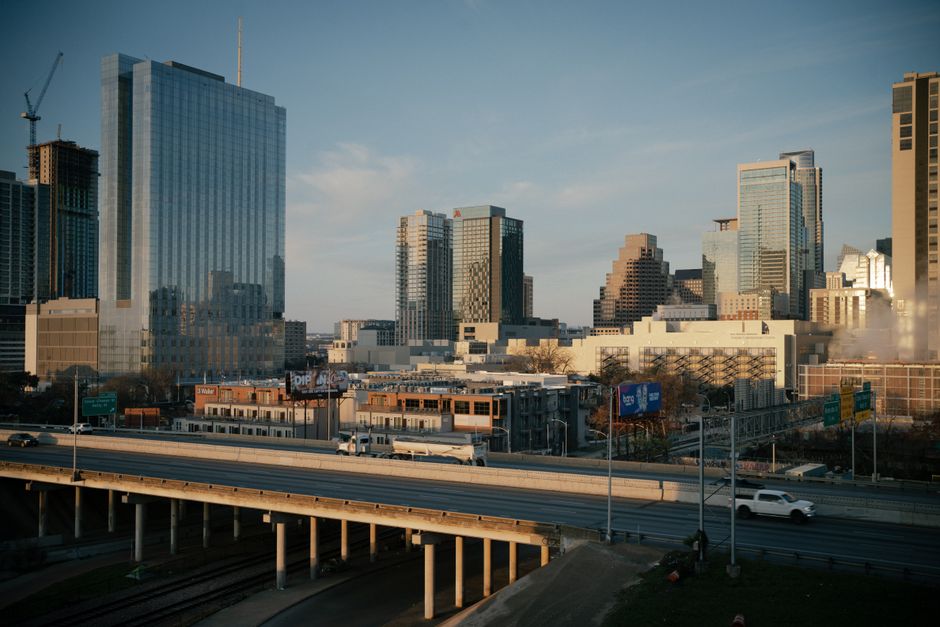
I landed at Austin-Bergstrom on a Thursday and headed straight into the neighborhood puzzle that every visitor and transplant eventually faces: where does this city actually live? Austin's identity is split across a dozen different neighborhoods, each one claiming to be the "real" Austin while simultaneously trying to become something else entirely. After spending time in most of them, I've come to think the best neighborhood isn't the one with the most Instagram clout—it's the one that matches how you actually want to spend your time.
The city sprawls enough that location genuinely matters. You could end up on a quiet tree-lined street in the hills with a 20-minute commute to downtown, or in a walkable corridor where everything is literally a few blocks away. Some neighborhoods skew young and loud; others are aggressively family-focused. A few are still affordable if you know where to look. Here's what I found.
South Congress: The Tourist Magnet That Actually Works
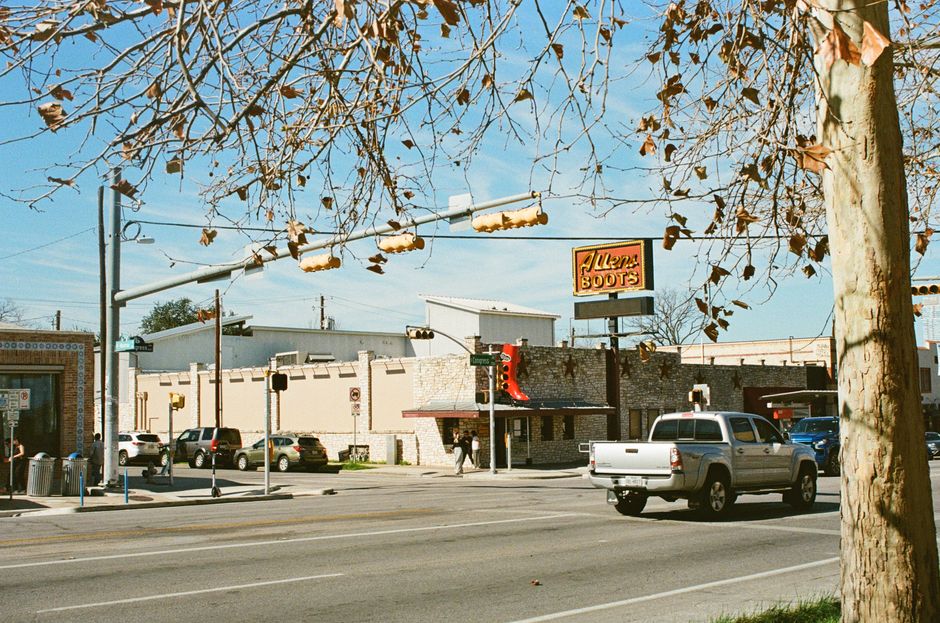
South Congress—everyone calls it SoCo—is where you end up if you want to feel like you're experiencing Austin without having to drive anywhere. The corridor runs south from downtown, packed with vintage shops, tacos, live music venues, and bars where you can stand outside with a drink and watch the street unfold. It's crowded, especially on weekends. But the crowding is almost the point: there's energy here that feels legitimately earned, not manufactured.
You'll see families during the day, young professionals in the evenings, and a real mix of tourists and actual residents. Congress Avenue itself is walkable and weird in a way that feels less curated than it probably is. The neighborhood suits people who want urban convenience without having to pretend they're too cool for established tourist attractions. Fair warning: it's expensive, and parking is a recurring nightmare. The residential blocks just off the main drag are quieter but still connected to everything.
Mueller: Where Families Actually Commit
Mueller is northeast of downtown, built on the grounds of a former airport, and it's the closest thing Austin has to a planned suburban neighborhood that doesn't feel entirely hollow. It's got that new-development sheen—sidewalks that actually exist, parks that are clearly maintained, schools that families deliberately move here for. The vibe is intentionally family-first: breweries and restaurants are here, but they're not the reason the neighborhood exists.
If you're considering Austin with kids in tow, Mueller is where locals you respect will say "yeah, actually, that's not a bad choice." It's got mixed-income housing, which means it hasn't completely calcified into one demographic. The central area around Mueller Park is genuinely pleasant for walking and lingering. The trade-off is that it feels somewhat separate from downtown—a 15-minute drive feels farther than it is. You're not living in the weird, immediate Austin experience; you're living in a cleaner, safer version of it. Some people see that as a feature.
East Austin: The Neighborhood in Permanent Transition
East Austin has been gentrifying in real time for the past decade, and it's the neighborhood I see people either fall hard for or avoid entirely based on their tolerance for messiness. It's genuinely where a lot of actual creative work happens—music studios, artist spaces, small galleries tucked into converted warehouses. The demographics are shifting visibly; longtime residents and new arrivals are coexisting in ways that feel tense and exciting at once.
Venuss Lake is becoming a social hub for kayaking and paddleboarding. Food here leans heavily into authentic tacos and regional Mexican cuisine—better and cheaper than anything you'll find in SoCo. Rainey Street, technically its own small district, is nearby and catering hard to the young-professional-who-likes-bars crowd with converted bungalows turned nightlife venues. East Austin is good if you want to feel like you're on the actual edge of something rather than visiting a curated neighborhood. Just understand that prices are rising fast, and the neighborhood's character as longtime residents experience it is actively disappearing.

West Lake Hills: Quiet Wealth, Quiet Roads
West Lake Hills is up in the hills west of downtown, and it operates almost as a separate city. These are tree-canopied streets with large homes set back from the road, a decent amount of green space, and the kind of quiet that urban areas rarely deliver. It's more expensive than most of Austin, which tracks—you're paying for the architecture, the hills, and the absence of chaos.
It's not a walkable neighborhood in the SoCo sense. You need a car, and you'll be doing a 15-20 minute drive to reach the action downtown. But if you're remote-working, retired, or just done with the urban grind, it's genuinely peaceful. The schools are excellent if that factors into your decision. Zilker Park is nearby, which gives you outdoor access without the neighborhood itself being tourist-focused. This is where established professionals and older couples often end up—not because they're boring, but because they've learned that proximity to downtown noise eventually becomes exhausting.
The Domain: North Austin's Retail-and-Condo Question
The Domain is a mixed-use development in North Austin, anchored by high-end retail and increasingly dense residential options. It's newer, corporate-feeling in a way that other Austin neighborhoods aren't, with planned streets and the sense that a single developer made every decision. There's a certain appeal to that if you like convenience and don't need character—shopping, restaurants, and apartments all designed to be accessible without fighting traffic.
You'll see young professionals here, especially people relocating for tech jobs who want a known quantity. It's safe, well-maintained, and utterly predictable. Some people love that; others find it antithetical to why Austin interested them in the first place. The neighborhood is still expanding, so it hasn't fully crystallized yet. It's fine, honestly. It's just fine—well-executed but lacking the weird charm or natural community feel that makes other Austin neighborhoods worth fighting for.

Barton Hills and the Zilker Proximity Play
Barton Hills is small, residential, and sits just east of Zilker Park, which is genuinely Austin's best public asset—a massive green space with hike-and-bike trails, swimming access, and the sense that the city prioritizes something other than development. The neighborhood itself is quiet, tree-heavy, and filled mostly with people who've lived here long enough to have built real roots.
It's less walkable than SoCo and less corporate than The Domain. There's a residential-friendly restaurant and bar scene nearby on Barton Springs Road, enough to feel connected but not overtaken. If you want close access to Zilker without being in the screaming hub of downtown, this is it. Families like it, but so do older couples and remote workers who just want consistent quiet with an exit route to hiking and nature.
Frequently Asked Questions
Which Austin neighborhood is best for young professionals
South Congress and East Austin draw the youngest crowd—walkable, bar-heavy, and closer to downtown action. Mueller skews slightly older and more family-focused. The Domain is the safest bet for corporate transplants who want convenience without needing to immerse in local culture. Your preference depends on whether you want authenticity or predictability.
Is East Austin safe to live in
East Austin is generally safe, though like any gentrifying neighborhood, it's undergoing rapid change. Crime rates vary by specific block, so research your exact address rather than judging the whole area. Venuss Lake and the central corridor are well-traveled and well-lit. The transition does mean coexisting with construction, noise, and visible income inequality in ways other neighborhoods minimize.
Where should I stay if I'm visiting Austin for the first time
South Congress is the most tourist-accessible—walking distance to restaurants, bars, and live music without needing a car. East Austin and nearby Rainey Street offer a more "local" feel but require more intentional exploration. Downtown hotels give you proximity to everything but cost more and feel generic. SoCo offers the best middle ground: touristy enough to access everything, weird enough to feel authentically Austin.
What's the safest Austin neighborhood to live in
West Lake Hills and Mueller consistently rank highest for safety and low crime rates. The Domain is also very safe due to active development and management. These neighborhoods trade off the walkability and character of Central Austin for controlled environments. South Congress and downtown are reasonably safe but busier, with standard urban precautions applying.
Which neighborhood catches your eye?