I rolled into Boise on a September afternoon, the kind of dry heat that makes you understand why people move here for the weather. Walking downtown, I noticed something unusual: actual pedestrians. Not many American cities this size feel like they've got a genuine neighborhood pulse instead of a car-dependent sprawl. That changed my first impression entirely.
Boise's neighborhoods don't blur together. Each one has a distinct personality—from the restored Victorian blocks of the North End to the younger, grittier energy around 8th Street. Spend a few days moving between them, and you'll realize the real Boise isn't what tourism photos usually show. It's beer gardens, vintage shops, and people who actually seem to choose to be here rather than passing through.
Downtown Boise: Transit Hub and Weekend Destination
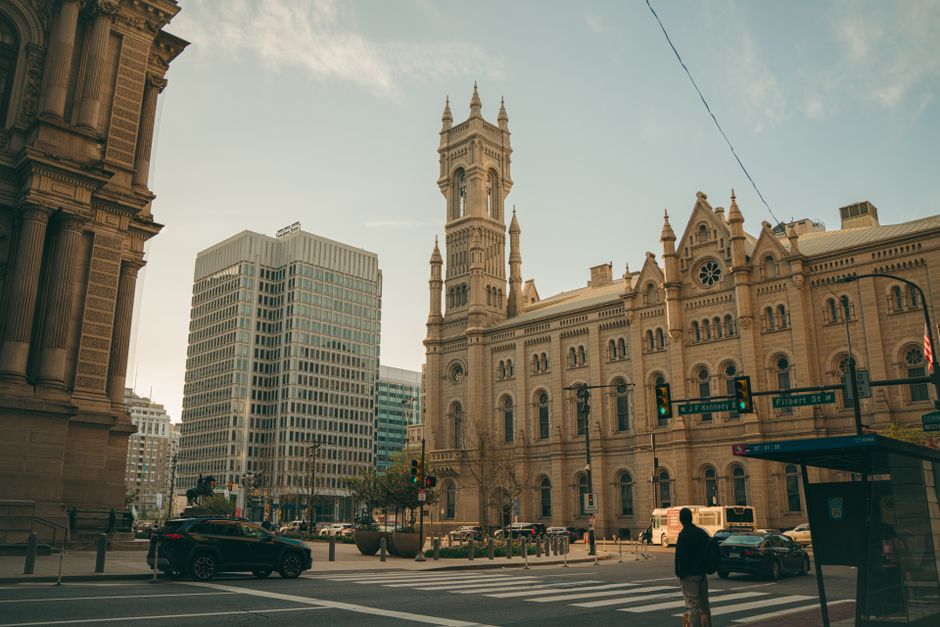
Downtown is the obvious first stop, and it's better than you'd expect from a city this size. The core—roughly between Capitol Boulevard and 10th Street—has legitimate restaurants, bars with local beer on tap, and the kind of late-night culture that actually exists after 9 p.m. The Basque Block, centered around Grove Street, is worth an afternoon. You'll see Basque restaurants, the Basque Museum, and a cultural presence that's genuinely distinctive rather than novelty.
For visitors, downtown makes logistical sense. Hotels and Airbnbs are pricier here, but you don't need a car. The Boise Foothills are walkable (or a short bus ride), and most restaurants cluster within reasonable distance. The Julia Davis Park complex with the Zoo and Museum of Art is nearby. If you're here for 2-3 days and want to move around on foot, downtown is the practical choice, though the vibe skews toward couples and tourists after dark.
New residents often find downtown's appeal wears thin quickly—parking is a hassle, it gets loud on weekends, and rents reflect the popularity. But if you work downtown or want that mixed-use urban feel, it works. Just know you're paying for convenience and atmosphere, not neighborhood character.
North End: Historic Charm and Family Appeal
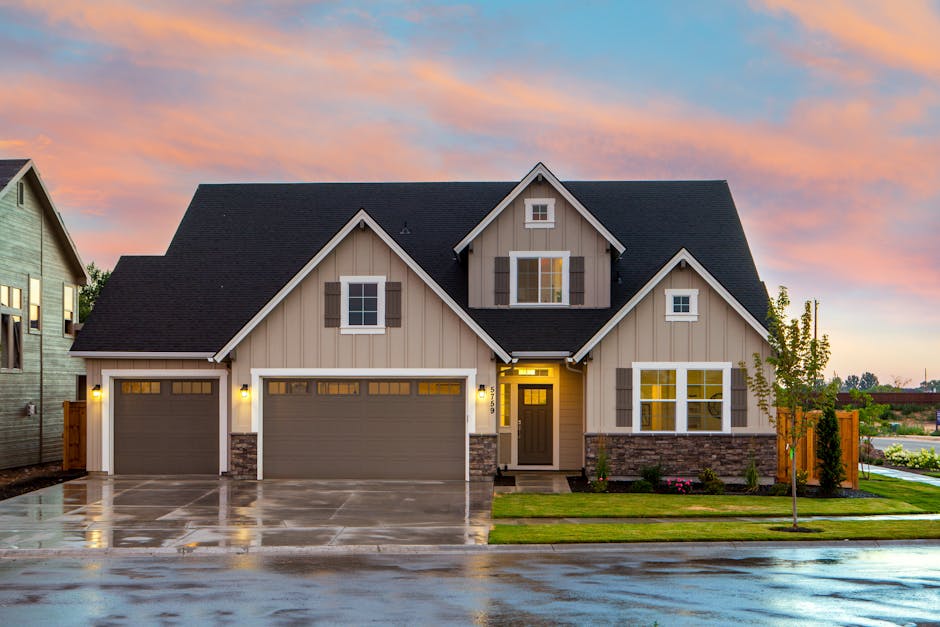
The North End is what people mean when they talk about Boise's character. Tree-lined streets, 1920s Craftsman homes with actual yards, local coffee shops on corners—it feels like a neighborhood instead of a commercial district. The main drag, North 13th Street, has enough small restaurants and shops to walk around and feel like you're part of something, not visiting a tourist zone.
Families thrive here. The North End has good schools by reputation, parks with actual playgrounds (not neglected concrete), and a community-garden vibe. It's the neighborhood where people who chose Boise (rather than ended up here) tend to buy houses. Rents are moderate compared to downtown but trending upward. A two-bedroom might run $1,400–$1,800, which for Boise is the upper-middle range.
Visitors can rent a cottage or Airbnb in the North End and actually live like a resident for a few days. You'll walk to breakfast, browse local bookstores, maybe catch a show at one of the small theaters tucked between buildings. It lacks the late-night scene of downtown, but if you want to understand how people actually live in Boise, this is where you should spend an evening. The neighborhood is also the entry point to hiking—the Foothills trail system starts just a few blocks east.
8th Street: Younger Crowd and Emerging Galleries
Eight Street runs northeast from downtown and is where Boise's younger, scrappier energy concentrates. Vintage shops, craft breweries, galleries in converted warehouses, restaurants that feel like someone's side project rather than a franchise operation. It's gentrifying, sure, but it hasn't fully arrived yet. There's still cheap real estate, which means younger professionals and artists take the risk.
The neighborhood is denser than the North End but grittier than downtown. You'll see empty storefronts next to thriving coffee roasters. Some blocks feel safe and established; turn a corner and you're in industrial-looking territory. That unpredictability is part of the appeal if you're younger and don't mind uncertainty. Rents here are lower than downtown or North End—one-bedrooms hover around $1,100–$1,400—which explains the demographic.
Visitors who want to see actual local artists and younger Boiseans should spend an evening around 8th and Main. The Basque Block connects at the south end, creating a circuit. Fair warning: this isn't a polished neighborhood. If you're looking for safety and cleanliness, North End is the better bet. If you want an unvarnished look at how smaller cities revitalize themselves, 8th Street is honest.
Bogus Basin Area and Northeast Heights: Outdoor-Focused Living
If you're moving to Boise specifically for skiing and mountain biking, the northeast neighborhoods near Bogus Basin and into the Heights make sense. You're close to trailheads, the ski area is a 30-minute drive, and the community skews toward people here for the outdoor lifestyle. It's less walkable than downtown or North End, more car-dependent. But if your free time revolves around hiking and skiing, the trade-off is worth it.
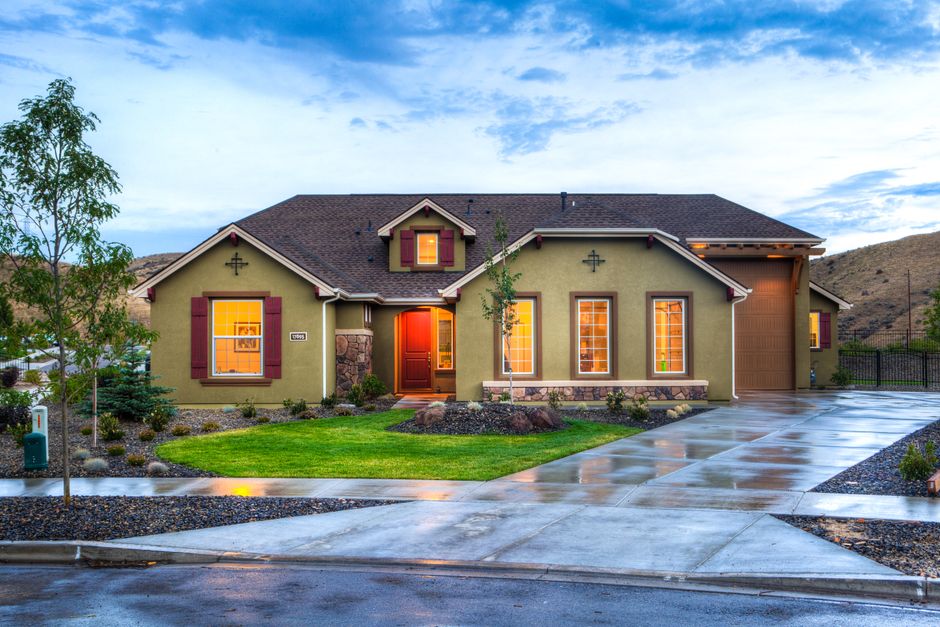
The Heights neighborhoods lack the old-Boise character of North End or the emerging-arts scene of 8th Street. They feel newer, more suburban. Families with kids who participate in outdoor activities often choose this area—good schools, room to breathe, and you're not fighting traffic to reach the mountains. Rents and housing prices are comparable to or slightly lower than North End, depending on exactly where you land.
For visitors, this area is worth visiting if you're here to hike or ski, but not to settle in for a city-neighborhood experience. You'll drive to restaurants and activities downtown. It's practical for adventure-oriented people, not for walkable urban living.
South Boise: Quieter and More Affordable
South Boise—roughly Southside or the Barber Park area—is where you find lower rents and fewer tourists. It's residential, quieter, and popular with people who want to be in Boise but don't need nightlife or downtown walkability. The trade-off is clear: less atmosphere, more car dependency, fewer restaurants within walking distance. But if you're working remote, retired, or just need an affordable base, it works.
Families on tighter budgets and retirees often land here. You can rent a two-bedroom house for what you'd pay for a one-bedroom downtown. The neighborhood is safe but unremarkable. Parks exist, but they lack the community gathering quality of North End's spaces. If Boise is a pit stop or you're budget-conscious, South Boise is practical. If you're here to experience neighborhood character, you'll likely move north within a year.
Visitors generally don't stay in South Boise unless they're visiting family. It's not unfriendly or unsafe—it's just not set up for people passing through.
Where to Land: A Practical Guide
For a first visit, stay downtown or North End. Both are walkable, close to food and beer, and you'll get a real sense of what makes Boise worth the attention. If you want neighborhood immersion, rent an Airbnb in North End for a few days. You'll eat breakfast locally, understand the culture better than from a hotel, and leave with actual context.
If you're moving here and you work downtown or in tech, consider North End—it's the safe choice for neighborhood character without suburban isolation. Young professionals without kids should look at 8th Street or close-in North End if budget allows. Families want North End or the Heights. Retirees often choose North End if they want walkability or South Boise if they want affordability and quiet.
One thing I learned staying here: Boise rewards moving slowly through neighborhoods. Spend time walking the same block twice. Talk to the people at the coffee shop. Neighborhoods reveal themselves gradually, not from a tourism article. The city itself isn't hiding—but its actual character is.