I rolled into Charlotte on a Thursday afternoon with no real plan, just a rental car and a list of neighborhoods people kept mentioning at the coffee shop. What I found was a city that doesn't fit the template you might expect from a mid-size Southern hub. It's not trying to be Austin, and it's not pretending to be stuck in 1950. Instead, Charlotte's different quarters have carved out their own thing—each one attracting a different kind of person, each one worth an afternoon or a weekend.
The thing about Charlotte that took me a minute to understand is that neighborhoods here are spread out in a way that forces you to actually choose where to spend your time. You can't just wander from one vibe to another in an hour. So I spent time in each of these places, talked to people who actually live there, and figured out which ones matched which kinds of travelers and which moves were worth making.
NoDa: Where the Real Creative Energy Happens
North Davidson—everyone calls it NoDa—is Charlotte's closest thing to an actual arts district, and it's the neighborhood I kept coming back to. Street art on almost every building, warehouses converted into studios and bars, a mix of people who've been here since before gentrification showed up and newer arrivals who came specifically because of it.
Walk through on a Friday or Saturday and you'll see what the city's creative class actually does on their night off. Local breweries like Birdsong Brewing and others sit alongside galleries, vintage shops, and restaurants run by people who clearly give a damn about what they're serving. The crowd here trends younger—early twenties through late thirties—but it's not exclusively young, and it's not exclusively white-collar. You get students, musicians, service workers, tech people, all mixed together in a way that feels unforced.
If you're a solo traveler who wants to meet people or a couple looking for an evening that feels like you're actually in someone's neighborhood and not a tourist zone, NoDa works. Fair warning: it can get rowdy on weekends, the parking is real but manageable, and some of the old buildings have that rough-around-the-edges charm that's either appealing or off-putting depending on your tolerance for peeling paint.
South End: The Boom That's Still Happening
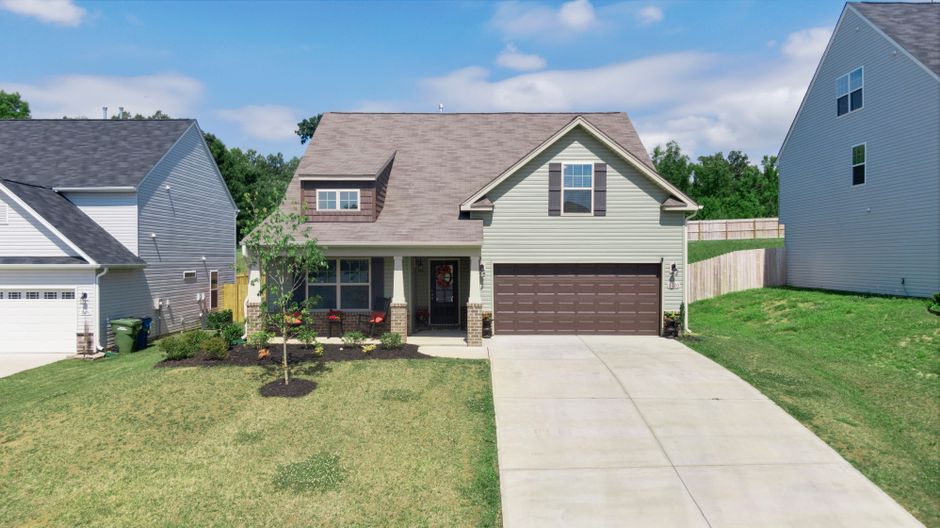
If you want to see what a neighborhood looks like mid-transformation, South End is it. Five years ago this area was mostly light industrial and abandoned storefronts. Now it's breweries, condos, coffee shops, and restaurants with the kind of carefully curated menus that signal serious money has arrived. But here's the thing: it's not sterile yet. It still has texture.
The South End Food Hall brings multiple vendors under one roof—everyone from barbecue to Vietnamese to pasta—and it's packed most afternoons. Wooden Robot Brewery is legitimately good, not just good-for-Charlotte. The streetscapes are newer and cleaner than anywhere else I visited, which some people will see as an advantage and others will find soulless. There's a trailhead for the Catawba Riverfront Trail right there too if you want to walk off lunch.
This neighborhood suits young professionals and couples without kids, people who want the energy of new development but with actual food and drink quality. Families with young kids might find it a bit much on weekends. Retirees generally aren't drawn here, and tourists often skip it because it lacks the obvious landmarks of Uptown. If that describes you as a deliberate non-fit, that's probably accurate—no use pretending South End is everything to everyone.
Uptown: The Vertical City Thing
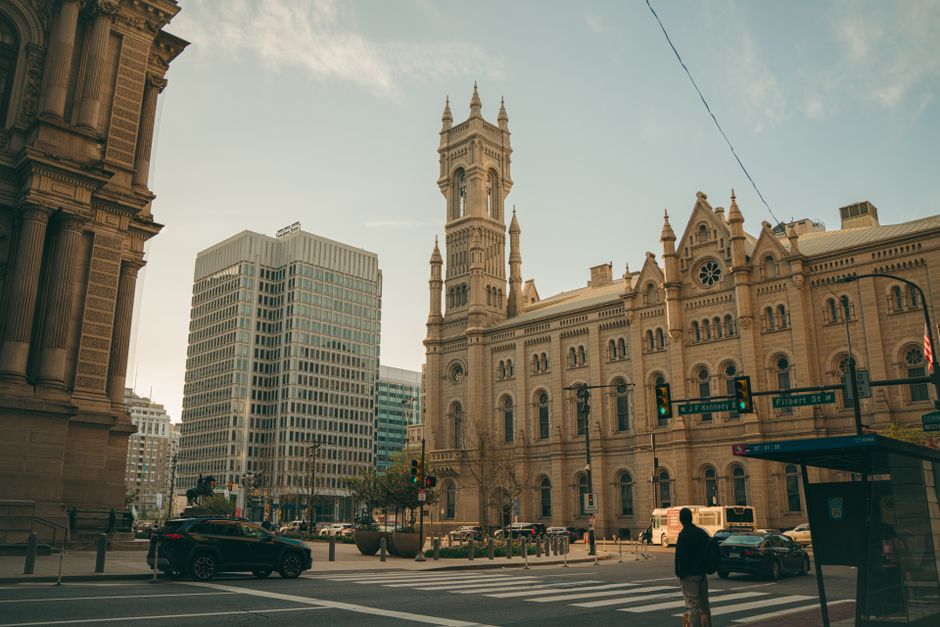
Uptown Charlotte is what people usually mean when they talk about downtown. Tall buildings, corporate offices, high-rise apartments, the Spectrum Center, museums and theaters. On weekdays it's business casual and coffee runs. On weekends it's tourists and locals doing the usual downtown stuff—eating at chains, catching a show, walking around looking at the skyline.
I spent a Saturday morning here and found it pleasant but generic in the way that successful downtown revitalizations often are. There are some genuinely good restaurants tucked into the older buildings if you know where to look, and the Mint Museum is solid if you're into that. The Charlotte Museum of History is here too. Streets are clean, restaurants have outdoor seating, there's usually something happening.
Uptown is where you go if you need reliable logistics—hotels, restaurants, parking—and don't mind company. It's not cool in the neighborhood sense. It's not terrible either. Families with kids do fine here because there are museums and public spaces. Solo travelers might find it a bit predictable unless you're specifically here for business or checking museums off a list. Retirees who like walkable downtowns sometimes choose to live here, though property costs are high.
Myers Park: Old Charlotte, Still Calm
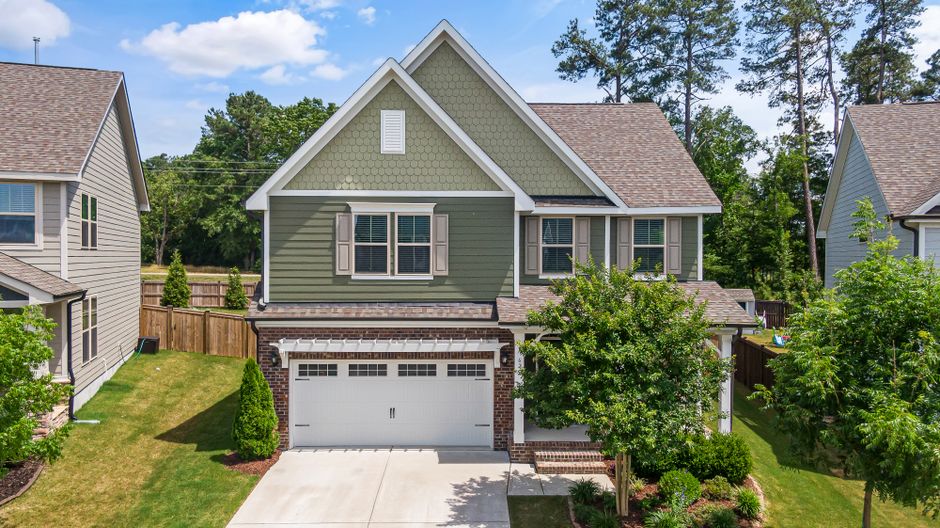
Myers Park is what happens when money sits in one place for a hundred years and nobody tries to rush anything. Large homes on large lots, tree-lined streets, a country club aesthetic that never stopped being appealing to people who can afford it. This is where Charlotte's established money lives, and it shows in the maintenance of everything—the sidewalks, the hedges, the cars in driveways.
There's a commercial strip on Selwyn Avenue with decent restaurants and coffee shops, but it's not a destination neighborhood the way NoDa or South End are. You come to Myers Park to see how the other half actually lives, or because you're meeting someone for lunch, or because you happen to be staying at one of the few hotels here. The neighborhood itself is quiet in a way that's either deeply appealing or deeply boring depending on what you're after.
This is where established families live. Retirees who already have money are comfortable here. A solo traveler passing through probably doesn't need to spend much time here unless you're specifically interested in residential architecture and old money vibes. Young professionals who haven't made partner yet wouldn't choose to live here, though some older executives do. It's a lovely neighborhood if you're looking for peace and don't mind that nothing much happens.
Dilworth: Walkable and Grounded
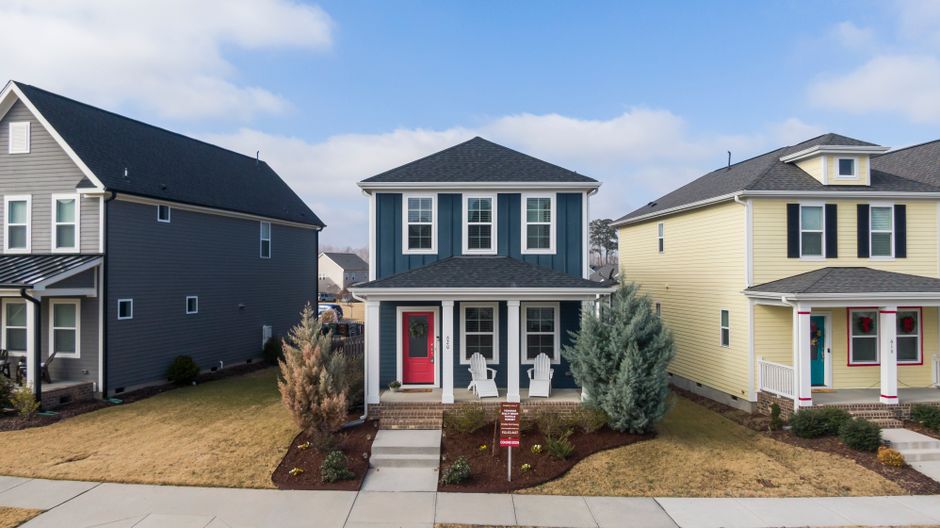
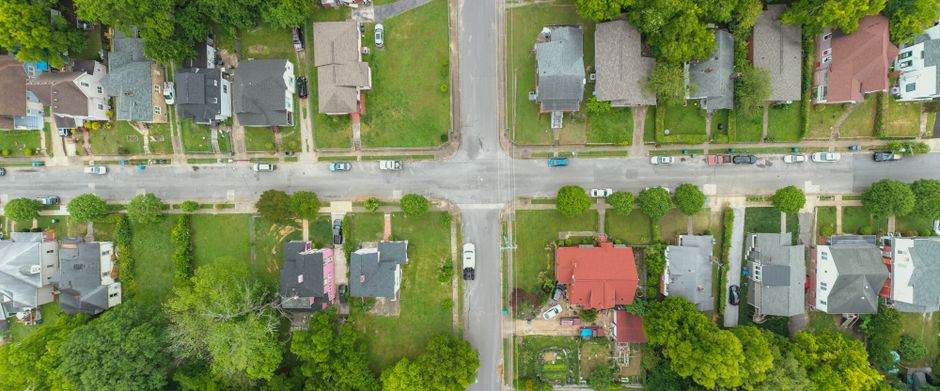
Dilworth sits just south of Uptown and feels like it's trying to split the difference between being a real neighborhood and being close enough to downtown for convenience. Tree-lined streets with smaller homes from the early twentieth century, front porches, a mix of young families and long-term residents who've been here for decades. There's a neighborhood feel here in a way that Uptown completely lacks.
The commercial strip along Dilworth Road has independent coffee shops, a farmers market on Saturdays, restaurants that aren't chains, bars that aren't trying too hard. Prices are lower than South End and NoDa but rising. The neighborhood is walkable but not in the artificial way of newer development—this is just what walkable neighborhoods look like when they actually exist.
This is probably the best neighborhood for families with kids who want something more grounded than Uptown but who don't need the nightlife intensity of NoDa or South End. A retired couple looking to actually live in Charlotte rather than observe it might really like it here. Young professionals without kids sometimes live here because it's affordable and close to work. Solo travelers usually skip it, but if you're thinking about relocating or want to see how regular Charlotteans actually live when they're not performing their neighborhood on weekends, spend an afternoon here.
Plaza Midwood: Density and Reasonable Rents (Still)
Plaza Midwood is what gentrifying neighborhoods look like when the process is still in the middle chapter. You've got older apartment buildings alongside renovated storefronts, young people and older residents sometimes occupying the same blocks uneasily. It's more affordable than NoDa or South End, which is why you still find actual independent businesses here instead of just early-stage venture-backed concepts.
There are Vietnamese restaurants, thrift stores, dive bars, new coffee shops, and the kind of random mix that usually disappears once a neighborhood gets expensive enough. The street life feels more organic here than in newer development zones. People actually live here because they can afford it, not because they came for the aesthetic.
Plaza Midwood works well for young professionals on a real budget, students, and anyone who wants neighborhood energy without spending too much money. Families can make it work if they're comfortable with higher density. It's not the obvious choice for tourists or people visiting for a weekend. If you're moving to Charlotte and have a limited budget but want actual neighborhood character instead of corporate housing, this is worth a serious look.
Frequently Asked Questions
what is the safest neighborhood in Charlotte NC
Myers Park and Dilworth are generally considered the safest neighborhoods in Charlotte, with low crime rates and well-maintained residential areas. South End and NoDa also have good security presences, particularly around commercial areas, though they see higher overall foot traffic and activity. Uptown is busy and well-policed during business hours but requires standard downtown urban awareness. Like any city, specific blocks matter more than entire neighborhoods—ask locals about the exact street you're considering.
where do young professionals live in Charlotte
NoDa and South End are the top choices for young professionals in Charlotte, offering walkability, nightlife, restaurants, and brewery scenes. Plaza Midwood and upscale parts of Dilworth attract younger professionals on tighter budgets. Some young professionals also choose Uptown for proximity to jobs and no commute, though the neighborhood has less independent character than NoDa or South End.
best neighborhood for families in Charlotte
Dilworth and Myers Park are the top neighborhoods for families, offering good schools, lower crime, and residential character. South End is increasingly popular with families seeking walkability and newer amenities, though it's pricier. Uptown works for families who want urban convenience and access to museums, though street-level car traffic is heavier.
Which neighborhood catches your eye?