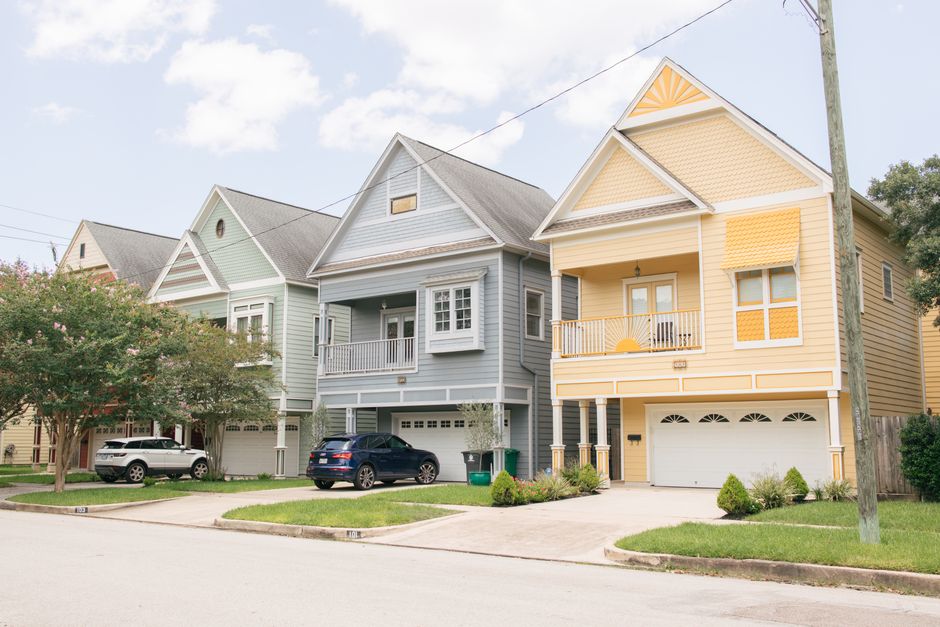
I rolled into Houston on a humid Thursday afternoon with the same question every parent eventually asks: where do people actually raise kids here? The city's sprawl is real—you can drive 20 minutes and feel like you're in three different places. After spending weeks crisscrossing neighborhoods, talking to families at school pickup lines and coffee shops, and sweating through my shirt in various parking lots, I figured out that Houston isn't one place to raise a family. It's a menu of very different options, each with its own rhythm.
The good news: Houston's neighborhoods are cheap enough that you can afford a decent house and a life that doesn't revolve entirely around mortgage stress. The other good news: a lot of them actually have real identity. They're not all interchangeable suburbs bleeding into each other. And the schools—yeah, some are better than others, but you have actual choices here that don't require you to be a millionaire.
Let me walk you through the neighborhoods that actually work for families, what they're really like to live in, and who they suit best.
Bellaire: The Manicured Choice
Bellaire feels like someone took a wealthy suburb and installed it into Houston proper. Tree-lined streets, good schools, people who seem to have lawn service on speed dial. Bellaire High School is the main draw here—it ranks consistently high in the state, and families move to the area specifically for that reason.
The neighborhood is small, dense enough that you can actually walk to things, and the houses tend to be well-maintained. The trade-off? It's expensive. You're looking at prices that put you on the higher end of Houston's market. If you have older kids and you're looking for a neighborhood that feels established and proven, Bellaire works. If you're worried about your teenagers having nothing to do, there's enough foot traffic and amenities that restlessness isn't really the problem it might be elsewhere. Young families with infants? You'll do fine here, but you're paying for real estate prestige as much as actual family amenities.

The Woodlands: If You Want a Planned Community Feel
The Woodlands is so organized it almost feels slightly artificial the first time you drive through it. Master-planned neighborhood, extensive park system, plenty of organized activities, good schools across the board. This is where families go when they want the suburb experience but don't want to drive an hour to get groceries.
There's a town center with restaurants and shops, trail systems that don't require you to worry about traffic, and soccer fields you can actually reserve in advance. The schools are funded well, and the whole place has a calendar of planned events that keeps families occupied year-round. If you like structure and your kids are involved in organized sports, this works. If you're someone who values spontaneity and quirk, you might find it sterile. It's also growing rapidly, which means construction and increasing traffic on the highways that funnel in and out. The houses are newer, which is great until things start needing repair and you realize everyone's contractor is already booked.
Heights: For Parents Who Want a Neighborhood Vibe
The Heights has changed a lot in the past decade, but what made it appealing to young families is still there—walkable streets, local coffee shops where you actually see people you know, a sense that your kids might grow up and stay connected to an actual community.
You can walk to restaurants, parks like Buffalo Bayou are close, and there's a mix of young families, older residents, and artists who haven't been priced out yet. The trade-off is that you're competing for houses in a neighborhood that everyone else discovered around the same time you did, so prices are rising. The schools are solid without being top-tier. The neighborhood feels more diverse and less buttoned-up than Bellaire or The Woodlands, which some families really want and others actively avoid. If you want your kids to grow up in a walkable, quirky neighborhood with real character and you don't mind that it's trendy, this is it.
Katy: The Sprawling Suburban Play
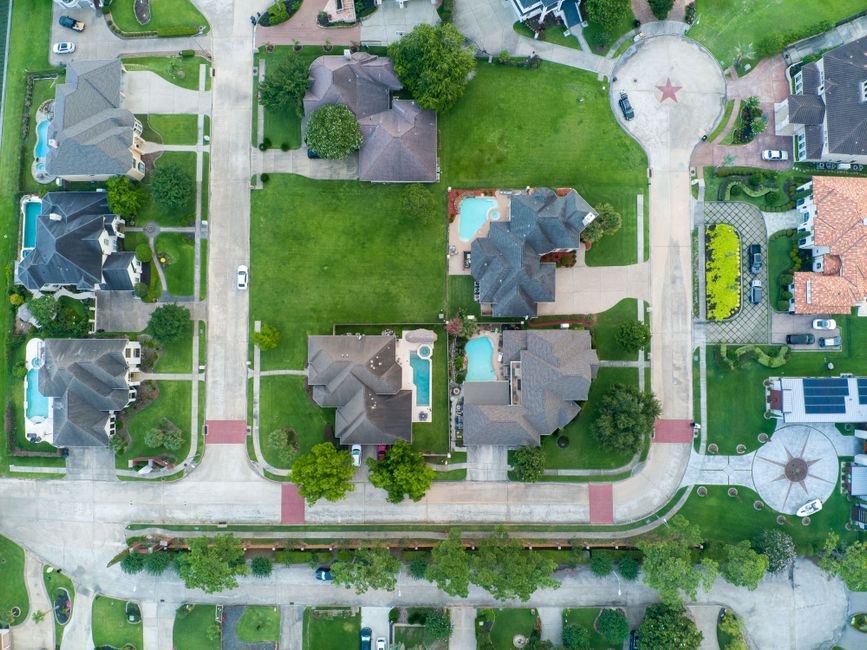
Katy is west of Houston proper, and it's the default move for families who want more house for less money and don't mind a commute. Big lots, new construction options, excellent schools including some of the best in the metro area. If you're planning for four kids and a basement, you can actually afford it in Katy.
The downside is that nothing is walkable. You're driving everywhere—soccer practice, school, the grocery store. It feels like a lot of other suburban communities across Texas. The upside is that the infrastructure is designed for families, the schools have resources, and your money goes a long way. If you work on the west side of town or you genuinely prefer low density and you're not worried about walkability, Katy makes sense. If you want urban convenience or a sense of place beyond "safe suburb," it might feel flat.
Montrose: For Adventurous Families Who Don't Mind Grit
Montrose is eclectic, dense, and closer to being an actual neighborhood than most Houston areas. You'll find young professionals, longtime residents, artists, and yes, families. It's not where every parent moves—it's where some parents deliberately move because they want their kids to grow up around actual diversity and difference.
Houses are older, smaller lots, you're near museums and parks (Hermann Park is right there), and the neighborhood has history. The schools are neighborhood schools, not the magnet or private schools that draw families from all over. The schools aren't bad—they're just normal public schools in a relatively urban area. If you have teenagers and you want them to grow up in a place with public transit options and walkable streets and exposure to different kinds of people, Montrose can work. If you need top-tier schools or you're uncomfortable with higher urban density and older infrastructure, look elsewhere.

West University Place: The Quiet Affluent Option
West University is another independent area that feels almost like a separate town, with its own school district and its own identity. Quieter than Bellaire, more established, fewer people trying to be seen. The schools are excellent, the neighborhoods are well-maintained, and there's a conservative old-money feel to the place.
If you're relocating from somewhere else and you want a neighborhood that feels safe, predictable, and well-run, West University delivers. It's expensive, but it's the kind of expensive that buys you something real—good schools, low crime, maintained infrastructure. It's not particularly walkable or exciting, but it works as a place to raise kids if your priority is stability and good schools and you're less interested in neighborhood character.
The Reality of Houston Schools
No matter which neighborhood you choose, understand that Houston school quality varies significantly even within neighborhoods. Some families deliberately attend private schools or use magnet school programs because the neighborhood school doesn't match what they need. This isn't unique to Houston, but it matters here because Houston is so spread out that your school options might not feel obvious.
Talk to parents in the actual neighborhood you're considering, not to real estate agents. Ask about the specific school your kids would attend, not just "the neighborhood schools are good." Ask about class sizes, turnover, and whether experienced teachers stay or cycle through. These details matter more than the neighborhood's overall reputation.
Frequently Asked Questions
what is the safest neighborhood in Houston for families
Bellaire, West University Place, and The Woodlands consistently rank as the safest neighborhoods in Houston, with low crime rates and strong police presence. Katy suburbs also maintain good safety records. Most established neighborhoods with good schools and active community engagement report low crime, but you should check specific block-level crime data and talk to residents before moving, as safety can vary within a neighborhood.
which Houston neighborhoods have the best schools for elementary kids
Bellaire, The Woodlands, Katy, and West University Place all have strong elementary school systems with good funding and resources. Bellaire and West University have the highest reputations overall. However, specific schools vary—check the Texas Education Agency website and talk to current parents about the exact elementary school your kids would attend, since quality can differ between schools in the same district.
is Houston good for families moving from out of state
Houston works well for families, especially if you're moving from expensive coastal cities where your money goes much further. The job market is diverse, neighborhoods offer different lifestyles, and schools range from excellent to adequate depending on where you settle. The heat and humidity take adjustment, and traffic is a real issue, but many families find the lower cost of living and variety of neighborhoods make it a practical choice.
what Houston neighborhood is best for walkability with kids
The Heights and Montrose offer the most walkable neighborhoods with parks, shops, and restaurants within walking distance. Buffalo Bayou Park is accessible from both areas and has trails good for biking and strolling. Bellaire also has some walkable streets. Most of Houston requires a car, but these three neighborhoods minimize driving compared to other areas.
Which neighborhood catches your eye?