I landed at LAX on a Tuesday afternoon and spent my first hour stuck on the 405, which felt like a baptism. Everyone told me LA was sprawling and disconnected—just highways and strip malls. But three weeks of moving between neighborhoods changed that entirely. LA isn't really one city; it's a collection of villages with completely different rhythms, rent prices, and crowds. The neighborhood you pick shapes whether you'll spend weekends at art openings or volleyball courts, whether you'll know your barista or stay anonymous.
Most visitors and new residents make the mistake of thinking about LA as a single place. It's not. You need to know which neighborhood actually fits your life—your budget, your scene, the people you want to run into. I learned that the hard way, bouncing between spots before finding where I actually belonged. Here's what I found in each place worth your time.
Silver Lake: Young Artists and the Creative Class
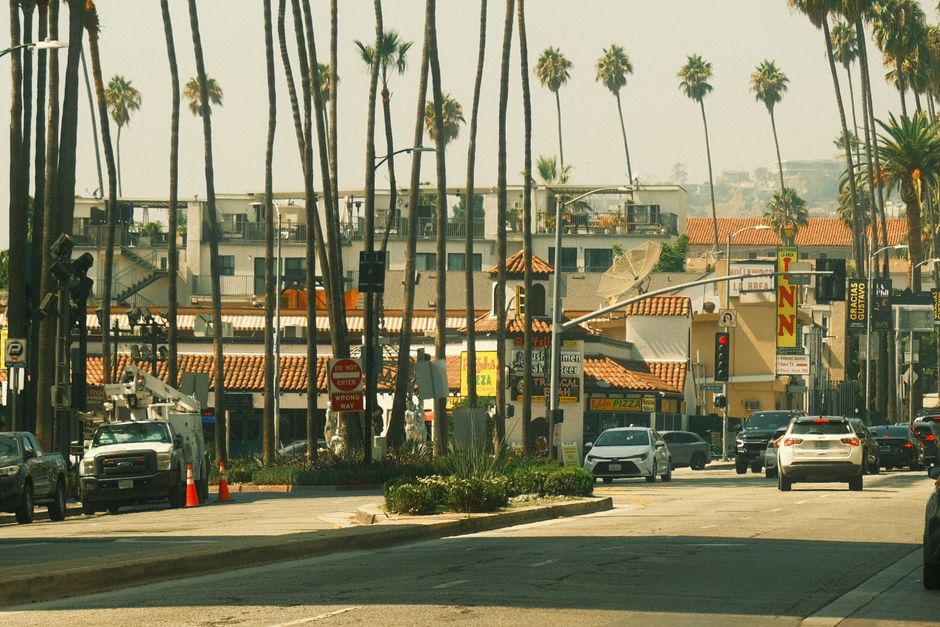
Silver Lake sits east of Downtown and has that carefully curated vibe of a neighborhood that knows exactly what it is. The main drag—Sunset Boulevard through Silver Lake proper—is lined with independent coffee shops, vintage stores, and restaurants that take their food seriously but don't take themselves seriously. It's the kind of place where you see the same faces at the same cafes, where people actually talk to each other in line.
The neighborhood suits young professionals and artists who want walkability without the tourist crush. Rent runs high, but you get something for it: a genuine creative community, decent public transit to Downtown, and an easy bike ride to Los Feliz or Echo Park. The lake itself is underwhelming (it's more of a reservoir, honestly), but the surrounding neighborhoods feel lived-in and real. You'll see vintage furniture on curbs, DIY art galleries in warehouses, and a lot of people who moved here specifically to be around other people making things.
If you're older and looking for quiet, this isn't your spot—it stays buzzy until late, and parking is a constant low-level rage. But if you're 25 to 40 and want to feel like you're part of something, Silver Lake delivers.
Santa Monica: Tourists, Retirees, and Beachfront Calm
Santa Monica is what most people imagine when they think of LA: palm trees, ocean air, and crowds. The pier is genuinely fun if you go on a weekday morning, not a Saturday. Third Street Promenade is aggressively charming in that California way, and the beach itself is wide and maintained.
This neighborhood is perfect for retirees and families with young kids. There's a real community feel once you get two blocks off the main tourist strips, and plenty of families have roots here going back decades. Schools are decent, and people actually walk around during the day. The downside: it's expensive, it's crowded, and if you're under 30 and looking for nightlife or a creative scene, you'll feel the age. The beach itself is beautiful but often cold and sometimes crowded. That said, if you want to be near the ocean, raise a family, and don't mind paying for the privilege, Santa Monica is solid.
Hit the farmers market on Wednesday or Saturday mornings—that's where locals actually congregate, not on the pier where the tourists are.
Downtown Los Angeles: Urban Density and Revitalization
Downtown has changed a lot in the last fifteen years. It went from a place people left at 5 p.m. to somewhere people actually live and spend time on weekends. The Arts District—roughly from 4th to 9th Street, Main to San Pedro—is the main draw for tourists and young professionals. Galleries, restaurants, rooftop bars, and converted loft apartments fill the blocks.
The neighborhood works best for young professionals, artists, and people who want serious walkability and no car dependency. A lot of the new arrivals are transplants in their 20s and 30s who want to be in a genuine city, not a sprawling suburb. The food scene is legitimately good, and you can find cuisines most of LA has to work to access. Parking is a nightmare, but the metro and buses actually connect to other parts of the city from here.
The catch: it still has an edge. There are blocks you'll want to avoid late at night, especially south of 3rd Street or east of San Pedro. The revitalization is real but incomplete—you'll see gentrification playing out in real time, with longtime residents and businesses being priced out. If you're looking for safety, charm, and an established neighborhood feel, this is still transitional. But if you want to be in the middle of something happening, Downtown is the move.
Los Feliz: Bohemian Holdout Above Hollywood
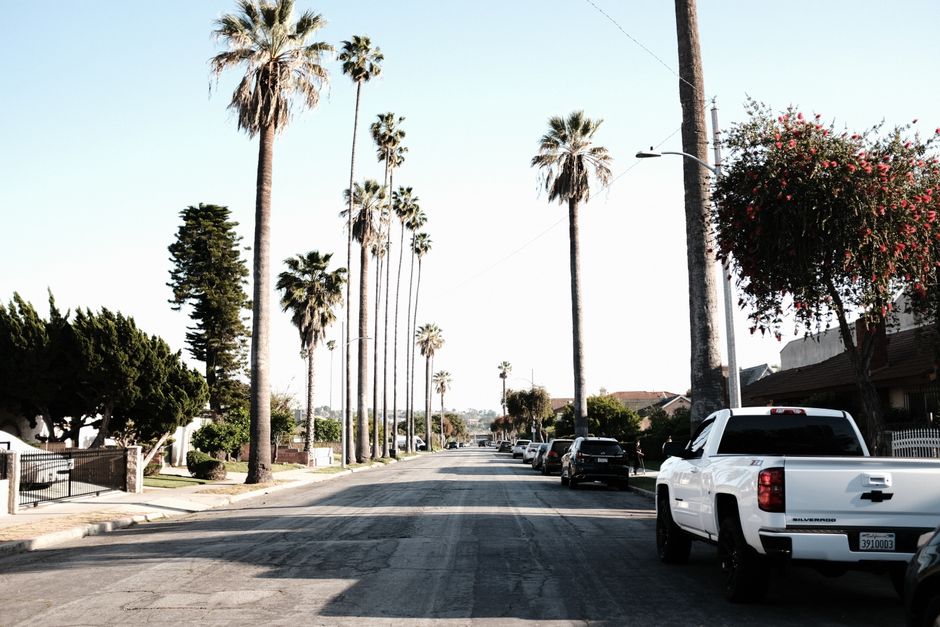
Los Feliz sits north of Hollywood, separated by a couple of hills that make it feel removed from the hustle even though it's only twenty minutes away. It's hillier than Silver Lake, more residential, and still has that artsy, bohemian edge—but it's calmer. Vermont Avenue runs through it with decent shops, restaurants, and bars that don't feel corporate.
It's home to a mix of young families, aging bohemians, and people who've lived here for thirty years because they like having a neighborhood where you recognize people. There are actual yards, smaller storefronts with local owners, and a genuinely low-key vibe despite being expensive. Griffith Observatory sits at the edge of the neighborhood, which brings tourists but also gives locals a reason to be outside.
Young professionals like it here because it's walkable but not overwhelming, and it's cheaper than Silver Lake or Westwood. Families like it because there's room and decent schools. The trade-off is that it's more of a local hangout than a scene—if you're looking for nightlife or a thriving young crowd, you'll want to head south to Hollywood or east to Silver Lake. The neighborhood is more about living well than being seen.
Westwood: College Town Energy and Accessibility
Westwood surrounds UCLA and has that perpetual college-town buzz because of it. The village itself—the few blocks around UCLA—is clean, well-lit, and feels safe. It's got movie theaters, decent restaurants, and a real campus-adjacent atmosphere. Westwood Avenue is where most of the action happens.
It suits young professionals, students, and anyone who wants solid public transit without the grit of Downtown. It's safer than most LA neighborhoods, walkable, and has enough foot traffic that you won't feel alone. The neighborhood skews younger because of UCLA's presence, but it's not just students—plenty of young professionals live here because of the proximity to good jobs in Westwood itself and Brentwood.
The downside is that it lacks character. It's clean and efficient in a way that can feel a bit sterile. There's a heavy security presence because of the foot traffic and the student population, and it never quite feels like a true neighborhood with roots—it feels like a commercial zone with apartments above. Rent is high relative to what you're getting. But if you prioritize safety, transit, and being around other young people, it works.
Long Beach: Urban Center with Its Own Identity
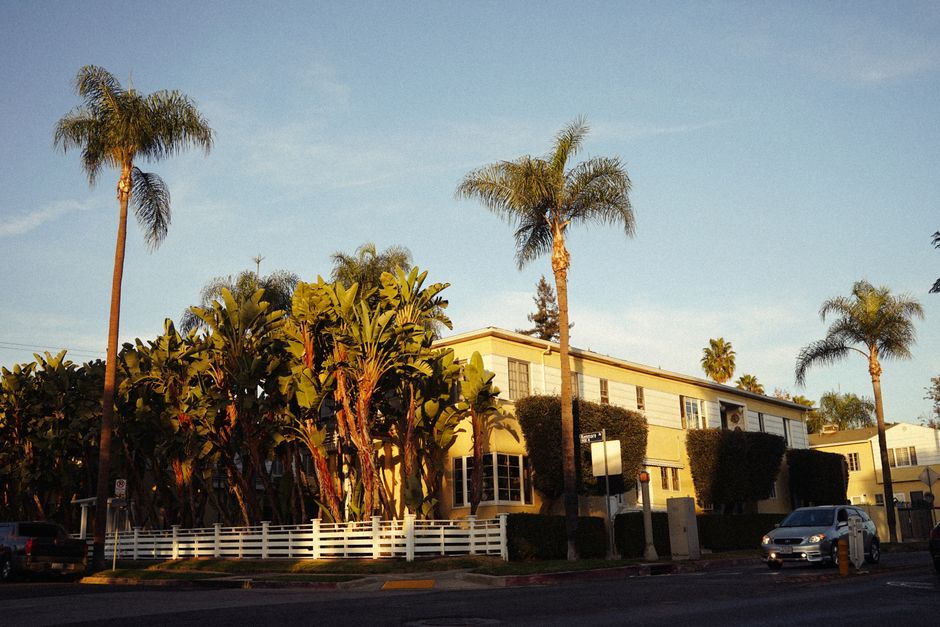
Long Beach is thirty miles south of Downtown LA, and it functions almost as its own city. It's got a revitalized downtown with a marina, museums, restaurants, and an actual urban grid instead of the sprawl of most LA neighborhoods. The Queen Mary is here if you're into that, but the real draw is that Long Beach feels like a city in a way most LA neighborhoods don't.
It appeals to families, retirees, and young professionals who want urban density without the chaos or cost of closer-in neighborhoods. The school system is decent, rent is lower than comparable walkable neighborhoods closer to Downtown, and there's genuine community infrastructure—farmers markets, libraries, local businesses with years of history. The waterfront walk is pleasant, and the neighborhood has a working-class and middle-class base that's held strong.
The trade-off is that you're buying that peace with distance. Getting anywhere else in LA requires planning. The beach here is industrial in places—there are cargo ships, refineries visible across the water. It's real, not romantic. But if you want affordability, actual walkability, and a neighborhood that doesn't feel brand-new or under construction, Long Beach is worth the drive time.
Picking Your Neighborhood: What Actually Matters
Don't pick a neighborhood based on Instagram or what you heard at a party. Spend a weekday afternoon there. Walk around, sit in a coffee shop, check if the parking situation makes you want to scream. Talk to people. You'll know in about two hours whether you want to live somewhere.
LA is expensive everywhere, but you get different things at different prices. Silver Lake and Los Feliz will run you $2,500+ for a one-bedroom, but you get walkability and community. Downtown is cheaper if you find a place outside the Arts District, but you trade some safety concerns. Long Beach is more affordable but farther out. Santa Monica and Westwood are premium for what you get, but they have specific appeals—beach access and urban safety, respectively.
The neighborhood you pick matters way more in LA than in other cities because everything here is about where you are. You're not living in LA; you're living in a specific pocket of it. Choose accordingly.
Frequently Asked Questions
which Los Angeles neighborhood is safest
Westwood, Santa Monica, and Brentwood consistently rank highest for safety, with strong police presence and well-maintained public spaces. Downtown LA and areas south of 3rd Street have more visible crime and are best avoided after dark. Long Beach has pockets of real safety but varies by block. No LA neighborhood is perfectly safe—it's more about knowing which blocks to avoid and being aware of your surroundings.
where do young professionals live in Los Angeles
Silver Lake, Los Feliz, and Downtown LA (Arts District) are the main hubs for young professionals in their 20s and 30s. These neighborhoods have walkability, bars and restaurants, a young community, and good transit. Westwood appeals to young professionals prioritizing safety over scene. All run high rent relative to the broader LA market but offer actual neighborhood amenities beyond car-dependent sprawl.
is Downtown Los Angeles safe to walk around
Downtown LA's Arts District (roughly 4th to 9th Street, Main to San Pedro) is generally safe during the day with heavy foot traffic and police presence. Early evening is fine, but late night varies by block. South of 3rd Street and east of San Pedro have more crime and are best avoided. The revitalization is real but incomplete—use basic city sense and stay on main streets.