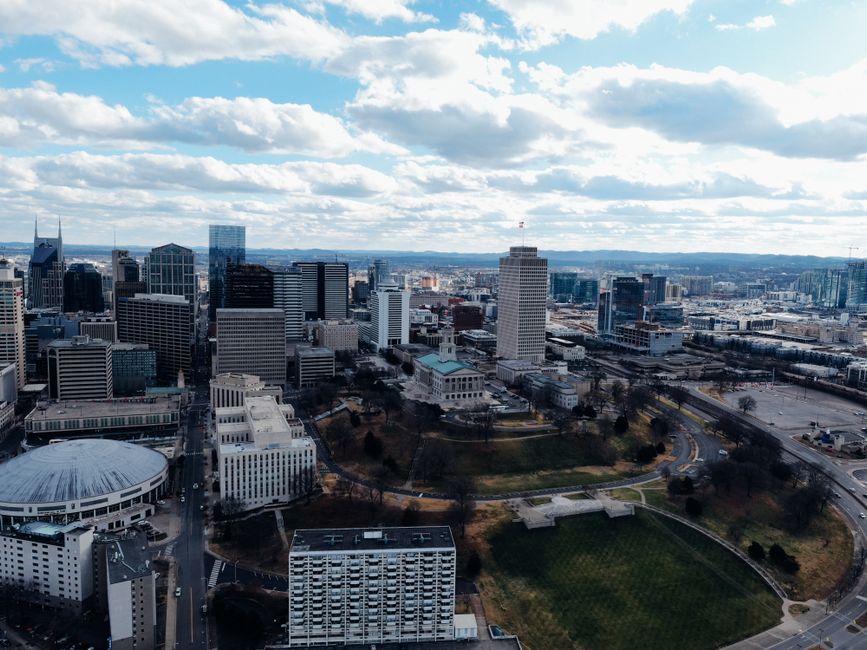
I rolled into Nashville on a Tuesday afternoon with the usual solo-traveler's paralysis: I had three days, decent money, and absolutely no idea where to actually stay. The city's exploded in the last decade, and wandering around trying to figure out where you belong is harder than it used to be. I spent the first night in a chain hotel downtown, hated the noise and the crowds at 2 a.m., and spent Wednesday morning walking neighborhoods instead of seeing attractions.
Turns out that was the smarter move. Nashville isn't one place anymore—it's a collection of very different places that happen to share a city name and a love of music. Where you land matters hugely, both for what you experience and how much you'll actually want to be there.
I've been back four times since. Each trip I stay somewhere different. Here's what I've learned about six neighborhoods that actually feel distinct.
Broadway and Downtown: Tourist Central (But Not Always Bad)
Downtown Nashville is what happens when a city decides to monetize its entire character. Broadway is packed nightly with bachelorette parties, guys in cowboy hats who've never been on a horse, and honky-tonks stacked so close you can order a drink in one bar and hear the band from the next one through the walls. The Ryman Auditorium, the Country Music Hall of Fame, and the Broadway pedestrian drag are here. So is every hotel chain you've ever seen.
Stay here if you're visiting for three days and want everything walkable. Stay here if you actually like being around a lot of people and don't mind paying premium prices for beer and food. Don't stay here if you want quiet, authenticity, or a sense of where real Nashville lives. The neighborhood has become a caricature of itself—slick, expensive, and designed entirely for people passing through. That's not an insult if that's what you're looking for. But know what you're getting.
The Gulch: Where Tech Money Moved In
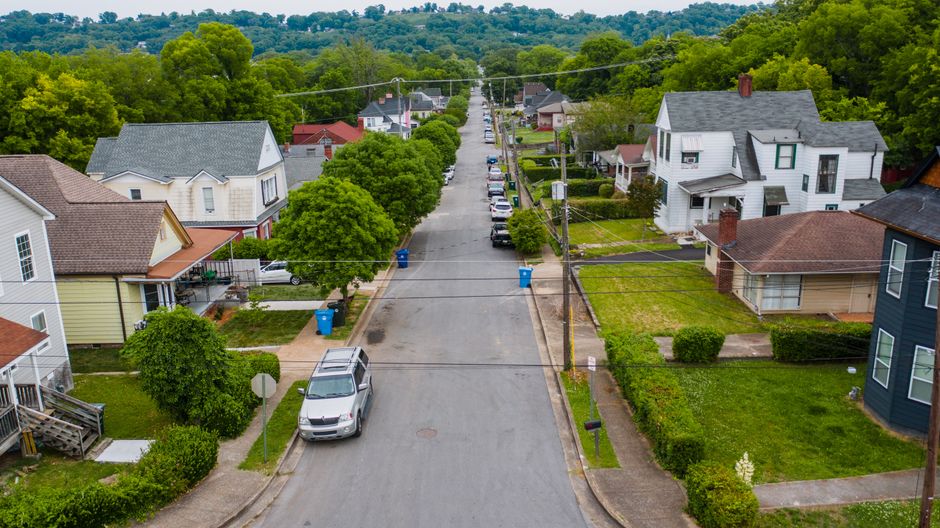
Three blocks south of Broadway, the Gulch is Nashville's attempt at being a modern urban neighborhood. High-rise apartments, trendy restaurants, craft cocktail bars, and young professionals everywhere. The neighborhood used to be warehouses and parking lots, and developers turned it into a grid of glass and steel almost overnight.
It's clean, walkable, safe, and utterly soulless unless you're genuinely excited about a $16 cocktail and Instagram-ready food. There's nothing wrong with that, but there's also nothing particularly Nashville about it either. You could transplant most of the Gulch to Denver or Austin and no one would notice. That said, if you work in tech or finance, commute matters, and nightlife means bars with good bartenders and craft beer, this is probably where you'll end up. Young professionals cluster here because the proximity to downtown is real, the apartments are new, and the safety is legitimate. Families sometimes land here too, mostly young ones without kids yet.
East Nashville: Where the Actual Artists Live (Sort Of)
East Nashville sits across the Cumberland River on the other side of the metrocenter, and it's where a lot of musicians, visual artists, and creative people have actually lived for years. It's got character—old Victorians, vintage shops, dive bars that have been around since nobody cared about the neighborhood, and real community. Five Mile Parkway and the streets around it are walkable and interesting. There are actual local restaurants, not chains.
The catch: it's gentrifying fast. Rents are climbing. Some of the old dive bars have gotten better and more expensive at the same time. But if you want to be in a neighborhood where you'll actually see live music in small venues, bump into people making things for reasons other than Instagram content, and walk around without feeling like an extra in a theme park, East Nashville is still legitimately that place. It suits families who want neighborhood character, single professionals who want a social scene, and anyone actually working in music or art. Just know that the version you'll find now is increasingly young, increasingly moneyed, and increasingly aware of its own aesthetic.

Belmont and Hillsboro Village: College Bubble With Staying Power
Belmont University anchors this neighborhood, and Belmont and Hillsboro Village has the feel of a college town even though the actual college is more than just the student body. You've got Belmont Abbey Café, locally-owned shops, vintage bookstores, Ellington's coffee, and the kind of blocks you can walk around aimlessly and find something unexpected every few minutes. The neighborhood has been here for decades, but it's young in energy.
This is where grad students, young professors, undergrads aged out of campus housing, and people who just want to live around young creative energy tend to settle. It's walkable, cheaper than the Gulch or downtown, and feels like an actual neighborhood with people who've chosen to be here rather than just passing through. If you're in your 20s or 30s and work a flexible job, or if you're teaching or studying at Belmont, this makes sense. It's not the place for families with elementary-school kids or retirees, mostly because the culture skews young and the parking situation is genuinely terrible on weekends.
Germantown and Salemtown: The Old Nashville Version
Germantown sits just north of downtown and is what happens when you leave a neighborhood alone long enough that actual character accumulates. It's been a working-class and immigrant neighborhood for over a century. The streets are older, narrower, the buildings are actual older buildings (not renovations designed to look old), and there are still old restaurants, hardware stores, and bars that have been serving the same regulars for 30 years. South Nashville Wholesale Liquors has been on Dickerson Pike forever. The neighborhood is walkable but not designed for tourists.
Salemtown, just east of Germantown, has similar bones—older houses, actual block-by-block community, less hype. If you want to understand what Nashville looked like before the boom, and you want to live in actual community rather than just a neighborhood aesthetic, this is where to look. You'll find families of all types here, long-time residents who've been there 20 years, and a growing number of younger people who got tired of the performative aspects of other neighborhoods and wanted something real. It's quieter, less walkable than downtown or the Gulch (you'll need a car more), but the cost is lower and the sense of place is genuine.
Green Hills and Sylvan Park: Established Money and Families
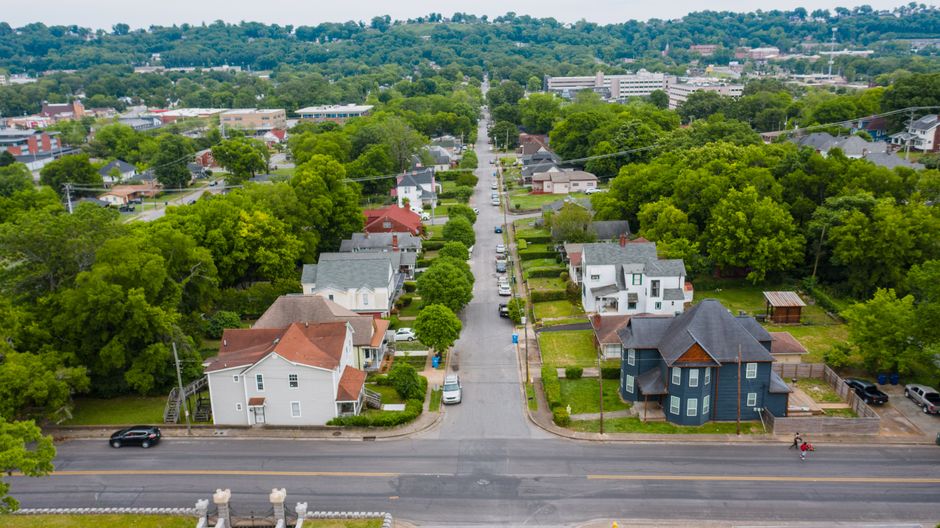
Green Hills is where the established professionals and empty-nesters live. It's southern, wealthy-looking without being ostentatious, organized around the Green Hills shopping area and suburban-feeling in the best sense—meaning it's peaceful, tree-lined, safe, with good schools and solid infrastructure. If you're relocating for a job with a partner and you've got kids or are thinking about kids, this is the neighborhood your corporate relocation specialist will probably suggest.
Sylvan Park, slightly closer to the city center, is similar but a bit more bohemian—a neighborhood of families and established professionals who wanted something more walkable and interesting than Green Hills without sacrificing the stability. Both are good for retirees moving to Nashville, families with school-age kids, and anyone who wants to own a home and build a life there rather than just find a place to crash. Neither neighborhood feels like Nashville in a cultural sense—you could be in any successful American suburb. But that's partly the point. If you want the city's music scene and energy on weekends and actual residential peace on weekdays, these neighborhoods deliver.
Making the Choice: What Actually Matters
The neighborhood you pick depends entirely on what you actually want to do with your time and money. If you're visiting for a week and want the tourist experience, downtown makes sense even though it's exhausting. If you're relocating for work and you've got a family, Green Hills or Sylvan Park is the play. If you want to be around creative people and nightlife and you're in your 20s or 30s, East Nashville or Belmont/Hillsboro works. If you want community and don't mind older infrastructure, Germantown or Salemtown are underrated.
The Gulch is the neighborhood equivalent of a well-made hamburger at a place without soul—efficient, clean, and completely fine if you're just looking for somewhere to live that checks boxes. Nothing wrong with that. But know the difference between a neighborhood that happened naturally and one that was designed to feel like a neighborhood.
Don't pick a neighborhood based on what you think you should like. Walk around first if you can. Drive through at different times of day. Sit in a coffee shop and watch the people. Ask locals what they actually think instead of reading reviews written by people who just moved there. That's how you'll figure out where you actually belong in Nashville.
Frequently Asked Questions
what is the safest neighborhood in Nashville Tennessee
Green Hills, Sylvan Park, and parts of Belmont/Hillsboro Village are considered the safest neighborhoods in Nashville. These areas have lower crime rates, active neighborhood associations, and regular police presence. Downtown and the Gulch are also safe due to heavy foot traffic and security, though personal safety varies by specific block and time of day. Always check current crime maps for specific addresses, as conditions shift.
where do young professionals live in Nashville
Young professionals in Nashville typically settle in the Gulch, East Nashville, Belmont/Hillsboro Village, or downtown. The Gulch offers new apartments and walkability; East Nashville provides character and affordability; Belmont/Hillsboro appeals to those wanting neighborhood feel at lower prices. Each area attracts different types of young professionals depending on whether they prioritize nightlife, walkability, community, or cost.
is East Nashville safe for tourists
East Nashville is generally safe during the day and early evening, with good foot traffic and active street life. Like any urban neighborhood, it's smart to stay aware of your surroundings at night and stick to populated areas. The main thoroughfares are well-traveled and well-lit. Most visitors experience East Nashville without incident, especially in the Five Mile Parkway area and around local restaurants and shops.
best neighborhood in Nashville for families with kids
Green Hills and Sylvan Park are the top choices for families with school-age children, offering good schools, quiet residential streets, and family-oriented community spaces. East Nashville and Belmont/Hillsboro also work for families seeking walkability and neighborhood character, though schools and traffic patterns differ. Your choice depends on whether you prioritize excellent schools, walkability, or affordability.
Which neighborhood catches your eye?