I rolled into Savannah on a humid Tuesday afternoon, rental car packed with everything I thought I'd need for a week. By Wednesday, I was already regretting my hotel choice—generic, forgettable, nowhere near the parts of the city that actually matter. That's when it hit me: Savannah isn't one city. It's a collection of very different neighborhoods, each with its own rhythm, crowd, and reason for existing.
If you're thinking about staying here longer than a weekend, or even moving here, you need to know the difference between, say, Historic Downtown and Midtown. The same goes if you're visiting with kids, or you're the type of person who needs walkable restaurants and bars within two blocks. This city will reveal itself block by block, neighborhood by neighborhood.
Historic Downtown and the Historic District
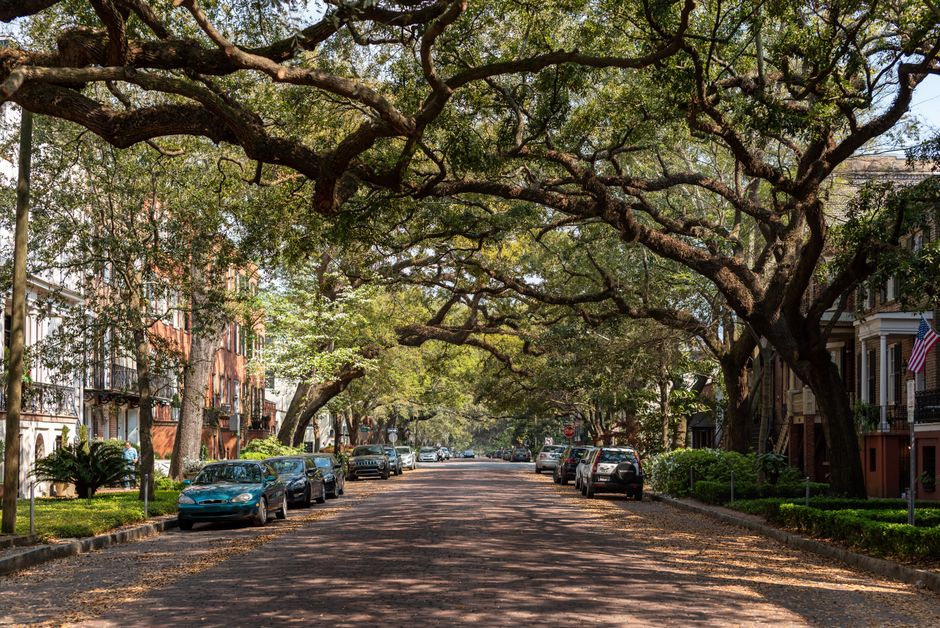
This is what people think of when they picture Savannah: moss-draped oaks, Spanish tile roofs, squares named after dead generals and philanthropists, tourists carrying maps and phones. Historic Downtown (including neighborhoods like Starland, Victory Drive, and the grid around Forsyth Park) is where the city's actual bones are. River Street runs along the Savannah River with shops and restaurants that range from tourist traps to genuinely solid places to eat. The squares—Forsyth Park especially—are genuinely beautiful, though you'll share them with everyone else visiting Georgia.
This is the neighborhood for tourists, obviously. But it's also surprisingly livable if you work downtown or don't mind the noise. Historic homes here are expensive and often require serious money to maintain; many have been carved into apartments. Young professionals who land decent jobs often spend their first year here before realizing they want more space or quiet. It can feel a bit like living in a museum—pretty, but you're always aware you're being watched.
Forsyth Park Area
Technically part of the Historic District, but Forsyth Park deserves its own conversation. The park itself is the draw: 30 acres with the famous fountain, kids running around, dogs, people on blankets. The surrounding blocks—Victory Drive to the south, Bull Street to the west—have gotten increasingly gentrified over the past decade. New restaurants and bars open monthly. The old Victorian homes here are stunning, and while they're expensive, they're slightly less impossible than properties closer to River Street.
This works well for families who want walkability and city amenities without living directly in the tourist zone. Young professionals like it here too. It can feel a bit trendy and self-aware—there's a noticeable amount of money in this neighborhood, and you'll see it in the boutiques and brunch spots. But it's also got real community feel. You'll run into the same people at the park. The schools in this zone tend to be better than elsewhere in Savannah.
Midtown and Victory Drive
This is where a lot of actual Savannahians live. Midtown sits north of Victory Drive and stretches toward the Oglethorpe University area. It's residential, quieter, with wider streets and more modern homes mixed in with restored bungalows and Craftsman-style houses. Victory Drive itself is a tree-lined boulevard with its own character—local restaurants, vintage shops, a few bars that don't rely on tourist foot traffic. The vibe here is genuinely different from Historic Downtown. You could forget you're in a tourist city.
This neighborhood suits people who want proximity to downtown without living in it. Families appreciate the schools and the quieter blocks. Retirees find it welcoming—there's a community feel without the crowding. A fair warning: some blocks here are nicer than others. Do your homework before committing. But in general, Midtown offers better value than Historic Downtown and actual room to breathe. You can park your car and leave it for days if you want.
The Starland District
Just east of Midtown, Starland is the neighborhood that feels like it's in the midst of actual change. It's grittier, younger, less polished. Warehouses are becoming studios and galleries. Coffee shops and small restaurants are opening on corners that used to be empty. You see a lot of artists here, musicians, people who couldn't afford Midtown five years ago. The housing stock is more varied—some restored homes, some still very much in progress. Prices are lower than everywhere else we've talked about, at least for now.
Starland is for young professionals and creative types who don't mind a neighborhood in transition. It's got potential but not the finished feel of other parts of the city. If you want to be in Savannah but don't have deep pockets, this is where to look. The trade-off is that it's less walkable for everyday needs—you'll probably need a car for groceries. But the community is tight, and there's genuine energy here that feels less manufactured than some other neighborhoods.
Bonaventure and the South Side
South of Victory Drive, neighborhoods like Bonaventure are quiet, residential, and feel genuinely separated from downtown. This is where people with families and retirees actually tend to land when they move to Savannah long-term. The homes are more affordable, yards are bigger, and you can drive to downtown in 10 minutes but feel like you're living in a different town entirely. Bonaventure specifically has a country-club feel—lots of retirees, quiet streets, small-town vibes despite being part of the city.
The downside is lack of walkability. You need a car for everything. There's less of the restaurant and bar scene—you're eating at chains mostly, or driving back toward Midtown or downtown for a decent dinner. It's not a neighborhood for people who want urban energy. But if you're looking for a safe, stable, quiet place to settle, with good schools and affordable homes, this works. Bonaventure especially appeals to people who are ready to stop moving, who want to put down roots without the price tag of the Historic District.
Isle of Hope and Riverside
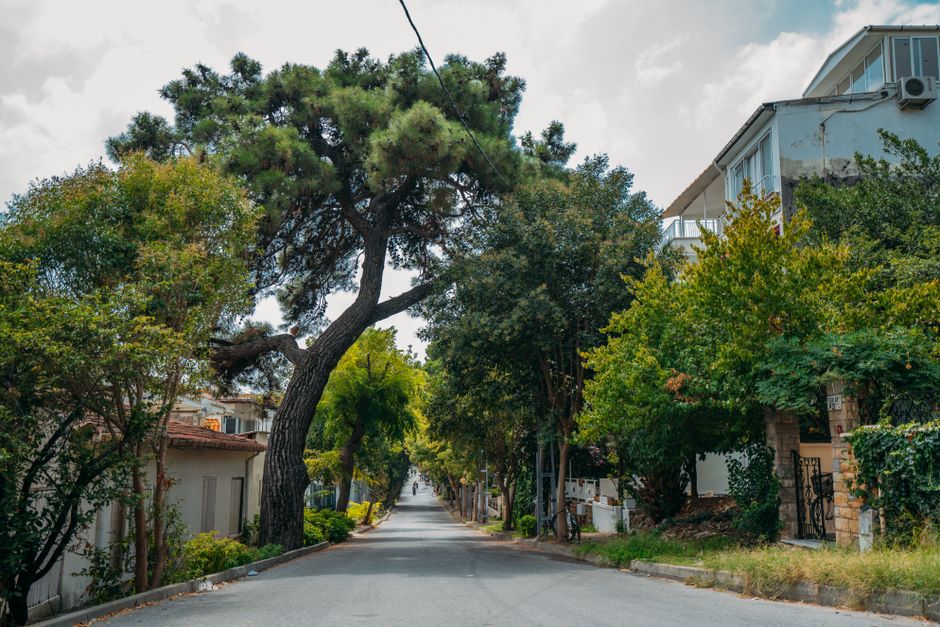
Isle of Hope sits south and east, toward the river, and it's a different animal entirely. It's more affluent, quieter, with larger homes and actual space between neighbors. The marsh views are legitimate—this feels like the Lowcountry in a way downtown Savannah sometimes doesn't. Riverside is similar, running along the Wilmington River. Both neighborhoods have that coastal Georgia feel: slower pace, water nearby, less pressure to be "on" all the time.
These neighborhoods suit retirees and established families with resources. They're beautiful but isolated from most of the city's action. If you want restaurants and nightlife, you're driving 15-20 minutes. The appeal is peace, space, and a genuine connection to the Lowcountry landscape. Housing is expensive, but you get actual square footage and land. If you're moving to Savannah to slow down, not speed up, this is where to look.
Finding Your Fit
After a week in Savannah, I moved my stuff from the hotel to a short-term rental in Midtown. I wanted to walk to coffee, have neighbors I might recognize eventually, and not spend my evening dodging bachelorette parties. Three months in, I understand why people stay. The city has genuine texture—you can find exactly the kind of neighborhood you're looking for, or the kind of person you want to become.
If you're visiting, Historic Downtown is unavoidable and worth the crowds. If you're staying longer, spend a day in each neighborhood. Sit in a coffee shop. Walk a few blocks. Talk to people at the park. The neighborhood that feels right won't be the most obvious one.