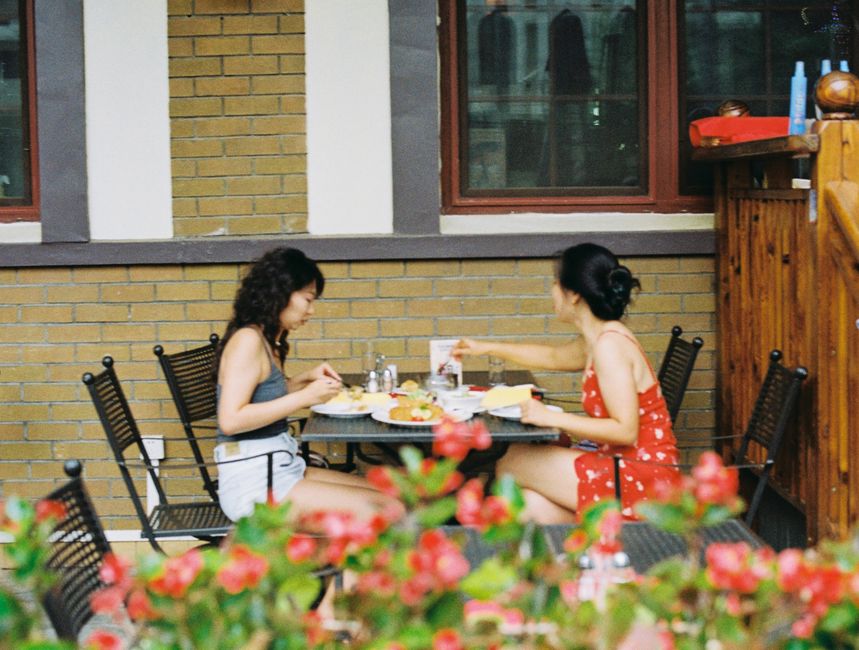
I landed at O'Hare on a gray March afternoon and went straight for deep-dish pizza. That's not the move, by the way—you're better off eating actual food first, then deciding if you want to join the tourist scrum at a place like Pequod's. What I found over three weeks in Chicago was a food scene that doesn't market itself as much as it should. New York gets the hype. San Francisco gets the hype. Chicago just feeds people.
The restaurant landscape here is serious without being pretentious, which is about as Chicago as it gets. You've got James Beard winners operating casual lunch counters, fine dining that doesn't require you to sell a kidney, and hole-in-the-wall spots that have been doing the same thing for forty years and refuse to change. Most places aren't impossible to get into if you're willing to eat off-peak or work around the system. Here's where I'd actually eat if I lived here.
Alinea (Michelin 3-star, Higher End)
Alinea is the most famous restaurant in Chicago and possibly the hardest reservation to get in the country. This isn't a place where you order food—you're paying for a fully choreographed, nearly four-hour experience in Grant Achatz's kitchen. It's conceptual, it's theatrical, and it's unlike anywhere else you'll eat.
You need to book online weeks or months in advance. There's no menu. You'll eat somewhere between 15 and 20 small courses that change seasonally and philosophically. One course involves edible paper. Another involves your server painting directly on the table. The wine pairings are excellent if you add them on. It costs somewhere in the ballpark of $250–$300 per person without drinks, sometimes more for special menus.
The honest trade-off: it's not for everyone, and it knows it. If you need a fork and a plate and food that tastes like food, this isn't your place. If you're looking for the best meal of your life or genuinely interested in how a chef thinks about cooking as art, it's worth the effort. Parking downtown is a paid headache—use a service lot or valet.

RPM Italian (Mid-Range, Casual Upscale)
RPM is the kind of place that feels like it's been there forever but hasn't. It's chef Rick Bayless's Italian restaurant—and yes, that Rick Bayless, the Mexican-food guy—and it works because he hired someone who knows Italian food and stayed out of the way.
Order the burrata salad if it's on. Get the handmade pasta, whatever it is that day. The short rib is excellent. The room is loud and buzzy in that way that makes solo diners feel welcome instead of pitiful. Prices run $18–$32 for mains, more if you're drinking wine. You can usually walk in for lunch without a reservation, but dinner requires planning.
The downside is that it's become quite popular, and popular in Chicago means the noise level can make conversation difficult. It's not bad noise—it's the sound of a full, happy room—but you should know what you're getting. If you need quiet ambiance, this is the opposite of that. The location on Wells Street is the original and the best.
Xoco (Budget-Friendly, Fast Casual)
Xoco is Rick Bayless's taquería concept, and it's one of the smartest $15–$18 meals you can eat in Chicago. It's fast-casual but it doesn't feel cheap. The techniques are serious. The ingredients matter. You order at the counter, find a seat if you can, and eat while standing or at a high table.
Get the cochinita pibil tacos. Get the carne asada. The agua frescas are cold and perfect even when it's cold outside. The tortas are built by hand right in front of you. Nothing costs more than $8–$10 per item. This is what casual eating should be: excellent food, no pretense, prices that make sense.
Really, the only limitation is seating and speed. It's not designed for lingering. You eat and move on. That's intentional and it's fine, but if you want to sit and relax for an hour over coffee, you're in the wrong place.
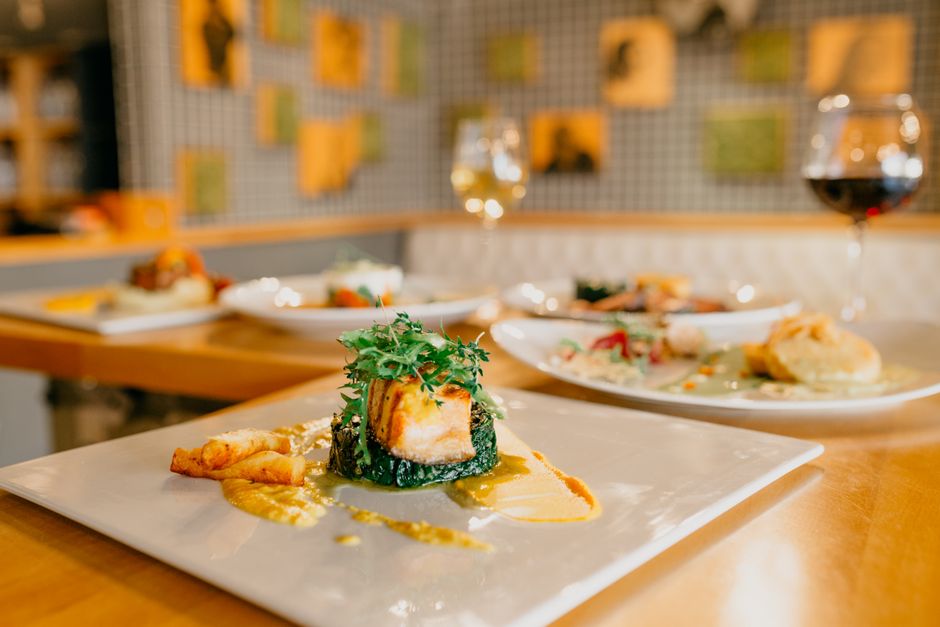
Girl & the Goat (Mid to Upper-Mid Range, Neighborhood Casual)
Stephanie Izard's restaurant has maintained relevance for a decade in a city full of new places because the food is actually that good. It's in the West Loop, which used to be industrial and now is where everyone eats. Girl & the Goat is the reason.
You come here for the namesake—the goat cheese appetizer with honey, raisins, and toast—but stay for the roasted chicken, the hangar steak, the burrata. Mains run $28–$38. The wine list is thoughtful. The room feels celebratory without trying too hard. There's a bar where solo diners can sit and watch the kitchen.
The downside is the popularity. Wait times can push three hours on Friday and Saturday nights even with a reservation, depending on how the kitchen is running. The neighborhood parking is street parking mostly, which is a gamble. Go early, go late, or go on a weeknight. Lunch is easier.
Frontera Grill (Mid-Range, Tourist-Friendly But Real)
Frontera Grill is the casual sibling to Topolobampo (Bayless's more upscale place) and it's genuinely good. It's also aggressively popular, sitting in a high-foot-traffic area on Michigan Avenue downtown. But here's the thing: most of the people eating here are tourists, yet the food isn't catering to tourist palates. It's legitimately excellent.
Order the carne asada, the chile relleno, the fish ceviche. The chile en nogada is a show-stopper if it's in season. Everything costs between $12–$26. The margaritas are balanced. You get complimentary tortilla chips and salsa before you eat.
The absolute unavoidable downside is wait times. There's almost never no wait unless you arrive right at opening. The restaurant doesn't take reservations, which is a choice that works against you. Expect 45 minutes to two hours on any evening. Lunch weekdays are better. If you don't have time to wait, don't go. There's no workaround except choosing a different meal.
Oriole (Fine Dining, Splurge Worthy)
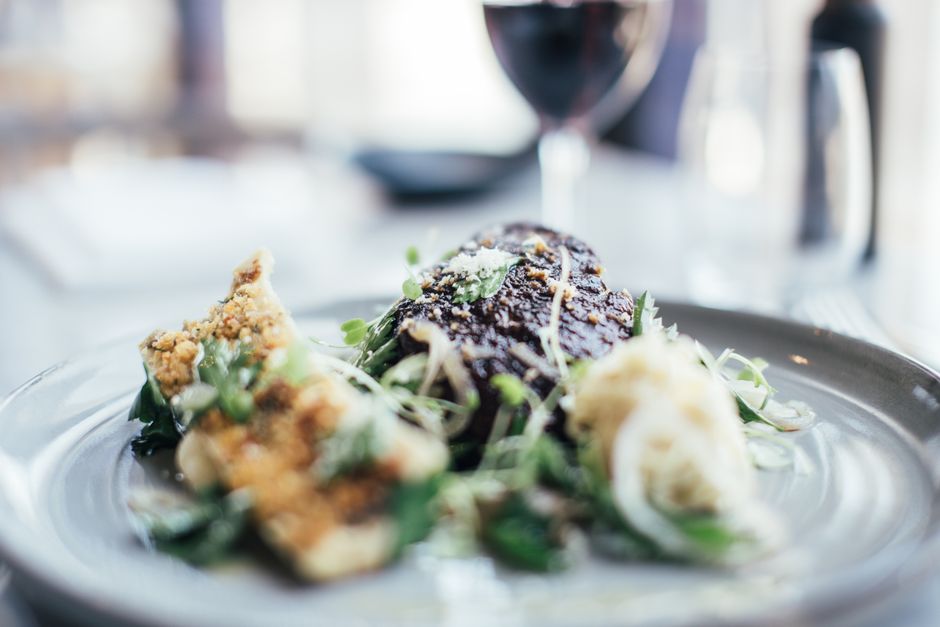
Oriole is the smaller, quieter alternative to Alinea if you want fine dining that's still conceptual but less theatrical. It seats 10 people per night in a private kitchen counter setup. Every seat is basically the chef's counter. The menu doesn't exist until service.
You get 12–15 courses. They're inventive, technical, and thoughtful. The restaurant sources ingredients obsessively and the meal changes based on what's available and what the chef is thinking about. It's expensive—around $300 per person without wine—but it's not costumery. It's just excellent cooking in the most intimate setting possible.
The trade-off is availability. You're booking one of ten seats per night. Many weeks are booked solid. You need to call or email and hope. It's not impossible but it's not casual. Also, if you have strong dietary restrictions beyond vegetarian, let them know early because they build a custom menu around what you can eat.
Frequently Asked Questions
where should i eat deep dish pizza in chicago
Pequod's and Lou Malnati's are the most famous, but both have long lines and tourists. For deep-dish that's excellent, try Pequod's if you're willing to wait, or check smaller locations of established chains in neighborhoods away from downtown. The authenticity matters less than whether you actually enjoy eating bread and cheese. If you want to skip the tourist circuit entirely, just ask your hotel or a local restaurant worker—they'll know a good neighborhood spot.
is it worth going to michelin star restaurants in chicago
If you care about cooking as a concept and have the time and budget, yes. Alinea is singular—there's nowhere else like it. Oriole is excellent if you want serious cooking in a quieter setting. Beyond those, Chicago has great neighborhood restaurants that aren't Michelin-starred but are better daily food. Michelin means something here, but it's not the only measure of where to eat well.
what neighborhoods have the best restaurants in chicago
West Loop is the densest cluster of excellent restaurants—Girl & the Goat, Avec, Publican, Oriole. Lincoln Square and Lakeview have established restaurant scenes. Pilsen has great casual Mexican spots and is less crowded than West Loop. Downtown has the touristy places but also legitimately good restaurants. Avoid hunting for restaurants in neighborhoods just based on reputation—ask locals where they actually eat.