
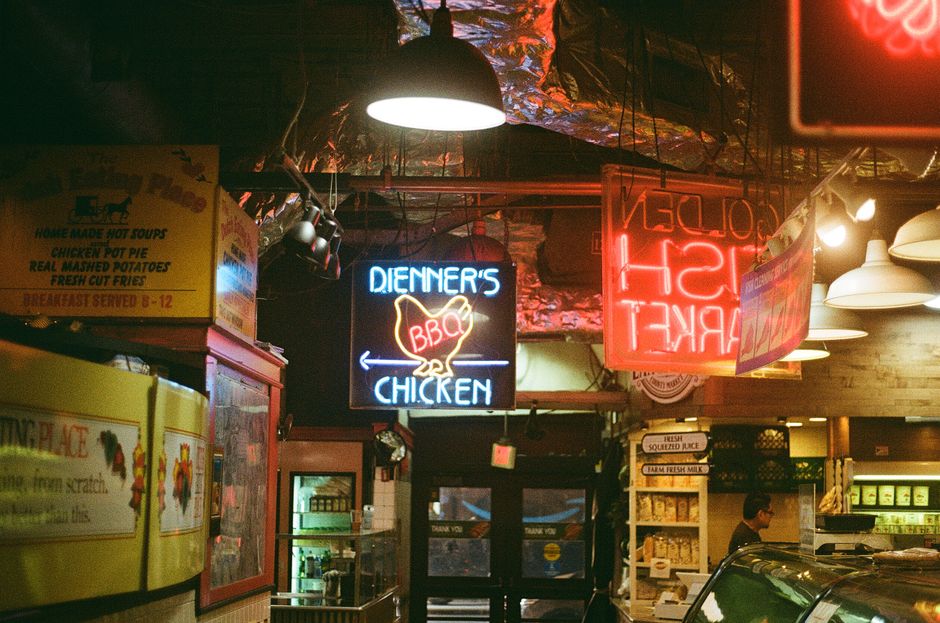
I rolled into Philadelphia on a Friday afternoon with one goal: figure out where the actual city eats. Not the places with the biggest Instagram following or the ones that made some national "best of" list three years ago. I wanted spots where locals have standing Thursday-night plans, where a server remembers your name by your second visit, where the food is good enough to justify the trip but not so precious that you feel like you need to wear nice jeans.
Philadelphia's food scene doesn't need hype. It's been feeding people seriously for decades — Italian Market imports, neighborhood Italian joints, historic oyster bars, Vietnamese spots that exploded across the Northeast, Korean barbecue tucked into corners of Chinatown. What surprised me most was how many genuinely excellent restaurants charge under $20 an entree, and how little the city seems to care about being trendy. That's the Philadelphia I found: confident, honest, a little rough around the edges.
Here's where I actually ate and what I'd go back for.
Zahav – Refined Israeli with a Line Out the Door
Zahav sits on Walnut Street in Old City and has spent the last decade being recognized as one of the best restaurants on the East Coast. Chef Mike Solomonov built the place on Israeli cuisine that pulls from Mediterranean traditions, North African spices, and his own childhood. The hummus is what everyone talks about — and rightfully so. It arrives almost molten, topped with toasted pine nuts and a crack of fleur de sel, and you could eat it forever. But the roasted chicken with zhug is equally essential: moist, herb-bright, unforgettable.
Expect to spend $45–65 per person before drinks, and expect to wait. Even with a reservation, there's often a delay. The dining room is long and narrow, close-quartered, and on a Saturday night the noise level climbs fast. The wine list is thoughtfully organized and worth engaging with — the staff can recommend pours that hit differently than a standard Israeli white. If you go, order the labneh, the salatim (small plates of vegetables and dips), and share the chicken. Skip the bread course unless you're genuinely hungry.
The downside: Parking in Old City is street-only in most blocks, and weekends fill up early. If you're driving, arrive early or plan for a small lot a few blocks away. Reservations are essential.

Han Dynasty – Szechuan Heat and Speed
Han Dynasty is Chinatown casual — bright fluorescent lights, worn red booths, and menus that don't pretend to be elegant. The focus is Szechuan food with real heat, and the kitchen moves fast enough that you can have a full meal in 45 minutes if you're not dawdling. Order the chongqing chicken (la zi ji): chunks of bird, aromatics, enough heat to make you reach for water. The mapo tofu is textbook — silken, numbing, dangerous. The hand-pulled noodles in chili oil are addictive. Most entrees run $8–14.
You're not coming here for a scene. You're coming here because you want food that tastes like someone actually cares about flavor, not presentation. The servers are straightforward and busy. The dining room is loud by design. But the quality is genuine, and the price is honest. If you're solo, you can sit at the counter and watch cooks work. If you're with friends, grab a booth and order family-style.
Parking is easier than in Old City — there's a nearby lot, and street parking along Race Street turns over steadily. The trade-off: the neighborhood feels rougher, foot traffic is mixed, and it's the kind of place where you probably want to walk during daylight or from a nearby car.
Vetri – Italian at the Top of the Range
Vetri sits a few blocks from Rittenhouse Square and represents what happens when a chef (Marc Vetri) spends a decade learning Italian cuisine in Italy and then builds a restaurant around that obsession. The pasta is made fresh, the sauces are built from the logic of classic Italian cooking, and the wine list is insanely deep and (surprisingly for the price point) not predatory. A four-course tasting runs around $125 before wine; a three-course is available at lower price.
I had a simple bowl of tajarin — just tagliatelle-thin egg pasta with brown butter and sage — and it tasted like exactly what that dish is supposed to taste like. Braised short ribs, fresh mozzarella, aged balsamic. The restaurant is intimate, maybe 40 seats, and feels like you're eating in someone's serious home. The staff moves with purpose but isn't stiff. It's one of the few expensive restaurants in Philly where you actually feel like you're getting your money's worth.
The honest downside: it's expensive, and the tasting format means you're eating what they want you to eat, not what you're craving. The wine markups are reasonable by fine-dining standards but can still add $30–50 to your bill per person. And parking is Rittenhouse-level difficult — lots nearby, but you'll pay for it.
Dahlak – Eritrean Injera and Warmth
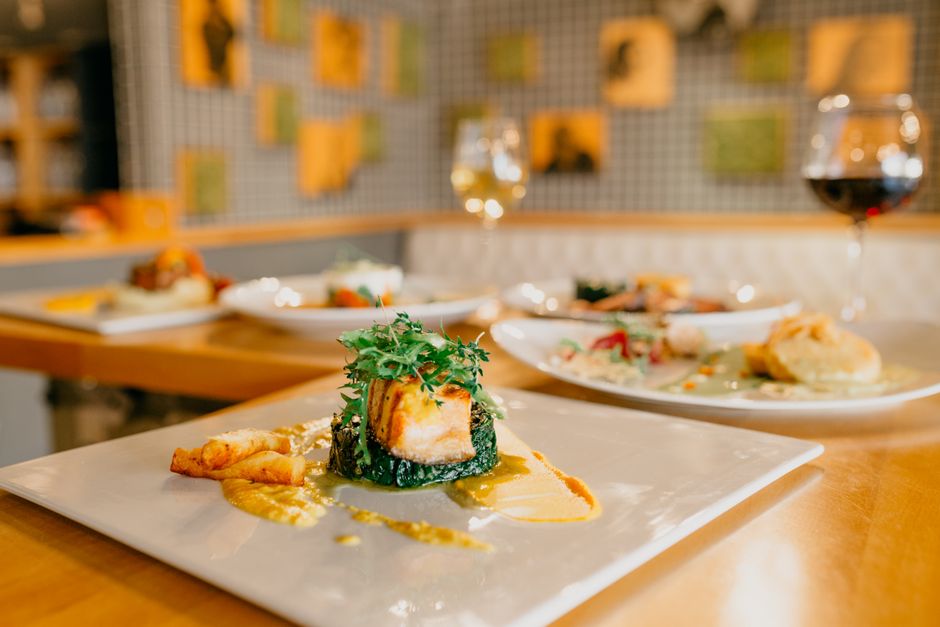
Dahlak is in a quiet corner of South Philadelphia, tucked into a neighborhood that's historically been a hub for East African communities. The restaurant is unadorned: a few tables, simple decor, and a kitchen that turns out Eritrean food at prices that seem almost impossible. The meal comes on a large circular platter of spongy injera bread, topped with curries, beans, lentils, and slow-cooked meat. Everything tastes like salt and spice and time. You eat with your hands, tearing off pieces of injera and using them to grab whatever you want.
Order the combination platter ($15–18) if you're not sure what to order — it hits all the basics. The tibs (sautéed meat with vegetables) is tender. The kitfo (minced raw or cooked meat with traditional spices and butter) is rich and unusual. The berbere spice blend shows up across everything, warming without overwhelming. Most people come in groups and order multiple platters to share, but solo dining is totally normal. The owner tends to remember faces.
Parking is street-only on this block, but it turns over. The neighborhood is quiet, and there's a sense of walking into someone's true home kitchen. This is not a dinner destination if you're staying downtown — it's on the other side of the city — but if you're exploring South Philly or have a car, it's essential.
Terminale Di Mari – Seafood at Market Prices
Terminale di Mari sits in a stripped-down seafood hall at the Reading Terminal Market, the historic indoor market in Center City. It's not a full restaurant in the traditional sense — more like a high-end seafood counter with a handful of small tables and stools. You order at the counter, they hand you a tray with raw fish, crudo, oysters, whatever's fresh that day. The prices fluctuate because they're tied to what the fishmonger paid that morning. A small plate of crudo ($12–16) might be scallop, uni, sea urchin, whatever came in. Oysters are $1.50–3 each.
The setup means it's chaotic in the best way. You're eating standing up or perched on a stool, sometimes next to someone else's shoulder. The husband-and-wife team running it are serious about fish and allergies and will talk you through what's available. Most people spend $20–35 on lunch or dinner depending on appetite. There's no wine list, but you can grab a beer or wine from vendors elsewhere in the market and bring it back.
The downside is structural: it's loud, crowded, and cramped. If you want a quiet meal or a place to linger, this isn't it. Also, raw fish isn't for everyone, and the rotating inventory means you might show up one day expecting uni and find that day's catch is entirely different.

Laurie G Cafe – Breakfast and Sandwiches, No Fuss
Laurie G is in a small storefront in Rittenhouse, operating mostly as a morning-to-early-afternoon spot. The menu is maybe 15 items: egg sandwiches, toast, salads, coffee. Everything is made simply and carefully. The croque monsieur ($14) is one of the better versions I've had — good ham, melted cheese, properly toasted. The breakfast sandwich (soft scrambled egg, cheese, a choice of meat) is what you show up for if it's before 11 a.m. The coffee is good, the seating is tight, and the service is fast or slower depending on the rush.
This is the kind of place where you're in and out in 20 minutes if you're solo, or where you linger over coffee if you're on a weekend with someone. Most things run $10–16. The crowd is mixed — locals grabbing breakfast, office workers, people running errands in the neighborhood. The kitchen is visible from the dining area, which means you watch how much care goes into everything.
The limitation is straightforward: they close by 3 p.m., and they don't do dinner. It's a daytime spot for a reason. And if you show up right at rush hour (8–9 a.m. on weekdays), you're standing in line. But if you're looking for honest breakfast in a nice neighborhood, this is it.
What Actually Works About Philadelphia's Food Scene
After eating across the city for a few weeks, the pattern became obvious: Philadelphia doesn't chase trends. Restaurants here get old and stop caring about being new, and somehow that's exactly when they become best. Zahav was a phenomenon and stayed serious. Han Dynasty has been running the same kitchen at the same volume for years and sees no reason to change. Vetri builds on fundamentals. Dahlak is doing what it's always done.
The city also has pockets — neighborhoods with inherited food traditions that still matter. Chinatown is still overwhelmingly Chinese-run. South Philadelphia has maintained its Italian and Eastern European roots while also becoming a gateway for Eritrean, Vietnamese, and other cuisines. Italian Market still exists on 9th Street, though it's smaller than it used to be. Finding good food here often means walking a neighborhood and noticing which restaurants have the most people who look like they actually live nearby.
Budget-wise, you can eat genuinely excellent food in Philadelphia for under $20 per person at places like Han Dynasty or Dahlak. Mid-range spots like Laurie G or Terminale di Mari run $15–35. The fine-dining tier (Zahav, Vetri) justifies its price by being actually good and not pretending to be something else. The restaurants that struggle are the ones trying too hard to be Instagram-worthy or the ones that coast on reputation. The ones that last are the ones that cook, day after day, for people who actually want to eat.
Frequently Asked Questions
what are the best restaurants in philadelphia right now
Zahav (Israeli), Han Dynasty (Szechuan), Vetri (Italian), Dahlak (Eritrean), and Terminale di Mari (seafood) are consistently excellent across price points. Zahav and Vetri require reservations; Han Dynasty and Dahlak are walk-in friendly. Most have waits or crowds during peak hours, especially weekends.
is there good seafood in philadelphia
Terminale di Mari specializes in raw fish and oysters at market prices. It's minimal seating but legitimate quality. Zahav and Vetri both feature excellent seafood preparations within their menus. For full seafood-focused restaurants, Terminale di Mari is the most specialized.
where can i get a reservation in philadelphia restaurants easily
Zahav and Vetri require reservations well in advance (often weeks). Han Dynasty, Dahlak, and Laurie G are walk-in or call-ahead only. Terminale di Mari is first-come, first-served. Resy and OpenTable cover some spots, but calling directly is often more reliable for neighborhood restaurants.
Which restaurant would you try first?



