
I live in Philadelphia six months out of the year, and the thing nobody tells you about this city is that it's a perfect launching pad. You get tired of the same old blocks, the same Reading Terminal crowd, the same view from Spring Garden Street—and suddenly you realize you don't have to drive five hours to feel like you've left. Everything is right there: mountains, beaches, farmland, river towns, wineries. I've spent enough weekends running away from the city and back again to know which drives are worth it and which ones you'll regret halfway through.
The Philadelphia region is actually surrounded by some genuinely good weekend escape options. Most of them are doable in under two and a half hours, which means you can sleep in on Saturday, hit the road by nine, and actually have a real day when you arrive. I'm not talking about tourist traps, either. These are places where you can eat something decent, move around, and actually feel like you've gone somewhere.
Here's what I've learned about the best ones.
Brandywine Valley (Delaware and Pennsylvania)
Forty-five minutes south of Center City, and you're in a totally different world. Brandywine Valley stretches across both sides of the Pennsylvania-Delaware border and centers on this lush countryside that somehow managed to stay lush even as everything around it got developed. The main draw is Longwood Gardens, which is honestly worth the trip alone. It's not just a garden—it's like someone took every plant they could grow and asked what the most elaborate, thought-out display would look like. The fountains are actually impressive, the orchid collection is obsessive, and in winter the poinsettia display is almost aggressively festive.
Beyond Longwood, you've got the Brandywine River Museum if you care about art—and they've got a good collection of Wyeth paintings, which is the kind of thing that sounds boring until you're standing in front of one and realize the scale is actually affecting you. The valley has a bunch of small wineries scattered through it, nothing fancy, just decent places to taste something that isn't terrible. Route 1 runs through the area and has sprawled into strip malls, but if you take the back roads and poke around, you find the actual Brandywine communities: Chadds Ford, Kennett Square (which is basically the mushroom capital of the country, weird but true), Winterthur.
Go in spring when everything's blooming, or fall when the light gets that heavy gold quality and you can actually walk around without sweating through your shirt. Summer is fine too, but you'll be with every other person from Philly who had the same idea.
Atlantic City, New Jersey
An hour to an hour and a half depending on traffic, and the Boardwalk is right there. I know Atlantic City has a mixed reputation—it's loud, it's designed to make you spend money, the casinos are artificially cold and smell like recycled air. But that's kind of the point. It's Vegas-lite without the pretense. You go there to be around other people doing the same thing: eating, gambling a little, walking on a boardwalk that actually has the ocean next to it.
The Boardwalk itself is better than you'd expect. There are actual restaurants and bars mixed in with the slots, and if you walk far enough north past the casino cluster, it gets quieter and more like an actual seaside town. Absecon Lighthouse is genuinely worth climbing if you're there on a weekday morning and it's not mobbed. The beach itself is free and decent, though it's not Barnegat Bay or Cape May—but that's kind of the trade-off for the easy drive.
The casino food is cheap and reliably okay, which sounds like a low bar but genuinely matters when you're just trying to grab lunch and get back out. Most casinos have decent breweries attached now too. Go on a weekend if you want the full chaotic energy, or a weekday if you want to actually move around without pushing through crowds. Late summer and early fall are the sweet spots—the ocean is still warm-ish, families have gone back to school, and the crowd thins out.
The Poconos (Pennsylvania)
Ninety minutes north takes you to the Pocono Mountains, which is actually more appealing than the reputation suggests. It's not the Alps—nothing around Philadelphia is—but it's real elevation, actual forest, and the kind of place where you can hike for three hours and actually feel like you've moved through something. There are dozens of state parks and public trails scattered through the region. Delaware Water Gap National Recreation Area is the anchor: it's right there on the river, has miles of trails, and the views are legitimately good.
Lake Wallenpaupack is the other main thing. It's a manmade lake but massive, and you can do boat rentals, kayaking, or just rent a cabin and sit. There are a couple of small towns—Hawley has the most personality, with some decent restaurants and shops that don't feel completely generic. Skytop Lodge is up there if you want to stay somewhere nice, but there are plenty of smaller inns and cabins if you're just after a quiet weekend.
The Poconos are best in fall—like, not even close. The foliage is actually dramatic, the temperature is perfect for hiking, and you won't be fighting crowds of summer families. Late October is the peak. Spring is fine too, especially if you want to do water activities without dying from heat. Winter is beautiful but roads can get weird, and summer is too hot and too crowded to be worth the drive unless you're specifically there to jump in the lake.
Lancaster County (Pennsylvania)
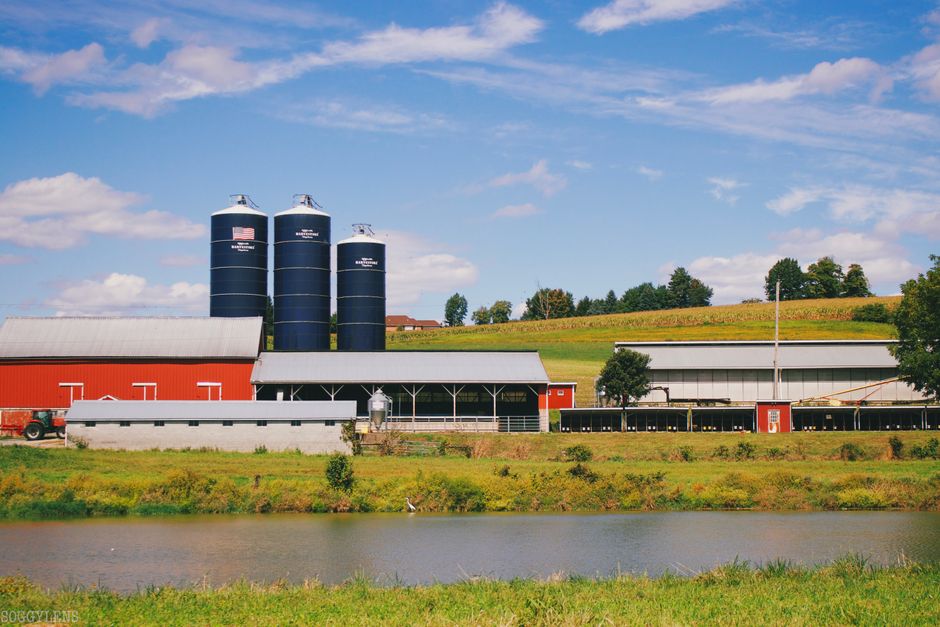
An hour and a half west, and you're in Amish country. I know this sounds like a tourism-board thing, but it's genuinely a different pace of life, and there's something oddly restful about it even if you're not there for any deep reason. The Amish communities are real—horses and buggies are actual transportation, not a museum exhibit—and that changes how the place feels.
Lancaster city itself is better than it used to be. They've redone the downtown core over the past decade, and there are now actual restaurants and bars that aren't themed around Amish kitsch. Issei Noodle has legitimately good ramen. Pressure Modern Eatery does solid farm-to-table. The Central Market is the real thing—it's been operating since 1859, vendors selling produce and meat and prepared food, the kind of place where you can actually eat breakfast for cheap and watch people shop.
Outside the city, you can rent a bike and ride the Lancaster Valley trails, visit a farmer's market (Ephrata Cloister Farmer's Market is huge and has actual food, not tourist trap gifts), or just drive around the back roads and watch the landscape. Some places offer farm stays or buggy rides if you're into that. For eating, you can hit traditional Amish restaurants, but honestly the smaller Italian and Asian spots in town are better. Spring and fall are best—summer is hot, winter is bleak, and you'll hit rain either way. Late April through May is ideal.
New Hope, Pennsylvania
Forty-five minutes north, and it's the opposite energy from Lancaster. New Hope is a small, artsy, LGBTQ-friendly river town on the Delaware that's been a creative hub for decades. It's walkable, it has actual character, and it doesn't feel like it's trying too hard to be a tourist destination even though it kind of is.
The town itself is basically a strip of galleries, shops, and restaurants along a couple of main streets. Peddler's Village is nearby if you want crafts and casual wandering. But the real thing is just walking around, finding somewhere to eat lunch, maybe browsing a bookstore or two. There are decent restaurants: Marsha Brown does good Creole food, Karla's is solid for dinner, Zola has decent cocktails. Nothing is going to blow your mind, but nothing is going to disappoint you either.
You can also do tubing on the Delaware if you're there in summer, rent a kayak, or just walk along the towpath. Bucks County Playhouse is right there if you want to catch a show. The town gets crowded on weekends, especially fall weekends, but weekday mornings or early evenings are actually peaceful. Late spring through early fall works, though May and September-October are less intense than July and August. Winter is quiet and kind of melancholy, which some people like.
Cape May, New Jersey
This one is pushing it at two hours from Center City, but it's worth it. Cape May is the southern tip of New Jersey and manages to feel like an actual historic town instead of a theme park. The whole downtown is Victorian architecture—it's not a re-creation, it's just what's actually there. You can walk around the streets without feeling like you're being shepherded through a gift shop.
The beaches are decent and legitimately less crowded than Atlantic City. The Washington Street Mall is walkable and has real shops and restaurants mixed in with tourist stuff. Louisa's Bakery makes actual good pastries. There are decent bars and restaurants without the casino vibe. You can visit the lighthouse, walk the boardwalk, or just sit on a bench and watch the ocean.
Stay overnight if you can—there are tons of bed and breakfasts, and waking up in a Victorian town is actually a nice reset. Summer is busy but the ocean is warm. Fall is perfect: weather is decent, water is still swimmable if you're not a wimp, and crowds drop off. Spring is fine but can be chilly. Winter is quiet and atmospheric if you like that.
What Actually Matters When You're Picking One
The honest truth is that all of these are pretty different from each other, so what you pick depends on what you need. If you want to move around and do things, Brandywine Valley and Lancaster County have actual things to do. If you want to just sit and be somewhere different, New Hope or Cape May work better. If you want a real mountain break, the Poconos are the only option. If you want chaos and food and people-watching, Atlantic City is the only choice.
Drive time matters. Anything over ninety minutes and you're losing real hours to the road, so the more prepared you need to be with a plan. Anything under an hour and you can basically wing it. Weather matters way more than the guidebooks say—a rainy Saturday in the Poconos is a different experience than a sunny one, and half the appeal of some of these places is the particular season.
The best move is honestly to go on a weekday if you can manage it. Everything is quieter, easier to find parking, better to actually look around. If you can't, go early and leave early, or go late and stay overnight. The Philly crawl out on Friday afternoon is real, and you'll spend an hour just getting out of the city if you're not careful.
Frequently Asked Questions
how far is atlantic city from philadelphia
Atlantic City is about 60 to 90 minutes from Center City Philadelphia depending on traffic and which route you take. Friday afternoon traffic can push it closer to two hours. The drive is mostly straight down the Atlantic City Expressway and is pretty straightforward, especially if you're heading back on a Sunday night when traffic reverses.
what is there to do in lancaster county pa
Lancaster County has farmer's markets, Amish communities you can explore by bike or car, restaurants and galleries in downtown Lancaster, historic sites like Ephrata Cloister, and outdoor trails. You can also do buggy rides, visit working farms, browse antique shops, and eat at both traditional Amish restaurants and newer farm-to-table spots. Most people spend a day walking around Lancaster city and another driving the back roads.
is new hope pennsylvania worth visiting
New Hope is worth a visit if you like small artsy towns, river scenery, and casual walkable downtowns with galleries and restaurants. It's especially good for a half-day or overnight trip and is close enough that you can easily combine it with other Bucks County activities. The drive from Philly is less than an hour, and it's genuinely relaxing without feeling artificial.
best time to visit poconos mountains pennsylvania
Fall (late September through October) is the best time to visit the Poconos for hiking and scenery, with cooler temperatures and dramatic foliage. Spring is also good if you want to do water activities. Summer is hot and crowded, while winter is beautiful for scenery but roads can be problematic and many outdoor activities are limited.
Which day trip would you take first?



