TL;DR: WalletHub ranked the 100 largest U.S. cities for driver-friendliness in 2026. Scottsdale, Arizona took the top spot, while Philadelphia landed dead last. Drivers nationwide spend roughly 370 hours a year behind the wheel, and congestion costs the average driver about $894 a year — so where you live really matters.
Scottsdale, Arizona is the best city to drive in America in 2026 — and Philadelphia is the worst. That’s the verdict from WalletHub’s annual driver-friendliness study, released this week, which compared the 100 largest U.S. cities across 30 indicators covering gas prices, congestion, accident likelihood, car-theft rates, road conditions, parking costs, and repair-shop access. The results will sting in the Northeast corridor — and feel like vindication in the desert Southwest.
The 10 Best Cities to Drive In for 2026
1. Scottsdale, Arizona (63.32) — the overall champion, with the 2nd-best traffic and infrastructure rank and the 5th-lowest accident likelihood of any city studied. Wide roads, relatively light congestion, and a sprawling layout built for cars make the Phoenix suburb a driver’s dream.
2. Boise, Idaho — the safest place on the list for your fender: Boise has the lowest accident likelihood in the country, about 23% below the national average. If you dread the crunch of bumper metal, this is your city.
3. Fort Wayne, Indiana — the wallet winner, posting the cheapest gas prices of the 100 cities. For commuters watching the pump, that’s real money every week.
4. Lincoln, Nebraska — a quiet Midwest performer that scored well across cost, safety, and infrastructure.
5. Corpus Christi, Texas — the Gulf Coast city’s cheap driving costs and manageable traffic pushed it into the top five, according to USA Today.
The rest of the top ten rounds out with more mid-sized, car-friendly metros — a familiar pattern. These are cities with room to spread out, parking that doesn’t require a second mortgage, and commutes measured in minutes, not hours.
The 5 Worst Cities to Drive In for 2026
100. Philadelphia, Pennsylvania (36.35) — the worst overall, ranking 97th for traffic and infrastructure and 96th for safety. Narrow colonial-era streets, relentless congestion, and high costs buried the City of Brotherly Love at the bottom, FOX 29 reports.
99. Washington, D.C. — the nation’s capital was the second-worst large city for driving, with FOX 5 DC noting brutal congestion and costs.
98. Los Angeles — the city synonymous with traffic jams lived down to its reputation.
97. New York City — ranked dead last (100th) for traffic and infrastructure, per FOX 5 NY — though congestion pricing and a world-class subway make a car optional for many New Yorkers.
96. Detroit — the Motor City ironically landed in the basement on safety and infrastructure.
How the Ranking Works
WalletHub grouped its 30 indicators into four buckets: cost of ownership and maintenance, traffic and infrastructure, safety, and access to vehicles and maintenance. Scores are weighted, so a city that’s cheap but chaotic (or safe but gridlocked) won’t crack the top. The study’s timing lands as car ownership keeps getting pricier — as WalletHub analyst Chip Lupo told USA Today: “Car prices have gone up significantly over the past few years… living in one of the best cities to drive in can make owning and maintaining a car much cheaper.”
Why Your City’s Rank Actually Matters
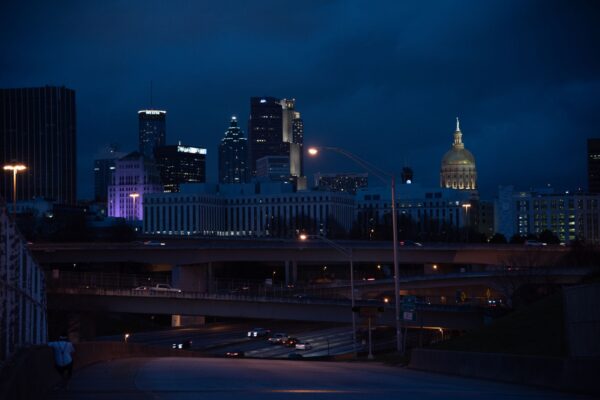
About 87% of Americans’ daily trips happen in personal vehicles, and the typical driver spends roughly 370 hours a year on the road — the equivalent of more than 15 full days. Congestion alone costs the average driver around $894 a year in lost time and fuel. Atlanta, for instance, landed at No. 45 in the study — squarely middle of the pack, FOX 5 Atlanta reports — meaning commuters there live in the worst of both worlds: big-city traffic without big-city transit alternatives.
The takeaway: if you’re choosing between job offers in different metros, the driving report is worth a look. A “cheap” city with brutal congestion and sky-high insurance may cost you more — in hours and dollars — than a pricier one where the commute just works.
Frequently Asked Questions
What is the best city to drive in for 2026?
Scottsdale, Arizona, tops WalletHub’s 2026 ranking of the 100 largest U.S. cities for driver-friendliness, with a total score of 63.32. It ranked 2nd for traffic and infrastructure and 5th for lowest accident likelihood.
What is the worst city to drive in for 2026?
Philadelphia, Pennsylvania, ranks last (100th) with a score of 36.35. It placed 97th for traffic and infrastructure and 96th for safety, dragged down by congestion, narrow streets, and high driving costs.
Which city has the cheapest gas in the 2026 study?
Fort Wayne, Indiana, had the cheapest gas prices of the 100 cities studied, helping it land at No. 3 overall.
Which city has the lowest accident likelihood?
Boise, Idaho, has the lowest accident likelihood in the country — about 23% below the national average — and ranked No. 2 overall.
How does WalletHub rank cities for driving?
The study compares the 100 largest U.S. cities across 30 indicators in four categories: cost of ownership and maintenance, traffic and infrastructure, safety, and access to vehicles and maintenance.
Where did Atlanta rank for driving in 2026?
Atlanta ranked No. 45 out of 100 — middle of the pack, with notable congestion dragging down an otherwise mid-sized-metro driving experience.
How much does traffic congestion cost drivers?
Congestion costs the average U.S. driver roughly $894 a year in lost time and wasted fuel, according to data cited in the WalletHub study.
Is New York the worst city for traffic?
New York City ranked 100th (worst) for traffic and infrastructure specifically, and 97th overall — but its extensive subway system means many residents can skip driving entirely.