I arrived in Boise on a gray October afternoon expecting a sleepy state capital. What I found instead was a city that's been growing faster than its infrastructure can comfortably handle—which brings the usual complications that come with rapid expansion. Boise isn't dangerous in any dramatic sense. You won't find the kind of pervasive street crime you'd navigate in bigger West Coast cities. But it's also not immune to the baseline urban realities that solo travelers should think through before showing up.
After spending three weeks here, talking to locals and actually moving through different neighborhoods at different times, I can tell you which areas genuinely warrant caution and which ones are just fine if you use your head. The distinction matters. Too many travel guides either oversell danger to seem authoritative, or downplay it to seem welcoming. I'm trying to split the difference.
Downtown After Dark: Reasonable Caution, Not Paranoia
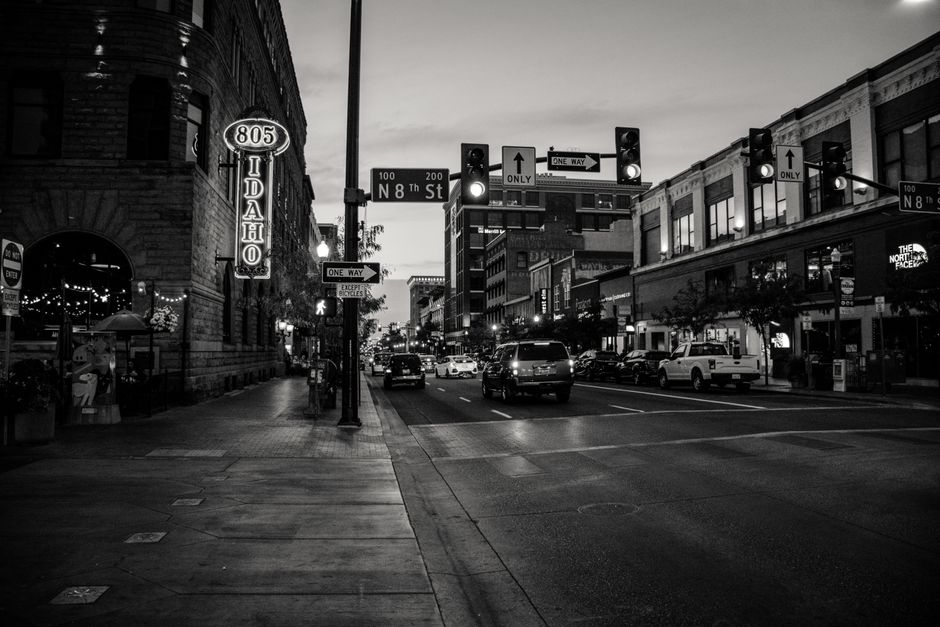
Downtown Boise has genuinely improved over the last five years. The Basque Block is lively. Eighth Street has restaurants and bars. Main Street draws people. But here's the thing: once you get past 10 p.m., foot traffic thins out fast, and the blocks between the main attractions—especially heading north toward the residential areas—can feel isolated in a way that invites opportunistic hassles.
I walked downtown solo at 11 p.m. on a Wednesday and felt fine, but I stayed on Main and 8th. The moment I cut through quieter blocks, the vibe shifted. This isn't unique to Boise; it's just how smaller downtowns work. If you're out late, stick to the main retail and restaurant strips where there's ambient foot traffic and storefronts still lit. Don't cut through parking lots. Use the well-traveled sidewalks. A rideshare or taxi after 10 p.m. costs maybe $8 and removes the equation entirely.
During daytime and early evening, downtown is genuinely fine. You'll see families, office workers, tourists. It's the dead-quiet hours that require basic awareness.

North End and the Depot District: Know Your Route
The North End has been gentrifying aggressively, and it's now home to some of Boise's best restaurants, breweries, and boutique shops. The Depot District along the old railroad corridor is picturesque and walkable. But the transition zones between the nice blocks and the more economically stressed neighborhoods can be abrupt, especially if you're unfamiliar with the street layout.
I'd recommend staying on the main corridors—Basque Street, 13th Street, the Depot itself—rather than wandering into the residential blocks that branch off unless you know where you're going. The difference between a block that's thriving and one that's struggling can be one street over. Download a map offline. Walk with purpose. Evening walks are fine if you're on the established commercial strips; I did several and encountered zero issues. But solo wandering through unfamiliar residential blocks at night in this part of town isn't worth whatever you might discover.
Transient Camps and Public Spaces: What You'll Actually See
Boise has a visible houseless population, particularly near the downtown core, the Foothills area, and some parks. You'll see encampments near Julia Davis Park and occasionally near the Greenbelt in different locations. This is a management and policy issue for the city, not a direct crime threat to tourists, but it affects how comfortable the spaces feel.
The people experiencing homelessness in Boise are, like everywhere, a diverse group. Most will leave you alone. Some panhandle assertively. Occasionally someone will be in the middle of a mental health or substance crisis. Use the same street smarts you'd use in any city: avoid isolated park paths at dawn or dusk, don't engage with someone acting erratically or aggressively, move to a busier area or go inside if something feels off. This isn't paranoia; it's normal urban navigation.
The Foothills and Parks: Daytime Yes, Dusk No
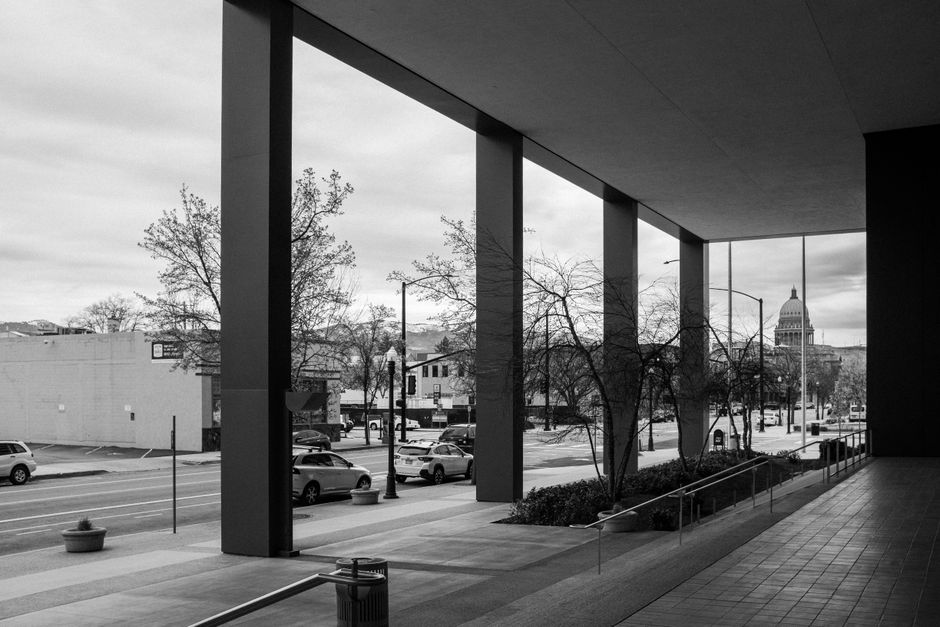
The Foothills Trail system is stunning—I hiked several loops and they're genuinely worth your time. But they get sketchy if you're out there solo at dusk or after dark. Poor lighting, isolated paths, and minimal foot traffic create ideal conditions for trouble. Several locals warned me off solo evening hikes, and police data supports that concern.
Go during daylight hours. Start early enough that you'll be back before sunset. The Foothills trails during midday, especially on weekends, are busy and safe. Julia Davis Park is fine during the day but clear out before dark. The Bogus Basin area up in the mountains is beautiful but remote—stick to established hours and well-traveled routes if you're going solo.
South Boise and the Airport Area: Mostly Unremarkable
South Boise is suburban and quiet. The airport area is strictly utilitarian—hotels and car rental places. I didn't spend much time here, but I didn't encounter any warnings from locals or see anything that raised concerns. If you're staying near the airport, you're fine. It's not exciting, but it's not unsafe.
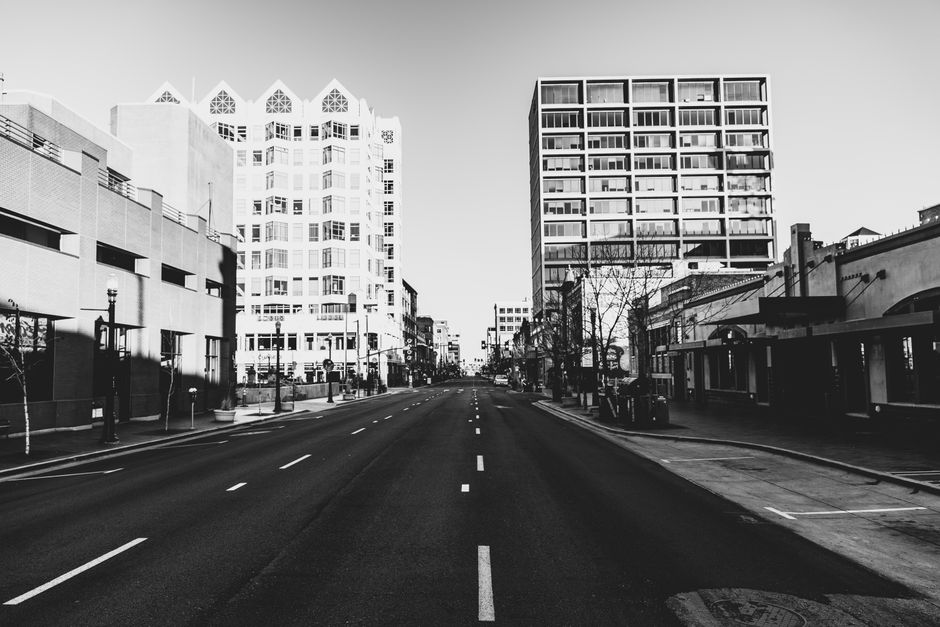
Transportation: Rideshare Feels Safer Than Walking at Night
Boise's public transit is limited compared to larger cities. Buses run, but they're infrequent and mainly daytime-focused. Your realistic options after dark are your feet or a rideshare. I used Uber a handful of times and waited 8-12 minutes on average. Costs ranged from $7 to $14 depending on distance. That's a reasonable insurance policy against having to walk through questionable blocks at night.
If you're walking during the day, Boise is generally easy to navigate. Wide streets, decent sidewalks, reasonable pedestrian infrastructure. At night, the city gets quieter and the risks scale up accordingly. Plan your evening timeline—know when bars close, when restaurants stop seating, and have a way home sorted before you need it.
General Practical Precautions That Actually Work
Keep your phone charged and have offline maps downloaded. Tell someone where you're going if you're doing anything outside the main tourist zones. Vary your routine. Use your phone openly instead of looking lost and vulnerable. Avoid looking like a tourist with expensive gear splayed out. These aren't Boise-specific rules; they're just how you move through any city alone.
Boise locals are generally helpful and straightforward. Ask for directions if you need them. Respect posted hours and trail closures. Don't carry a lot of cash. Use hotel safes for documents and extra money. None of this is complicated or paranoid—it's just baseline travel sense that gets overlooked when someone writes a cheerful guide.
The reality: Boise is a safe, livable city where millions of people move through daily without incident. Solo travelers visit all the time and have good experiences. But it's also a city with the complications that come with rapid growth—housing pressure, a growing houseless population, some property crime, and the baseline urban issues that require you to pay attention. Pay attention. You'll be fine.