I showed up in Boise on a Friday afternoon in late September expecting to understand why people won't stop talking about this place. By Saturday morning, I'd already figured out that half the buzz is justified—and half of it is tourists and new transplants repeating what they read on travel blogs.
The city's got real bones. The foothills are legitimately stunning. But there's also a lot of manufactured appeal wrapped around stuff that's either too crowded or just fine, not life-changing. After a few days of walking around, eating badly, and asking locals where they actually spend their time, I've got a clearer picture of what's genuinely worth your time and what you can safely skip.
Why Table Rock Shouldn't Be Your First Stop
Table Rock is the postcard of Boise. Everyone wants a photo with it framed behind them, arms out, grinning like they've conquered something. The hike itself—maybe 2.8 miles round trip from the parking area—takes about an hour. It's easy. It's accessible. It's also crammed with people, especially on weekends and any day the weather looks decent.
What bothers me isn't the crowds exactly; it's the opportunity cost. You'll spend forty minutes to an hour just finding and walking from a parking spot (which fills up before 9 a.m. on nice days), then another hour on the trail making way for families and their dogs, just to stand in line for that one specific photo angle. The view from the top is fine—you can see the city sprawl and the mountains beyond—but it's the same view you get from a dozen other ridges in the Foothills, without the Instagram machine.

Bonneville Point: Same Views, Fewer People
If you want actual elevation and actual solitude, drive up to Bonneville Point instead. It's maybe fifteen minutes from downtown—you take Bogus Basin Road up toward the ski resort and turn off before you get there. The parking is minimal and quiet. The trail is about 4 miles round trip, a bit more serious than Table Rock, and you'll see the whole valley spread below you, plus the Central Mountains to the north. On my visit, I saw maybe six other people the whole time.
The dirt road up there can be rough depending on the season, so a sedan might complain on the way. But if you've got a vehicle with any clearance at all, it's passable. The payoff is a 360-degree ridge walk where you're actually thinking about the landscape instead of angling for the perfect caption. Go early, bring water, and don't expect the kind of manicured trail experience that Table Rock offers—that's the point.
Downtown's Main Street: Cute But Not Essential
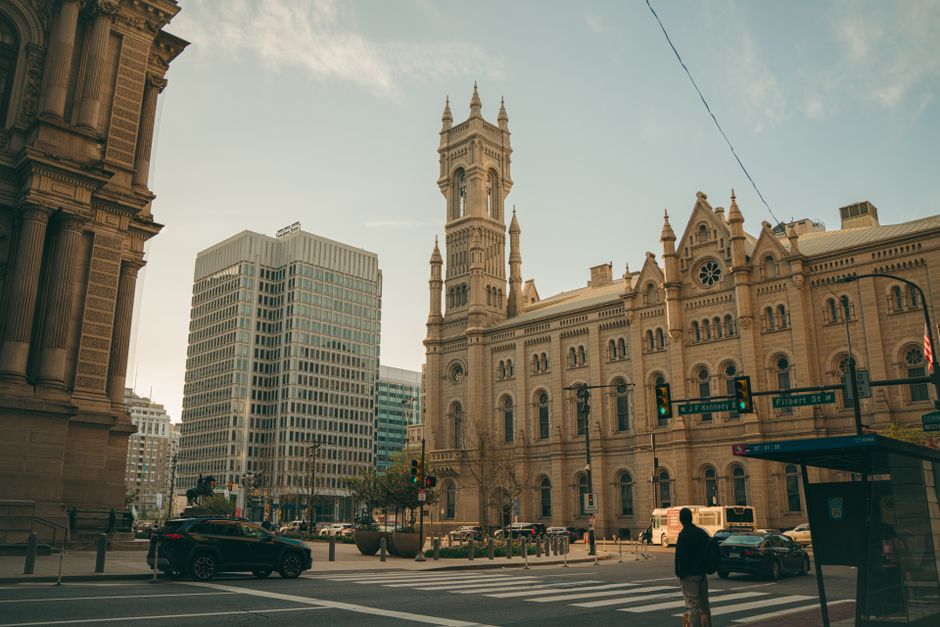
The blocks around Main Street downtown—especially the stretch between 8th and 11th—have been aggressively curated for visitor consumption. There are breweries, boutiques, farm-to-table restaurants, a historic hotel or two. It looks nice in photos. Locals do actually walk around there on weekends. But if you're looking for authenticity or a reason to spend three hours on this particular corridor, I'd temper your expectations.
Most of the restaurants are solid without being remarkable. The shops are the kind of independent-but-expensive places that exist in every mid-sized city with some money. A lot of the buzz comes from the fact that it's new-ish vitality in a downtown that genuinely died for twenty years. That's worth acknowledging. But it's not worth making your whole trip about.

The Boise Foothills Northeast Ridge Trail: Worth the Detour
While you're in the Foothills, skip the parking-lot circus of trails like Camel's Back and Ann Morrison. Instead, drive to the far northeast corner of the Foothills, near the intersection of Bogus Basin Road and Military Reserve Park Road, and look for the Northeast Ridge Trail. It's a less-trafficked route that winds through actual forest instead of exposed ridge, and it connects to a series of connector trails that let you make it as long or short as you want.
The shade is real. The wildflowers in spring are better than anywhere else I've hiked in the Foothills. The views open up in sections rather than all at once, which I find more interesting than standing on a famous viewpoint. You might see one or two other hikers. You'll definitely hear birds. Trailhead parking is small but usually has space, even on Saturday mornings.
The Boise Farmers Market: Busiest Doesn't Mean Best
The Saturday morning farmers market downtown is enormous and popular. Thousands of people show up. The produce is fresh. There are local vendors. It's the kind of thing that looks great in a weekend-getaway story. It's also ninety minutes of dodging strollers and waiting in line at the same three produce stands everyone knows about.
If you want the actual market experience—direct interaction with growers, less noise, room to think—go on a weekday morning, early. The summer and early-fall markets run Wednesday evenings too. You'll see the same farmers, better selection for someone actually buying groceries instead of browsing, and you won't feel like you're in a promotional video. The city's proud of this market, and rightfully so. But if you're visiting from out of town, the Saturday spectacle version is overselling itself.

Hulls Gulch Reserve and the Wildflower Route Nobody Talks About
Hulls Gulch is less famous than the main ridge trails but offers something different: a riparian hike through actual native plant habitat. It's on the west side of downtown, about a ten-minute drive. The main trail runs along a seasonal creek and winds through cottonwoods and sagebrush at a gentler grade than the exposed ridges. In spring and early summer, wildflowers are thick.
What I liked most was that it felt less like a fitness test and more like a walk. You're not trying to summit anything. You're moving through a landscape. Locals use it for exactly that reason—it's a genuine neighborhood hike, not a destination hike. If you're in Boise during wildflower season, go early in the morning, and plan for a slower pace. The reserve has a small interpretive center too if you want to learn what you're looking at.
Skip the Mainstream Museum Hour, Check Out The Basque Culture
Boise has a huge, genuinely unique Basque population—the largest concentration in the U.S. outside of Nevada. The cultural center downtown and the related restaurants and shops actually matter here. They're not a tourism gimmick; they're the reason a particular neighborhood exists the way it does.
The Basque Museum & Cultural Center is genuinely worth an hour. It's not enormous, but it tells a real story about why Basque sheepherders came to Idaho, what they built, and how their culture stuck around. The restaurant scene around it—places serving actual txuleta and cider—is different from the curated farm-to-table downtown scene. If you want something that actually distinguishes Boise from other cities, this is it. Spend your cultural energy here instead of circling the same downtown galleries everyone knows about.
Your Plan: Hit the Easy Stuff Early, Save the Real Stuff for Later
If you're in Boise for a weekend, do Table Rock on Friday afternoon if you want—get it out of the way when you're fresh and slightly punchy. Grab a beer downtown. But then on Saturday, skip the main attractions and go to Bonneville Point, spend time around the Basque Museum, eat somewhere that isn't in a guide book. Walk through the Foothills early and alone. That's when Boise actually shows you what it is instead of what it's been packaged to be.
Frequently Asked Questions
Is Table Rock in Boise worth the hike?
The hike is easy and accessible, but it's extremely crowded year-round and the views aren't significantly better than quieter Foothills trails. If you only have time for one hike, consider Bonneville Point instead for better solitude and similar vistas. Table Rock makes sense as a quick outing if you're already nearby and okay with crowds, but it shouldn't be your priority visit.
What's the best time to visit Boise?
Late spring through early fall is ideal—May through September offers wildflowers, warm weather, and open trail access. Summer weekends get crowded at popular spots. Fall is quieter and the foothills turn golden. Winter brings snow to higher elevations and closes some trails, though it's mild compared to mountain regions. Avoid the Saturday farmers market if you dislike crowds; go weekday mornings instead.
Where should I eat in Boise?
Downtown Main Street has solid breweries and restaurants but nothing exceptional. The Basque neighborhood offers authentic dining that reflects actual local culture. Look for casual spots serving txuleta, cider, and traditional dishes—that's where you'll find food that matters to longtime residents. Avoid the most Instagram-heavy restaurants unless you're specifically into that scene.
Is downtown Boise safe at night?
Downtown is generally safe in the main tourist areas (8th to 11th on Main Street) and well-lit with foot traffic on weekends. Like any downtown, stay aware of your surroundings and stick to main corridors after dark. The neighborhoods immediately surrounding the core downtown are mixed; some are fine, others less so. Ask your hotel or locals about specific areas you're planning to visit at night.
Which one would you visit?